
Quick answer: drawing revision uptake confirmation loop
Review focus: drawing revision uptake confirmation loop.
An architect coordination drawing revision uptake confirmation loop movable partition workflow exists to answer one question before construction: has every discipline actually incorporated the latest track, stack and ceiling interface decisions? A revision issued is not a revision received, and a revision received is not a revision coordinated. This article sets out a structured, evidence-bounded method for closing that gap without inventing performance, engineering or commercial conclusions.
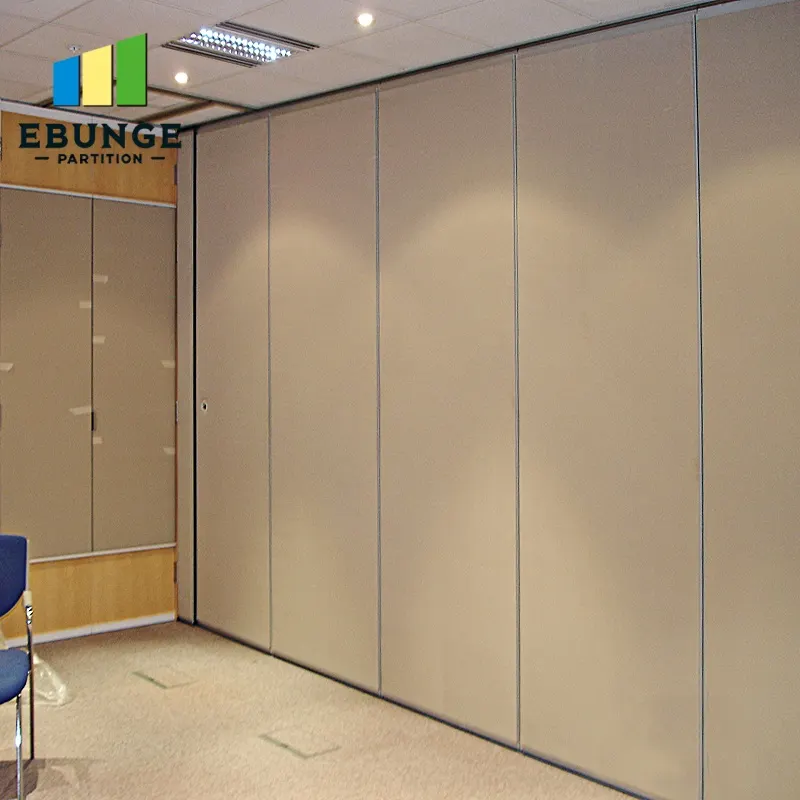
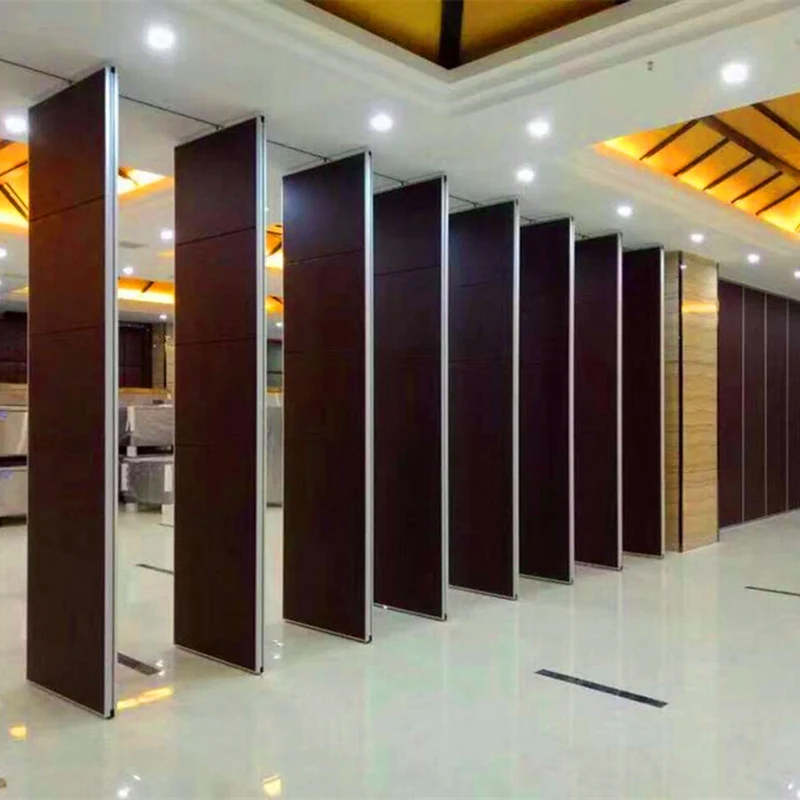
Movable wall panels are individually movable, suspended from a top track, cross the opening without a floor track, and park at a planned stacking position. Straight, turning and stacking routes are reviewed from the layout. Those facts create interface decisions that touch structure, ceiling, finishes and services. Each decision needs a named owner and a visible confirmation.
Why Drawing Revision Uptake Fails on Movable Partition Projects
Project review term: drawing revision uptake confirmation loop.
Most coordination failures are not design failures. They are uptake failures. A revised track route is issued, but the ceiling contractor prices and sets out from an earlier ceiling plan. A stacking position moves, but the finishes package still shows the original wall protection zone. The drawing exists; the decision has not landed.
Movable partitions amplify this because the system is top-hung and crosses the opening without a floor track. The overhead route, the parking zone and the ceiling interface are shared conditions. When one discipline changes them, others must respond. Uptake confirmation is the discipline of proving that response happened.
What the loop is not
The suitability of each route and parking arrangement depends on the approved layout, circulation, ceiling interfaces and operating sequence. It is a communication control. The exact route, junction arrangement, continuous overhead path and parking position must be confirmed from the coordinated project drawings. Those require separate, project-specific confirmation.
The Five-Stage Uptake Confirmation Loop
Coordination scope: drawing revision uptake confirmation loop.
Use a single loop for every interface decision that affects the movable partition. Keep it short enough to run weekly and specific enough to produce evidence.
- Register the decision. Record the track route, stacking position or ceiling interface change in a numbered decision log with a revision reference and date.
- Identify affected disciplines. List every package whose drawings, schedules or setting-out depend on that decision, including structure, ceiling, MEP, finishes and joinery.
- Request marked uptake. Ask each discipline to return the relevant drawing extract with the change visibly incorporated, not a written assurance alone.
- Verify against the source. Compare the returned extract with the current decision log. Check route continuity, parking zone and ceiling interface alignment.
- Close or escalate. Close only when every affected discipline has returned a matching extract. Escalate unresolved items before the next construction sequence begins.
Track, Stack and Ceiling Interface: What Must Be Confirmed
Checklist focus: drawing revision uptake confirmation loop.
Each interface family carries its own confirmation questions. The aim is not to solve engineering here, but to make sure the right questions reach the right reviewer with the current information.
| Interface | Confirmation question | Evidence expected |
|---|---|---|
| Track route | Is the overhead route continuous and connected across the full movement path? | Marked-up plan or reflected ceiling plan showing the current route |
| Stacking position | Does the parking zone match the latest layout and adjacent finishes? | Layout extract with parking zone and clearance boundary shown |
| Ceiling interface | Has the ceiling package incorporated the current track and support coordination zone? | Ceiling drawing extract with the coordination zone marked |
| Services | Do MEP routes avoid or coordinate with the track and parking zone? | Services drawing extract showing the current coordination |
Visible references can support layout discussion but do not verify hidden construction or performance. A drawing shows intent and coordination; it does not replace project-specific engineering confirmation.
Running the Loop as a Weekly Coordination Control
Review focus: drawing revision uptake confirmation loop.
A loop that runs only at design freeze will not catch late changes. Run it as a standing item in the weekly coordination meeting, with a fixed agenda and a visible register.
Suggested weekly agenda
- Review new and changed movable partition interface decisions from the past week.
- Confirm which disciplines have returned marked uptake extracts.
- Flag any extract that does not match the current decision log.
- Escalate overdue uptake to the package lead before the next construction sequence.
- Record closed items and archive the matching extracts with the revision reference.
This rhythm keeps the loop lightweight. It also creates a traceable record that a decision was not only issued but visibly incorporated.
Evidence Boundaries Every Project Team Should State
Coordination documents should be explicit about what they do and do not prove. This protects the project from assumptions that later become disputes.
Evidence note: a marked-up drawing confirms that a discipline has incorporated a coordination decision. Those require separate project-specific review and matching evidence.
Common Uptake Gaps and How to Close Them
Certain gaps recur across movable partition projects.
Gap one: verbal confirmation
A discipline says the change is noted, but no drawing extract is returned. Close this by requiring a marked extract as the only acceptable closure evidence.
Gap two: stale extracts
An extract is returned but reflects an earlier revision. Close this by checking the revision reference against the current decision log before closing.
Gap three: partial uptake
One drawing is updated but a related schedule or setting-out drawing is not. Close this by listing every affected document for each decision, not just the primary plan.
Gap four: route discontinuity
Every proposed movement path requires a continuous connected overhead route and project-specific support review. Flag this immediately rather than assuming it will be resolved on site.
Frequently Asked Questions
What is an architect coordination drawing revision uptake confirmation loop for movable partitions?
It is a structured method for confirming that every affected discipline has visibly incorporated the latest track, stack and ceiling interface decisions into their own drawings before construction proceeds.
Why is a written assurance not enough to close a coordination item?
A written assurance does not show how the change appears in the receiving discipline’s drawing. A marked-up extract allows the coordinator to verify that the decision has actually landed in the document that will be used for setting out.
Which disciplines typically need to confirm uptake?
It depends on the project, but commonly includes structure, ceiling, MEP services, finishes and joinery. The decision log should identify affected disciplines for each interface decision rather than relying on a fixed list.
Does the loop confirm acoustic or structural performance?
No. The loop is a communication control. Do not infer performance from a marked-up drawing.
How often should the loop run?
Run it as a standing weekly item during active coordination, and additionally whenever a track, stack or ceiling interface decision changes. The frequency should match the project’s revision rate.
What should happen if a discipline does not return a marked extract?
Escalate to the package lead before the next construction sequence begins. An open uptake item is a coordination risk, not a paperwork delay.
Conclusion and Next Step
A drawing revision uptake confirmation loop turns coordination from an assumption into a verifiable routine. Register the decision, identify affected disciplines, request marked uptake, verify against the source, and close only when the evidence matches. Keep the loop weekly, keep the evidence visible, and keep performance claims separate from coordination records.
For movable partition planning, review the maintained product context at movable walls and the broader planning guidance at resources. When your project requires confirmation of track, stack, ceiling interface or documentation requirements, contact EBUNGE to discuss your specific layout and project conditions.