
Quick project answer
Review focus: clash detection turnaround.
On a movable partition project, the architect coordination clash detection turnaround movable partition process is not a single meeting. It is a controlled loop between the design team, the partition supplier and each affected discipline. The goal is to resolve drawing conflicts before they become site instructions, while keeping every decision traceable to a reviewed layout.
Why Clash Detection Turnaround Matters on Movable Partition Projects
Project review term: clash detection turnaround.
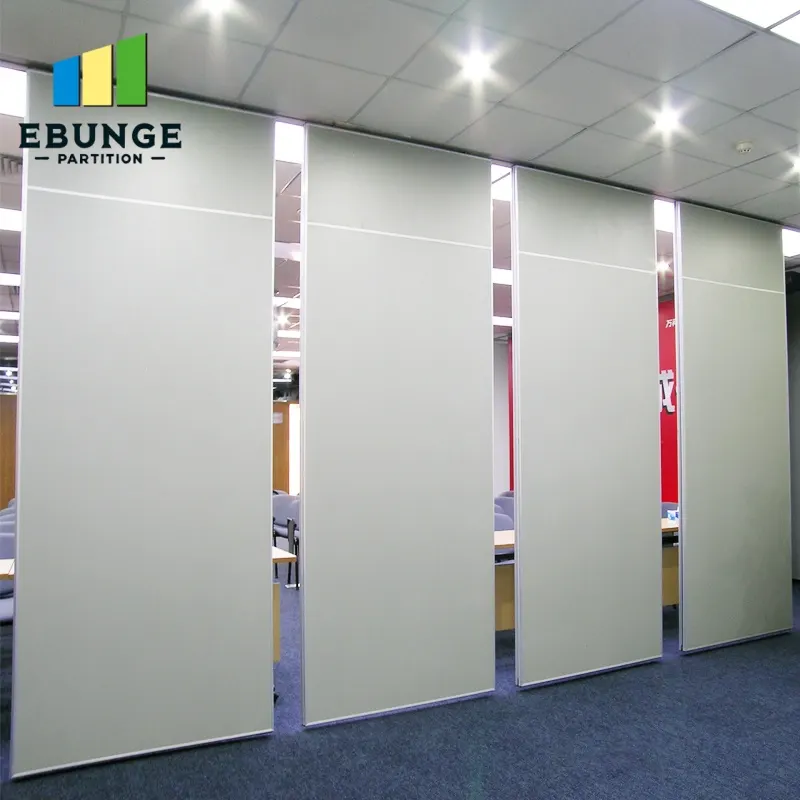
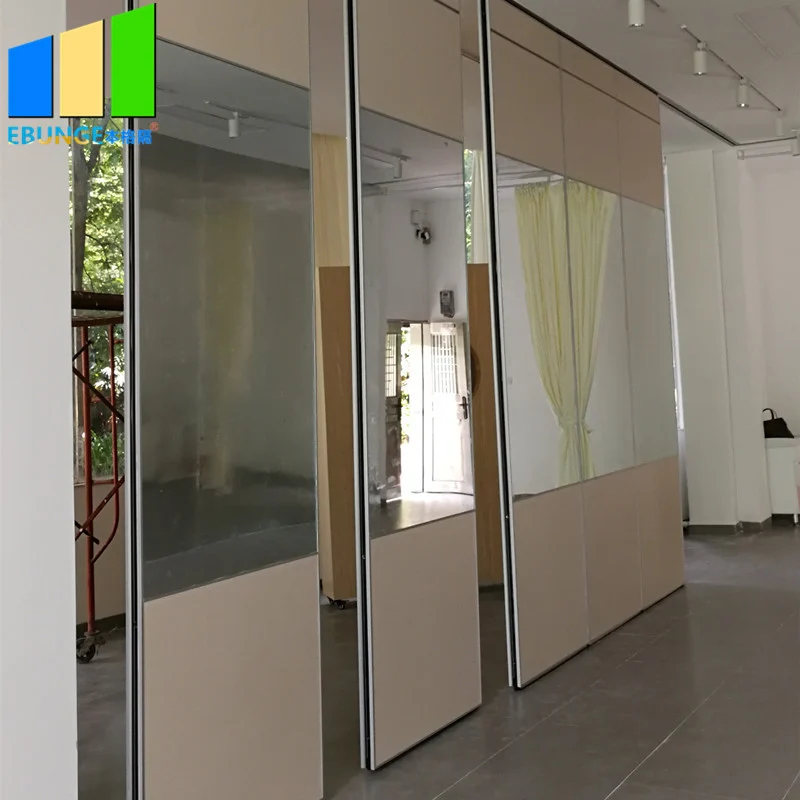
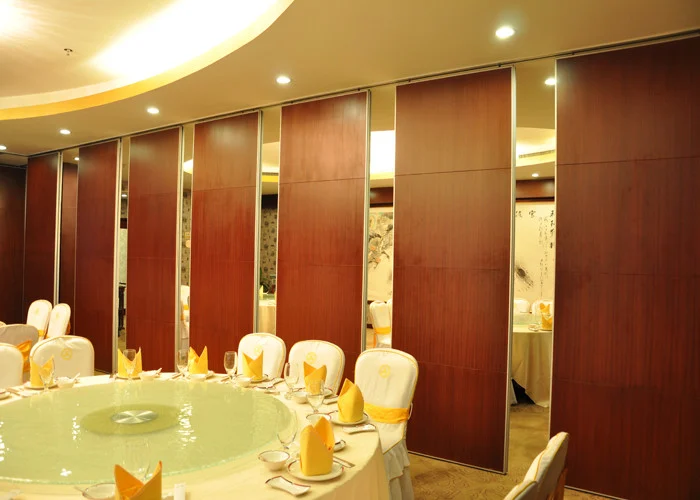
Movable partitions are top-hung and travel along an overhead route. Panels cross the opening without a continuous floor track, then park at a planned stacking position. The exact route, junction arrangement, continuous overhead path and parking position must be confirmed from the coordinated project drawings.
A late conflict can force redesign of adjacent services or a change to the stacking position. Neither is a partition problem alone. It is a coordination problem, and it is cheaper to resolve in drawings than on site.
What the Design Phase Must Confirm Before Clash Review
Clash detection only works when the inputs are stable enough to compare. Before a turnaround cycle begins, the project team should confirm the room boundaries, the intended opening, the parking position and the disciplines that occupy the same zone.
Core inputs for a reviewable model
- Architectural layout showing the opening and the planned stacking position.
- Reflected ceiling plan and any overhead services near the partition route.
- The suitability of each route and parking arrangement depends on the approved layout, circulation, ceiling interfaces and operating sequence.
- Finish direction, because laminate, melamine, fabric, leather, glass and other approved surfaces affect visible interfaces.
- Pass-door requirements, if the project needs them, stated as a design question rather than an assumption.
Where any input is missing, mark it as an open item. Do not let the clash review imply a support, acoustic or dimensional conclusion that has not been confirmed for the project.
A Discipline Response Tracking Framework
Panel handling and the operating sequence must be confirmed for the selected layout and project conditions. Each clash should have one responsible discipline, one required response and one review date. The framework below keeps responses from disappearing between meetings.
Numbered response cycle
- Log the clash with a drawing reference and the disciplines involved.
- Assign a single owner for the response, not a group.
- State the decision needed: move, resize, reroute or confirm.
- Record the response and the date it was received.
- Re-run the check against the updated drawing set.
- Close the item only when the affected disciplines confirm the resolution.
This cycle is deliberately simple. Its value is that every open item has a name and a date, so the next turnaround starts from a known position rather than a verbal update.
Clash Categories and Typical Response Owners
Not every clash deserves the same urgency. Grouping them helps the team decide what must be resolved before the next issue and what can be tracked in parallel.
| Clash category | Typical response owner | Review focus |
|---|---|---|
| Overhead route conflict | Architect and services engineer | Continuous connected overhead route |
| Stacking zone conflict | Architect and interior designer | Parking position and adjacent finishes |
| Support condition query | Structural engineer | Project-specific support review |
| Finish interface | Interior designer | Approved surface and visible junctions |
| Pass-door requirement | Architect and supplier | Documented requirement and layout impact |
The table is a coordination aid, not an engineering conclusion. Each row still requires project-specific confirmation.
Evidence Boundaries in a Clash Detection Turnaround
A drawing can show a route, a finish and a parking zone. Those questions need their own evidence and their own review.
Evidence note: a visible finish or a generic application example is not evidence of acoustic performance, structural capacity or a application reference. Confirm project-specific support, acoustic and dimensional requirements before relying on any drawing assumption.
Running the Turnaround Without Losing Discipline Responses
A predictable rhythm helps. Set a submission cut-off, a review window and a response deadline, then hold the cycle even when some items remain open. Open items are tracked, not hidden.
Decision checklist for each cycle
- Is the overhead route continuous and connected across the full movement path?
- Is the parking position coordinated with adjacent walls, columns and finishes?
- Has every affected discipline responded in writing?
- Are pass-door requirements documented rather than assumed?
- Are unresolved support, acoustic and dimensional questions flagged for project-specific confirmation?
When a cycle closes, archive the responses with the drawing revision.
Frequently Asked Questions
What is architect coordination clash detection turnaround for movable partitions?
It is the design-phase cycle in which drawing conflicts affecting a movable partition route, parking position or interfaces are identified, assigned and resolved within a defined review period.
Which drawings are needed to start the review?
Pass-door requirements should be stated if the project needs them.
Can a movable partition cross a gap without support above?
No.
Does a clash-free drawing confirm acoustic performance?
No.
How should discipline responses be tracked?
Give each clash one owner, one required decision and one response date, then close the item only when the affected disciplines confirm the resolution.
When should the partition supplier be involved?
Early enough to review the route, stacking position and finish interfaces against the layout. Project-specific support, acoustic and dimensional requirements should be confirmed with the supplier and the design team.
Conclusion and Next Step
A disciplined clash detection turnaround keeps movable partition coordination visible and reviewable. Confirm the layout, track every discipline response and treat unsupported performance questions as open items until project-specific evidence is available.
To review your layout and discuss pass-door requirements or project documentation, contact the EBUNGE team. You can also explore movable wall systems and the project resources for further planning context.