
Quick answer: architect coordination assumption verification status
Review focus: architect coordination assumption verification status.
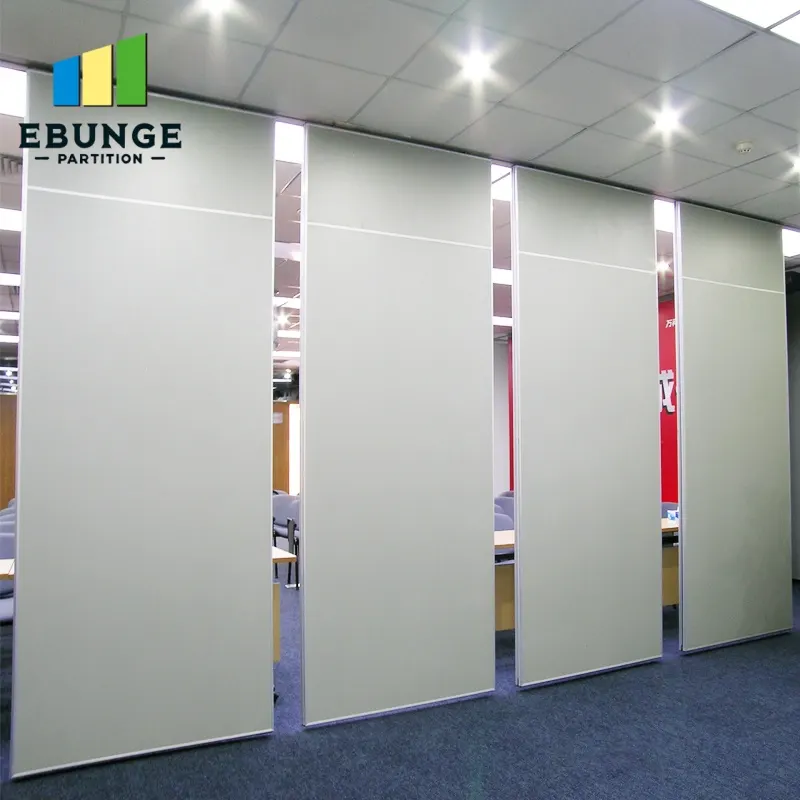
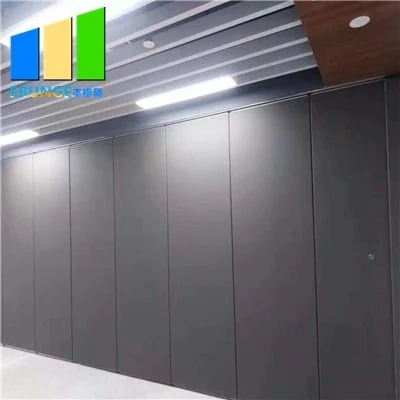
An architect coordination assumption verification status board movable partition is a simple design-phase register that records which track, stack and ceiling assumptions have actually been confirmed by each discipline. Movable wall panels are individually movable, suspended from a top track, cross the opening without a floor track and park at a planned stacking position. Because those three conditions touch structure, ceiling and layout, they are easy to assume and expensive to discover late. The board keeps assumptions visible, assigns a status and names the discipline that must confirm each item before drawings are frozen.
Why a Status Board Beats a Coordination Meeting Alone
Project review term: architect coordination assumption verification status.
The suitability of each route and parking arrangement depends on the approved layout, circulation, ceiling interfaces and operating sequence. A status board turns coordination into a visible register with owners, dates and evidence references. It also separates confirmed facts from working assumptions, which matters when the partition route crosses several disciplines.
The board does not replace drawing review. It tells the team where review is still needed. For movable walls, the highest-risk assumptions usually sit at the top track, the stacking pocket and the ceiling interface, because each depends on information held by different parties.
Define the Three Assumption Families Before Design Freezes
Coordination scope: architect coordination assumption verification status.
Start by naming the assumption families.
Track assumptions
Track assumptions cover the overhead route, its continuity across the opening and how the route relates to the surrounding structure. The board should record whether the route has been reviewed as a connected overhead path, not as a series of unrelated segments.
Stack assumptions
Stack assumptions cover where panels park when the opening is clear. Parking style is customized to the customer layout and project requirements, and compact stacking may be possible when the coordinated design permits it. The board should record the intended parking position and the discipline responsible for confirming that position.
Ceiling assumptions
Ceiling assumptions cover the interface between the partition system and the ceiling zone, including any ceiling features that affect the route. Record whether the ceiling team has reviewed the same drawing revision as the wall team.
Build the Status Board with Clear Columns
Checklist focus: architect coordination assumption verification status.
A useful board is short enough to read in one pass. Use columns that force a decision rather than a comment.
| Column | What it records | Why it matters |
|---|---|---|
| Assumption ID | Short reference for the item | Lets teams cite the same row in minutes and markups |
| Family | Track, stack or ceiling | Groups related checks for the right discipline |
| Status | Open, in review, confirmed or rejected | Prevents a working assumption being read as a decision |
| Confirming discipline | Team that must sign off | Removes ambiguity about ownership |
| Evidence reference | Drawing, mark-up or note | Shows what the confirmation is based on |
| Revision | Drawing revision reviewed | Stops teams confirming against outdated information |
Keep the status vocabulary small. If a row is not confirmed, it should not be treated as a design instruction. The board is a coordination aid, not a substitute for project-specific support, acoustic and dimensional confirmation.
Run the Verification Sequence Discipline by Discipline
Review focus: architect coordination assumption verification status.
Sequence matters because some confirmations depend on others. A practical order is:
- Architectural layout confirms the opening, the intended parking position and the route direction.
- Ceiling coordination confirms that ceiling features and the route can coexist on the same revision.
- Services coordination confirms that no service runs conflict with the route or parking zone.
- Contractor review confirms that the coordinated route can be built as drawn.
- Owner or operator review confirms that the parking position suits the intended room use.
Each step should update the board rather than restart the conversation. When a row moves to confirmed, record the evidence reference and the revision reviewed.
Use an Evidence Note for Every Confirmed Row
Project review term: architect coordination assumption verification status.
Evidence note: a confirmed row means the named discipline has reviewed the stated assumption against a specific drawing revision. It does not confirm acoustic performance, structural capacity, fire performance or dimensional fit unless those items are separately documented for the project.
This boundary keeps the board honest. Visible references can support layout discussion but do not verify hidden construction or performance.
Review Cadence and Change Control
Review the board at each design milestone and whenever the layout changes. A moved opening, a revised ceiling zone or a new service route can invalidate several rows at once. When that happens, reset the affected rows to open and re-verify them.
Keep one master board rather than discipline-specific copies. If separate trackers are unavoidable, agree a single reference number so rows can be reconciled. The goal is a shared view of what is confirmed, what is assumed and what still needs a decision.
Common Coordination Gaps the Board Should Surface
The board should make these visible early.
- A route treated as continuous when a section has not been reviewed as part of the same overhead path.
- A parking position shown on one drawing but not coordinated with ceiling or services.
- A ceiling revision issued after the wall drawing was confirmed.
- A finish selected before the supporting interface was reviewed.
- A pass-door requirement discussed verbally but not recorded as a coordination item.
None of these gaps require a performance claim to resolve. They require a named owner, a status and an evidence reference.
How the Board Supports Specification and Procurement
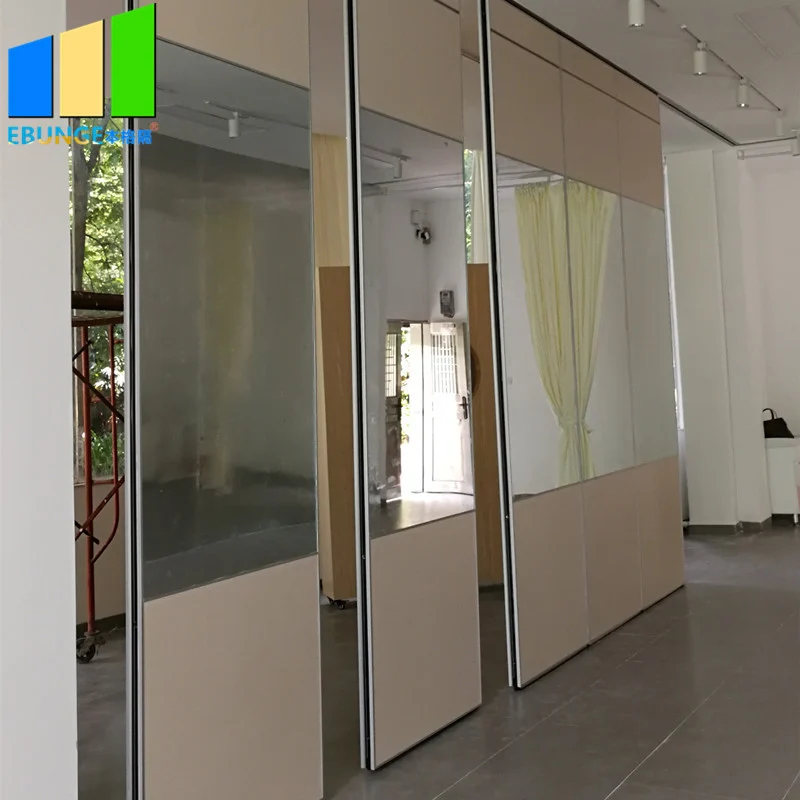
When the board is current, specification discussions become more focused. Finish options such as laminate, melamine, fabric, leather, glass and other approved surfaces can be discussed against a coordinated layout rather than an assumed one. Pass-door requirements and project documentation can also be raised with the supplier using the same confirmed references.
This is where the board earns its place. It does not decide the design; it shows which design assumptions are ready to carry forward and which still need project-specific confirmation.
Frequently Asked Questions
What is an architect coordination assumption verification status board for movable partition walls?
It is a design-phase register that lists track, stack and ceiling assumptions, records their status and names the discipline that must confirm each item. It keeps assumptions visible before drawings are frozen.
Who should own the status board?
The architect or lead designer usually maintains it, but each discipline owns its own confirmation rows.
Does a confirmed row mean the partition performance is guaranteed?
No. A confirmed row means the named discipline has reviewed a stated assumption against a specific revision.
How often should the board be updated?
Update it at each design milestone and whenever the layout, ceiling zone or service routes change. Any change that affects the route or parking position should reset the affected rows for re-verification.
Can the board be used for renovation projects?
Yes. Renovation projects often carry more hidden assumptions, so the board is useful for recording what has been verified in the existing condition and what still needs review.
What should be done when a row cannot be confirmed?
Leave it open, record the reason and assign the next action. Do not treat an unconfirmed row as a design instruction, and do not infer performance from a drawing or finish alone.
Conclusion: Keep Assumptions Visible Until They Are Confirmed
A status board does not remove coordination work, but it makes that work traceable. By tracking track, stack and ceiling assumptions across disciplines, project teams can see which items are confirmed, which are still open and which need project-specific review. Confirm support, acoustic and dimensional requirements for each project before proceeding.
To discuss layout routes, finish options, pass-door requirements or project documentation, contact the EBUNGE team. You can also review movable wall products and browse project resources for further planning context.