
Quick answer: architect coordination assumption provenance ledger movable partition
Review focus: architect coordination assumption provenance ledger movable partition.
An architect coordination assumption provenance ledger movable partition workflow gives every track, stack and ceiling decision a traceable origin before drawings are issued. Instead of relying on memory or inherited notes, the ledger records who assumed what, when, on which drawing, and what still needs project-specific confirmation. This article explains how to build and maintain that ledger without turning unverified assumptions into performance claims.
Why a Provenance Ledger Matters in Partition Coordination
Project review term: architect coordination assumption provenance ledger movable partition.
Movable partition coordination involves many small decisions that are easy to lose between disciplines. A track route may be sketched early, a stacking position may be suggested in a meeting, and a ceiling zone may be marked as available without a recorded source. Later, those assumptions can appear as fixed requirements in tender or construction drawings.
A provenance ledger does not replace engineering review. It makes the review possible by showing where each assumption came from and whether it has been confirmed. For top-hung movable partitions, the panels are individually movable, suspended from a top track, cross the opening without a floor track, and park at a planned stacking position. Each of those elements depends on coordinated decisions that should be traceable.
Core Fields for Each Assumption Entry
Coordination scope: architect coordination assumption provenance ledger movable partition.
A useful ledger is simple enough to maintain and specific enough to audit. Each entry should identify the assumption, its source, its current status, and the person responsible for confirming it. Avoid free-text notes that cannot be filtered or reviewed.
Minimum data fields
- Assumption ID: a unique reference used in drawings and meeting minutes.
- Subject: track route, stacking position, ceiling interface, finish, pass-door requirement, or other coordination item.
- Origin: who raised it, in which meeting or document, and on what date.
- Evidence status: confirmed by project-specific review, pending, or superseded.
- Revision history: what changed, when, and why.
- Owner: the discipline or person responsible for the next confirmation step.
Track Route Assumptions and Continuous Overhead Support
Checklist focus: architect coordination assumption provenance ledger movable partition.
Track route assumptions are often the first to be recorded and the last to be verified. The exact route, junction arrangement, continuous overhead path and parking position must be confirmed from the coordinated project drawings.
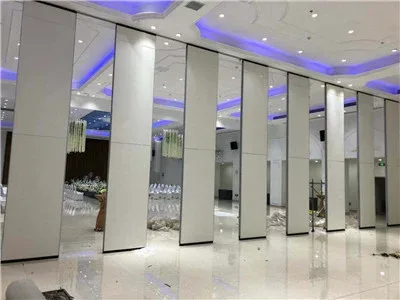
The suitability of each route and parking arrangement depends on the approved layout, circulation, ceiling interfaces and operating sequence. Those items require project-specific confirmation. The ledger can record that a route is proposed and that support review is pending, but it should not convert that proposal into a confirmed condition.
Questions to attach to each track entry
- Is the route straight, turning, or leading to a stacking position?
- Does the route remain continuous across the full opening and parking path?
- Which ceiling or structural zone does the route cross?
- Who has confirmed the support condition, and on what document?
- What remains unresolved before drawing issue?
Stacking Position and Parking Decisions
Review focus: architect coordination assumption provenance ledger movable partition.
Parking style is customized to the customer layout and project requirements and may support compact stacking when the coordinated design permits it. The ledger should record the planned stacking position, the route to it, and any ceiling or adjacent construction interfaces that affect it.
A stacking position is not just a storage location. It affects how panels move, how the opening is used, and how the ceiling zone is coordinated. If the stacking position changes, the track route and ceiling assumptions may also change. The ledger should link those entries so revisions are not made in isolation.
Ceiling Interface and Finish Assumptions
The ledger should distinguish between a ceiling zone that has been visually coordinated and one that has been confirmed for the required support and dimensional conditions.
When a finish is recorded, note whether it is a design preference or a confirmed selection.
Revision History and Drawing Issue Control
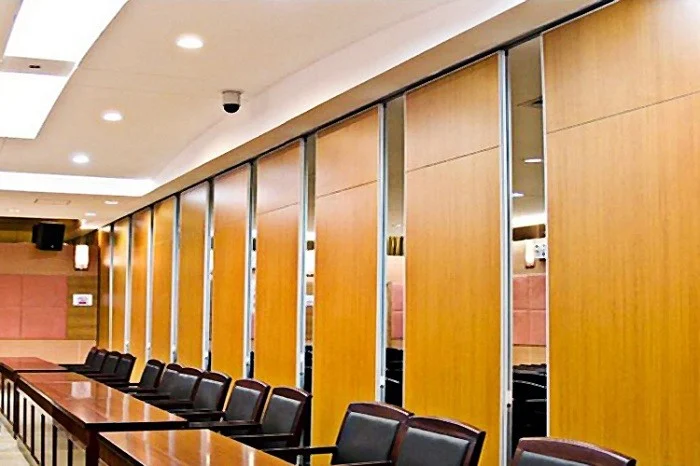
Each revision should record the previous value, the new value, the reason for change, and the person who authorized it. This prevents old assumptions from reappearing in later drawing issues.
Compact revision status table
| Status | Meaning | Action before issue |
|---|---|---|
| Proposed | Raised but not reviewed | Assign owner and review date |
| Under review | Being checked by relevant discipline | Record findings and update entry |
| Confirmed | Supported by project-specific documentation | Reference the confirming document |
| Superseded | Replaced by a later decision | Link to the replacement entry |
Evidence Boundaries and What the Ledger Cannot Do
A provenance ledger organizes assumptions; it does not create evidence. Those items require matching project-specific evidence and review.
Every proposed movement path requires a continuous connected overhead route and project-specific support review. If that review is not complete, the entry should remain pending rather than confirmed.
Coordinating with Project Documentation and Pass-Door Requirements
Pass-door requirements and project documentation can be discussed as part of the coordination workflow. The ledger should record whether a pass-door is required, where it is located, and how it interacts with the track route and stacking position. It should also reference the relevant project documents without treating them as universally applicable.
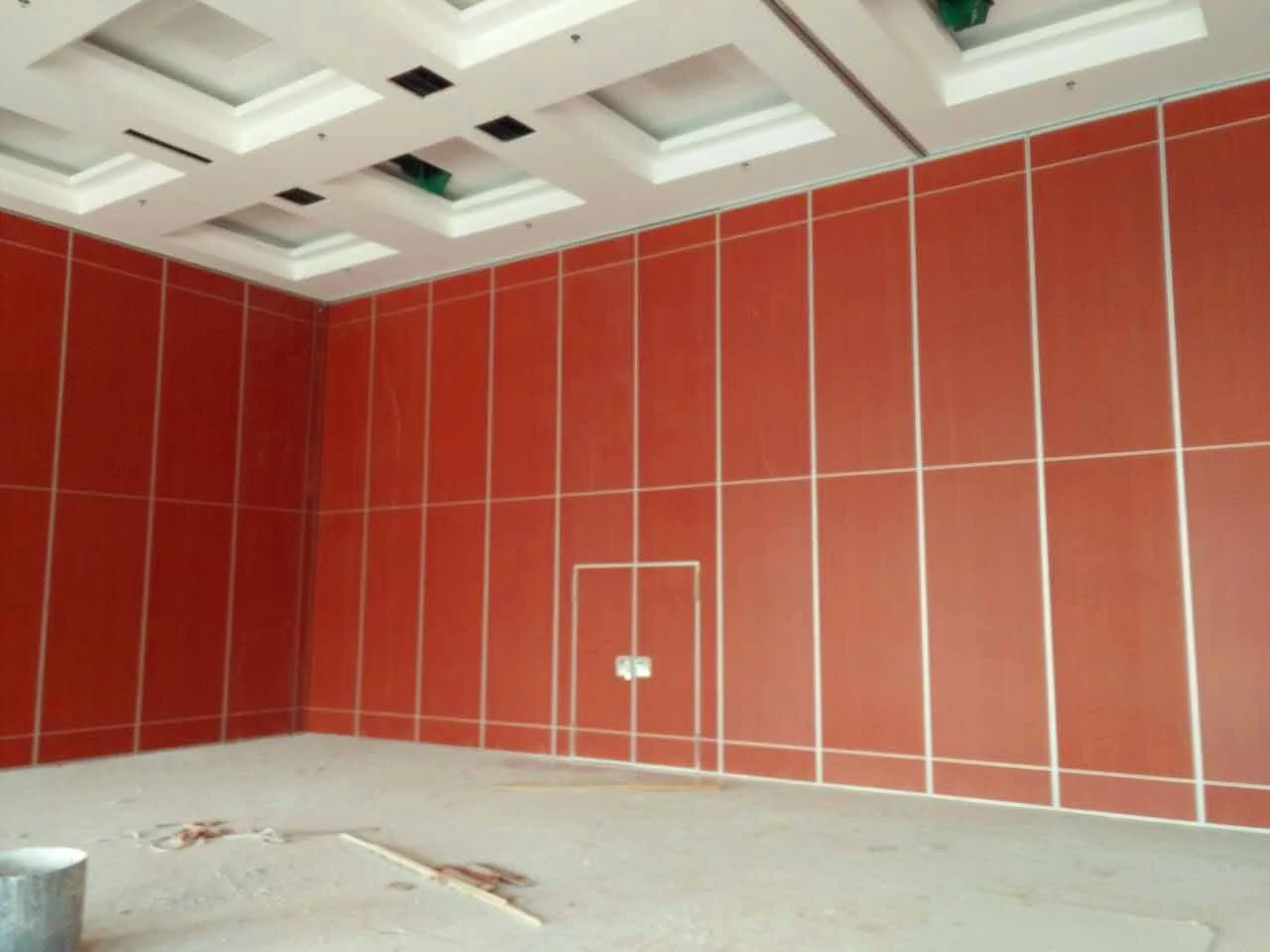
For teams evaluating movable partition wall options, the ledger helps separate maintained product facts from project-specific decisions. Additional planning context is available in the resources section, and project-specific questions can be directed through contact.
Frequently Asked Questions
What is an assumption provenance ledger in movable partition coordination?
It is a structured record that traces where each track, stack, ceiling, finish, or pass-door assumption came from, who raised it, and how it has changed. It supports drawing review but does not replace project-specific engineering or acoustic confirmation.
Does the ledger confirm that a track route is structurally supported?
No. The ledger can record that a route is proposed and that support review is pending or confirmed by a named document.
Can finish selection be recorded as a confirmed decision?
Finish selection can be recorded as a design preference or a confirmed selection.
How should STC or Rw be handled in the ledger?
Project-specific acoustic requirements must be confirmed separately with matching evidence.
What happens when a stacking position changes?
Record the change, link it to the affected track route and ceiling entries, and update their status. A stacking change can affect movement paths, ceiling interfaces, and adjacent construction, so revisions should not be made in isolation.
Can the ledger be used for any venue type?
Named venues are examples only. Movable partitions can be considered wherever flexible spatial division, combination, or reconfiguration is required. The exact overhead route and support arrangement must be confirmed by the responsible project team from coordinated drawings.
Conclusion and Next Steps
An architect coordination assumption provenance ledger movable partition workflow helps project teams trace the origin and revision history of each track, stack, and ceiling decision before drawing issue. It keeps assumptions visible, assigns ownership, and prevents unverified notes from becoming fixed requirements.
Start by listing every coordination assumption, recording its source and status, and linking revisions to the documents that confirm them.
To discuss pass-door requirements, project documentation, or coordination questions for a specific layout, contact EBUNGE and share the project context for review.