
Quick answer: architect coordination assumption handover acceptance
Review focus: architect coordination assumption handover acceptance.
The architect coordination assumption handover acceptance criteria rejection loop movable partition framework exists because movable walls are rarely a single-discipline decision. The suitability of each route and parking arrangement depends on the approved layout, circulation, ceiling interfaces and operating sequence. This article provides a design-phase workflow for confirming which receiving discipline has actually accepted each assumption, and how to reject an assumption that cannot be supported.
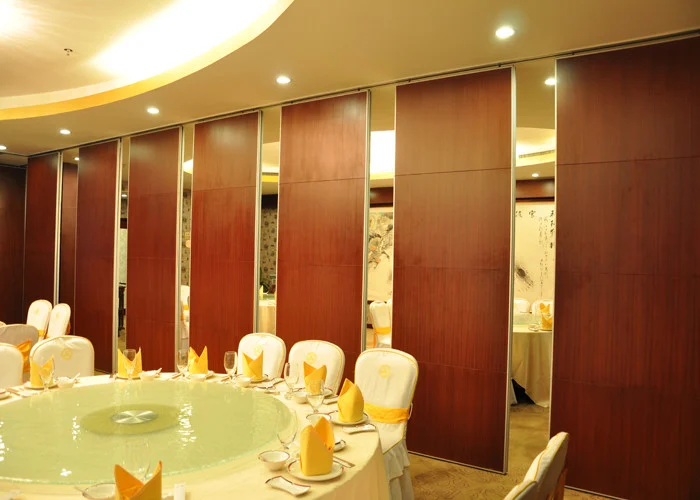
EBUNGE movable partition panels are individually movable, suspended from a top track, cross the opening without a floor track, and park at a planned stacking position. Straight, turning and stacking routes are reviewed from the layout. Those maintained facts are the starting point for coordination, not a substitute for project-specific review.
Why Assumption Handover Fails on Movable Partition Projects
Project review term: architect coordination assumption handover acceptance.
Most coordination failures are not technical disagreements. They are silent assumptions. The ceiling contractor assumes the partition supplier has confirmed the stacking envelope. No one has accepted anything.
An assumption handover is a deliberate transfer of a stated design assumption from one discipline to another, with a recorded acceptance or rejection. It is not a meeting note. It is not a drawing revision cloud. It is a named assumption, a named receiver, and a named decision.
The difference between an assumption and a confirmed condition
An assumption is a provisional position taken to allow design to progress. A confirmed condition has been checked against project-specific support, acoustic and dimensional requirements. The framework below keeps the two separate so that unresolved assumptions cannot quietly become issued drawings.
Defining the Track, Stack and Ceiling Assumption Set
Coordination scope: architect coordination assumption handover acceptance.
Before any handover can occur, the project team needs a shared list of what is being handed over. For movable partitions, the assumption set normally covers three families.
- Track assumptions: the overhead route, whether it is straight, turning or a combination, and where the route connects to the opening.
- Stack assumptions: the planned parking position, the stacking envelope, and how panels arrive at that position.
- Ceiling assumptions: the interface between the overhead route and the ceiling zone, including any coordination with ceiling services.
Each assumption should be written as a single testable statement. “The overhead route is continuous across the opening” is testable. “The ceiling will work” is not.
Route review is a layout exercise, not a default
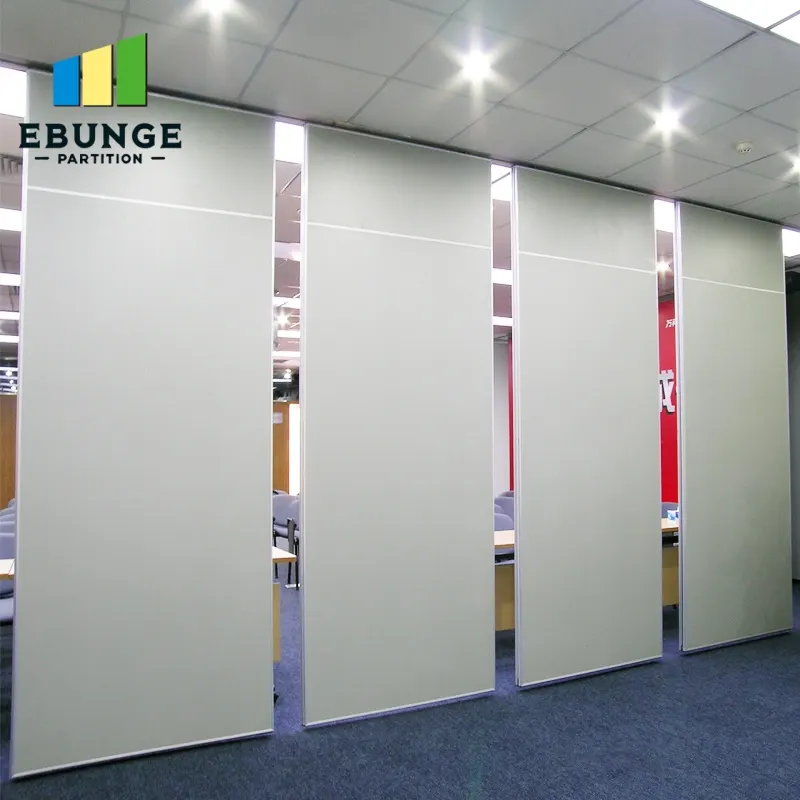
Straight, turning and stacking routes are reviewed from the layout. A route that appears simple on a plan may involve a turn that changes the stacking position, or a stacking position that changes the ceiling interface. The assumption set should reflect the actual layout under review, not a generic configuration.
Acceptance Criteria Each Receiving Discipline Must Apply
Checklist focus: architect coordination assumption handover acceptance.
Acceptance criteria are the conditions under which a receiving discipline can say the assumption is acceptable for its own scope. They are discipline-specific, but they share a common structure.
| Receiving discipline | Acceptance question | Evidence expected |
|---|---|---|
| Structural | Can the overhead route be supported within my scope? | Project-specific support review |
| Ceiling | Does the ceiling zone accommodate the route and stacking interface? | Coordinated ceiling layout |
| Architectural | Does the layout match the intended room use and finish? | Reviewed layout and finish schedule |
| Acoustic | Are the acoustic requirements defined for this project? | Project-specific acoustic brief |
Acoustic requirements must be confirmed for the specific project.
What acceptance is not
Acceptance is not silence. If a discipline has not responded, the assumption is unaccepted. Acceptance is also not conditional on future information unless that condition is written down with an owner and a date.
The Rejection Loop: What Happens When an Assumption Cannot Be Accepted
Review focus: architect coordination assumption handover acceptance.
A rejection loop is a controlled return path. When a receiving discipline cannot accept an assumption, the assumption goes back to the originator with a reason, not into the drawing set.
- Record the rejected assumption and the rejecting discipline.
- State the reason in terms of the receiving discipline’s own criteria.
- Return the assumption to the originator for revision or replacement.
- Re-issue the revised assumption to all affected disciplines.
- Repeat acceptance until the assumption is either accepted or removed from scope.
The loop is not a failure. It is the mechanism that prevents an unsupported assumption from being issued as a coordinated drawing.
Rejection reasons should be specific
“Not acceptable” is not a usable rejection. “The exact route, junction arrangement, continuous overhead path and parking position must be confirmed from the coordinated project drawings.
Evidence Boundaries Before Drawing Issue
Project review term: architect coordination assumption handover acceptance.
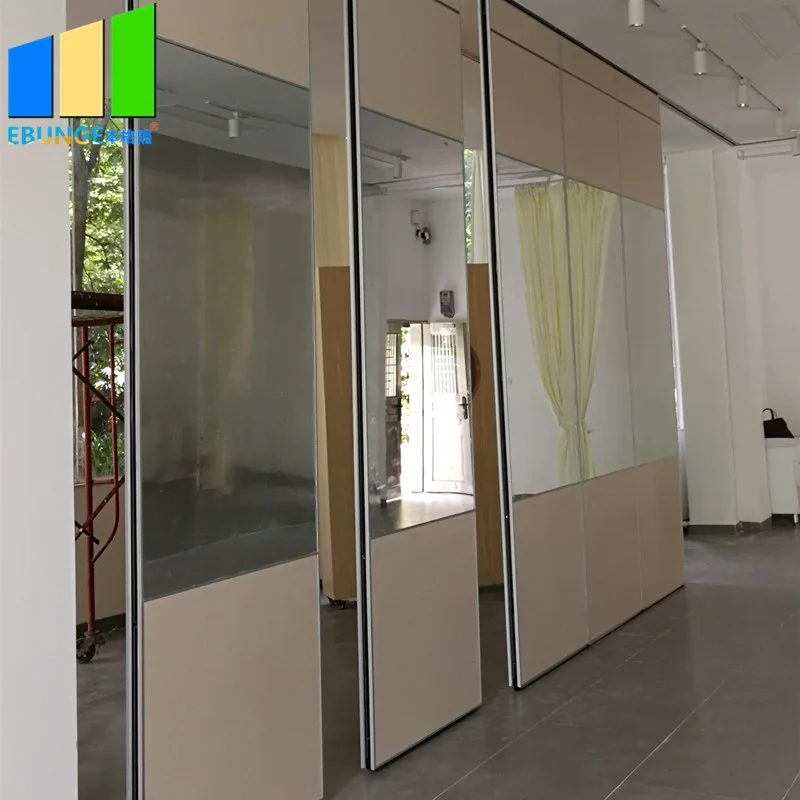
Before drawings are issued, the team should be able to state which assumptions are confirmed and which remain open. Confirmed finish options include laminate, melamine, fabric, leather, glass and other approved surfaces.
Evidence note: a visible finish, drawing or photograph does not establish hidden acoustic, fire, durability, load or commercial performance. Those require matching project-specific evidence.
Pass-door requirements and project documentation can be discussed with the supplier. They should be treated as coordination items, not as defaults.
Assumption Handover Checklist for the Design Phase
Use this checklist before each drawing issue to confirm that handover has actually occurred.
- Every track, stack and ceiling assumption has a named originator.
- Every assumption has a named receiving discipline.
- Every receiving discipline has recorded acceptance or rejection.
- Every rejection has a reason and a return path.
- Every open assumption is visible on the drawing issue register.
- Project-specific support, acoustic and dimensional requirements are confirmed, not assumed.
Frequently Asked Questions
What is an assumption handover in movable partition coordination?
It is a recorded transfer of a stated design assumption, such as a track route or stacking position, from one discipline to another, with an explicit acceptance or rejection.
Who should accept the ceiling assumption?
The discipline responsible for the ceiling zone should accept it, using its own project-specific criteria. The architect coordinates the handover but does not accept on another discipline’s behalf.
Can a movable partition route cross an untracked gap?
No. Every proposed movement path requires a continuous connected overhead route and project-specific support review.
Does a finish selection confirm acoustic performance?
No. Finish options such as laminate, melamine, fabric, leather or glass do not by themselves confirm acoustic, fire or durability performance.
When should the rejection loop be used?
Whenever a receiving discipline cannot accept an assumption under its own criteria. The assumption returns to the originator rather than proceeding to drawing issue.
What should be confirmed before drawing issue?
Project-specific support, acoustic and dimensional requirements, plus the acceptance status of every track, stack and ceiling assumption.
Conclusion and Next Step
A disciplined assumption handover, clear acceptance criteria and a working rejection loop keep movable partition coordination honest. They do not replace project-specific engineering, acoustic or dimensional confirmation, but they make unresolved assumptions visible before they are issued.
To discuss pass-door requirements, project documentation or layout review for your project, contact the EBUNGE team. You can also review the movable wall product range and the project resources before your next coordination meeting.