
Quick answer: architect coordination assumption handover acceptance criteria movable partition
Review focus: architect coordination assumption handover acceptance criteria movable partition.
An architect coordination assumption handover acceptance criteria movable partition framework exists to stop unverified design assumptions from travelling silently between disciplines. On a flexible-room project, the architect may assume a top track can be supported, the contractor may assume the ceiling void is clear, and the owner may assume the stacking position is settled. Each assumption is reasonable in isolation. The risk appears when they are combined on a drawing issue without a shared acceptance test. This guide sets out a design-phase handover framework for track, stack and ceiling assumptions, bounded by maintained product facts and project-specific confirmation.
Why Assumption Handover Fails on Movable Partition Projects
Project review term: architect coordination assumption handover acceptance criteria movable partition.
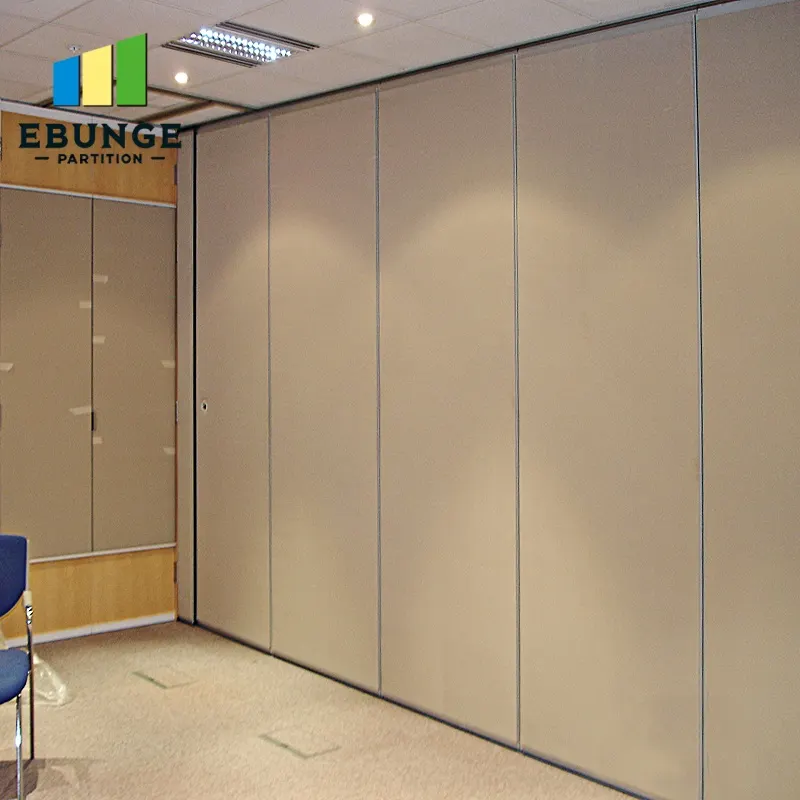
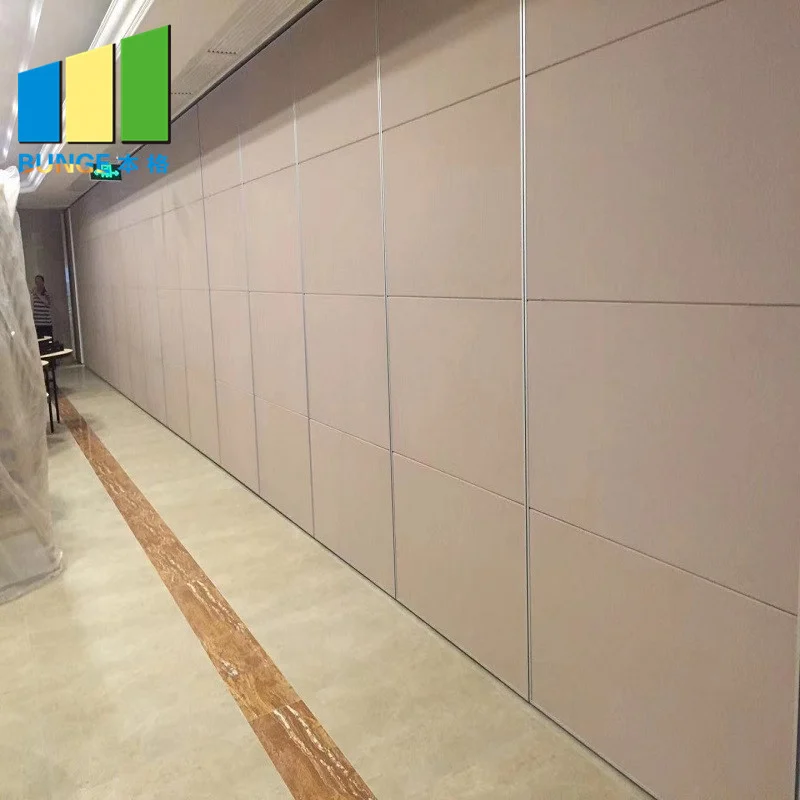
Movable partition panels are individually movable, suspended from a top track, cross the opening without a floor track, and park at a planned stacking position. That operating logic creates interfaces that cross traditional discipline boundaries. The track belongs to the partition scope, but its support may belong to structure. The stacking position belongs to the layout, but its clearance may belong to services or finishes.
When those interfaces are not explicitly accepted, the drawing set can look complete while hiding unresolved dependencies. The failure is rarely a single wrong number. The suitability of each route and parking arrangement depends on the approved layout, circulation, ceiling interfaces and operating sequence.
Define the Three Assumption Types Before Drawing Issue
Coordination scope: architect coordination assumption handover acceptance criteria movable partition.
Before a partition assumption is passed between disciplines, classify it. Classification tells the receiving party what evidence they need and what they are accepting.
Track assumptions
A track assumption covers the overhead route, its continuity across the opening, and the support condition above it. Because panels are top-hung and cross the opening without a floor track, the overhead route must be continuous and connected wherever movement is proposed. A track assumption is not fit to pass until the route and its support interface are identified for project-specific review.
Stack assumptions
A stack assumption covers where panels park when the room is open. Parking style is customized to the customer layout and project requirements, and may support compact stacking when the coordinated design permits it. The assumption must state the intended stacking position and the clear space reserved for it.
Ceiling assumptions
A ceiling assumption covers the relationship between the partition head, the ceiling plane and any adjacent construction. It should state what is fixed, what is removable, and what must remain clear for the partition to operate as drawn.
A Numbered Handover Process for Design Teams
Checklist focus: architect coordination assumption handover acceptance criteria movable partition.
- Register the assumption. Write it as a single sentence with an owner, a date and a status.
- Attach the layout evidence. Reference the plan or reflected ceiling plan that shows the straight, turning and stacking routes.
- State the receiving discipline. Name who must accept the assumption and what they are accepting.
- Define the acceptance test. Describe the check that proves the assumption is true, not the outcome it hopes for.
- Record the confirmation boundary. Note what remains project-specific and must be confirmed before fabrication or installation.
- Issue only accepted assumptions. Unaccepted assumptions stay on a coordination log, not on a drawing issue.
Acceptance Criteria Checklist for Track, Stack and Ceiling
Review focus: architect coordination assumption handover acceptance criteria movable partition.
Use this checklist as a gate. An assumption passes only when every applicable line is answered or explicitly deferred.
- Is the overhead route shown as continuous and connected wherever panels are proposed to move?
- Is the support interface identified for project-specific structural review?
- Is the stacking position shown on the layout, with clear space reserved?
- Are straight, turning and stacking routes reviewed from the layout rather than assumed?
- Is the ceiling interface described, including what must remain clear?
- Are pass-door requirements identified where a pass door is required?
- Are finish selections recorded from confirmed options such as laminate, melamine, fabric, leather, glass and other approved surfaces?
- Is the acoustic intent stated as a project requirement to be confirmed, rather than a promised result?
- Is the acceptance owner named, with a date and status?
Evidence Boundaries: What a Drawing Cannot Prove
Project review term: architect coordination assumption handover acceptance criteria movable partition.
A drawing can show intent. Those require matching project-specific evidence. Do not derive hidden performance from a visible shape, finish or line on a plan.
Where acoustic separation matters, state it as a project requirement and confirm it through the appropriate project-specific route.
An assumption is fit to pass only when the receiving discipline can see what they are accepting, how it will be checked, and what remains open.
Compact Comparison: Assumption Status and Handover Action
Coordination scope: architect coordination assumption handover acceptance criteria movable partition.
| Status | Meaning | Handover action |
|---|---|---|
| Open | No owner or evidence attached | Keep on coordination log; do not issue |
| Under review | Owner named; acceptance test defined | Circulate to receiving discipline |
| Accepted with boundary | Check passed; project-specific items listed | Issue with the boundary note attached |
| Superseded | Layout or scope changed | Reopen and re-test before issue |
Coordinating Finishes, Pass Doors and Documentation
Finish assumptions are often treated as cosmetic, but they affect coordination. Confirmed finish options include laminate, melamine, fabric, leather, glass and other approved surfaces. The assumption should record which option is intended and whether the receiving discipline needs to coordinate adjacent finishes or tolerances.
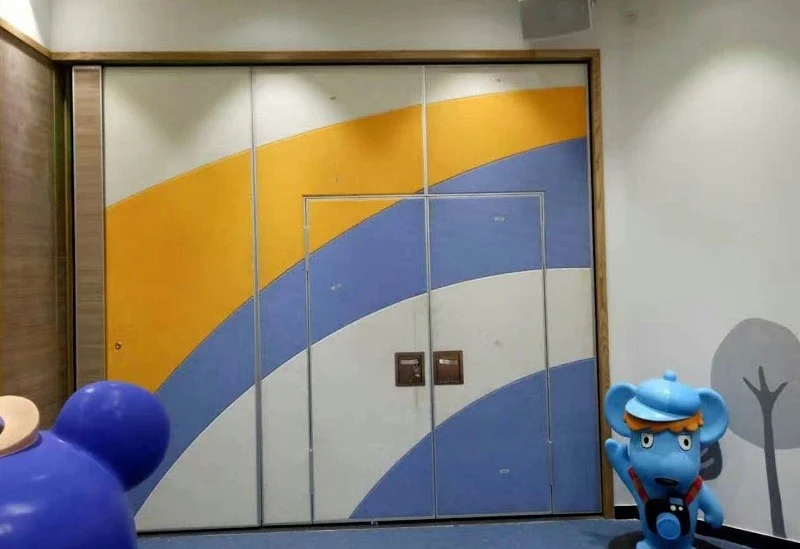
Pass-door requirements and project documentation can be discussed with the partition supplier. Where a pass door is required, it should be identified in the assumption register so that the opening, route and interface are reviewed together rather than added late.
For maintained product context, see the movable walls product page. For planning resources, see the resources library. To discuss a specific project, contact the team.
Frequently Asked Questions
What is an assumption handover acceptance criterion for a movable partition?
It is a written test that proves a design assumption is true before it passes from one discipline to another. It names the owner, the evidence, the check and the remaining project-specific boundary.
Can a movable partition cross an opening without a floor track?
Yes. EBUNGE movable partition panels are top-hung and cross the opening without a continuous floor running track or floor hardware along the partition line. The overhead route must still be continuous and connected wherever movement is proposed, and support requires project-specific review.
How should stacking be coordinated at design stage?
Parking style is customized to the customer layout and project requirements and may support compact stacking when the coordinated design permits it. The stacking position and its clear space should be shown on the layout and accepted by the relevant disciplines.
Can a drawing prove acoustic performance?
No. Visible references can support layout discussion but do not verify hidden construction or performance.
Which finishes can be recorded in the assumption register?
Confirmed options include laminate, melamine, fabric, leather, glass and other approved surfaces. The register should record the intended option and any adjacent finish coordination.
When should pass-door requirements be raised?
As early as possible. Pass-door requirements and project documentation can be discussed with the supplier so the opening, route and interface are reviewed together.
Conclusion: Issue Only What Has Been Accepted
A design-phase assumption is not a commitment. It becomes one when it is issued without an acceptance test.
Every project still requires its own support, acoustic and dimensional confirmation. Use the framework as a coordination discipline, not as a substitute for project-specific review.
To discuss track, stack, ceiling or pass-door assumptions for a specific project, contact EBUNGE.