
Quick answer: assumption challenge response timeframe register
Review focus: assumption challenge response timeframe register.
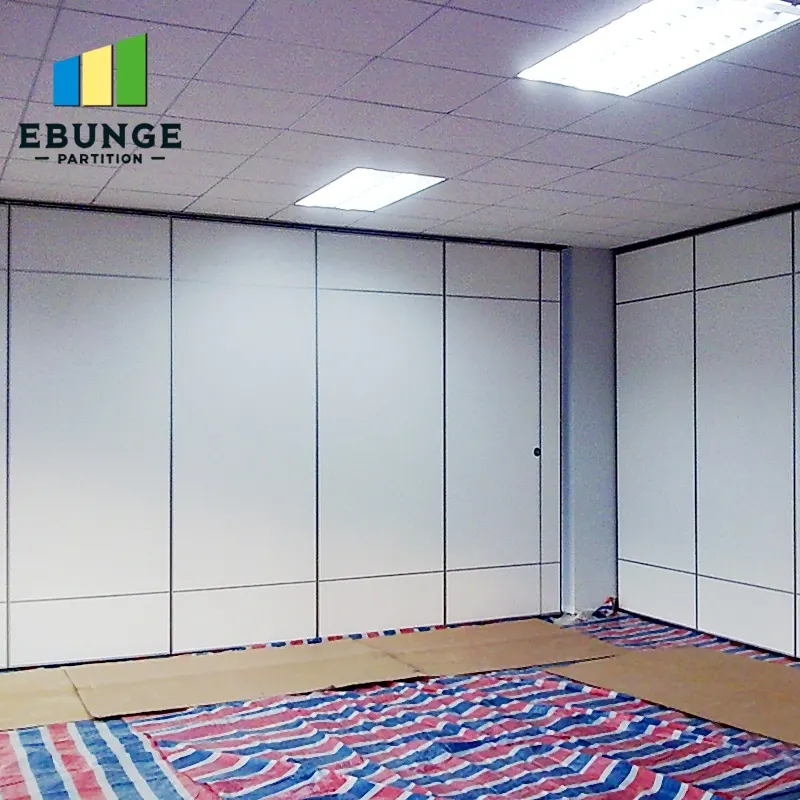
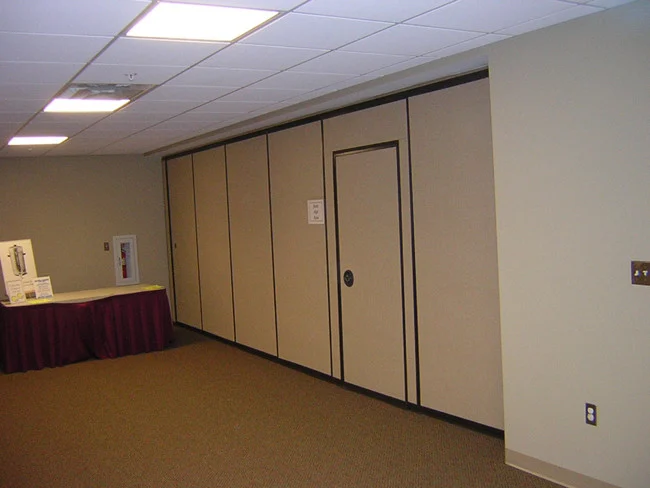
An architect coordination assumption challenge response timeframe register movable partition is a design-phase log that records every contested interface assumption and the time each discipline commits to answering it. Movable partition panels are individually movable, suspended from a top track, cross the opening without a floor track, and park at a planned stacking position. Because those routes touch structure, ceiling and adjacent trades, unresolved assumptions can stall drawing issue. This register keeps challenges visible and time-bound.
Why a Response Timeframe Register Matters
Project review term: assumption challenge response timeframe register.
Movable partition coordination fails quietly when assumptions sit in email threads. The suitability of each route and parking arrangement depends on the approved layout, circulation, ceiling interfaces and operating sequence. A stacking position may be shown on plan while the ceiling zone has not been checked for services. Each discipline assumes another will resolve it.
A register does not replace drawings or engineering review. It creates a single place where contested assumptions are named, owned and dated. The goal is not to force answers, but to make the absence of an answer visible before drawings are issued.
What Counts as a Contested Assumption
Coordination scope: assumption challenge response timeframe register.
Not every coordination item needs a challenge. The exact overhead route and support arrangement must be confirmed by the responsible project team from coordinated drawings.
Track and support interfaces
The exact route, junction arrangement, continuous overhead path and parking position must be confirmed from the coordinated project drawings.
Stack and parking decisions
Parking style is customized to the customer layout and project requirements. Contested items include where panels park, whether the stacking zone conflicts with doors, glazing or services, and whether the coordinated design permits compact stacking. These are project-specific decisions, not default assumptions.
Ceiling and finish interfaces
Confirmed finish options include laminate, melamine, fabric, leather, glass and other approved surfaces. Contested items include ceiling pockets, finish transitions, and whether the ceiling zone can accommodate the track and stacking arrangement without conflicting with other trades.
Register Format: Columns and Definitions
Checklist focus: assumption challenge response timeframe register.
Use a simple table that can be reviewed in coordination meetings. Keep each row specific to one assumption. Avoid combining track, stack and ceiling issues in a single line.
| Column | What to record | Why it matters |
|---|---|---|
| Assumption ID | A unique reference, e.g. TRK-01 | Allows traceability in drawings and minutes |
| Discipline | The party that must answer | Creates clear ownership |
| Contested item | Track route, stack position, ceiling zone or finish interface | Keeps the challenge specific |
| Current assumption | What the drawing currently shows | Exposes the gap between drawing and confirmation |
| Evidence required | Drawing, calculation, survey or written confirmation | Prevents verbal assumptions from closing the item |
| Response timeframe | Agreed working days for a response | Makes delay visible before issue |
| Status | Open, answered, or escalated | Supports review discipline |
How to Set Response Timeframes
Response timeframes are project commitments, not product claims. They should be agreed by the disciplines involved and recorded in the register. A timeframe is not a promise that the answer will be positive; it is a commitment to respond.
- List every contested assumption before the next drawing issue.
- Assign one owner per assumption, not a group.
- Agree a working-day response window with that owner.
- Record the date the challenge was raised.
- Review open items at each coordination meeting.
- Escalate any item that passes its response window.
Keep the register short enough to review in one sitting. If it grows beyond a page, split it by discipline or by drawing package.
Evidence Notes and Boundaries
This register is a coordination tool. Those require project-specific review by the responsible disciplines.
Evidence note: a drawing that shows a track route is not evidence that the route is supported. A finish sample is not evidence of acoustic performance. A parking position on plan is not evidence that the stacking zone is clear of services.
Project-specific acoustic requirements must be confirmed with the responsible acoustic specialist.
Using the Register Before Drawing Issue
Before issuing drawings, run a short check. Every open assumption should have an owner and a response timeframe. Every answered assumption should have written evidence attached. Every escalated assumption should be noted in the drawing issue transmittal.
This workflow helps architects and specialist suppliers avoid the common failure where a track, stack or ceiling decision is left to be resolved on site. It also gives contractors a clear view of which interfaces are still live.
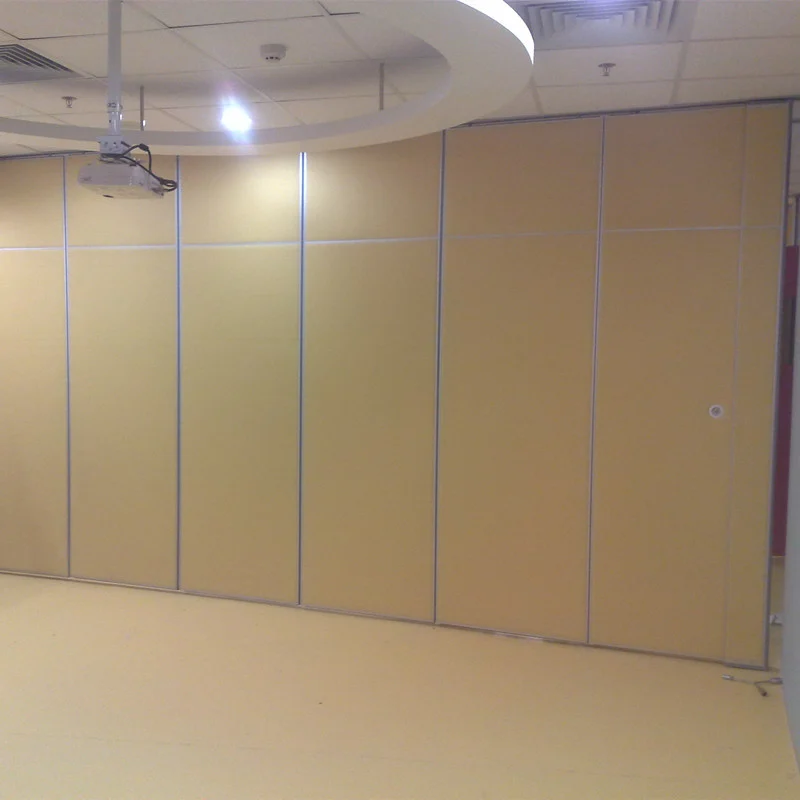
For product context, see the movable walls range. For general planning material, visit the resources page. To discuss pass-door requirements, project documentation or a specific layout, contact the team.
Frequently Asked Questions
What is an assumption challenge response timeframe register?
It is a design-phase log that records contested interface assumptions, the discipline responsible for answering, and the working-day timeframe agreed for a response before drawings are issued.
Which assumptions should be logged for movable partition walls?
Log track route and support conditions, stacking and parking positions, ceiling zones, finish interfaces, and any assumption where two or more disciplines could reasonably disagree.
Does the register confirm structural or acoustic performance?
No. It tracks coordination responses.
Can movable partitions cross a gap without a track?
No. Panels are suspended from a top track and require a continuous connected overhead route. Every proposed movement path needs project-specific support review.
How should response timeframes be agreed?
Each discipline should commit to a working-day response window for the assumptions it owns. The register records the commitment; it does not guarantee a particular outcome.
When should the register be reviewed?
Review it at each coordination meeting and immediately before any drawing issue. Escalate any item that passes its agreed response window.
Conclusion
A response timeframe register turns contested track, stack and ceiling assumptions into visible, owned items. It does not replace engineering, acoustic or dimensional review.
To discuss project-specific support, acoustic and dimensional requirements, contact EBUNGE.