
When you are preparing a budget for a conference room project, acoustic partition wall cost factors for office meeting rooms can feel like a moving target. As a building material distributor, you need to give your clients clear estimates without overpromising. The reality is that the final price depends on a set of technical and logistical variables that are often overlooked until the quotation stage. This guide breaks down those factors from a distributor’s perspective, helping you ask the right questions, evaluate supplier quotations, and guide your customers toward a practical investment.
Direct answer: Acoustic partition wall cost factors for office meeting rooms are primarily driven by the opening size, acoustic performance target, finish selection, hardware (especially top-hung track systems), installation complexity, and project-specific requirements like drawings and delivery logistics. As a distributor, you can prepare a reliable budget by collecting key project details early and comparing quotations on a like-for-like basis.
Acoustic Partition Wall Cost Factors: Why the Quotation Process Matters for Your Budget
Distributors often face a common challenge: clients expect a quick price, but the acoustic partition wall cost factors for office meeting rooms are not one-size-fits-all. A quotation is only as accurate as the information you provide. If you miss the opening width, ceiling height, or acoustic target, the supplier may quote for a standard product that does not meet the project’s needs, leading to costly changes later. Taking the time to gather complete project data before requesting a quote helps you avoid surprises and builds trust with your clients.
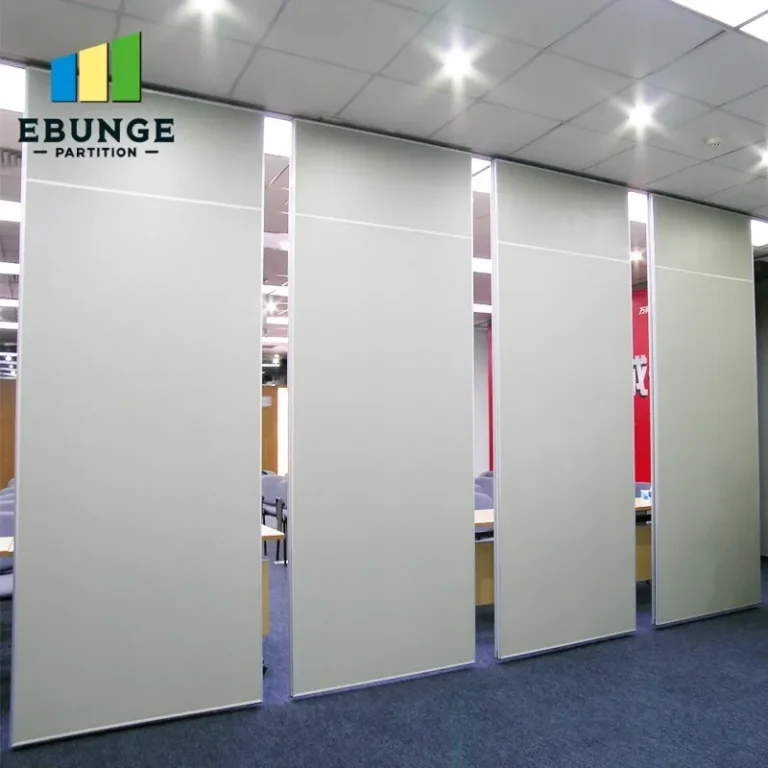
Need help turning the acoustic partition wall cost factors requirements into a practical project layout?
Key Technical Requirements That Shape the Price
Several technical specifications directly influence the cost of an acoustic partition wall. Understanding these will help you evaluate whether a quotation is competitive or simply cheap.
Opening Size and Configuration
The width and height of the opening determine the number of panels, the track length, and the complexity of the system. A standard rectangular opening is more economical than an irregular or angled one. Also, consider if the partition needs to stack neatly into a pocket or against a wall – this affects the stacking space and hardware requirements.
Acoustic Performance Target
Acoustic ratings (such as Rw or STC) are not universal. A higher rating requires more mass, better seals, and sometimes double glazing, all of which increase material and engineering costs. Clarify the desired acoustic performance with your client early. If they only need basic sound reduction for a huddle room, you can save costs compared to a full-performance conference room partition.
Finish and Aesthetics
Finishes range from basic laminate to wood veneer, fabric, or even writable surfaces. Custom colors or materials may require longer lead times and higher costs. Also, consider the integration with the existing interior design – a seamless look might require additional trim or custom panel sizes.
Hardware: The Heart of a Movable Partition Wall
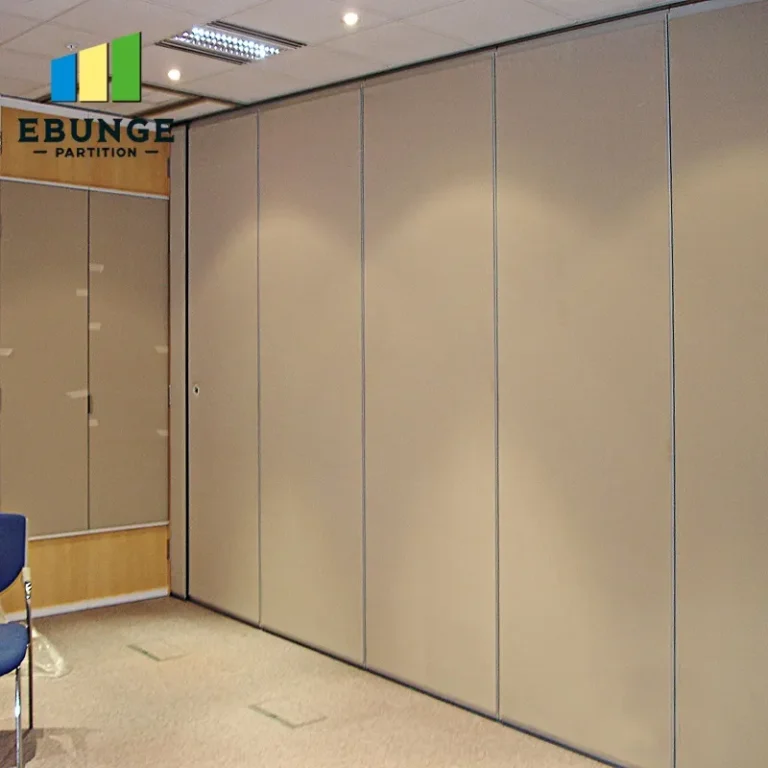
For a conference room, a movable partition wall often relies on a top-hung track system. This system supports the panels from above, eliminating the need for a floor rail. While this is a premium feature, it affects cost in several ways:
- Track type and length: The track must be rated for the weight and length of the partition. Longer spans require stronger, more expensive tracks.
- Panel weight: Heavier panels (due to acoustic insulation or finish) require more robust trolleys and seals.
- Operation mechanism: Manual systems are less expensive than motorized ones, but motorized options may be necessary for very heavy panels or frequent use.
As a distributor, you should always confirm that the supplier’s quotation includes the complete hardware package – track, trolleys, seals, and handles – to avoid hidden extras.
Installation Complexity and Site Conditions
Installation is a significant part of the total cost of ownership. The complexity depends on the site’s structural readiness. For example, can the ceiling support the weight of the partition? Is there a flat, level floor? Are there obstacles like sprinklers or ductwork that require adaptation? A pre-installation site survey is essential, but it may come at a cost. Some suppliers include it in the quotation, while others charge separately. Always ask.
Total Cost of Ownership: Beyond the Initial Quotation
Distributors must help clients look beyond the purchase price. The acoustic partition wall cost factors for office meeting rooms also include maintenance, durability, and warranty coverage. A cheaper system might have seals that wear out quickly, leading to frequent replacements. A durable system with a good warranty may cost more upfront but save money over time. Also, consider the ease of operation – a system that is difficult to move may be used less, reducing its value.
Share the opening, drawings, finish direction, and privacy target for a project-specific review.
How to Compare Supplier Quotations Effectively
When you receive quotations from different suppliers, they may not be directly comparable. To make an informed decision, create a comparison table that includes the following items:
| Item | Supplier A | Supplier B |
|---|---|---|
| Opening size (W x H) | 6m x 3m | 6m x 3m |
| Acoustic rating (Rw) | Rw 42 | Rw 45 |
| Finish type | Laminate | Wood veneer |
| Track system | Top-hung, manual | Top-hung, motorized |
| Installation inclusive? | Yes | No (extra) |
| Warranty | 2 years | 5 years |
| Delivery timeline | 4 weeks | 6 weeks |
| Price | Contact for quote | Contact for quote |
This table helps you see what is included in each price and highlights any missing details. Always ask for a breakdown of costs, including delivery and installation, to avoid surprises.
Practical Checklist for Distributors Before Requesting a Quote
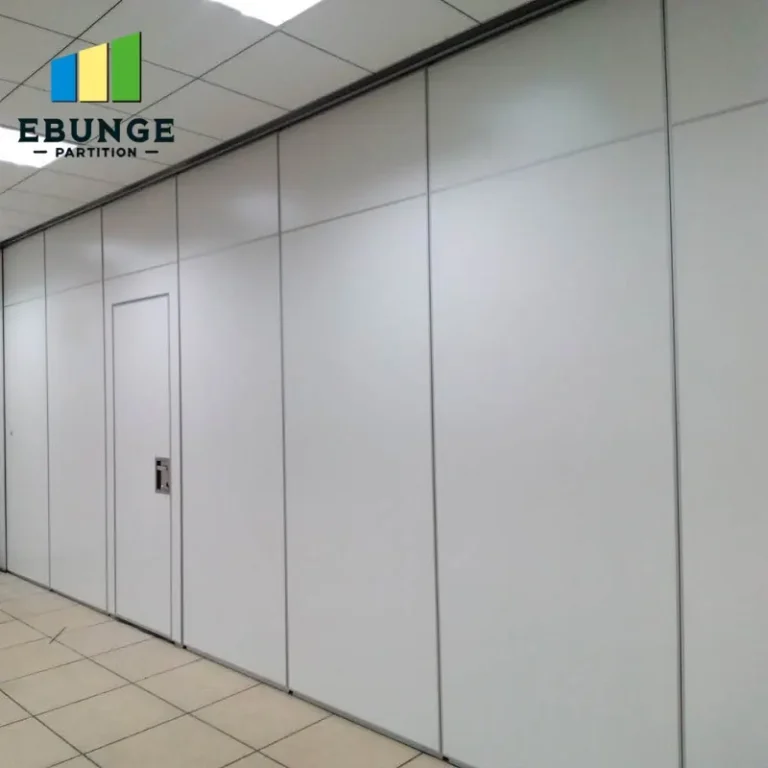
To get accurate quotations, use this checklist when speaking with your client:
- Exact opening width, height, and depth (if any).
- Ceiling height and structural details (e.g., concrete or steel).
- Required acoustic rating (if specified in the project brief).
- Preferred finish and color scheme.
- Access to the site for delivery and installation (e.g., crane, lift).
- Project timeline and any milestones.
- Compatibility with existing walls, floors, and ceiling.
By providing these details, you enable suppliers to give you a more precise quotation, reducing the risk of change orders later.
How to Guide Your Client Toward the Right Decision
Your role as a distributor is not just to sell a product but to be a trusted advisor. When discussing acoustic partition wall cost factors for office meeting rooms, help your client prioritize their needs. If budget is tight, suggest a standard finish and a manual operation. If acoustic performance is critical, invest in a higher-rated system. Also, discuss the long-term benefits of a durable system, such as reduced maintenance and better warranty coverage. This approach builds loyalty and positions you as an expert in movable partition wall solutions.
Common Questions Distributors Ask About Acoustic Partition Costs
1. What is the most significant cost factor for an acoustic partition wall?
The opening size and the acoustic performance target are usually the biggest drivers. Larger openings require more materials and hardware, while higher acoustic ratings demand more complex construction.
2. Are top-hung track systems more expensive than floor-mounted systems?
Top-hung track systems are generally more expensive due to the need for a stronger ceiling structure and more robust hardware. However, they offer a cleaner look and easier floor maintenance, which can be a worthwhile investment for premium conference rooms.
3. How can I reduce the cost of a movable partition wall?
Consider standard sizes, simpler finishes, and manual operation. Also, ensure that the opening is rectangular and free of obstructions. Getting multiple quotations and negotiating on delivery timelines can also help.
4. What should I check in a supplier’s warranty?
Look at the coverage for parts and labor, the warranty period, and any exclusions. A warranty that covers seals and moving parts is valuable, as these are the most likely to wear out.
5. How far in advance should I order an acoustic partition?
Lead times vary, but typically you should allow 4-8 weeks from order to delivery, depending on the complexity and the supplier’s schedule. Always confirm the delivery timeline in writing.
Conclusion: Prepare for a Transparent Quotation Process
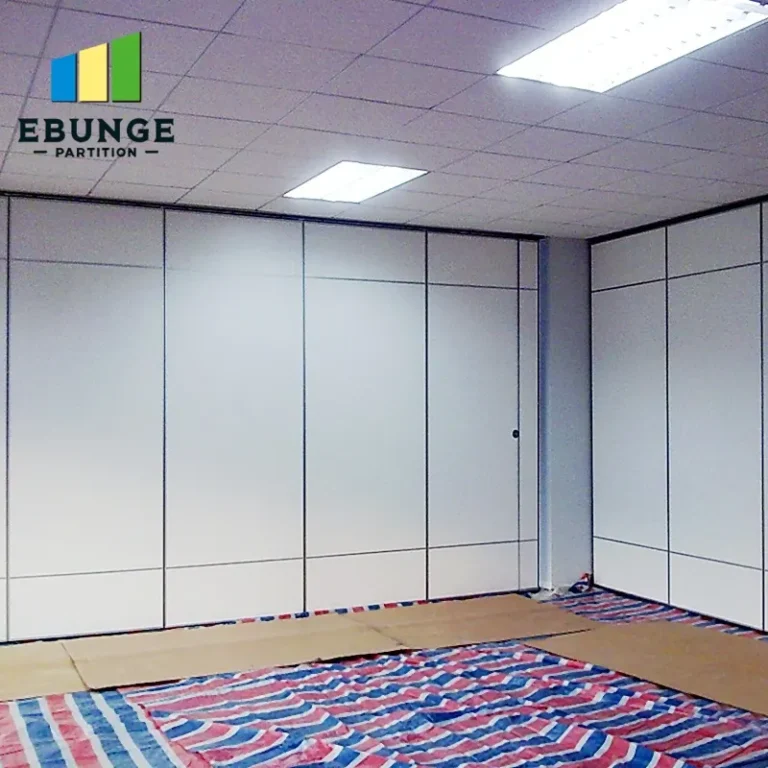
Understanding the acoustic partition wall cost factors for office meeting rooms is essential for any distributor. By focusing on technical requirements, installation complexity, and total cost of ownership, you can provide your clients with accurate expectations and avoid costly surprises. Remember to gather all necessary project details, compare quotations fairly, and guide your clients toward a solution that balances performance and budget. For more insights, explore our blog articles on partition walls, or check our Movable Partition Cost category for further guidance. If you are ready to discuss a specific project, contact us for personalized support.
Send the opening size and drawings to discuss a differentiated acoustic partition wall cost factors solution.