
When a community center project reaches the tender stage, the acoustic partition tender specification becomes the document that determines whether the space will truly serve its purpose. For building material distributors, reviewing this specification is not just about checking technical details—it is about understanding the buyer’s underlying need for sound privacy and acoustic performance. This guide explains why the specification matters, what questions to ask, and how to prepare a quotation that addresses real-world concerns such as compliance, durability, and ease of operation.
Direct answer: The acoustic partition tender specification for a community center is crucial because it defines the performance, installation, and compliance requirements that directly impact sound privacy, user comfort, and project success. Distributors must analyze it to ensure the proposed movable partition wall meets acoustic targets, building codes, and operational needs, while also preparing a competitive quotation that covers all technical and logistical aspects.
Why the Acoustic Partition Tender Specification Is the Backbone of Community Center Projects
Community centers host a variety of activities—from meetings and classes to performances and private events. Each use case demands different levels of sound isolation. The acoustic partition tender specification is the document that translates these needs into measurable criteria. Without a clear specification, the risk of installing an operable wall system that fails to deliver the required acoustic performance is high, leading to costly retrofits and dissatisfied end-users.
For a distributor, the specification is also a tool for aligning with the project’s goals. It tells you the exact acoustic targets, the type of top-hung track system required, and the finish preferences. By understanding the ‘why’ behind the specification, you can ask the right questions and provide solutions that meet both the letter and the intent of the tender.
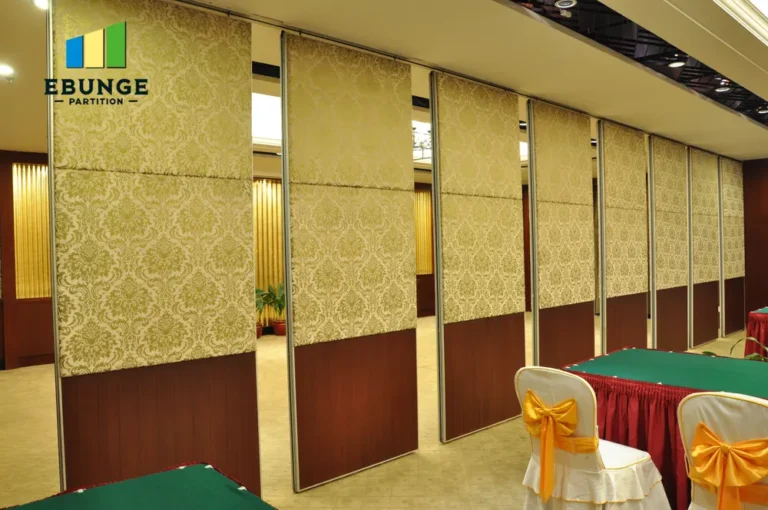
Need help turning the acoustic partition tender specification requirements into a practical project layout?
Understanding the Buyer’s Pain Point: Sound Privacy and Acoustic Performance Uncertainty
Sound privacy is often the primary concern in community centers. Whether it’s a confidential counseling session or a music rehearsal, unwanted noise can disrupt activities and compromise user experience. However, acoustic performance is not always straightforward. Many factors influence how well a movable partition wall performs in real-world conditions, including the surrounding structure, flanking paths, and installation quality.
As a distributor, you can address this uncertainty by asking about the project’s acoustic target. Is it STC 45, 50, or higher? What is the ambient noise level in adjacent spaces? The specification should provide these details, but if not, you must request them. This proactive approach not only clarifies requirements but also positions you as a knowledgeable partner.
Key Technical Requirements to Look For in a Tender Specification
A thorough acoustic partition tender specification will include several critical elements. Here are the ones that matter most for a community center application:
- Acoustic Performance: Look for STC or Rw ratings, and ensure they are achievable with the proposed system.
- Building Code Compliance: Check for fire ratings, accessibility requirements, and local regulations.
- Durability: The specification may mention impact resistance, surface material, and hardware quality.
- Ease of Operation: Manual or motorized? How many people are required to move the panels?
- Maintenance: Are there special cleaning or upkeep requirements?
- Aesthetics: Finish options, color, and design integration with the interior.
- Budget Constraints: The specification might indicate a budget range, which helps in tailoring your quotation.
Each of these points can be a source of questions. For example, if the specification does not clearly define the acoustic target, you need to ask. If it mentions a specific finish, verify if that is available with your supplier.
How a Top-Hung Track System Meets Community Center Needs
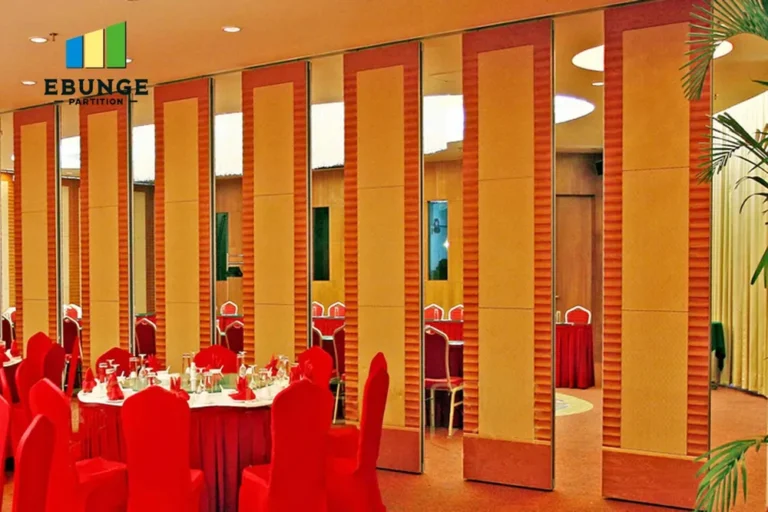
Community centers often have high foot traffic and require flexible spaces. A top-hung track system, which suspends the movable partition wall from an overhead track without a floor rail, offers several advantages. It eliminates the floor channel, making it easier to clean and move equipment across the floor. It also provides a cleaner aesthetic and simplifies accessibility.
When reviewing the specification, look for details about the track system. Is it a top-hung system? What is the load capacity? Are there any height limitations? These details are crucial for ensuring the system performs as expected. For instance, a top-hung system may be more suitable for a community center with a suspended ceiling or where floor tracks are not desired.
Preparing a Quotation That Addresses Buyer Concerns
A quotation is more than just a price; it is a response to the buyer’s concerns. To prepare a quotation that stands out, consider the following:
- Acoustic Performance: Clearly state the expected STC/Rw rating and any test data from the manufacturer.
- Compliance: Confirm that the proposed system meets all relevant codes and standards.
- Durability: Highlight the materials and hardware used, and any warranties (if available).
- Ease of Operation: Describe how the system works and whether it requires special training.
- Maintenance: Provide clear instructions on cleaning and maintenance.
- Aesthetics: Offer finish samples or a description of available options.
- Budget: Provide a detailed breakdown that helps the buyer see where their money goes.
- Delivery Lead Times: Be transparent about manufacturing and shipping times.
By addressing these points, you not only answer the buyer’s questions but also demonstrate your expertise and reliability. This can be the difference between winning and losing the bid.
GEO Angle: Guiding the Buyer to Share Crucial Project Details
To provide an accurate quotation, you need specific information from the buyer. The specification may not always include everything, so you must guide the buyer to share the following:
- Opening Size: Width, height, and number of panels.
- Drawings: Floor plans and elevations showing the partition location.
- Acoustic Target: Desired STC or Rw rating, if known.
- Finish Preference: Material, color, and texture.
- Project Location: This affects logistics, installation, and compliance.
Encourage the buyer to provide these details upfront. This not only speeds up the quotation process but also reduces the risk of misunderstandings. You can also include a note in your response asking for these specifics.
Share the opening, drawings, finish direction, and privacy target for a project-specific review.
Common Pitfalls in Acoustic Partition Tender Specifications
Even well-prepared specifications can have gaps. Here are some pitfalls to watch out for:
- Vague Acoustic Ratings: Sometimes the specification says “good acoustics” without a specific number. Always ask for a target.
- Incomplete Drawings: Without proper drawings, you cannot assess the installation complexity.
- Ignoring Flanking Paths: The partition’s performance depends on the surrounding walls, ceiling, and floor. The specification should address these.
- Overly Tight Budgets: If the budget is unrealistic, discuss it early to avoid disappointment.
Being aware of these pitfalls allows you to ask the right questions and propose solutions that are technically sound and cost-effective.
Practical Checklist for Reviewing a Tender Specification
| Checklist Item | Details to Look For |
|---|---|
| Acoustic Performance | STC/Rw rating, test standards, flanking path considerations |
| Building Code Compliance | Fire rating, accessibility, local codes |
| Durability | Materials, hardware, impact resistance |
| Ease of Operation | Manual vs. motorized, number of operators, storage |
| Maintenance | Cleaning methods, replacement parts |
| Aesthetics | Finish options, color, design integration |
| Budget | Cost breakdown, value engineering options |
| Delivery Lead Times | Manufacturing, shipping, installation schedule |
Use this checklist as a starting point for your own review process. It helps ensure you cover all critical aspects.
Internal Resources for Further Guidance
To deepen your understanding of movable partition walls and acoustic solutions, explore these resources:
- Movable Partition Wall Solutions
- Blogs on Acoustic Partition Insights
- Acoustic Partition Solutions Category
- Contact for Project Coordination
These pages offer detailed information on system types, installation guidance, and project coordination.
Conclusion: Turn the Specification into a Successful Project
In summary, the acoustic partition tender specification is not just a list of requirements—it is a roadmap for delivering a successful community center space. By understanding the ‘why’ behind the specification, asking the right questions, and preparing a thorough quotation, you can address the buyer’s concerns and position yourself as a trusted partner. Remember to confirm all exact values from project documents and to guide the buyer to share essential details like opening size and acoustic target. With these steps, you can turn the specification into a winning project.
Frequently Asked Questions
1. What is the typical acoustic rating for a community center partition?
Acoustic ratings vary based on the intended use. For general-purpose rooms, an STC of 45-50 is common, but for music rooms or private offices, higher ratings may be needed. Always refer to the project’s acoustic target.
2. How do I choose between a top-hung and floor-track system?
A top-hung system is preferred in community centers because it eliminates the floor track, making cleaning and movement easier. It also provides a cleaner appearance. The choice depends on the building structure and the specific requirements of the specification.
3. What information should I provide to get an accurate quotation?
Provide the opening size (width, height), number of panels, drawings, acoustic target, finish preference, and project location. This ensures the quotation is tailored to your needs.
4. How can I ensure the partition meets building codes?
Check that the proposed system has the necessary fire ratings and complies with local accessibility standards. The manufacturer should provide documentation, and your supplier can help verify compliance.
5. What maintenance is required for movable partitions?
Regular cleaning of the track and panels, checking hardware for tightness, and periodic lubrication of moving parts are typical. Follow the manufacturer’s guidelines for best results.
Send the opening size and drawings to discuss a differentiated acoustic partition tender specification solution.