
Quick project answer
A acoustic partition supplier project review starts from the confirmed room layout and coordinated drawings.
Parking position is the first question that separates a quotation-ready acoustic partition supplier from one that will send revisions later. In a conference center, stacked panels occupy floor area when the room is open. Where those panels rest, how they align with adjacent rooms, and how the stacking zone relates to the layout all shape the drawing set you approve. Ask this before price, because parking affects the plan you compare.
What the current conference center layout tells a supplier
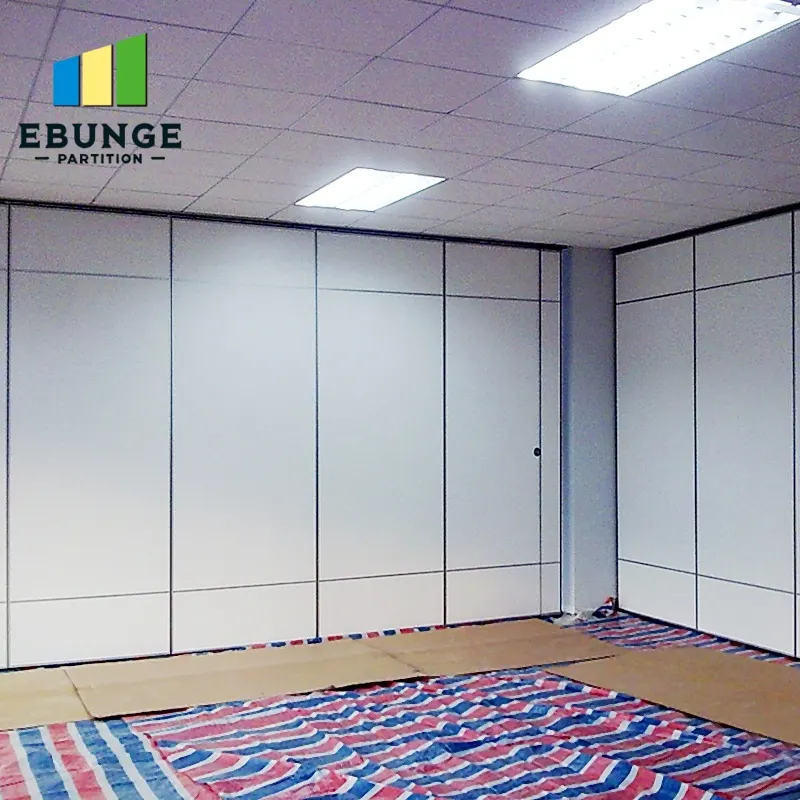
The acoustic partition supplier selection remains specific to the documented opening, track route, parking position and finish schedule.
Send the existing plan with every opening, column, and fixed wall marked. A supplier needs to see how the room operates today and where flexibility is required. The drawing should show the partition line and the space reserved for stacked panels. Without this, a quotation may assume a parking arrangement that does not fit your floor plate.
State whether the project is a new build or a retrofit. Retrofits often have fixed elements that limit where panels can rest. The supplier should confirm which walls or zones are available for parking before proposing a track layout.
Which configurations must the partition support
For acoustic partition supplier, compare supplier proposals against the approved project inputs.
List the room combinations you intend to use. A conference center may need one large hall, two mid-size rooms, or several smaller meeting spaces. Each configuration changes how panels are divided and where they park when not in use.
Movable partitions can be used wherever flexible space division, combination, or reconfiguration is required. Application examples are not limiting, so describe your actual schedule rather than a generic list. The supplier can then check whether the parking area supports the configurations you named.
What belongs in the decision record before quotation
A decision record keeps the comparison fair. It should capture the layout, the configurations, the parking approach, and the finish direction in one place. When you ask an acoustic partition supplier for a price, that record becomes the baseline for every quote you receive.
Project note: parking position, track layout, and panel arrangement are coordinated decisions. They should be shown on drawings before a quotation is treated as final.
Ask each supplier to confirm in writing which items are included and which are excluded. This prevents a low figure from looking comparable to a complete one.
How parking style is coordinated with the layout
Ask where the panels travel and where they rest. The answer should appear on the drawing, not only in a written description. If the parking zone conflicts with a door, a service route, or a fixed feature, resolve it before approving the quotation.
Why the top-hung system changes the floor question
Finish direction and care questions to settle early
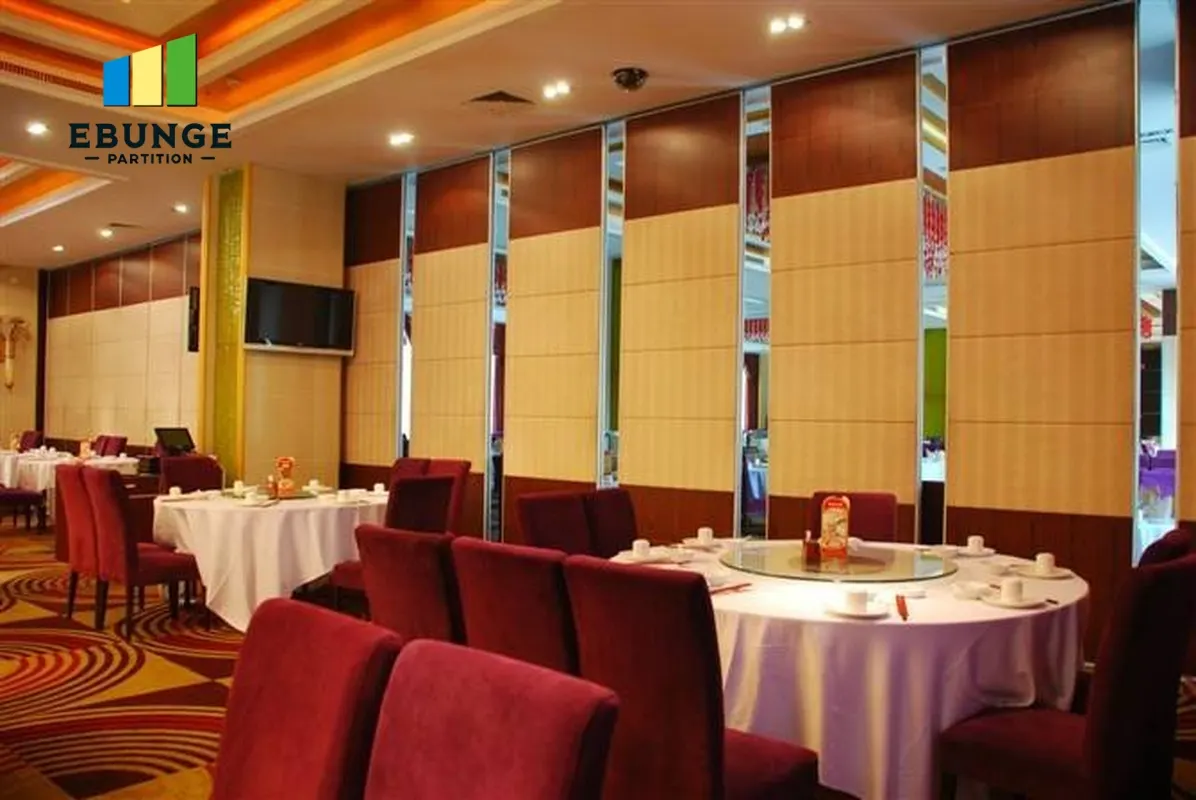
Request finish samples or references before approval. The finish affects both the appearance of the conference center and the care routine your team will follow. Record the selected finish in the decision record so the quotation reflects it.
Documents to prepare before requesting a quotation
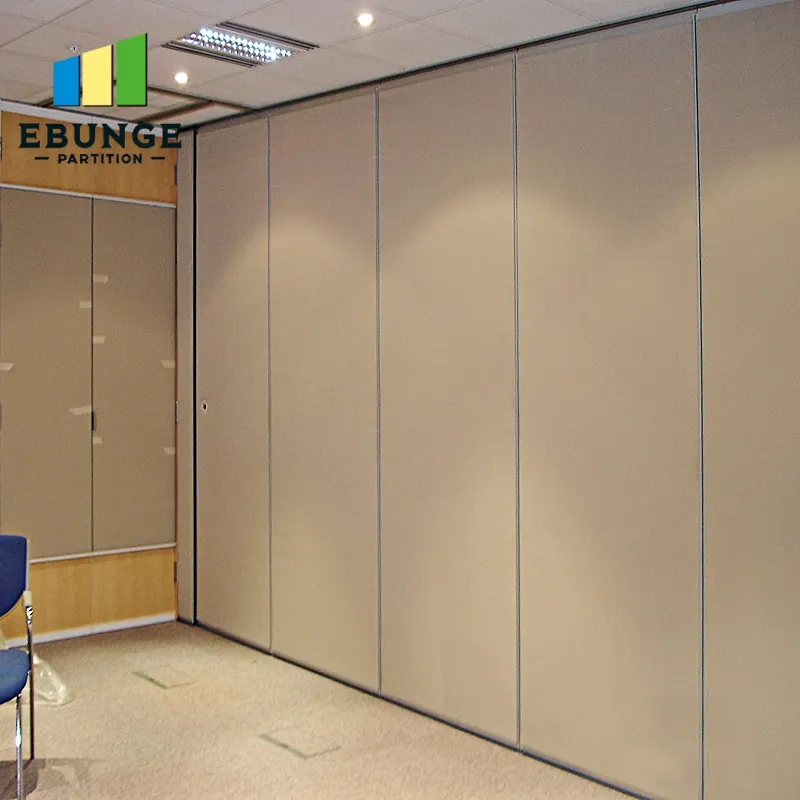
- Current floor plan with all openings and fixed elements marked.
- List of intended room configurations and their frequency of use.
- Proposed parking zone and any constraints on that area.
- Finish direction and any sample references you require.
- Drawing approval contact and the route for coordinated review.
When these items are ready, the comparison focuses on the proposal rather than on missing information.
Questions to ask about drawings and approvals
Ask what happens if the layout changes after approval. A clear revision path keeps the project record consistent. Record the answer alongside the quotation so later changes do not reopen settled questions.
Applications beyond the conference center
If your conference center shares a building with hotel functions, ask whether the same parking and drawing approach applies. The answer depends on the coordinated drawings for each space.
Frequently asked questions for conference center buyers
When should parking position be decided?
Before the quotation is finalized. Parking affects the layout, the track route, and the space available when panels are stacked, so it belongs in the coordinated drawings.
Does the top-hung system cut the finished floor?
Provide the current layout, opening dimensions, ceiling information, intended room use, and relevant project drawings for review. The exact overhead route and support arrangement must be confirmed by the responsible project team from coordinated drawings.
Can the finish be matched to the conference center interior?
Finish materials can be customized. Cleaning and maintenance methods vary with the selected finish, so ask for the care method that matches your choice.
What should be in the drawing package?
The coordinated drawings should show the parking position, track route, and panel layout. For Questions to Ask Before Buying Acoustic Partitions from a Factory, record the parking position and route in the coordinated drawings, including each junction and the overhead path.
Which documents speed up a supplier comparison?
The layout, intended configurations, parking zone, finish direction, and approval contact. With these, an acoustic partition supplier can quote against a consistent baseline.
For related reading, see our blogs and the movable partition wall overview. To discuss a specific conference center layout, contact us.