
When planning a school hall, acoustic partition solutions are often considered for their ability to divide space, but many buyers worry about sound privacy and acoustic performance. This FAQ guide answers common questions to help you make informed decisions and prepare for supplier inquiries. We focus on practical aspects like acoustic ratings, durability, operation, and customization, ensuring you have the technical details needed for quotation readiness. By the end, you’ll know what information to share with an acoustic partition solutions supplier, such as opening size, drawings, acoustic targets, finish preferences, and project location.
Direct Answer: Acoustic partition solutions for school halls are movable wall systems that provide flexible space division while addressing acoustic privacy. They typically use top-hung track systems without floor rails, allowing easy operation and unobstructed flooring. When choosing a system, focus on acoustic performance ratings, durability for high-traffic areas, ease of operation, maintenance, installation timeline, cost-effectiveness, customization, and safety standards. Always request detailed specifications and confirm all values from project drawings and quotations.
What Acoustic Performance Ratings Should I Look For?
Acoustic performance is usually measured by Sound Transmission Class (STC) or Rw (weighted sound reduction index). Higher ratings mean better sound insulation. For school halls, a rating of STC 40-50 is common, but the exact requirement depends on the hall’s use. For example, if the hall is used for music performances or exams, you may need a higher rating. Always confirm the required rating with your acoustic consultant or based on project specifications. The supplier should provide test data from accredited laboratories. Do not rely on assumptions; ask for the specific rating for the proposed partition configuration.
Remember, the acoustic performance of a partition also depends on the surrounding structure, such as walls, ceiling, and floor. The partition alone cannot guarantee a certain sound level if the flanking paths are weak. Therefore, discuss the entire assembly with your supplier and ensure proper sealing at perimeters and between panels.
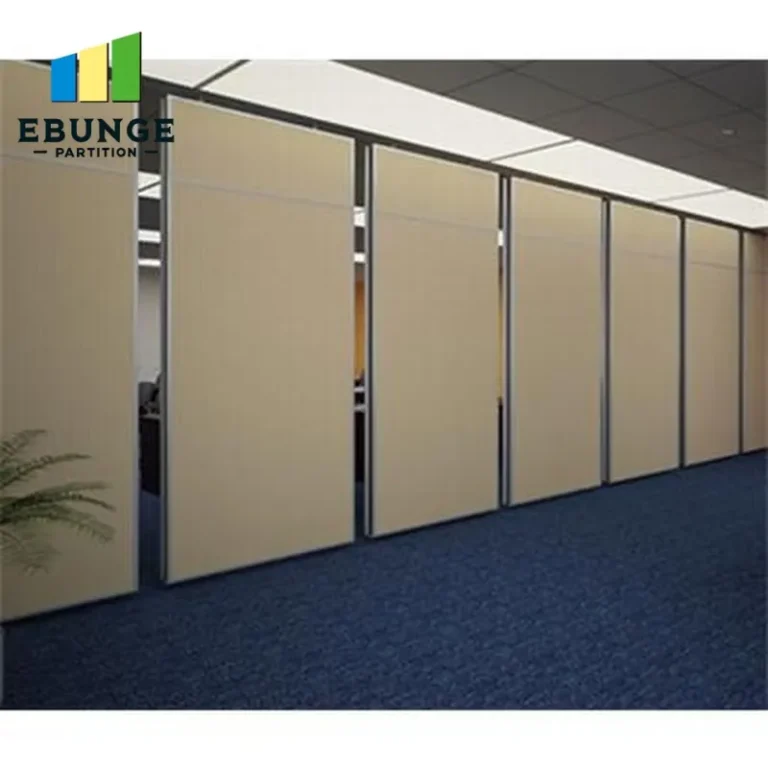
Need help turning the acoustic partition requirements into a practical project layout?
How Durable Are Movable Partition Walls in High-Traffic School Halls?
Durability is crucial in school environments where partitions are frequently moved and may be subject to impacts. Look for partitions with robust construction, such as steel or aluminum frames, and impact-resistant surfaces like laminate or melamine. The top-hung track system should be made of high-quality aluminum or steel, with smooth-running trolleys that can withstand heavy use. Ask about the cycle life of the system (e.g., number of open/close operations) and any warranty on moving parts. Also, consider the ease of replacing panels if they get damaged. A reputable supplier will provide details on materials and construction, but you should verify these with your own research or by requesting samples.
What Are the Benefits of a Top-Hung Track System Without a Floor Rail?
A top-hung track system suspends the entire weight of the partition from an overhead track, eliminating the need for a floor rail. This offers several advantages for school halls: it creates a flush floor surface, reducing trip hazards and allowing easy movement of trolleys and equipment. It also simplifies cleaning and maintenance. The absence of a floor rail means the partition can be stored compactly in a pocket or against a wall when not in use, maximizing flexible space. However, the building’s structure must be capable of supporting the weight, so a structural engineer should assess the ceiling. When discussing with a supplier, ask about the track type, minimum ceiling height, and any headroom requirements.
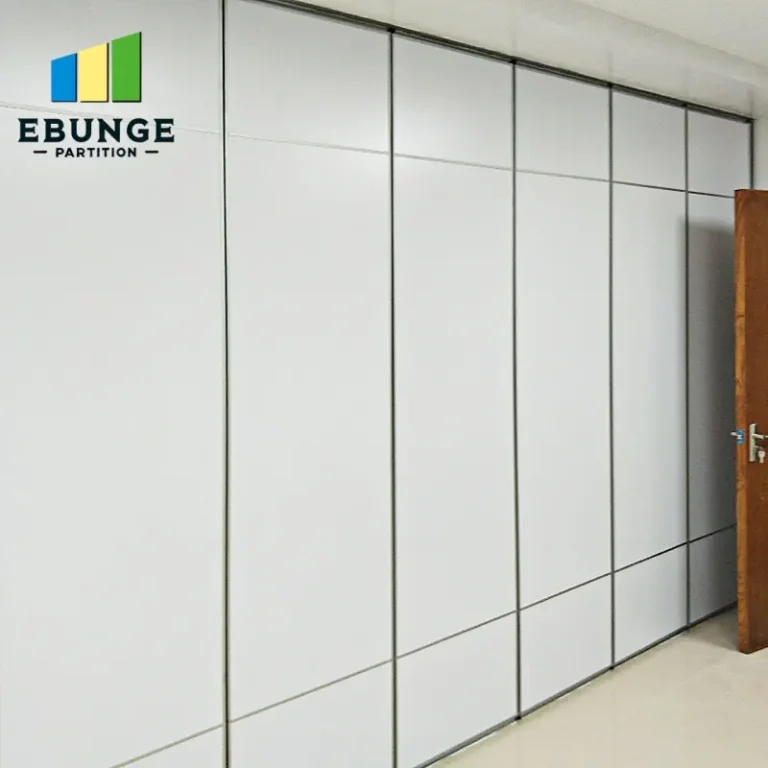
How Easy Is the Operation and What Maintenance Is Required?
Movable partitions should be easy to operate, even for non-technical staff. Look for systems with simple handles, locking mechanisms, and smooth gliding. Some systems have motorized options for larger panels. Ask about the force required to move the panels and whether they require any special tools. Maintenance typically involves regular cleaning of the track and panels, lubrication of moving parts, and inspection of seals. The supplier should provide a maintenance schedule and instructions. For school halls, it’s wise to choose a system with minimal maintenance needs, such as self-lubricating bearings and durable seals. Ensure that spare parts are readily available.
What Is the Typical Installation Timeline and Process?
The installation timeline depends on the size of the partition, site conditions, and the supplier’s schedule. Generally, installation can take a few days to a couple of weeks. The process involves site survey, structural assessment, installation of the track, and mounting of panels. It’s essential to discuss the timeline with your supplier early and plan for any disruptions. Ask about the number of installers, whether they handle all aspects, and if there are any prerequisites (e.g., ceiling preparation). Also, confirm that the installation team is experienced with school projects. To avoid delays, ensure that the site is ready and that all necessary approvals are in place.
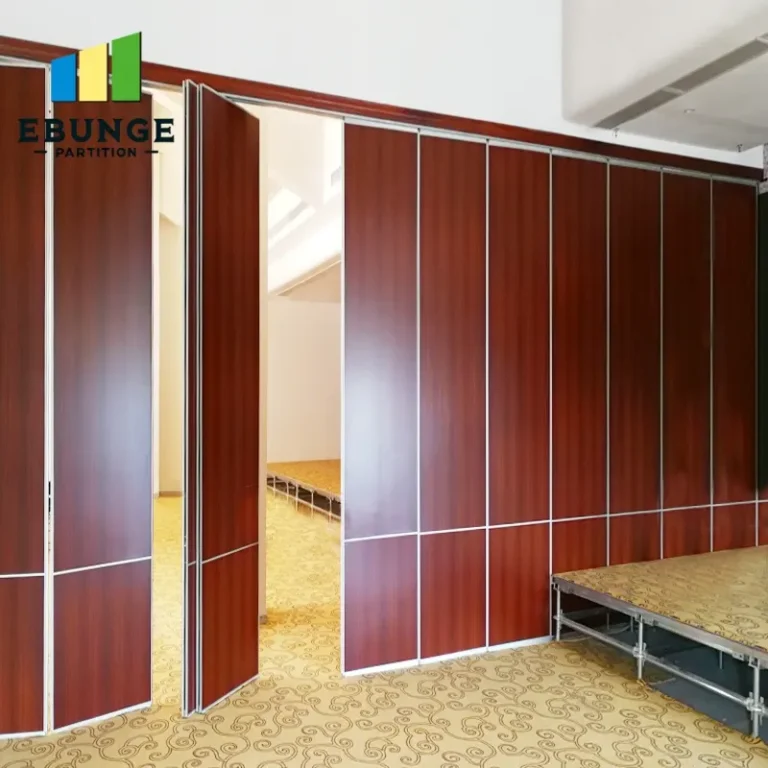
How Cost-Effective Are Acoustic Partitions Compared to Permanent Walls?
While the initial cost of a movable partition might be higher than a permanent wall, it offers long-term savings by maximizing usable space and flexibility. You can divide the hall into smaller rooms when needed, reducing the need for additional construction. However, the cost-effectiveness depends on how often you’ll use the partition. For a school hall that frequently hosts different activities, a movable wall can be a wise investment. When comparing quotes, consider not only the purchase price but also installation, maintenance, and potential energy savings. Ask for a detailed breakdown of costs, including hardware, panels, track, and installation. Also, inquire about any optional features that might increase cost, such as soundproofing upgrades or custom finishes.
Share the opening, drawings, finish direction, and privacy target for a project-specific review.
What Customization Options Are Available?
Acoustic partitions can be customized to match the aesthetic and functional needs of your school hall. You can choose from various finishes, such as whiteboard surfaces, chalkboard surfaces, or fabric panels in different colors. Sizes and configurations can be tailored to fit your opening dimensions, and you can opt for curved or angled panels if needed. For branding, you can add school logos or graphics. Discuss your preferences with the supplier, and ask for samples or mockups. Remember that customization may affect cost and lead time, so plan accordingly. Also, ensure that any custom features do not compromise the acoustic performance.
What Safety Standards Should Be Met?
Safety is paramount in schools. Ensure that the partition system complies with relevant building codes and safety standards, such as fire resistance, impact safety, and emergency egress. Ask the supplier for certificates or test reports. For example, the partition should have a fire rating that meets your local regulations. Also, check that the system is designed to prevent finger trapping and has smooth edges. The top-hung track should be securely fixed to the structure to prevent accidental detachment. Regular inspections and maintenance are crucial to keep the system safe. When in doubt, consult with a safety professional.
How to Prepare for a Supplier Inquiry
To get accurate quotes and technical advice, you need to provide detailed information to the supplier. Start by measuring the opening size (width, height, depth) and take photos. If possible, provide architectural drawings or floor plans. Specify your acoustic target (e.g., STC rating) and any finish preferences. Also, mention the project location and expected installation timeline. The more details you provide, the more precise the quotation will be. Use the following checklist to ensure you don’t miss anything:
Checklist for Supplier Inquiry
- Opening dimensions (width, height, depth)
- Architectural drawings (if available)
- Acoustic performance target (e.g., STC rating)
- Finish preferences (e.g., whiteboard, fabric, laminate)
- Number of panels and stacking options
- Operation method (manual or motorized)
- Project location and site conditions
- Expected installation date
- Any special requirements (e.g., fire rating, safety)
Frequently Asked Questions
Can acoustic partitions be used for both soundproofing and sound absorption?
Yes, acoustic partitions can provide both soundproofing (blocking sound transmission) and sound absorption (reducing echo within a space). The specific performance depends on the partition’s construction and materials. For school halls, you might want a combination to ensure speech privacy and reduce noise levels. Discuss your needs with the supplier to select the right system.
Are there any weight limitations for top-hung partitions?
Yes, top-hung partitions have weight limitations based on the track and trolley design. The building’s structure must support the weight. The supplier will calculate the load and advise on any structural reinforcements needed. Always consult a structural engineer to ensure the ceiling can handle the load.
Can I install a movable partition wall myself?
It is not recommended to install a movable partition wall yourself unless you have specific expertise. Proper installation is crucial for acoustic performance and safety. Professional installation ensures that the system is correctly aligned, sealed, and secured. Most suppliers offer installation services as part of the quotation.
How do I maintain the acoustic seals?
Acoustic seals (perimeter seals and between panels) should be inspected regularly for wear and tear. They may need to be replaced periodically to maintain the acoustic rating. The supplier can provide replacement seals and instructions. Follow the manufacturer’s maintenance guidelines to ensure optimal performance.
What is the lifespan of a movable partition wall?
The lifespan depends on usage, maintenance, and quality of the system. With proper care, a high-quality movable partition can last 20 years or more. Ask the supplier about the expected lifespan and warranty terms. Regular maintenance can extend the life of the system.
Conclusion: Making an Informed Decision
Choosing the right acoustic partition for your school hall involves considering many factors, from acoustic performance to durability and cost. By asking the right questions and preparing detailed information, you can ensure that the solution meets your needs. Remember to request comprehensive quotations and technical specifications from multiple suppliers. For more guidance, explore our movable partition wall resources and blog posts. If you have specific questions, don’t hesitate to contact us. We are here to help you plan a functional and acoustically sound school hall.
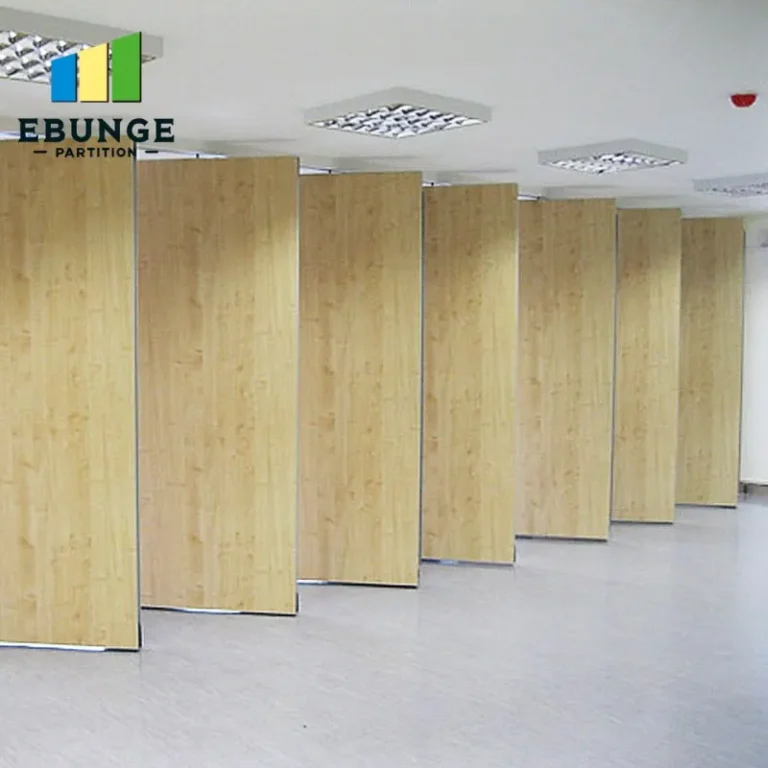
Send the opening size and drawings to discuss a differentiated acoustic partition solution.