
When you are preparing to install a conference room partition, one of the most critical steps is the acoustic partition site inspection. This inspection determines whether the movable partition wall will meet the required sound privacy and acoustic performance. For project contractors, understanding what to check during this inspection is essential to avoid costly rework and ensure the operable wall system functions as specified. This guide provides a buyer-focused overview of the acoustic partition site inspection process, helping you make informed decisions and prepare for a successful installation.
In short: An acoustic partition site inspection is a systematic evaluation of the installation site and the partition system to verify that the acoustic performance, structural integrity, and operational functionality meet the project’s specifications. It involves checking the top-hung track system, wall panels, seals, and surrounding structures, and is typically conducted by the supplier or an independent consultant before, during, and after installation.
Why the Acoustic Partition Site Inspection Matters for Your Conference Room
Conference rooms require a high level of acoustic privacy to ensure confidential discussions remain private and to minimize distractions. An acoustic partition site inspection is not just a formality; it is a quality assurance measure that protects your investment. By identifying potential issues early, you can avoid performance failures, warranty disputes, and project delays. For contractors, a thorough inspection also provides documented evidence that the installation meets the specified acoustic rating, which is crucial for client satisfaction and future referrals.
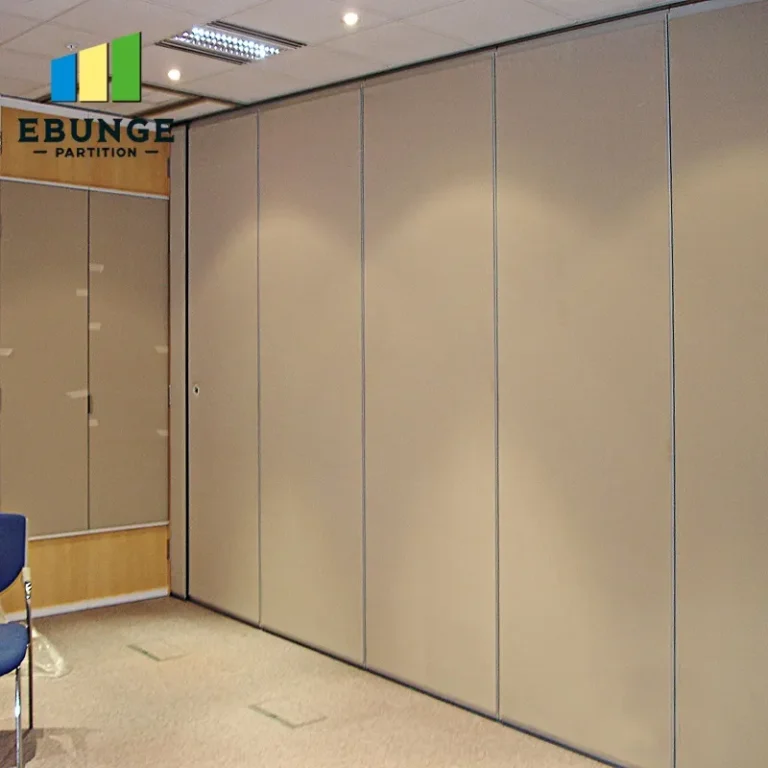
Need help turning the acoustic partition site inspection requirements into a practical project layout?
Key Areas to Inspect During an Acoustic Partition Site Inspection
During the inspection, several critical areas must be evaluated to ensure the movable partition wall will perform as expected. These include the condition of the top-hung track system, the alignment of panels, the integrity of acoustic seals, and the compatibility with the building structure.
Top-Hung Track System and Structural Support
The top-hung track system is the backbone of the partition. The inspector must verify that the track is level, securely fixed to the structural ceiling, and free from any obstructions. The load-bearing capacity of the supporting structure must be confirmed from the engineering drawings. Any deflection or misalignment can cause the panels to bind or create gaps that compromise acoustics.
Panel Condition and Alignment
Each panel should be inspected for damage, warping, or manufacturing defects. The panels must align perfectly when stacked or folded, and the vertical edges should form a tight seal when closed. Gaps between panels are a common source of acoustic leakage, so precise alignment is non-negotiable.
Perimeter Seals and Acoustic Gaskets
The effectiveness of the acoustic partition depends heavily on the seals at the perimeter, including the top, bottom, and vertical edges. Inspectors should check that all gaskets are intact, properly fitted, and have the correct compression. For a top-hung system without a floor rail, the bottom seal must automatically lower to make contact with the floor. Any damage or wear in these seals can significantly reduce the acoustic rating.
Who Should Conduct the Acoustic Partition Site Inspection?
The inspection should be conducted by qualified personnel, typically a representative from the acoustic partition supplier or an independent acoustic consultant. The supplier’s technician has in-depth knowledge of the specific operable wall system and can identify potential installation issues. An independent consultant provides an unbiased assessment, which can be valuable for verifying performance claims. For peace of mind, you may opt for both: the supplier inspects for warranty compliance, and the consultant verifies acoustic performance.
When selecting an inspector, confirm their experience with acoustic partitions and ask for references. Also, ensure they have access to the necessary tools, such as sound level meters, if acoustic testing is required. The inspector should be familiar with the project’s acoustic specifications and the relevant industry standards.
How to Verify Acoustic Rating During the Inspection
Verifying the acoustic rating is a complex process that often involves laboratory testing or on-site measurements. During a site inspection, you can check that the partition’s components are correctly installed to achieve the rated performance. For example, verify that the panels have the appropriate mass and that all seals are in place. If the project requires a specific Sound Transmission Class (STC) or acoustic rating, the inspector may conduct a sound test. However, such tests are typically performed after installation and require specialized equipment. The inspection should ensure that all factors contributing to the acoustic rating are present.
Common Defects to Look For
Being aware of common defects can help you spot issues early. These include:
- Gaps under the partition: In a top-hung system, the bottom seal must be adjusted correctly. If it does not fully contact the floor, sound will leak.
- Misaligned panels: Panels that do not stack or close evenly can create gaps.
- Damaged gaskets: Torn or compressed gaskets lose their sealing ability.
- Insufficient track support: If the track is not securely anchored, the partition may sag or become misaligned.
- Incorrect seal compression: Over-compression can cause premature wear, while under-compression reduces effectiveness.
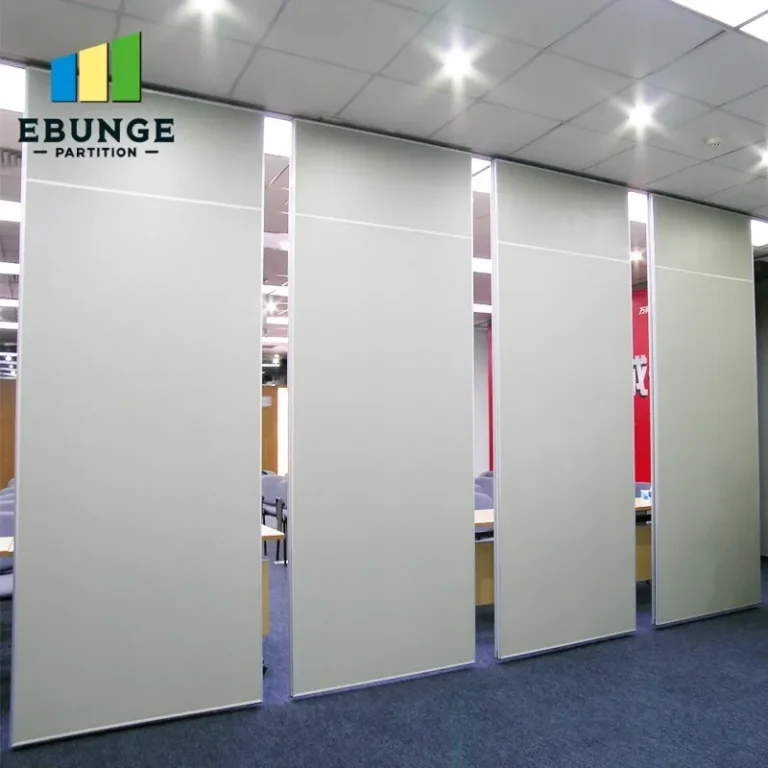
How to Document Inspection Findings
Thorough documentation is essential for warranty claims and quality assurance. Create a detailed inspection report that includes:
- Date and time of inspection
- Names and roles of inspectors
- Project and location details
- List of inspected components
- Observations, including photographs and measurements
- Any discrepancies or defects found
- Recommendations and corrective actions
Use a standardized checklist to ensure consistency. Photographs are particularly useful for documenting visual issues. Keep all records in a central project file for easy access.
Share the opening, drawings, finish direction, and privacy target for a project-specific review.
Acoustic Partition Inspection Checklist for Contractors
Here is a practical checklist you can use during the inspection:
| Checklist Item | Status (Pass/Fail) | Comments |
|---|---|---|
| Track is level and securely fixed | ||
| Structural support meets load requirements | ||
| Panels are free from damage and defects | ||
| Panels align when closed | ||
| Perimeter seals are intact and correctly compressed | ||
| Bottom seal lowers and contacts floor | ||
| All hardware operates smoothly | ||
| Acoustic rating matches specifications |
Ensuring Warranty Validity Through Inspection
Most acoustic partition suppliers require a site inspection to validate the warranty. The inspection ensures that the installation meets the manufacturer’s guidelines. If any issues are found, they must be corrected before the warranty becomes effective. As a contractor, you should coordinate with the supplier to schedule the inspection at the appropriate stages: before installation (to confirm site readiness), during installation (to monitor quality), and after completion (to verify performance). This proactive approach protects your client’s warranty and your reputation.
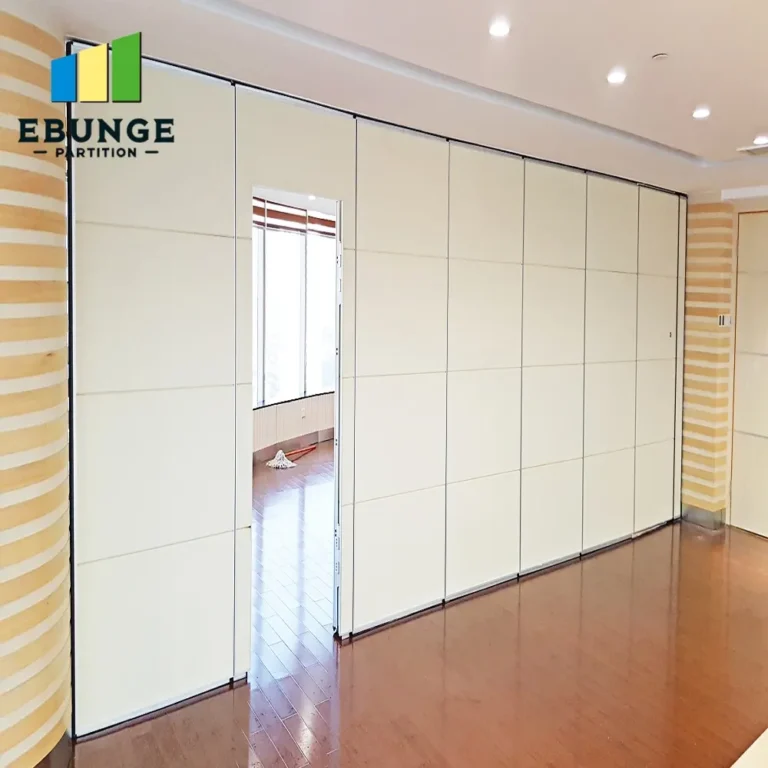
Preparing for a Successful Inspection: What to Have Ready
To make the inspection efficient, have the following documents and information ready:
- Project drawings and specifications
- Acoustic performance requirements
- Installation schedule and timeline
- Contact information for the installation team
- Access to the site and necessary safety equipment
Clear communication with the inspector beforehand ensures that all parties are aligned on expectations. This preparation also helps in avoiding delays and misunderstandings.
Conclusion: Make the Acoustic Partition Site Inspection a Priority
For project contractors, the acoustic partition site inspection is a vital step in ensuring that your conference room partition delivers the required acoustic performance. By understanding what to check, who should conduct the inspection, and how to document findings, you can mitigate risks and ensure a smooth installation. Always confirm specific values, such as acoustic ratings and structural loads, from project documentation. Remember that a thorough inspection not only protects your warranty but also builds trust with your clients.
If you are planning a conference room partition project, we encourage you to share your opening size, drawings, acoustic target, finish preference, and project location. Our team can provide guidance on the inspection process and help you select the right acoustic partition solutions. For more information, explore our movable partition wall resources, or visit our blog for insights. You can also find answers to common questions in our FAQ section. Ready to discuss your project? Contact us today.
Frequently Asked Questions
What is the purpose of an acoustic partition site inspection?
The purpose is to verify that the partition wall system is installed correctly and will achieve the specified acoustic performance. It helps identify any issues that could compromise sound privacy and ensures compliance with project requirements.
When should the inspection be conducted?
Ideally, inspections should occur at three stages: before installation to assess site readiness, during installation to monitor quality, and after installation to verify performance. This approach ensures that any issues are caught early.
Can I conduct the inspection myself?
While you can perform a preliminary check, it is recommended to have a qualified inspector, such as a supplier technician or acoustic consultant, conduct a thorough inspection. They have the expertise and tools to identify subtle issues.
What documents should I have for the inspection?
You should have project drawings, specifications, acoustic performance requirements, installation schedule, and any relevant contracts. These documents help the inspector understand the project’s needs.
How do I know if the acoustic rating is met?
Acoustic ratings are typically verified through laboratory testing or on-site measurements. During inspection, the inspector checks that all components are installed correctly to achieve the rated performance. If required, a sound test can be conducted.
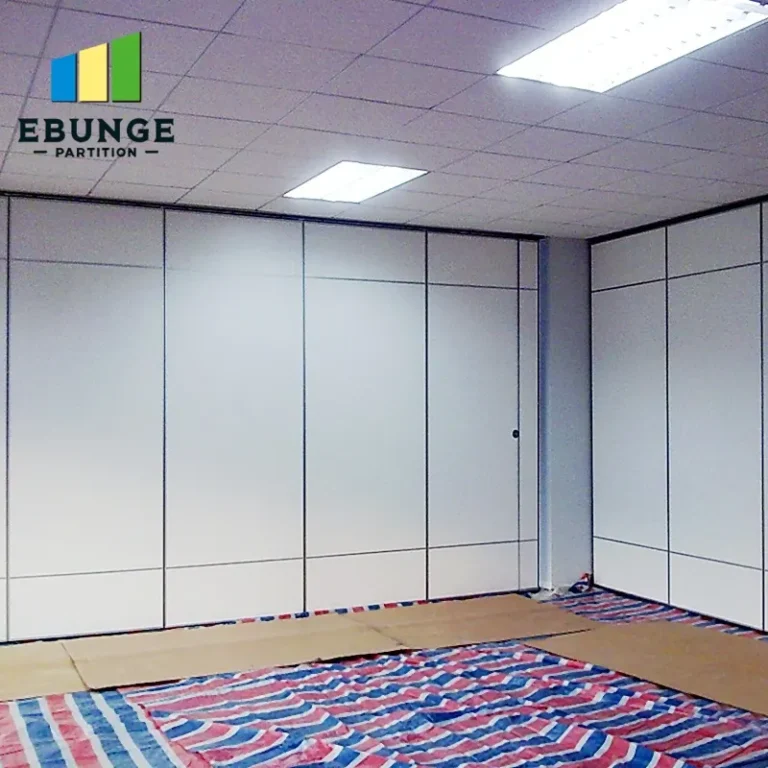
Send the opening size and drawings to discuss a differentiated acoustic partition site inspection solution.