
When planning acoustic movable walls for school halls, buyers often face uncertainty about sound performance, structural integration, and long-term reliability. This project-case guide addresses the ten most common questions raised by school project buyers, helping you prepare for quotations and technical discussions. Whether you are renovating an existing hall or constructing a new one, understanding these key factors ensures your investment meets educational and acoustic needs.
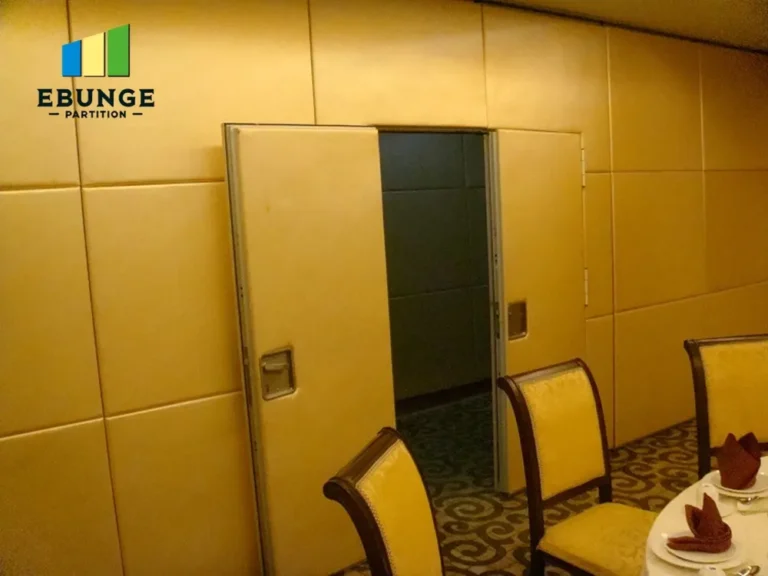
Direct answer: Acoustic movable walls for school halls are partitions that can be moved to divide or open up a space, providing sound insulation and flexibility. For a successful project, you need to specify the opening size, acoustic performance (e.g., Rw value), finish, and operational requirements. Engage a supplier early to assist with drawings and installation planning.
Acoustic Movable Walls For School: 1. How Do Acoustic Movable Walls Improve Sound Privacy in School Halls?
Acoustic movable walls for school halls are designed to reduce sound transmission between spaces. They achieve this through dense core materials, perimeter seals, and top-hung track systems that minimize gaps. For school halls, where activities like music practice, exams, or assemblies occur simultaneously, these walls help contain noise and maintain a conducive learning environment. The actual acoustic performance depends on the wall’s construction, installation quality, and the surrounding structure.
Need help turning the acoustic movable walls for school requirements into a practical project layout?
2. What Acoustic Performance Should I Expect from a Movable Partition Wall?
Acoustic performance is measured by the Sound Transmission Class (STC) or weighted sound reduction index (Rw). For school halls, a typical range is STC 40-50, but exact values must be confirmed from project specifications. The wall’s performance is influenced by the partition’s mass, seals, and the flanking paths (e.g., ceiling and wall junctions). Always request test data from the supplier and ensure it matches your requirements.
3. How Durable Are Operable Wall Systems for Daily School Use?
School environments demand durability. Operable wall systems are built with robust materials like steel frames and impact-resistant panels. The top-hung track system reduces wear on the floor, and panels are designed to withstand frequent movement. However, durability also depends on maintenance and usage patterns. Choose a supplier with a proven track record in educational projects.
4. What Safety Features Are Essential for Children?
Safety is paramount in schools. Look for features such as soft-close mechanisms, pinch guards, and non-toxic materials. The wall should have no sharp edges, and the track system should be smooth to prevent finger traps. Ensure that the installation complies with relevant safety standards, and ask the supplier about child-safe accessories.
5. How Easy Is It to Operate the Wall?
Ease of operation is critical for teachers and staff. Top-hung track systems allow smooth manual or motorized movement. Manual systems should have ergonomic handles and low operating force. Motorized options offer push-button convenience, but require electrical integration. Consider the frequency of use and the user’s physical capability.
6. How Long Does Installation Take, and Does It Disrupt School Activities?
Installation time varies based on the number of panels, site conditions, and accessibility. Typically, installation can take a few days to weeks, but exact timelines must be confirmed with the supplier. To minimize disruption, plan installation during holidays or weekends. A professional team will coordinate with your project schedule.
7. What Budget Should I Allocate for Acoustic Partition Solutions?
Budgeting for acoustic partition solutions involves material costs, installation, and any structural modifications. Costs vary widely based on size, acoustic rating, finishes, and automation. Obtain detailed quotations from multiple suppliers and compare them based on specifications, not just price. Remember that higher acoustic performance and durability may justify a higher initial investment.
8. What Warranty and After-Sales Support Can I Expect?
Warranties typically cover mechanical components and panels, but terms vary. Ask about warranty duration, coverage, and response time for repairs. After-sales support is crucial for long-term maintenance. Choose a supplier that offers comprehensive support and has a service network.
Share the opening, drawings, finish direction, and privacy target for a project-specific review.
9. How Do I Ensure Compliance with Building Regulations?
Building regulations cover fire safety, accessibility, and acoustics. Your movable wall must meet local codes. The supplier should provide documentation and test certificates. Consult with your architect or building control officer to ensure the wall design complies with all requirements.
10. What Are the Options for Customization and Finishes?
Custom movable walls can be tailored to your school’s aesthetic and functional needs. Options include various panel finishes (e.g., whiteboard, tackable, or decorative), glazing, and integrated doors. Work with the supplier to select finishes that match your interior design and educational requirements.
Project-Case Considerations for School Halls
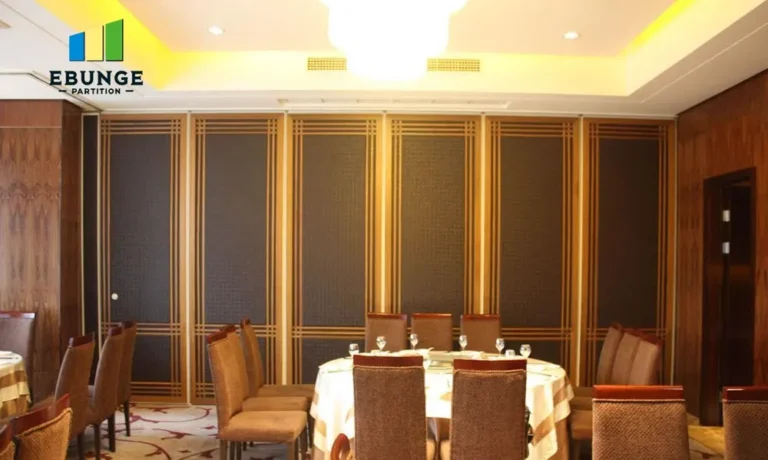
When planning acoustic movable walls for school halls, consider the specific activities that will occur. For example, a hall used for both sports and exams may require a higher acoustic rating and impact resistance. Create a detailed brief that includes room dimensions, usage schedule, and desired acoustic outcomes. This will help suppliers provide accurate proposals.
Technical Requirements and Quotation Readiness
To receive accurate quotations, prepare the following information: opening size (width, height, and depth), drawings or floor plans, acoustic target (e.g., STC or Rw), finish preference, and project location. This enables suppliers to assess feasibility and provide precise costs.
Checklist for Evaluating Acoustic Movable Wall Suppliers
| Criteria | Questions to Ask |
|---|---|
| Acoustic performance | What is the STC/Rw rating? Is it tested? |
| Durability | What materials are used? How many cycles can it withstand? |
| Safety | Are there pinch guards? Is it child-safe? |
| Ease of operation | Is it manual or motorized? What is the operating force? |
| Installation | How long does it take? Do they coordinate with other trades? |
| Budget | What is included in the quote? Are there hidden costs? |
| Warranty | What is covered? For how long? |
| Compliance | Does it meet building regulations? Can they provide certificates? |
| Customization | What finishes and options are available? |
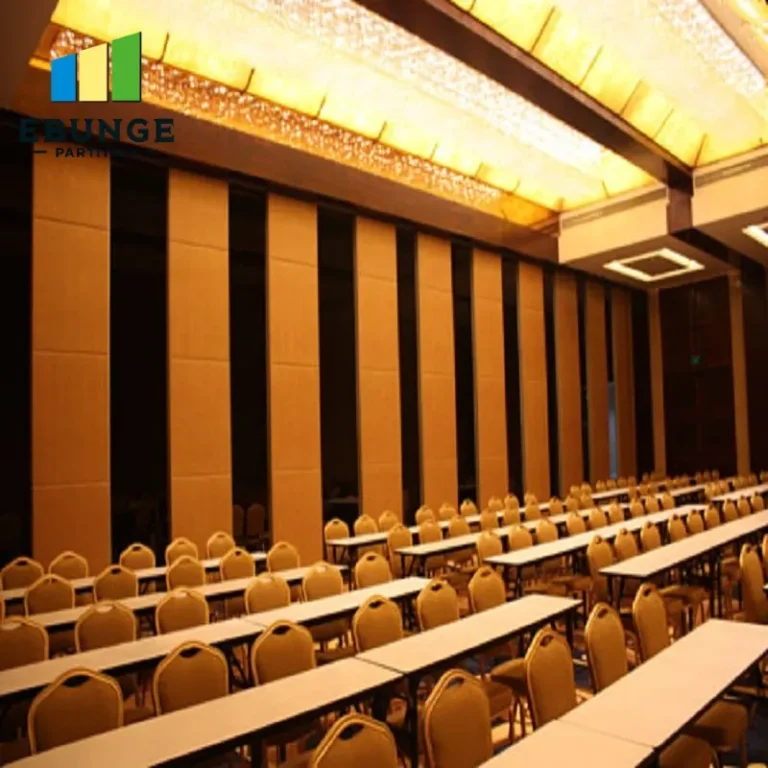
Use this checklist when comparing proposals. Always verify claims with documentation.
Integrating Acoustic Movable Walls with Your School’s Architecture
Top-hung track systems require adequate structural support to carry the weight of the panels. Engage a structural engineer early to assess the ceiling and wall connections. The track can be concealed within a ceiling recess for a clean look. Coordinate with your architect to ensure seamless integration.
Conclusion: Making an Informed Decision
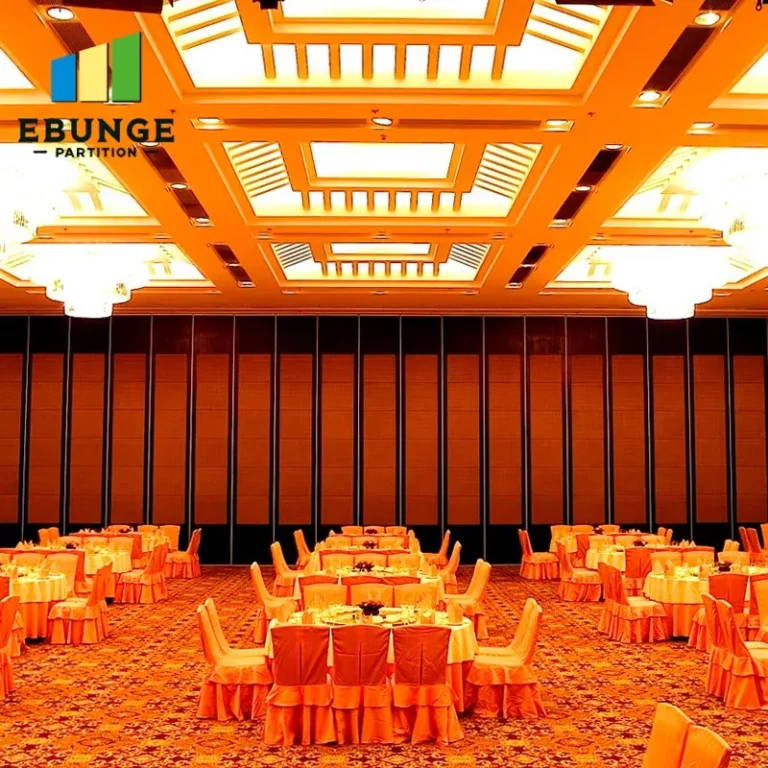
Choosing acoustic movable walls for school halls involves balancing acoustic performance, durability, safety, and budget. By asking the right questions and preparing detailed information, you can confidently work with suppliers to achieve a functional and compliant solution. Remember to verify all technical specifications and rely on documented evidence.
Frequently Asked Questions
1. What is the typical acoustic rating for school hall partitions?
Typical ratings range from STC 40 to 50, but exact values depend on your requirements and the supplier’s design. Confirm with test data.
2. Can acoustic movable walls be installed in existing buildings?
Yes, but structural modifications may be needed to support the top-hung track. A site survey is essential.
3. How do I maintain acoustic movable walls?
Regular cleaning of tracks and seals, and periodic inspections by the supplier, will ensure longevity. Follow the manufacturer’s maintenance guide.
4. Are motorized walls worth the extra cost?
Motorized walls offer convenience and are useful for heavy panels or frequent use. Assess your operational needs and budget.
5. How far in advance should I contact a supplier?
Ideally, contact suppliers during the design phase to allow for structural integration and accurate quotations. Early engagement also helps with project timelines.
For more insights, explore our blog and project cases. To discuss your specific requirements, contact our team.
Send the opening size and drawings to discuss a differentiated acoustic movable walls for school solution.