
When a government multipurpose room requires flexible division, the movable partition wall specification becomes a critical document for contractors. Unlike a simple product selection, a specification guide for such projects must address quotation readiness and project decision risk, ensuring that every stakeholder—from the architect to the installing crew—operates with clarity. This guide focuses on the movable partition wall as a system, emphasizing the top-hung track without floor rail, custom project coordination, and the importance of verified data. By the end, you will have a practical framework to reduce installation risk and avoid costly surprises.
Direct answer: For a government multipurpose room, a movable partition wall specification must include the exact opening size (width, height, and depth), the acoustic target (e.g., STC rating, but only if confirmed by test data), the finish preference (e.g., tackable surface, whiteboard, or fabric), and a complete set of architectural drawings showing the track layout and stacking area. Engage a factory-direct supplier that offers custom project coordination and installation guidance to ensure the system fits the building’s structural constraints and meets safety compliance.
Why a Specification Guide Reduces Risk for Contractors
Contractors face unique challenges when specifying movable partition walls for government projects. A vague specification can lead to misinterpretation, change orders, and delays. By focusing on quotation readiness, you ensure that all bidders provide comparable proposals. This guide helps you define the project’s parameters early, so you can evaluate options based on performance, durability, and cost—without relying on marketing claims. The goal is to create a document that is both technically precise and practical for on-site installation.
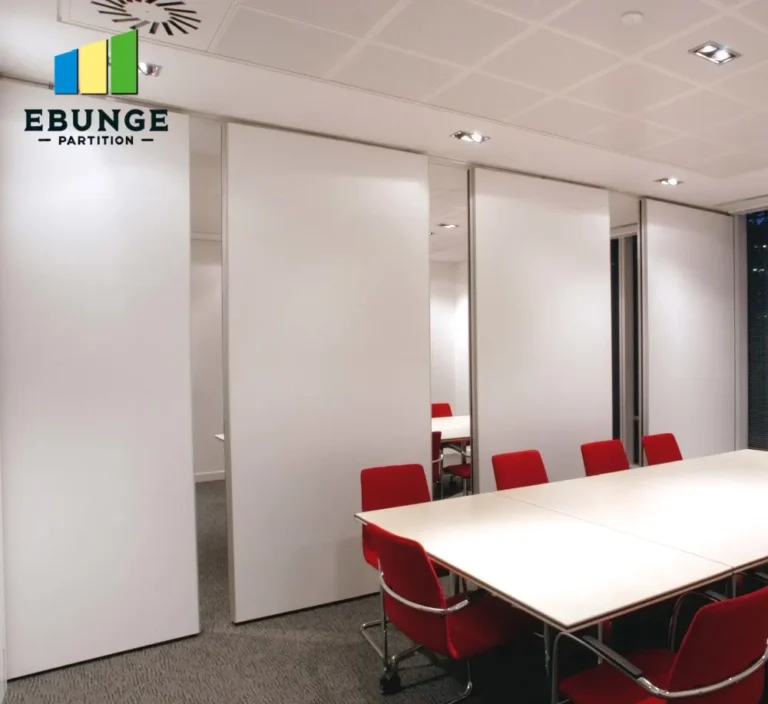
Need help turning the movable partition wall requirements into a practical project layout?
Key Parameters to Define in Your Specification
Before you issue a request for quotation, define the following parameters. These are the minimum data points that any manufacturer needs to provide an accurate quote and a safe installation.
- Opening size: Measure the width, height, and depth of the opening, including any obstructions like ceiling beams or lighting fixtures.
- Acoustic target: State the desired sound transmission class (STC) or sound insulation value, but only if you have a verified test report. If not, specify a performance requirement and ask for supporting data.
- Finish preference: Choose from options like painted steel, laminate, tackable fabric, or whiteboard surfaces. Consider the room’s function—for a multipurpose room, a durable and easily cleanable finish is often preferred.
- Drawings: Provide architectural and structural drawings showing the track path, stacking area, and any electrical or HVAC interfaces. This helps the manufacturer design a system that fits your exact conditions.
- Factory direct support: Specify that the manufacturer must provide installation drawings, on-site supervision, or at least detailed installation guidance. This reduces the risk of improper installation.
Understanding the Top-Hung Track System
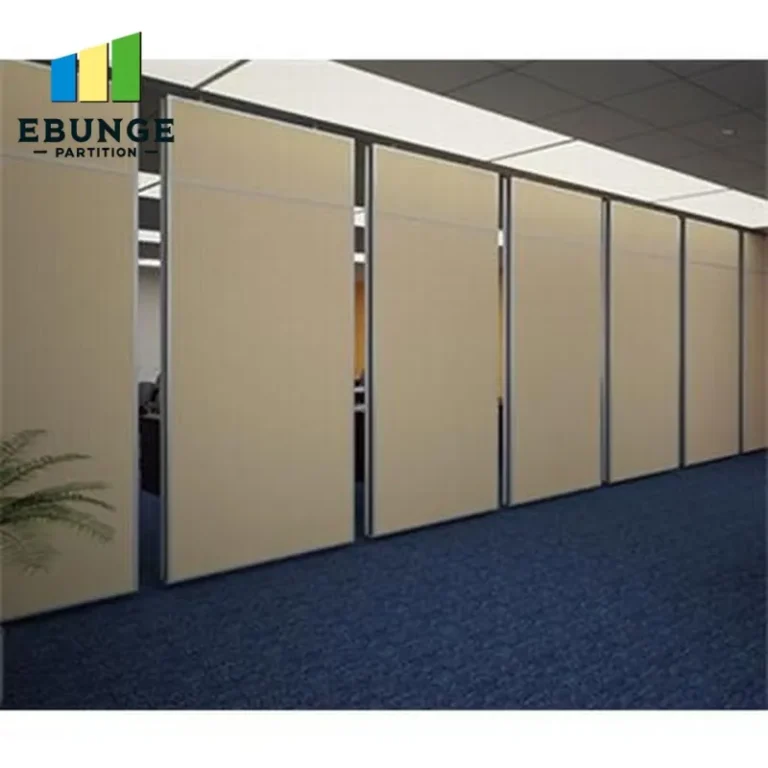
In government multipurpose rooms, a top-hung track without a floor rail is often preferred for several reasons. It eliminates the tripping hazard and allows for a clear, unobstructed floor, which is essential for public buildings. The partition is suspended from an overhead track, and its weight is distributed along the ceiling structure. This system requires precise ceiling reinforcement, so it is crucial to verify the building’s load capacity. The specification should include the track type, hanger spacing, and the maximum panel weight. Always confirm these details with a structural engineer.
Acoustic Performance: What to Specify and Why
Acoustic performance is a top concern for multipurpose rooms, but it is often misunderstood. A movable partition wall’s STC rating is a laboratory measurement, not a field guarantee. In your specification, you should state the desired acoustic target and require the manufacturer to provide a test report from an accredited laboratory. However, be aware that field performance depends on installation quality, perimeter seals, and flanking paths. For a government project, you may also need to comply with specific acoustic standards. To avoid over-specifying, focus on the required sound insulation for the intended activities—for example, a speech privacy level for meetings or a higher level for performances. The specification should also include details on seals, such as automatic drop seals at the bottom and perimeter gaskets, to achieve the target.
Durability and Safety Compliance for Public Buildings
Government multipurpose rooms experience heavy use, so durability is non-negotiable. Specify materials that can withstand frequent operation, such as reinforced steel frames and impact-resistant panels. Safety compliance is another critical factor. The partition system must meet local building codes, including fire resistance, emergency egress, and accessibility requirements. For example, if the partition is used to divide a room that serves as an emergency exit path, it must be able to be quickly opened. Ensure that the specification references the relevant codes and standards, and require the manufacturer to provide documentation of compliance. Do not accept verbal assurances; ask for certificates and inspection reports.
Installation Complexity: Planning for a Smooth Process
Installation of a movable partition wall is a complex process that involves coordination between multiple trades. The specification should outline the sequencing, required site conditions, and the responsibilities of each party. For example, the ceiling must be ready for track installation, and the floor must be level. The specification should also include a requirement for a pre-installation meeting with the manufacturer’s technical team. By addressing installation complexity upfront, you reduce the risk of delays and rework. A factory-direct supplier that offers installation guidance can be a valuable partner in this phase.
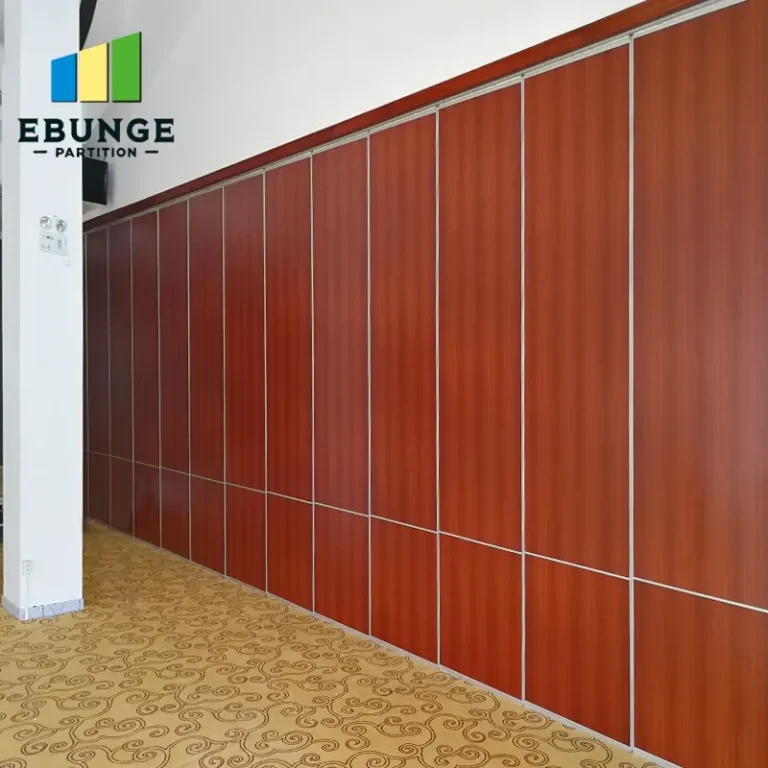
Share the opening, drawings, finish direction, and privacy target for a project-specific review.
Maintenance and Warranty Considerations
Long-term maintenance is often overlooked in specifications, but it is essential for government projects. Specify the recommended maintenance schedule, including cleaning instructions and periodic checks of moving parts. The warranty should cover parts and labor for a defined period, but be cautious about promises that seem too good to be true. Verify the warranty terms in writing and understand what is excluded. For a movable partition wall, common warranty issues include track wear, seal deterioration, and panel damage. The specification should require the manufacturer to provide a maintenance manual and a list of recommended spare parts.
Lead Time: Planning for Project Schedules
Lead time is a critical factor in any construction project. In your specification, state the required delivery date and ask each manufacturer to confirm their lead time. Custom movable partition walls often take longer to manufacture, especially if they involve special finishes or sizes. To avoid delays, start the specification process early and allow buffer time for approvals. A factory-direct supplier may have more control over production schedules, but always confirm the lead time in the quotation. Do not rely on verbal estimates; get it in writing.
Quotation Readiness: How to Compare Bids Effectively
To compare quotations fairly, your specification must be detailed enough that all bidders are quoting on the same basis. Include a checklist of items that each quote must address, such as:
| Item | Specification Requirement | Bidder Response |
|---|---|---|
| Opening size | Width × height × depth (exact) | Confirmation and any deviations |
| Acoustic target | STC rating or sound insulation requirement | Test report reference |
| Finish | Material and color | Sample or specification sheet |
| Track system | Top-hung, no floor rail | Technical drawing |
| Safety compliance | Relevant codes and standards | Certificates |
| Installation support | Installation drawings and guidance | Scope of support |
| Warranty | Duration and coverage | Warranty statement |
By using this checklist, you can quickly identify gaps in bids and make an informed decision.
Checklist for a Complete Movable Partition Wall Specification
Use this practical checklist to ensure your specification covers all critical aspects:
- ☐ Exact opening dimensions, including height to ceiling and any obstructions.
- ☐ Acoustic target with a requirement for verified test data.
- ☐ Finish preference with a note on durability and maintenance.
- ☐ Complete set of drawings showing track layout, stacking area, and interfaces.
- ☐ Structural requirements for top-hung track support.
- ☐ Safety compliance requirements (fire, egress, accessibility).
- ☐ Installation coordination plan, including pre-installation meeting.
- ☐ Maintenance manual and spare parts list.
- ☐ Warranty terms and conditions.
- ☐ Lead time and delivery schedule.
Conclusion: The Role of the Movable Partition Wall Specification in Project Success
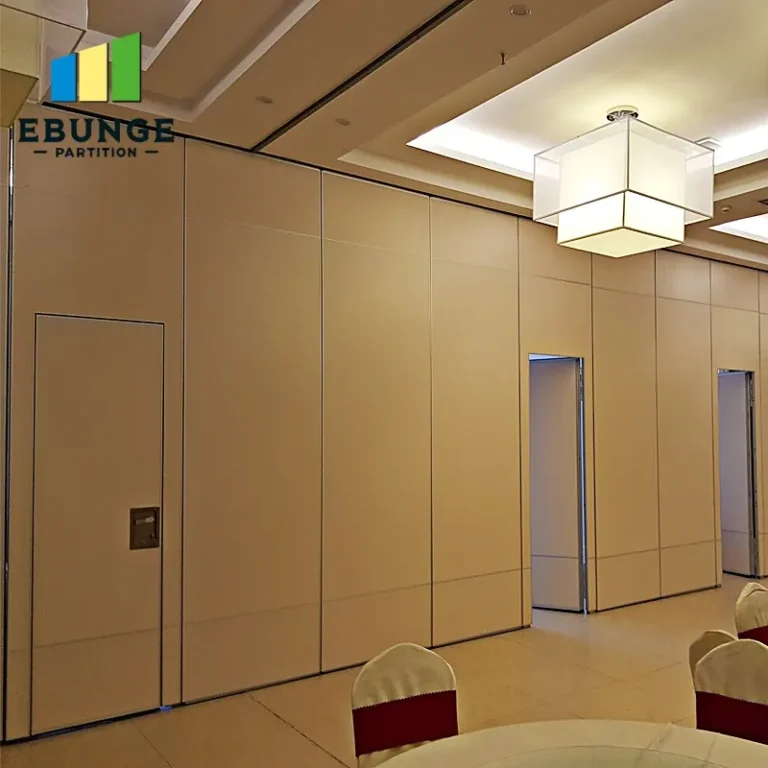
A well-crafted movable partition wall specification is your best defense against installation risk. By clearly defining the opening size, acoustic target, finish, drawings, and factory direct support, you set the stage for a successful project. Remember to verify all performance claims and avoid relying on unsupported statements. For more insights, explore our resources on movable partition wall systems and technical blogs. If you need further assistance, contact our team for expert guidance. Additionally, check our cost category for budgeting considerations.
Frequently Asked Questions
1. What is the typical lead time for a custom movable partition wall?
Lead time varies by manufacturer and complexity. It is essential to confirm the exact lead time in the quotation, as it depends on the size, finish, and current production schedule. Always plan for a buffer in your project timeline.
2. How do I know if the acoustic rating is reliable?
Ask for a test report from an accredited laboratory that matches the exact configuration of the partition. Be wary of ratings that are not backed by documentation. Field performance may differ, so consider a site test if critical.
3. Can a top-hung track system support heavy panels?
Yes, but only if the ceiling structure is reinforced to handle the load. The specification must include the panel weight and the track system’s capacity. A structural engineer should verify the ceiling’s load-bearing capacity.
4. What maintenance is required for a movable partition wall?
Regular maintenance includes cleaning the track, lubricating moving parts, and checking seals for wear. The manufacturer should provide a maintenance manual. Schedule inspections at least twice a year for high-use facilities.
5. Is it necessary to have a factory technician on site during installation?
While not always mandatory, having a factory technician or detailed installation guidance can significantly reduce the risk of errors. For complex projects, it is recommended. Confirm the level of support in the specification.
Send the opening size and drawings to discuss a differentiated movable partition wall solution.