
For trading companies without their own factory, sourcing an acoustic partition for a church hall can feel like navigating a maze. You need a partner who understands the complexities of movable partition wall installation, from acoustic ratings to custom finishes, and who can support you through every step. This FAQ is designed to help you prepare for the quotation process, reduce project decision risk, and ensure you get the transparency and factory-direct support you need. Unlike cost-focused discussions, this guide focuses on the critical information you must gather and the questions you must ask to avoid costly surprises.
Direct Answer: To get an accurate quotation for an acoustic partition in a church hall, you must first define the opening size (width and height), the acoustic target (e.g., Rw value), finish preferences, and provide detailed drawings. Then, seek a factory-direct supplier who offers custom project coordination, installation guidance, and transparent after-sales support. This preparation minimizes project risk and ensures the final partition meets your expectations.
Acoustic Partition: Why Quotation Readiness Is Critical for Church Hall Projects
Church halls often have unique architectural features—high ceilings, irregular shapes, or heritage constraints. Without precise measurements and a clear understanding of your acoustic needs, any quotation is guesswork. For a trading company, this is especially risky because you’re the intermediary. If you pass on inaccurate requirements to the factory, you’ll face delays, budget overruns, or a partition that fails to perform. By being quotation-ready, you demonstrate professionalism to your client and ensure the factory can deliver a solution that fits perfectly.
Moreover, a church hall’s acoustic requirements may differ from typical office spaces. Reverberation, organ music, or spoken word clarity all demand specific acoustic treatments. The factory needs to know the intended use to recommend the right panel construction and seals. So, before you even contact a supplier, gather all relevant details about the hall’s dimensions, existing structure, and acoustic goals.
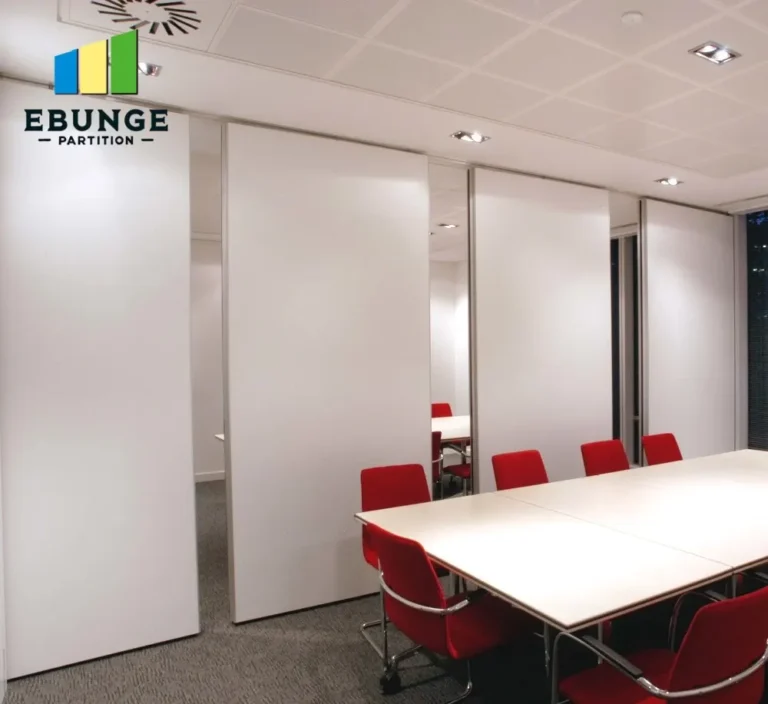
Need help turning the acoustic partition requirements into a practical project layout?
What Information Does a Factory Need for an Accurate Quote?
To receive a precise quotation, you must provide comprehensive information. Here’s a checklist of what to prepare:
- Opening size: Exact width, height, and depth of the opening where the partition will be installed. Include ceiling height and any obstructions.
- Acoustic target: The desired sound insulation performance, often expressed as an Rw value (e.g., Rw 45 dB). Be realistic about what’s achievable given the structure.
- Finish preferences: Material (e.g., laminate, veneer, fabric), color, and texture. This affects both aesthetics and cost.
- Drawings: Architectural or structural drawings showing the opening, surrounding walls, floor, and ceiling. If unavailable, detailed measurements and photos.
- Operational needs: How often will the partition be moved? Manual or motorized operation? Stacking requirements?
- Site conditions: Access for delivery, existing floor and wall materials, and any constraints like uneven floors or low ceiling load capacity.
Providing this information upfront reduces back-and-forth and ensures the factory can give you a reliable quote. It also shows you’re a serious buyer, which may lead to better pricing and support.
How to Evaluate a Factory-Direct Supplier vs. an Unknown Trader
When sourcing from a trading company without a factory, you’re already a middleman. The last thing you need is another middleman. That’s why it’s crucial to verify you’re dealing with a genuine factory. Here are red flags and green flags:
| Red Flags (Unknown Trader) | Green Flags (Factory-Direct) |
|---|---|
| Vague about manufacturing processes | Provides details about production lines and quality control |
| No physical address or only a PO box | Factory address and possibly virtual tours |
| Unable to provide sample materials | Sends samples for your approval |
| Quotes are unusually low with hidden costs | Transparent pricing with itemized costs |
| No after-sales support or warranty details | Clear warranty terms and responsive support |
Always ask for a factory visit (virtual or in-person) and request references from other trading partners. A reputable factory will welcome your due diligence.
Understanding Acoustic Ratings: What Do They Really Mean?
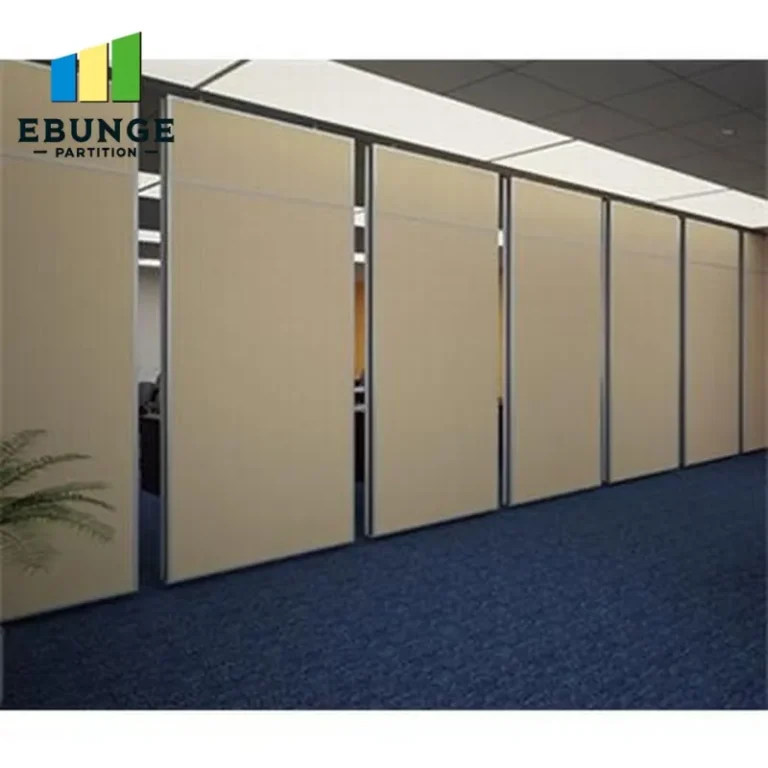
Acoustic ratings are often quoted as Rw (weighted sound reduction index) or STC (Sound Transmission Class). These numbers indicate how much sound is blocked, but they don’t tell the whole story. For a church hall, you need to consider low-frequency sounds (like organ bass) that are harder to block. The partition’s seals, panel mass, and installation quality all affect real-world performance.
When discussing ratings with a factory, ask for the test conditions. Was the rating achieved in a laboratory with ideal installation? Field performance can be lower due to flanking paths (sound traveling around the partition). A good factory will advise on how to mitigate these issues, such as using acoustic seals at perimeters. Remember, a rating is only as good as the installation, so ensure the factory provides detailed installation guidance or supervision.
What Are the Common Customization Options for Church Halls?
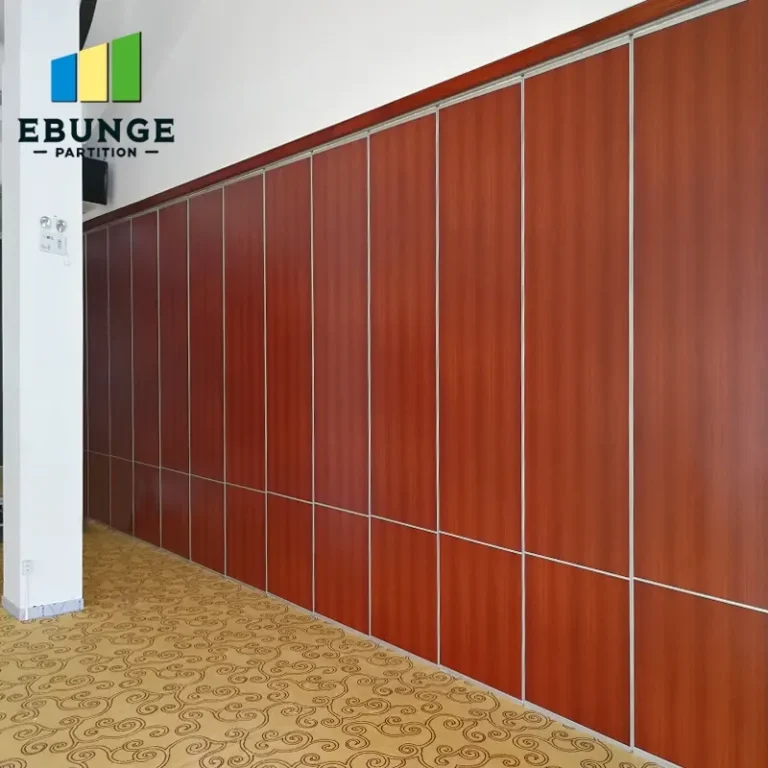
Church halls often require custom solutions to match architectural aesthetics or unique layouts. Common customization options include:
- Panel dimensions: Non-standard heights or widths to fit large openings.
- Finish materials: Wood veneers that match church interiors, or acoustic fabrics in liturgical colors.
- Glazing: Incorporating glass panels for visibility while maintaining acoustic performance.
- Track configurations: Curved or multi-track systems for complex layouts.
- Operation type: Manual or motorized, with remote control or automated systems.
Each option affects cost and lead time. Be specific about your needs, and ask the factory for recommendations based on your drawings. Custom doesn’t have to mean expensive if you plan ahead.
How Does the Installation Process Work, and What Support Is Provided?
For a trading company, installation is often handled by your own team or a local contractor. However, factory support is invaluable. Here’s what to expect:
- Site survey: The factory may offer a virtual or on-site survey to verify measurements and conditions.
- Detailed drawings: They provide installation drawings, including track layout and panel stacking.
- Installation manual: A step-by-step guide with torque specs, seal adjustments, and safety instructions.
- Technical support: Remote assistance during installation, and possibly on-site supervision for complex projects.
Ask about the level of support included in the quote. Some factories charge extra for on-site visits, while others include it. Transparency here prevents surprise fees.
Share the opening, drawings, finish direction, and privacy target for a project-specific review.
What Should You Know About Delivery, Lead Times, and After-Sales Support?
Delivery time is a major concern for any project. For custom acoustic partitions, lead times can range from 4 to 12 weeks, depending on complexity and factory workload. To avoid delays:
- Confirm the production schedule in writing.
- Ask about shipping methods and insurance.
- Plan for customs clearance if importing.
After-sales support is equally important. What happens if a seal fails or a panel gets damaged? Ensure the warranty covers parts and labor, and understand the claims process. A factory that stands behind its product is a partner for the long term.
How to Avoid Costly Mistakes in Your Quotation Request
Many projects go wrong because of incomplete information. Here are common pitfalls:
- Underestimating opening size: Always measure twice, and account for tolerances.
- Ignoring acoustic flanking: The partition is only as good as the surrounding structure. Mention wall construction and ceiling type.
- Choosing the wrong finish: Some finishes are not suitable for high-traffic areas. Ask for durability recommendations.
- Not specifying accessories: Things like pass doors, tackboards, or whiteboards can be added later but at higher cost.
By being thorough, you reduce the risk of change orders and budget overruns. A little extra time upfront saves a lot of headaches later.
Frequently Asked Questions
Q1: What is the typical lead time for a custom acoustic partition?
Lead times vary widely based on complexity, factory capacity, and season. Always confirm with the factory, but expect 4-12 weeks for custom panels. Request a production schedule in writing to avoid surprises.
Q2: Can I get a sample of the partition material before ordering?
Yes, reputable factories provide samples of finishes, seals, and even small panel sections. This helps you verify quality and match your client’s expectations. Ask for samples early in the process.
Q3: How do I know if the acoustic rating will be achieved in my church hall?
Acoustic ratings are lab-tested, but field performance depends on installation and flanking paths. Ask the factory for recommendations on perimeter sealing and structural reinforcement. They may also offer on-site testing for a fee.
Q4: What if my opening is not a perfect rectangle?
Custom partitions can accommodate irregular openings, but you’ll need precise measurements and possibly a site survey. The factory will design the track and panels to fit, but expect higher costs and longer lead times.
Q5: Do you provide installation supervision or training?
Many factories offer remote support, and some provide on-site supervision for an additional fee. For complex projects, this is highly recommended to ensure proper installation and warranty validity.
Checklist: Before You Request a Quote
- Measure opening width, height, and depth at multiple points.
- Identify the acoustic target (e.g., Rw 45 dB) based on hall usage.
- Choose finish materials and colors, with backup options.
- Prepare or obtain architectural drawings (PDF or CAD).
- Note any site constraints (e.g., ceiling load, floor levelness).
- Determine operational needs (manual vs. motorized, stacking).
- Ask for factory references and sample materials.
- Clarify delivery terms, lead time, and after-sales support.
Conclusion: Prepare, Partner, and Proceed with Confidence
For trading companies, sourcing an acoustic partition for a church hall doesn’t have to be risky. By preparing detailed information, asking the right questions, and choosing a factory-direct partner, you can ensure a smooth project. Remember, the key is transparency—both from you and your supplier. With the right preparation, you’ll not only meet your client’s needs but also build a reputation for reliability. For more insights on movable partition wall installation, explore our movable partition wall resources or check our blog for expert tips. If you’re ready to discuss your project, contact us for factory-direct support. And don’t forget to review our installation category for more guidance.
Send the opening size and drawings to discuss a differentiated acoustic partition solution.