
Choosing an acoustic partition for a medical consultation space is a decision that goes beyond comparing price lists. For coworking space operators and facility managers, the real challenge is ensuring that the partition meets soundproofing needs, complies with medical standards, and fits into a busy operational schedule—all while managing project risk. This guide focuses on what you need to prepare before requesting quotations, so you can compare suppliers on a like-for-like basis and avoid costly surprises during installation.
Direct answer: To choose an acoustic partition for a medical consultation space, you must first define your acoustic target (e.g., STC or Rw value), measure the exact opening size, specify finish preferences, prepare detailed drawings, and then seek quotations from suppliers who offer factory-direct support and project coordination. This ensures you compare apples to apples and reduces the risk of miscommunication or installation delays.
Acoustic Partition: Why a Medical Consultation Space Demands a Different Approach
Medical consultations involve sensitive conversations. Unlike general office spaces, a consultation room must provide speech privacy and minimize distractions from adjacent areas. In a coworking environment, where multiple businesses share a floor, the acoustic partition becomes critical for patient confidentiality and staff concentration. The partition wall system you choose must deliver consistent performance, not just on paper but in real-world conditions.
Moreover, medical spaces have strict hygiene and safety requirements. The partition must be easy to clean, resistant to wear, and compliant with relevant regulations. This means you cannot rely solely on a supplier’s generic product brochure; you need to verify that the specific configuration meets your project’s demands.
Need help turning the acoustic partition requirements into a practical project layout?
Key Considerations Before You Start Comparing Suppliers
Before you reach out to any supplier, gather the following information. This will not only speed up the quotation process but also help you evaluate proposals objectively.
Opening Size and Configuration
Measure the exact width, height, and depth of the opening where the partition will be installed. Note any obstructions like ceiling beams, columns, or uneven floors. If the opening is non-standard, the supplier must be able to customize the partition accordingly. This is a common source of cost overruns, so be precise.
Acoustic Target
Define the required acoustic performance. In medical settings, a higher sound transmission class (STC) or weighted sound reduction index (Rw) is typically needed. But the exact value depends on the ambient noise level and the sensitivity of the consultations. Specify the target in your request for quotation (RFQ) to ensure all suppliers propose solutions that meet that threshold.
Finish and Aesthetics
Consider the visual integration with the existing interior. Do you need a specific color, material, or texture? Will the partition match the coworking space’s design language? Finish preferences affect both cost and lead time, so list them clearly.
Preparing a Detailed Request for Quotation (RFQ)
A well-prepared RFQ is your first line of defense against project risk. It should include the following elements:
- Architectural drawings (floor plans, elevations) with the partition location marked.
- Detailed specifications: dimensions, acoustic target, finish, door type (if any), and operation method.
- Site conditions: ceiling height, available space for stacking, and any structural limitations.
- Installation timeline and any access restrictions (e.g., after-hours work).
- Compliance requirements: fire safety, hygiene, and any local building codes.
When you send this RFQ to multiple suppliers, you enable them to provide accurate quotes. This reduces the likelihood of hidden costs and ensures that comparisons are based on the same scope.
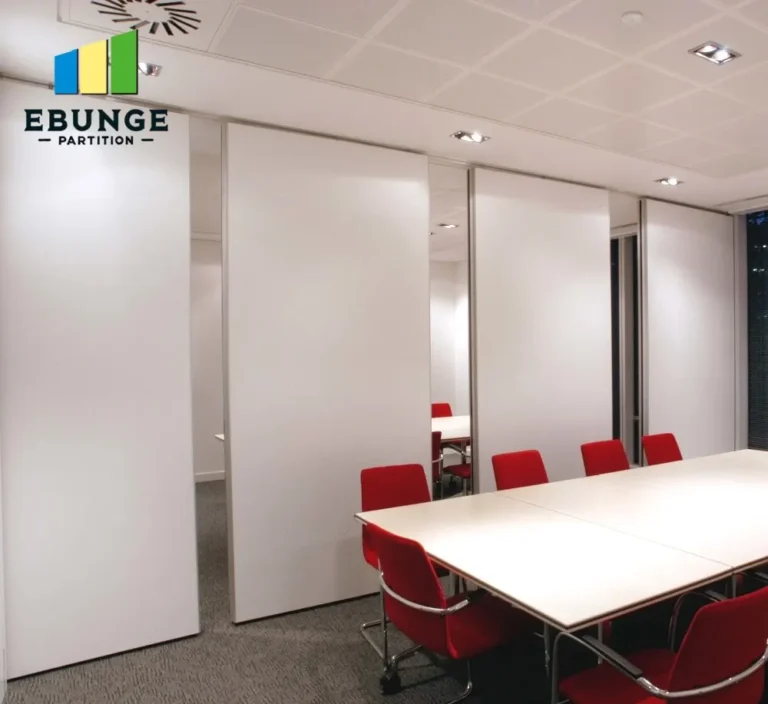
Comparing Quotations: Beyond the Lowest Price
It is tempting to choose the cheapest option, but in a medical environment, the lowest price can lead to higher long-term costs. Evaluate each quotation based on the following criteria:
Soundproofing Effectiveness
Check the acoustic ratings provided. Are they based on lab tests or field measurements? Understand that the actual performance may vary depending on installation quality. Ask the supplier how they ensure the partition achieves the specified rating on-site.
Ease of Operation
Medical staff will use the partition daily. Consider the effort required to open and close it. A top-hung track system without a floor rail is often preferred because it is easier to operate and clean. Inquire about the mechanism’s smoothness and reliability.
Durability in High-Traffic Areas
The partition should withstand frequent use and occasional impacts. Ask about the materials used, especially the panels and seals. Look for robust construction that can resist scratches and dents.
Customization Options
Can the supplier accommodate special sizes, finishes, or integrated features like whiteboards or glass sections? Customization may be necessary to match the existing architecture.
Installation Time and Disruption
How long will the installation take? Will it disrupt medical operations? Some systems can be installed quickly with minimal mess. Clarify the installation process and whether the supplier provides supervision or full installation services.
Maintenance Requirements
Understand the ongoing maintenance. Are the tracks easy to clean? Are replacement parts readily available? Low-maintenance designs are crucial in a busy medical setting.
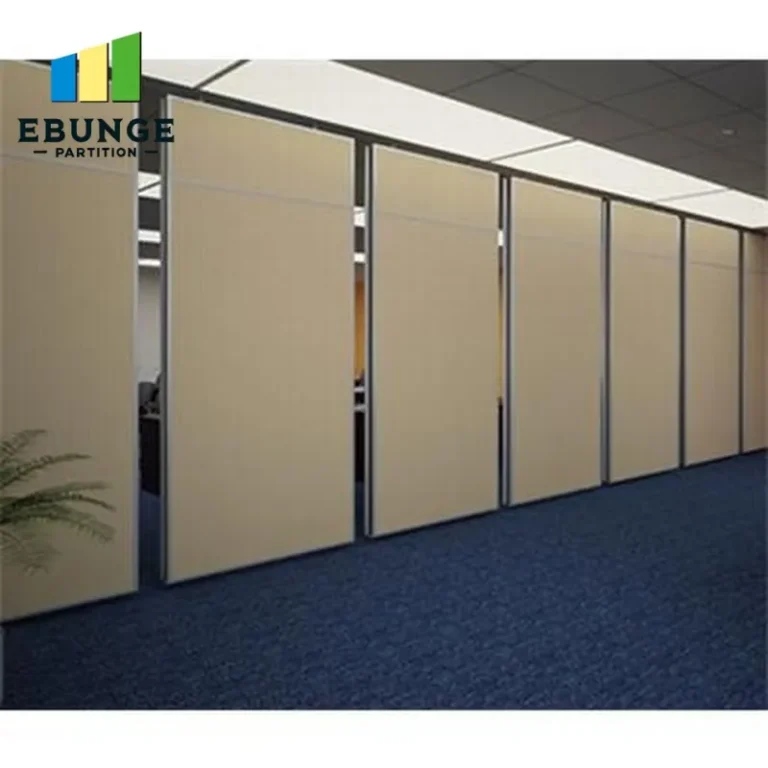
Cost vs. Value: A Practical Comparison Table
To help you evaluate proposals, use the following comparison table. Fill in the details for each supplier and weigh them according to your priorities.
| Criteria | Supplier A | Supplier B | Supplier C |
|---|---|---|---|
| Quoted price | |||
| Acoustic rating (STC/Rw) | |||
| Operation ease (1-5) | |||
| Durability features | |||
| Customization capability | |||
| Installation time (days) | |||
| Maintenance requirements | |||
| Warranty (years) | |||
| Compliance support |
Remember, the lowest price may not offer the best value if it compromises on acoustic performance or durability.
Compliance with Medical Standards: What to Verify
Medical facilities are subject to strict regulations regarding privacy and safety. Ensure that the proposed partition meets relevant standards such as HIPAA (in the US) or GDPR (in Europe) for privacy, and local fire codes. Ask the supplier for documentation that proves compliance. Do not assume that a standard office partition is automatically suitable.
Also, consider hygiene: the partition surfaces should be non-porous and easy to disinfect. Some finishes may not withstand harsh cleaning agents. Confirm this with the supplier.
Share the opening, drawings, finish direction, and privacy target for a project-specific review.
Factory Direct Support: Why It Matters
Working directly with the manufacturer can significantly reduce project risk. Factory-direct suppliers often provide better technical support, customization options, and after-sales service. They can also clarify design details and installation requirements. When comparing suppliers, ask if they are the manufacturer or a distributor. For a project with specific acoustic needs, factory-direct support ensures that the product is built to your exact specifications.
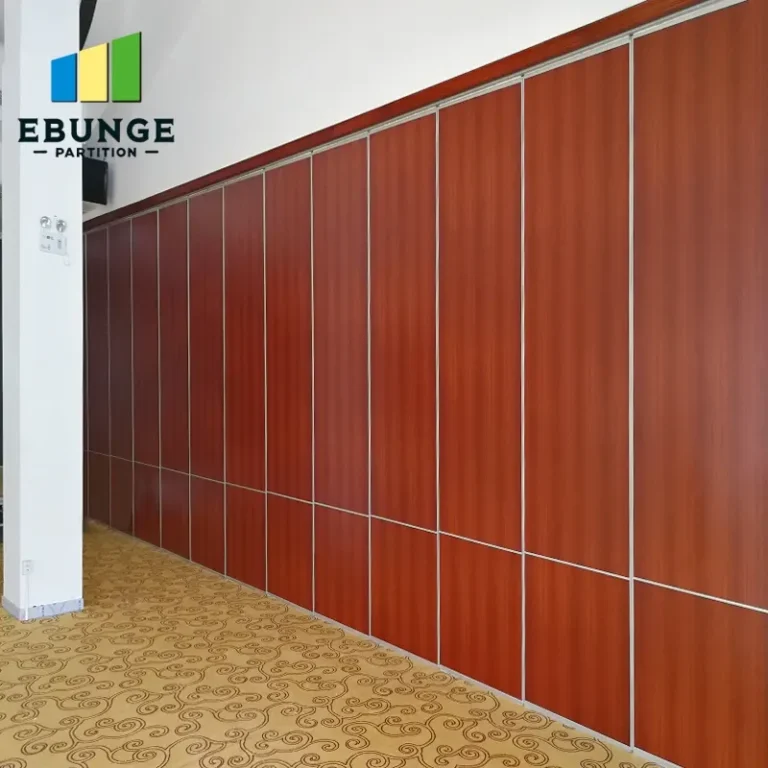
Installation Planning: Minimizing Disruption
Installation in a medical consultation space must be planned carefully to avoid interfering with patient care. Discuss the following with your supplier:
- Working hours (e.g., nights or weekends)
- Dust and noise control measures
- Clearance of the area before installation
- Access for large components
A professional supplier will provide a detailed installation plan and coordinate with your facility team.
Checklist for Quotation Readiness
Before you contact suppliers, ensure you have the following:
- [ ] Measured opening dimensions
- [ ] Defined acoustic target (e.g., STC 35)
- [ ] Finish preferences (color, material)
- [ ] Drawings (floor plan, elevation) marked
- [ ] List of compliance requirements
- [ ] Installation timeline and access constraints
- [ ] Budget range (optional but helpful)
Having these details ready will help you get accurate quotes and reduce back-and-forth communication.
Frequently Asked Questions
What is the ideal acoustic rating for a medical consultation room?
The ideal rating depends on the ambient noise and the level of privacy required. Generally, an STC of 45 or higher is recommended for confidential conversations, but you should assess the specific environment. A supplier can help you determine the appropriate target.
Can the partition be customized to match existing interior design?
Yes, most manufacturers offer a range of finishes, colors, and materials. You can also request custom sizes and features like integrated glass panels. Provide your design preferences in the RFQ.
How long does installation typically take?
Installation time varies based on the number of partitions, complexity, and site conditions. A simple single partition might take a few hours, while a larger project could take several days. Ask the supplier for a time estimate.
What maintenance is required for acoustic partitions?
Regular cleaning of the panels and tracks is usually sufficient. Check for any wear on seals and ensure the track remains clear of debris. Some systems have self-lubricating mechanisms, reducing maintenance frequency.
How do I know if the partition meets medical privacy standards?
Request documentation from the supplier that demonstrates compliance with relevant regulations, such as HIPAA or GDPR. Also, ask for acoustic test reports. You may also consult with a compliance expert.
Conclusion: Making Confident Decisions
Selecting an acoustic partition for a medical consultation space is a process that rewards careful preparation. By defining your requirements, preparing a detailed RFQ, and evaluating suppliers beyond price, you can mitigate project risks and ensure a successful installation. Remember that the right partition is an investment in privacy, functionality, and long-term value.
For more insights on movable partition walls, explore our movable partition wall solutions or read our blog articles on related topics. If you have specific questions, feel free to contact us for personalized guidance.
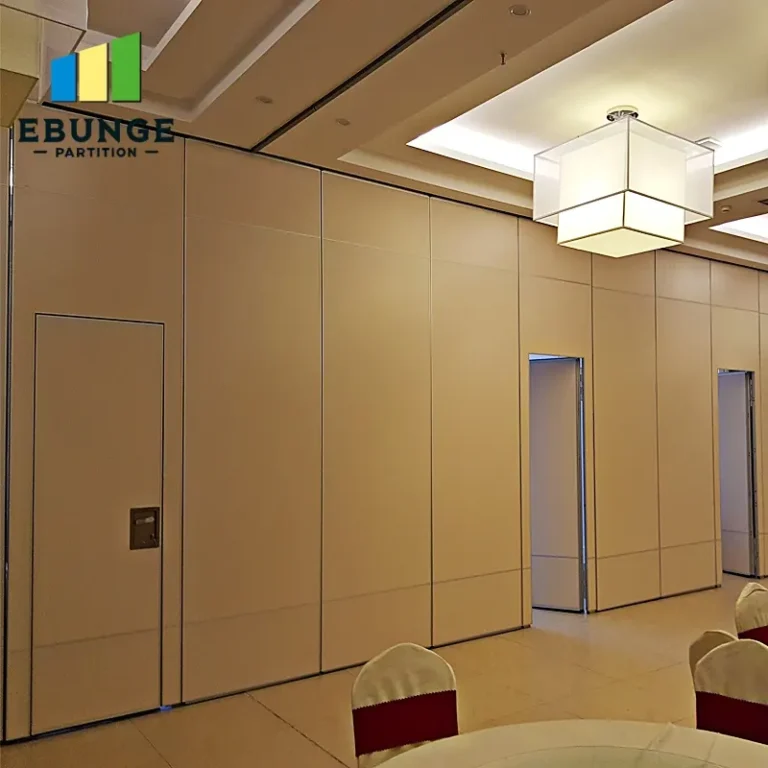
Send the opening size and drawings to discuss a differentiated acoustic partition solution.