
For overseas partition dealers, every office movable partition project is a balance between opportunity and risk. When a banquet hall project requires a partition wall system that matches specific interior design requirements, the dealer’s ability to prepare a precise quotation becomes the first line of defense. Without accurate information, even a well-priced bid can lead to costly revisions, delays, or disputes. This article focuses on how dealers can reduce project decision risk by structuring their quotation process around verified data and clear communication, specifically for office movable partition installations in venues like banquet halls.
Direct answer: To reduce risk in office movable partition projects, overseas dealers must base every quotation on confirmed project drawings, opening sizes, acoustic targets, finish preferences, and factory-direct support. By standardizing a pre-quotation checklist and communicating openly with the supplier, you can avoid mismatched finishes, installation surprises, and performance gaps—turning a complex banquet hall project into a predictable, profitable deal.
Why Quotation Readiness Determines Project Success
In the competitive market for office movable partition systems, dealers often face pressure to provide quick estimates. However, a quotation that lacks specificity creates room for misinterpretation. For a banquet hall, where aesthetics and acoustics are equally critical, an incomplete quote can result in a partition that looks out of place or fails to contain sound. The key is to treat every quotation as a project blueprint, not a sales pitch.
When you request a quote from your supplier, include all relevant drawings and specifications. This practice not only ensures accuracy but also demonstrates professionalism to your client. A dealer who asks the right questions is seen as a partner, not just a vendor.
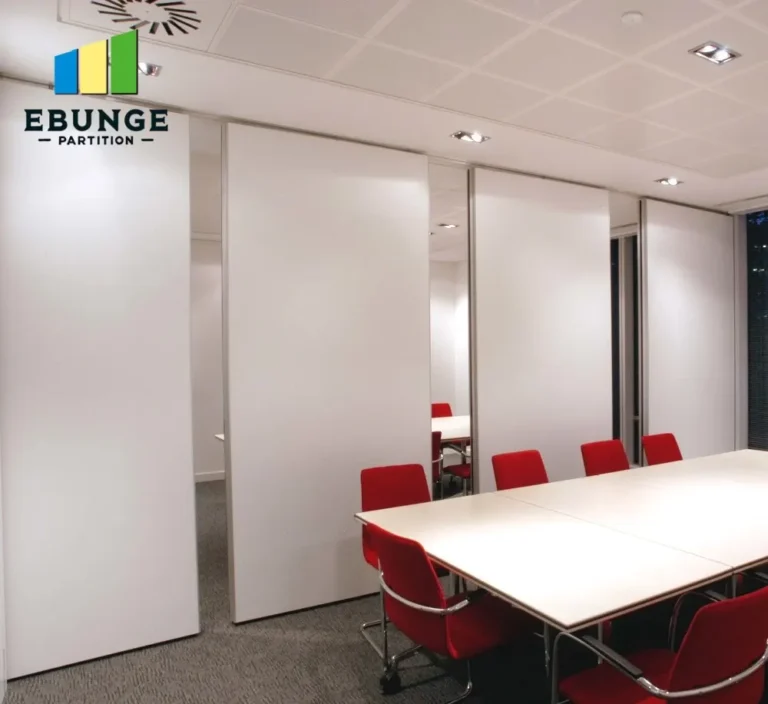
Need help turning the office movable partition requirements into a practical project layout?
Understanding the Banquet Hall Environment
Banquet halls are unique spaces. They host weddings, conferences, and social events, often requiring flexible room configurations. This means the office movable partition must be easy to operate, reliable, and visually appealing. Unlike standard office partitions, banquet hall installations may need to accommodate high ceilings, irregular layouts, and heavy usage.
From a technical standpoint, the opening size and acoustic target are critical. A partition that spans a wide opening needs additional structural support, while a high acoustic rating (e.g., STC 50) requires thicker panels and proper sealing. If your client hasn’t specified these parameters, you must ask before quoting.
Critical Data to Collect Before Quoting
To minimize risk, collect the following data from your client or the project architect. This information is non-negotiable for an accurate quotation:
- Opening dimensions: Width, height, and depth of the opening, including any obstructions like columns or beams.
- Acoustic target: The desired sound transmission class (STC) or acoustic performance level, as defined by the client’s requirements.
- Finish preference: Material, color, texture, and any custom patterns. For banquet halls, finishes often need to match existing décor or brand identity.
- Drawings: Architectural or structural drawings that show the partition’s location, wall construction, and ceiling details.
- Operational needs: How often will the partition be moved? Manual or motorized operation? Stacking configuration?
- Site conditions: Floor flatness, ceiling height, and access for delivery and installation.
Without this data, any quotation is a guess. A guess might win a bid, but it also invites change orders and disputes.
Finish Matching: The Aesthetic Risk
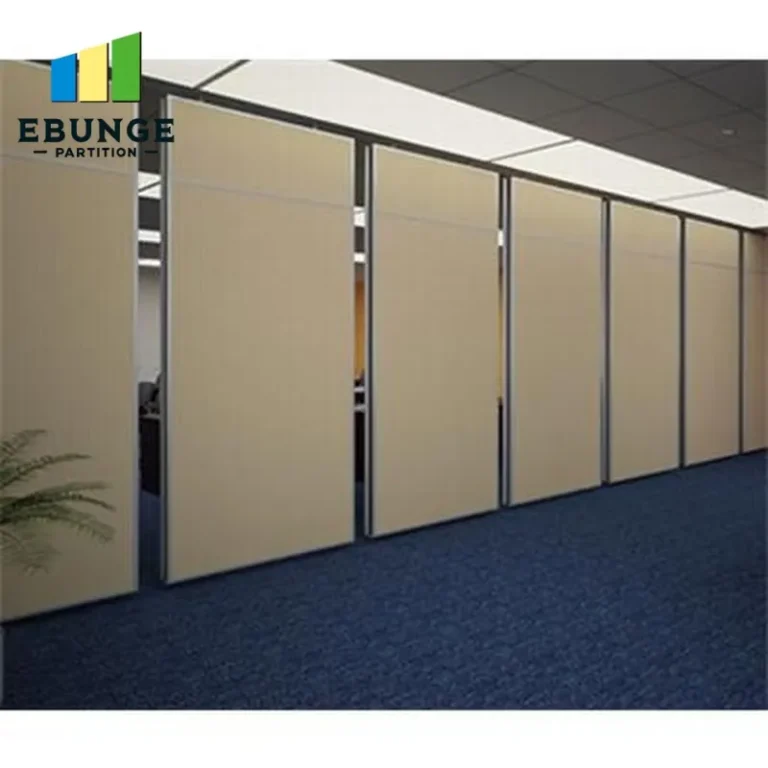
One of the most common pain points for overseas dealers is matching finishes with interior design requirements. In a banquet hall, the partition is often a visible element, not just a functional divider. If the finish doesn’t match the room’s décor, it can ruin the ambiance and lead to client dissatisfaction.
To avoid this, request physical samples or high-resolution digital proofs from your supplier before quoting. Ask about the availability of custom finishes, such as wood veneer, fabric, or laminate, and confirm lead times. Some suppliers offer factory-direct support to coordinate finishes, which can be a significant advantage. For example, acoustic partition systems often come with a range of standard finishes, but custom options may require additional time.
Acoustic Performance: Setting Realistic Expectations
Acoustic performance is another area where risk can escalate. Banquet halls need to control noise between spaces, especially during simultaneous events. If your quotation promises a specific STC rating, ensure it is based on verified test data from the manufacturer. Do not rely on generic claims.
Also, consider the installation context. Acoustic performance depends on the surrounding walls, ceiling, and floor. A partition with a high STC rating will underperform if the adjacent walls are not soundproofed. Discuss these variables with your supplier and include them in your quotation notes.
Share the opening, drawings, finish direction, and privacy target for a project-specific review.
Supplier Support: Your Safety Net
As an overseas dealer, you are the bridge between the client and the manufacturer. A supplier that offers technical support, installation guidance, and clear documentation can significantly reduce your risk. Before committing to a project, verify that your supplier provides:
- Detailed product drawings and installation manuals.
- Technical consultation for custom projects.
- Responsive communication across time zones.
- Clear warranty terms and after-sales service.
Factory-direct support is particularly valuable. It means you can get accurate answers quickly, without intermediaries. For instance, contacting the factory directly can help clarify product specifications or resolve installation issues.
Installation Complexity: Planning for Success
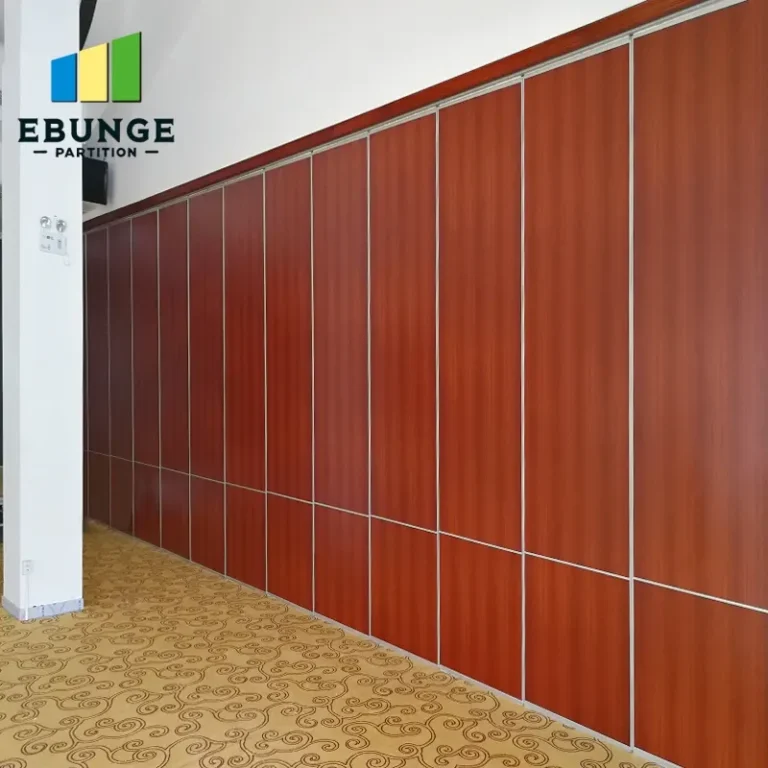
Office movable partition installation is not a simple plug-and-play process. It requires precise alignment, proper track installation, and careful handling of panels. For banquet halls, where ceilings may be high and floors uneven, installation complexity increases.
Include installation considerations in your quotation. Will the supplier provide on-site supervision? Are there special tools required? What is the estimated installation time? By addressing these questions upfront, you can avoid unexpected costs and delays.
Also, ensure that your client understands the installation process. A clear scope of work prevents disputes about responsibilities, such as who provides the electrical connection for motorized partitions.
Checklist for a Risk-Reduced Quotation
| Item | Details to Confirm | Status |
|---|---|---|
| Opening size | Width, height, depth, obstructions | Required |
| Acoustic target | STC rating or acoustic requirement | Required |
| Finish preference | Material, color, texture, custom patterns | Required |
| Drawings | Architectural or structural drawings | Required |
| Operational needs | Manual or motorized, stacking configuration | Recommended |
| Site conditions | Floor flatness, ceiling height, access | Recommended |
| Supplier support | Technical support, installation guidance, warranty | Required |
Use this checklist before sending any quotation. It will help you and your client align on expectations, reducing the risk of costly changes later.
Conclusion: De-Risk Your Next Office Movable Partition Project
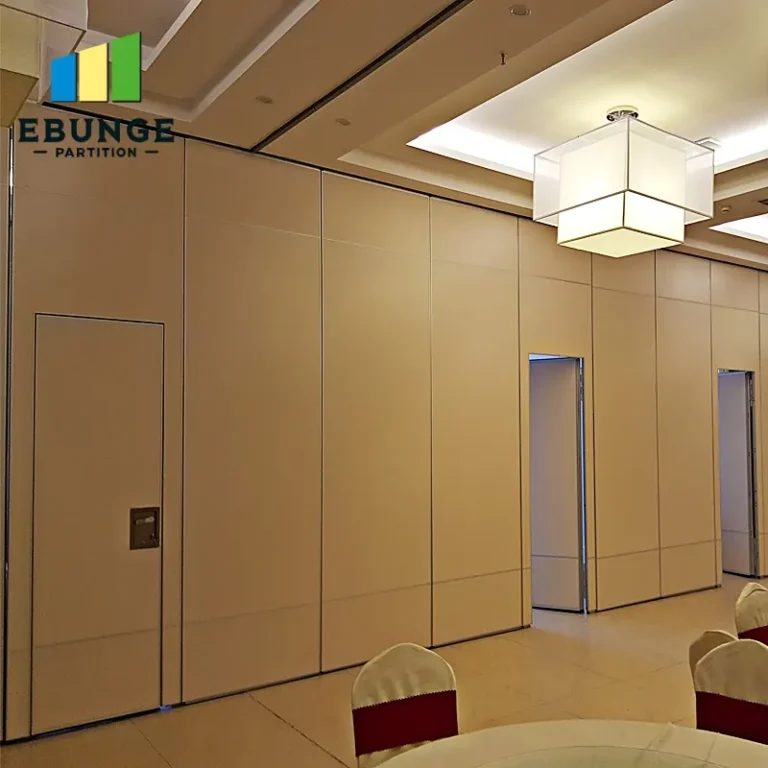
In the world of office movable partition projects, risk is inevitable, but it can be managed. By focusing on quotation readiness—collecting accurate data, understanding the application, and leveraging factory-direct support—you can protect your margins and reputation. For banquet halls, where aesthetics and acoustics are paramount, this approach is especially vital.
Remember, a successful project starts with a well-informed quote. So, before you send that next proposal, take the time to gather the necessary details and consult with your supplier. Your future self—and your client—will thank you.
Frequently Asked Questions
1. What is the most important information to include in a quotation for an office movable partition?
The most critical information includes opening size, acoustic target, finish preference, and drawings. Without these, the quotation is incomplete and risky.
2. How can I ensure the finish matches my client’s interior design?
Request physical samples or high-resolution proofs from your supplier. Discuss custom finish options and lead times before quoting.
3. What acoustic performance should I specify for a banquet hall partition?
The acoustic target depends on the client’s needs. Typically, STC 40-50 is common for banquet halls, but you should confirm with the client and ensure the supplier’s product is tested.
4. How do I handle installation complexity in my quotation?
Include installation considerations such as supervision, tools, and time. Clarify who is responsible for site preparation and electrical connections.
5. Why is factory-direct support important for overseas dealers?
Factory-direct support provides accurate technical information, faster response times, and better coordination for custom projects, reducing the risk of errors.
6. Can I rely on generic product specifications for my quotation?
No. Always use verified data from the manufacturer, and confirm that the product meets your project’s specific requirements.
Send the opening size and drawings to discuss a differentiated office movable partition solution.