
When planning a restaurant flexible dining room, the movable partition cost is rarely a single number. It is a project-based figure that depends on opening sizes, acoustic targets, finish preferences, and the supplier’s ability to provide factory-direct support. For a trading company without its own factory, the challenge is not just comparing prices but ensuring that the quoted cost reflects a real manufacturing source. This guide helps you prepare the right information, ask the right questions, and avoid hidden costs that often surface after installation.
Direct answer: The cost of a movable partition for a restaurant flexible dining room is determined by the total opening area, the number of panels and tracks, the acoustic performance required, the finish and hardware quality, and the level of engineering support. For accurate quotations, you must provide opening dimensions, desired acoustic rating, finish samples, and architectural drawings. Factory-direct suppliers typically offer more competitive pricing and better technical coordination than traders.
Movable Partition: Why the Total Cost Is More Than the Price per Square Meter
Many buyers focus on the per-square-meter rate, but the final invoice includes engineering, track systems, hardware, packaging, and delivery. A movable partition wall system is not a standard product; it is engineered for each opening. The number of panels, the stacking space required, and the track configuration all influence the cost. For a restaurant that needs flexible dining zones, you may also need soundproofing, which adds to the material and labor costs.
When you request a quotation, be cautious of extremely low per-square-meter rates. They often exclude essential components like seals, guides, or acoustic insulation. Ask for a detailed breakdown that lists every component and service. A reputable factory will provide a transparent quote that separates material, hardware, and engineering fees.
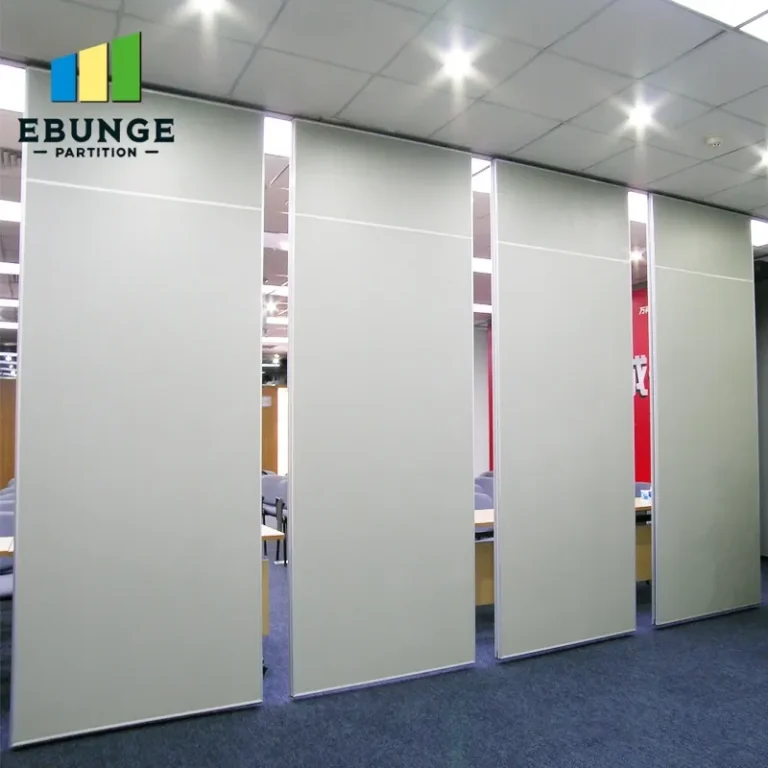
Need help turning the movable partition requirements into a practical project layout?
Opening Size and Configuration: The Starting Point
The total width and height of the opening are the primary cost drivers. Larger openings require more panels and longer tracks, increasing material and installation effort. The configuration also matters: straight runs are simpler than L-shaped or curved tracks, which require custom engineering. For a restaurant with multiple dining areas, you may need several partitions, each with its own track and stacking pocket. This multiplies the cost.
To get an accurate quote, measure the exact clear opening dimensions, including the floor-to-ceiling height and the width of each bay. If you have drawings, share them with the supplier. This reduces the risk of misunderstanding and ensures the quotation reflects your actual requirements.
Acoustic Performance: Balancing Cost and Comfort
In a restaurant, noise control is critical. A movable partition with a higher Sound Transmission Class (STC) rating costs more because it requires thicker panels, better seals, and more robust hardware. However, the right acoustic performance depends on the intended use. If you only need to divide a space for casual dining, a lower rating may suffice. If you need to host private events or meetings, you may need a higher rating.
Do not assume that all acoustic partitions are the same. The acoustic target must be stated in your specifications. A factory can help you choose the right panel construction and sealing system to meet your needs without overspending. Remember that the acoustic performance is only as good as the installation; proper perimeter sealing is essential.
Finish and Customization: Impact on Cost and Aesthetics
The finish of your movable partition affects both the look and the price. Standard finishes like laminate or painted surfaces are more affordable, while wood veneer, fabric, or custom colors increase the cost. For a restaurant, you may want a finish that matches your interior design, which requires additional lead time and cost.
Customization also includes the type of operation: manual or motorized. Motorized partitions are more expensive but offer convenience and a premium feel. You may also need special features like pass doors, glazing, or curved panels. Each customization adds to the engineering and manufacturing cost. Be clear about your finish preferences and functional needs to receive a precise quotation.
Installation Complexity: What to Expect
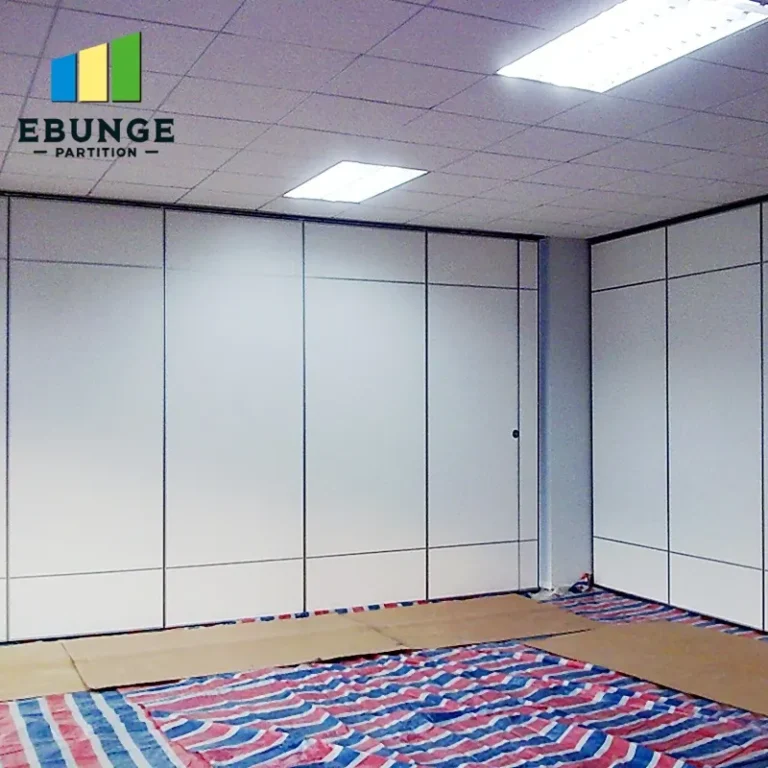
Installation is a significant part of the total cost. The complexity depends on the condition of your ceiling and floor. A top-hung track without a floor rail requires a structurally sound ceiling that can support the weight of the panels. If your ceiling is not suitable, you may need additional reinforcement, which adds cost. The installation team must also coordinate with other trades, such as electrical and HVAC, if any modifications are needed.
Ask your supplier whether they provide installation guidance or a full installation service. Some factories offer technical drawings and on-site supervision, which can help avoid costly mistakes. If you hire a local installer, ensure they are experienced with top-hung systems. Poor installation can lead to misalignment, poor acoustic performance, and premature wear.
Durability in High-Traffic Areas
Restaurants experience heavy use, so your movable partition must withstand frequent operation. The quality of the track, trolleys, and seals determines the lifespan. Cheaper components may save money initially but can fail quickly, leading to higher maintenance costs. A factory that produces its own hardware can ensure better quality control and offer more reliable warranties.
When comparing quotes, ask about the materials used in the track and trolleys, and whether the panels are impact-resistant. A reputable supplier will provide details about their product’s durability without overpromising. Look for a warranty that covers mechanical parts, but do not rely solely on the warranty; the upfront quality matters.
Delivery Time and Project Scheduling
The manufacturing time for a movable partition can range from a few weeks to several months, depending on the complexity and the factory’s workload. If you have a tight project deadline, you may need to pay a premium for expedited production. However, rushing can lead to errors. Plan ahead and include delivery time in your project schedule.
Ask the supplier for a realistic lead time based on your specifications. Also, consider shipping costs and potential customs duties if you are importing. A factory-direct supplier can often provide better logistics coordination, but you should confirm the delivery terms and any additional charges.
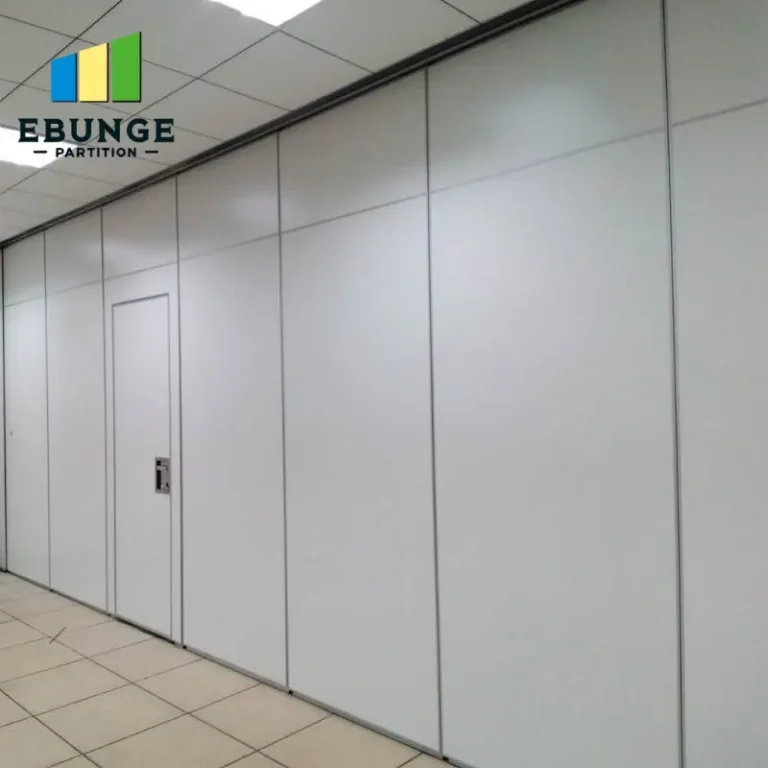
Share the opening, drawings, finish direction, and privacy target for a project-specific review.
Supplier Reliability: Factory vs. Trader
For a trading company without its own factory, sourcing from a real factory is crucial. A factory can offer better pricing, direct technical support, and more flexibility in customization. A trader may not have the same level of knowledge or control over quality. To verify that you are dealing with a factory, ask for manufacturing evidence such as production photos, video calls, or a factory audit. Also, check if the company has its own research and development team and production lines.
Working with a factory also simplifies communication. You can discuss drawings and specifications directly with the engineers who will build your partition. This reduces the risk of miscommunication and ensures the final product meets your expectations. When you request a quotation, ask for a detailed technical proposal that includes drawings and a bill of materials.
Hidden Costs to Watch For
Several hidden costs can inflate your budget. These include packaging for export, delivery to the site, local taxes, and installation labor. Some suppliers may quote a low price but add charges for engineering, samples, or testing. Always request a comprehensive quotation that lists all items and services. Also, consider the cost of maintenance and spare parts over time. A slightly higher upfront cost for a quality product can save money in the long run.
Checklist for Quotation Readiness
To get accurate and comparable quotes, prepare the following information:
- Exact opening dimensions (width, height, depth)
- Number of openings and their configurations
- Required acoustic rating (e.g., STC 40)
- Finish preferences (laminate, veneer, fabric, or custom)
- Operation type (manual or motorized)
- Any special features (pass doors, glazing)
- Architectural drawings or detailed sketches
- Project timeline and delivery expectations
Having this information ready will help you receive more precise quotations and reduce the risk of unexpected costs.
Comparing Quotes: What to Look For
When comparing quotes, do not just look at the total price. Examine the scope of supply, the quality of components, and the level of support. A lower quote may exclude essential items or use inferior materials. Create a comparison table to evaluate each quote based on key criteria:
| Criteria | Supplier A | Supplier B |
|---|---|---|
| Price per square meter | ||
| Total price | ||
| Included items (track, seals, etc.) | ||
| Acoustic performance | ||
| Finish options | ||
| Lead time | ||
| Installation support | ||
| Warranty | ||
| Factory-direct? (yes/no) |
Conclusion
The cost of a movable partition for a restaurant flexible dining room is influenced by many factors, but with careful planning and the right information, you can make an informed decision. Focus on the value, not just the price, and choose a supplier that offers factory-direct support and transparent pricing. By preparing your specifications and asking the right questions, you can avoid hidden costs and ensure a successful project.
Frequently Asked Questions
What information do I need to get an accurate movable partition quote?
You need the exact opening dimensions, the number of panels, the desired acoustic rating, finish preferences, and architectural drawings. This allows the supplier to provide a precise quotation.
How does the acoustic rating affect the cost?
Higher acoustic ratings require thicker panels, better seals, and more robust hardware, which increases the cost. Specify your acoustic target to avoid overpaying or underperforming.
Can I install a movable partition without a floor rail?
Yes, a top-hung track system does not require a floor rail, which is ideal for spaces where floor obstructions are undesirable. Ensure your ceiling can support the weight.
How long does delivery take?
Delivery time varies based on the complexity and the factory’s workload. Ask for a realistic lead time and include it in your project schedule.
What should I check to ensure the supplier is a real factory?
Ask for production photos, video calls, or a factory audit. Verify that they have their own production lines and technical team, not just a trading office.
Are there any hidden costs I should be aware of?
Yes, packaging, delivery, installation, and local taxes can add up. Request a comprehensive quotation that lists all items and services.
For more insights on movable partition costs, explore our Movable Partition Cost category or read about partition wall systems. If you need a tailored quotation, contact us with your project details.
Send the opening size and drawings to discuss a differentiated movable partition solution.