
When you are responsible for specifying a partition wall system for a recording studio in a government or public building, the decision carries a different weight than a typical office fit-out. You are not just choosing a product; you are committing to a long-term investment that must meet acoustic, safety, and maintenance standards for years to come. The selection process involves comparing suppliers, but the real challenge is comparing proposals that may differ in scope, materials, and hidden costs. This article focuses on the practical steps to evaluate suppliers for a partition wall system in a recording studio, ensuring you have the right information for a confident, quotation-ready decision.
Direct answer: When comparing partition wall system suppliers for a recording studio, focus on their ability to provide detailed quotations based on your specific opening size, acoustic target, finish preference, and drawings. Prioritize suppliers that offer factory-direct support, clear installation guidance, and transparent warranty terms. Always request references from past studio projects and verify compliance with relevant building codes. The goal is to minimize project risk by ensuring the supplier understands your unique acoustic and maintenance requirements before you commit.
Why a Recording Studio Partition Wall System Demands Extra Scrutiny
Unlike standard office partitions, a recording studio requires a partition wall system that provides high acoustic insulation, often with a specific Sound Transmission Class (STC) rating. The system must also withstand daily use in a public building, which means durability and ease of maintenance are non-negotiable. In addition, you must consider installation complexity: a poorly installed system can compromise acoustic performance and lead to costly rework. Therefore, when comparing suppliers, you need to look beyond the surface-level product specifications and evaluate their capacity to deliver a solution that meets your project’s unique requirements.
Need help turning the partition wall system requirements into a practical project layout?
Key Factors to Compare in Supplier Quotations
Before you can compare quotations, you need to ensure that each supplier is quoting on the same basis. This means providing them with a clear scope of work, including architectural drawings, opening sizes, and your acoustic target. Here are the critical factors to compare:
- Acoustic Rating (STC): Verify that the proposed partition wall system meets or exceeds your required STC. Ask for test data from accredited laboratories.
- Installation Complexity: Assess the level of installation difficulty. A system that requires specialized labor may increase costs and project duration.
- Durability for Daily Use: Consider the materials used, especially in high-traffic areas. Look for features like impact resistance and ease of cleaning.
- Maintenance Requirements: Ask about recommended maintenance schedules and the availability of spare parts.
- Compliance with Building Codes: Ensure the system meets local fire, safety, and accessibility regulations.
- Warranty Length: Compare warranty terms, but also understand what is covered and for how long.
- Supplier Experience with Studios: Request case studies or references from similar recording studio projects.
- Delivery Lead Time: Confirm the supplier can meet your project timeline, considering manufacturing and shipping.
Acoustic Performance: What to Ask for in a Partition Wall System
Acoustic performance is the heart of a recording studio partition. When comparing systems, you need to know the STC rating, but also how that rating is achieved. For example, a system with a high STC might rely on specific seals, double glazing, or mass-loaded vinyl. Ask for detailed specifications and test reports. Also, consider the acoustic performance of the partition in real-world conditions: a system that is difficult to install correctly may underperform in practice. Therefore, you should request installation guidelines and, if possible, visit a completed installation.
Installation Complexity and Its Impact on Your Project
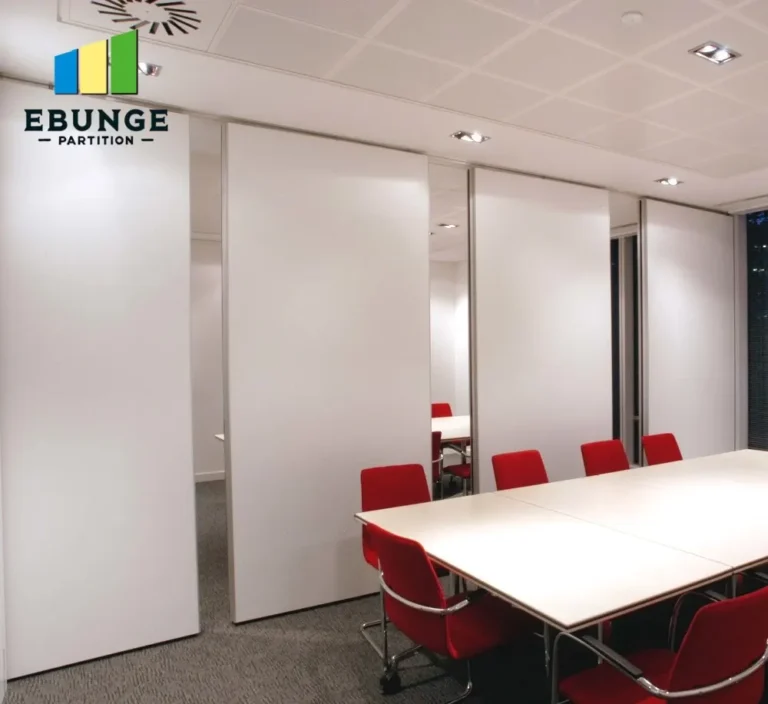
Installation complexity can significantly affect your project’s cost and timeline. A partition wall system that requires extensive site preparation, specialized tools, or highly skilled labor may increase your budget. Conversely, a system designed for ease of installation can reduce labor costs and expedite the schedule. When comparing suppliers, ask for a detailed installation plan, including the number of installers required and the estimated time for completion. Also, inquire about the level of factory support: does the supplier provide on-site supervision or training for local installers?
Durability and Maintenance: Planning for the Long Term
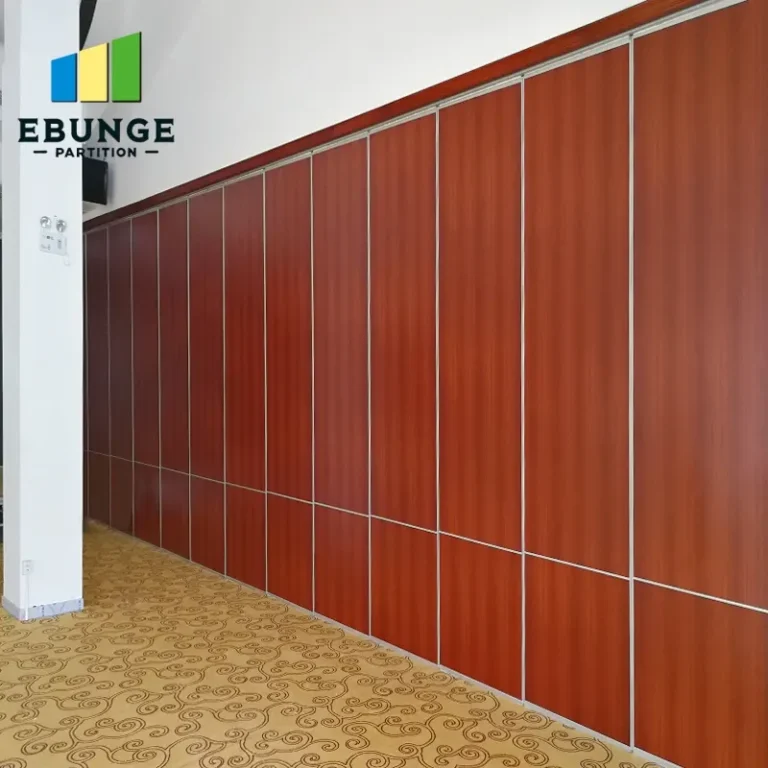
In a public building, the partition wall system will be subjected to frequent use and potential abuse. Therefore, you must evaluate the durability of the materials and the ease of maintenance. Look for surfaces that are scratch-resistant, easy to clean, and can withstand impacts from equipment or furniture. Also, consider the maintenance requirements: some systems may require periodic adjustment of seals or tracks, while others are virtually maintenance-free. Ask suppliers for their recommended maintenance schedule and the availability of replacement parts. A system that is difficult to maintain can become a long-term liability.
Compliance and Warranty: Protecting Your Investment
Compliance with building codes is non-negotiable. The partition wall system must meet fire safety, accessibility, and structural requirements. Ask suppliers for documentation of compliance, such as test certificates and declarations of performance. Also, review warranty terms carefully: what does the warranty cover, how long is it, and what are the exclusions? A comprehensive warranty can provide peace of mind, but only if the supplier has a proven track record of honoring it. Consider the supplier’s financial stability and reputation in the industry.
Supplier Experience and References for Recording Studios
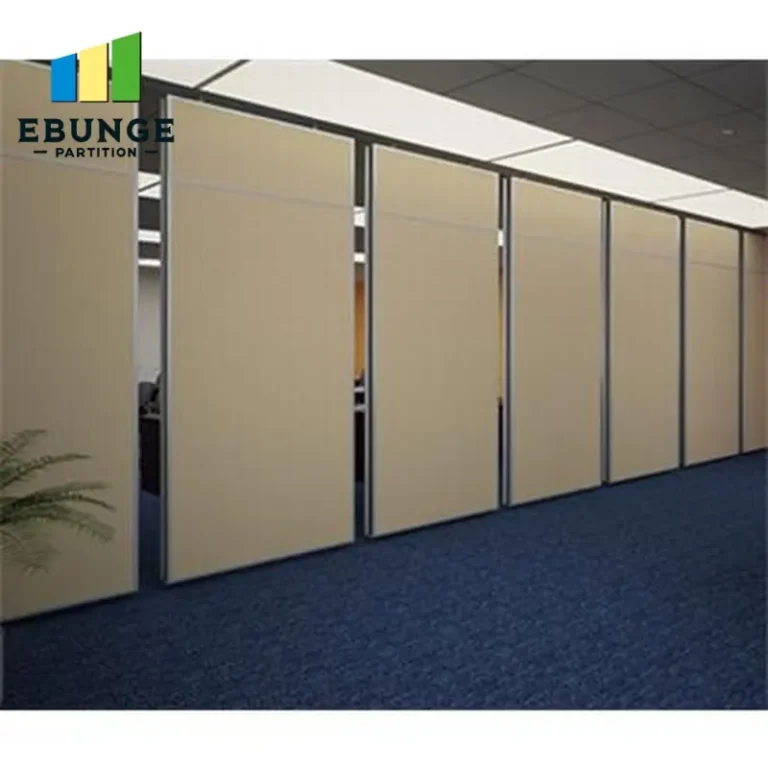
Experience with recording studio projects is a strong indicator of a supplier’s ability to meet your specific needs. Ask for references from past studio projects and contact those clients to learn about their experience. Inquire about the supplier’s understanding of acoustic requirements, their problem-solving capabilities, and their responsiveness during installation. A supplier with a proven track record in studios is more likely to anticipate challenges and deliver a solution that meets your expectations.
Share the opening, drawings, finish direction, and privacy target for a project-specific review.
Delivery Lead Time and Project Scheduling
Delivery lead time can affect your overall project schedule. When comparing suppliers, obtain a clear commitment on lead times, from order confirmation to delivery. Consider factors such as manufacturing location, shipping time, and potential delays. Also, discuss the possibility of phased delivery if your project requires it. A supplier that can guarantee a reliable delivery schedule helps you avoid costly disruptions.
Creating a Comparison Checklist for Your Team
To make an informed decision, create a comparison checklist that includes all the factors discussed. Use it to evaluate each supplier’s quotation and presentation. The checklist should include:
| Criteria | Supplier A | Supplier B | Supplier C |
|---|---|---|---|
| STC rating | |||
| Installation complexity | |||
| Durability features | |||
| Maintenance requirements | |||
| Code compliance | |||
| Warranty length | |||
| Studio experience | |||
| Delivery lead time | |||
| Factory support |
Use this table to objectively compare proposals and identify any gaps in information. If a supplier cannot provide clear answers to these questions, that is a red flag.
The Role of Factory-Direct Support in a Partition Wall System
Factory-direct support can be invaluable, especially for a complex installation like a recording studio. A supplier that offers direct access to their technical team can help you refine your specifications, provide installation guidance, and troubleshoot issues on-site. This support can reduce the risk of errors and ensure that the partition wall system performs as intended. When comparing suppliers, ask about the level of support they provide: is there a dedicated project manager? Can they provide detailed drawings and installation manuals? Do they offer on-site supervision? These services can make a significant difference in the success of your project.
Preparing for Quotation: What You Need to Have Ready
To get accurate quotations, you need to provide suppliers with comprehensive information. This includes:
- Opening size: The exact dimensions of the area to be partitioned.
- Acoustic target: The required STC rating or specific acoustic performance.
- Finish preference: The desired surface finish, such as laminate, veneer, or paint.
- Drawings: Architectural or layout drawings that show the partition location and any constraints.
- Operational requirements: For example, whether the partition needs to be movable, and how often it will be used.
Having this information ready will not only speed up the quotation process but also ensure that all suppliers are quoting on the same basis, making your comparison more meaningful.
Conclusion
Comparing partition wall system suppliers for a recording studio requires a thorough evaluation of technical performance, installation practicality, and long-term maintenance. By focusing on the factors outlined in this article, you can reduce project risk and make a well-informed decision. Remember to request detailed quotations, verify claims with documentation, and seek references from comparable projects. A partition wall system is a significant investment, and taking the time to compare suppliers carefully will pay off in the long run.
Frequently Asked Questions
What is the most important factor when comparing partition wall systems for a recording studio?
How can I verify a supplier’s acoustic claims?
What should I include in my request for quotation (RFQ) for a partition wall system?
How long does it typically take to install a partition wall system in a recording studio?
What maintenance is required for a partition wall system?
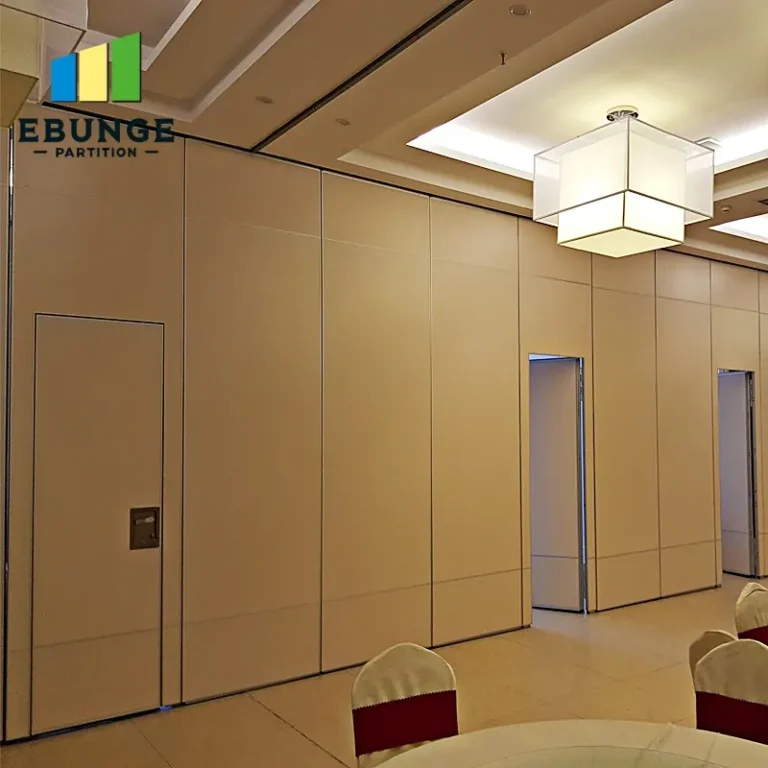
For more information on movable partition walls, you can explore our movable partition wall solutions. If you have questions about installation, visit our installation guide. For tips and insights, check our blog. To discuss your project requirements, feel free to contact us.
Send the opening size and drawings to discuss a differentiated partition wall system solution.