
Selecting a partition wall system for a recording studio in a government or public building project is not the same as choosing one for a typical office. The acoustic requirements are stricter, the traffic is heavier, and the procurement process is more rigorous. You need a system that can be specified with confidence, installed on schedule, and maintained over decades. This comparison guide focuses on the practical steps to evaluate suppliers and prepare a quotation-ready specification, minimizing project decision risk.
When comparing partition wall system suppliers for a recording studio, focus on four things: acoustic performance certification, installation timeline, total cost of ownership, and factory-direct support. For a government project, you must also verify compliance with building codes and ensure the supplier can provide detailed drawings and technical documentation. Request a pre-bid meeting to discuss opening sizes, acoustic targets, finish preferences, and maintenance plans. Choose a supplier that offers a top-hung track without a floor rail, as this simplifies cleaning and reduces trip hazards in high-traffic areas.
Why a Recording Studio Requires a Different Comparison Approach
A recording studio demands a partition wall system that provides high sound insulation, often with a Sound Transmission Class (STC) rating of 50 or higher. Unlike an office, the studio may have specific acoustic treatments, such as absorbers or diffusers, that affect the wall’s performance. In a public building, the system must also withstand frequent use by staff and visitors, so durability and ease of maintenance are critical. The comparison must go beyond initial price and consider long-term costs, including energy efficiency, repairs, and replacement parts.
For government projects, procurement rules often require a transparent evaluation process. You need to document why you chose a particular supplier. This means you must compare not only the product but also the supplier’s ability to meet project timelines, provide as-built drawings, and offer post-installation support.
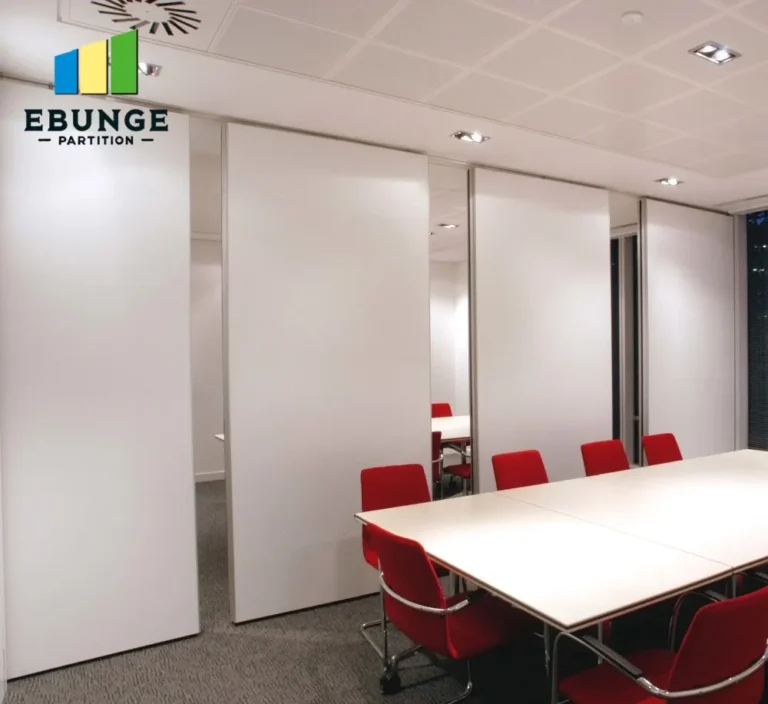
Need help turning the partition wall system requirements into a practical project layout?
Key Evaluation Criteria for Partition Wall System Suppliers
When creating a comparison matrix, include these criteria:
- Acoustic performance: Look for certified test reports from recognized laboratories. The partition wall system should meet the required STC or Rw rating for your studio.
- Durability: Check the materials used, especially in high-traffic areas. The system should resist impacts and frequent operation without sagging or misalignment.
- Building code compliance: Ensure the system meets local fire safety, accessibility, and structural requirements.
- Ease of maintenance: Consider the cleaning process, availability of spare parts, and whether the system can be adjusted if the building settles.
- Installation timeline: Ask for a realistic schedule, including lead time for manufacturing and installation. Delays can affect your project’s critical path.
- Warranty terms: Review what is covered, the duration, and the process for claims. Some suppliers offer extended warranties for public projects.
- Supplier reliability: Research the supplier’s track record with similar projects. Request references from other government or institutional clients.
- Total cost of ownership: Calculate the initial cost plus maintenance, energy, and potential replacement costs over the system’s lifespan.
Preparing a Quotation-Ready Specification
To get accurate quotations, you must provide detailed information. A vague request will lead to vague prices and hidden costs. At a minimum, include:
- Opening sizes: Provide exact dimensions for each partition opening, including height, width, and depth.
- Acoustic target: Specify the required STC or Rw rating, based on the studio’s needs and local regulations.
- Finish preference: Indicate the desired surface finish (e.g., laminate, veneer, paint) and color, as this affects cost and lead time.
- Drawings: Share architectural and structural drawings, including details of the ceiling, floor, and adjacent walls.
- Factory direct support: Ask if the supplier provides direct technical support for installation and maintenance, rather than relying on third-party contractors.
By providing this data, you reduce the risk of misinterpretation and ensure that all bids are comparable.
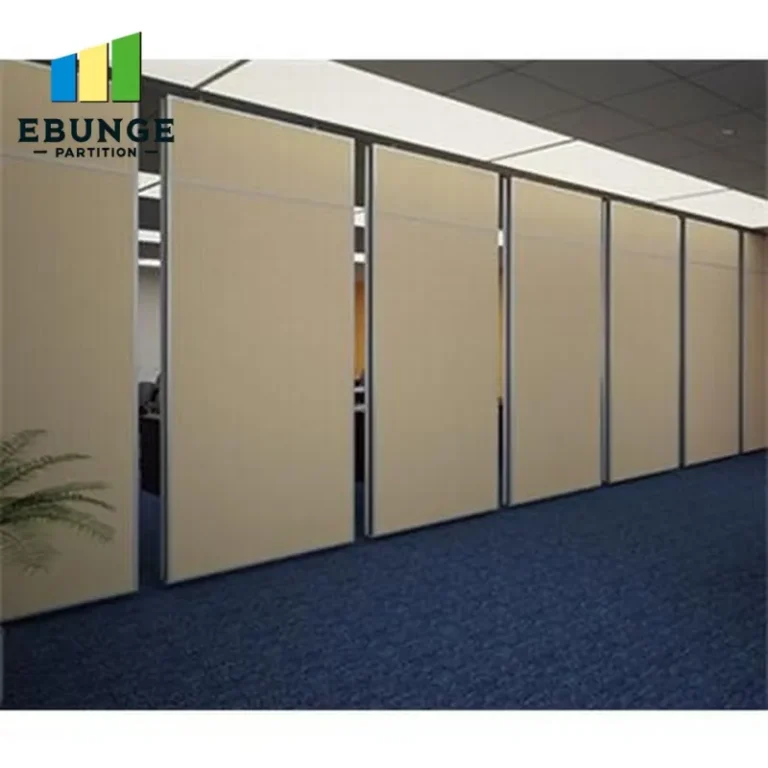
Acoustic Performance: Certification and Real-World Considerations
Acoustic certification is non-negotiable for a recording studio. Look for test reports from accredited laboratories that specify the exact wall configuration tested, including the panels, seals, and track systems. Be wary of suppliers who claim performance without documentation. Also, consider the site conditions: the actual acoustic performance may differ from the lab test if the installation is not perfect. Ask the supplier how they ensure acoustic integrity on site, such as using acoustic seals and proper installation techniques.
For high-traffic areas, the partition wall system should also have good acoustic insulation at the perimeter seals. Over time, seals can wear, so choose a system that allows easy replacement.
Durability and Maintenance in High-Traffic Public Buildings
In a public building, the partition wall system will be used frequently. Look for features like reinforced panels, impact-resistant edges, and a top-hung track that reduces wear on the floor. A top-hung system without a floor rail is easier to clean and less likely to be damaged by carts or foot traffic. Maintenance should be straightforward: check if the system can be realigned easily, and if spare parts are readily available.
Consider the total cost of ownership: a cheaper system may require more frequent repairs or have a shorter lifespan. Calculate the cost per year over the expected life of the building, which might be 30 years or more.
Installation Timeline and Project Coordination
Delays in partition installation can disrupt the entire project. Ask suppliers for a detailed installation timeline, including the time for manufacturing, delivery, and on-site installation. Inquire about their experience with similar public projects and whether they have a dedicated project manager. Also, discuss how they coordinate with other trades, such as electrical and HVAC, to avoid conflicts.
For government projects, there may be specific requirements for working hours, safety, and reporting. Ensure the supplier can comply with these.
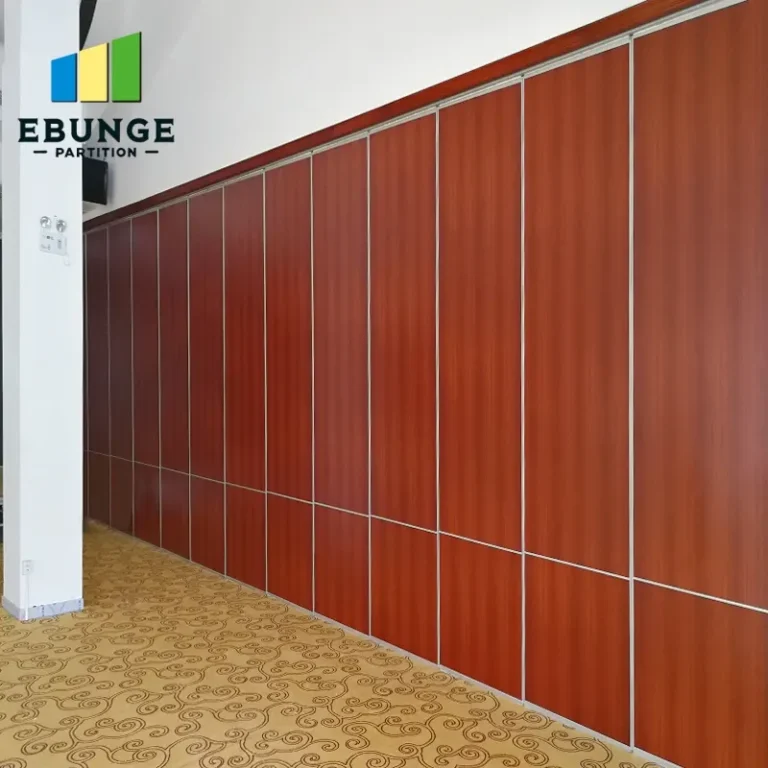
Share the opening, drawings, finish direction, and privacy target for a project-specific review.
Warranty and Post-Installation Support
Review warranty terms carefully. What is covered? For how long? Does it include labor and parts, or only parts? What is the process for making a claim? A longer warranty may indicate the supplier’s confidence in their product. Also, check if they offer maintenance contracts or training for your facilities team.
Factory-direct support can be a significant advantage. A supplier that manufactures the system can provide technical advice, quick spare parts, and possibly on-site support. This reduces the risk of long downtimes.
Supplier Reliability and References
Before shortlisting suppliers, check their financial stability and reputation. Request references from similar projects, ideally public buildings or recording studios. Contact those references and ask about the supplier’s performance, communication, and after-sales service. Also, verify that the supplier has the necessary certifications, such as ISO quality management.
For government projects, you may need to ensure the supplier is on an approved vendor list or can meet local content requirements.
Total Cost of Ownership: Beyond the Initial Quote
When comparing quotations, do not focus only on the purchase price. Consider the following:
- Installation costs: Are they included? Some suppliers charge separately for installation.
- Maintenance costs: Estimate the annual maintenance cost, including cleaning, lubrication, and part replacement.
- Energy efficiency: A well-sealed partition can reduce heating and cooling costs, but this may be minor.
- Replacement parts: Are they affordable and readily available?
- Resale or adaptability: Can the system be reconfigured if the studio’s needs change?
Calculate the net present value of these costs over the expected lifespan to make an informed decision.
Practical Comparison Checklist
Use this checklist when evaluating suppliers:
| Criterion | Supplier A | Supplier B |
|---|---|---|
| Acoustic certification (STC/Rw) | ||
| Durability features (e.g., impact resistance) | ||
| Building code compliance | ||
| Installation timeline (weeks) | ||
| Warranty (years) | ||
| Maintenance ease (1-5) | ||
| Total cost of ownership (5-year) | ||
| Supplier reliability score (1-5) |
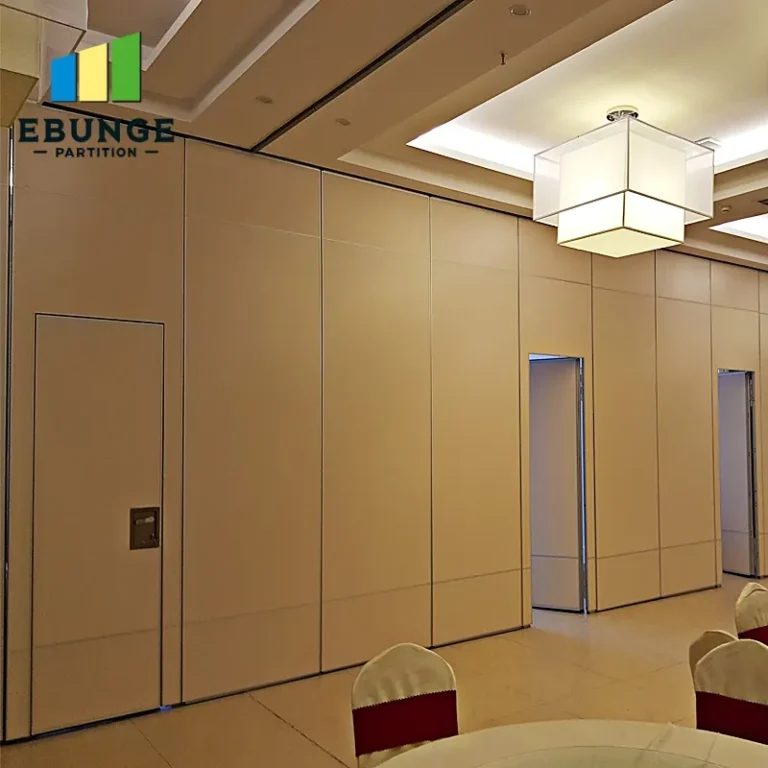
Conclusion: Making a Risk-Aware Decision
Choosing a partition wall system for a recording studio in a public building requires a thorough comparison of suppliers based on technical, operational, and financial criteria. By focusing on acoustic performance certification, durability, installation timeline, warranty, and total cost of ownership, you can minimize project decision risk. Always request detailed quotations and verify all claims with documentation. For more insights on movable partition walls, visit our movable partition wall guide. If you need further assistance, our contact page can connect you with experts.
Frequently Asked Questions
What acoustic rating do I need for a recording studio?
The required STC or Rw rating depends on the studio’s isolation needs. Typically, a rating of 50 or higher is recommended, but you must confirm with an acoustic consultant based on the sound levels and adjacent spaces.
Can a partition wall system be installed without a floor rail?
Yes, many systems use a top-hung track that supports the weight of the panels, leaving the floor clear. This is beneficial for high-traffic areas and easier maintenance, as there is no floor track to collect dirt or cause tripping.
How long does installation take for a typical studio?
Installation time varies based on the number of panels, complexity, and site conditions. A simple single-wall installation might take a few days, while multiple walls with acoustic seals could take weeks. Always request a timeline from the supplier.
What should be included in a warranty for a partition wall system?
A comprehensive warranty should cover parts and labor for a specified period, including the track, panels, seals, and hardware. It should also outline the process for claims and whether there are any exclusions, such as damage from misuse.
How do I ensure the partition wall system meets building codes?
Ask the supplier for documentation that the system complies with relevant fire, safety, and accessibility standards. You may also need to involve a local building inspector to verify compliance during the design phase.
Send the opening size and drawings to discuss a differentiated partition wall system solution.