
When planning a folding partition wall for an exhibition hall in a church, auditorium, or community center, the gap between architectural intent and operational reality can be wide. You need a partition that matches your interior design, controls sound, and withstands years of heavy use—without becoming a costly liability. This project solution article focuses on reducing decision risk and preparing for accurate quotations, so you can move forward with confidence.
To reduce risk in your folding partition wall project, start by defining your opening size, acoustic target, and finish preference, then request detailed drawings and factory direct support. This approach ensures your quotation reflects true requirements and minimizes surprises during installation.
Why Exhibition Halls Demand a Different Partition Approach
Exhibition halls within churches, auditoriums, and community centers host a variety of events—from trade shows to banquets—each with different spatial and acoustic needs. Unlike typical meeting rooms, these spaces often feature tall ceilings, irregular floor plans, and high traffic. A folding partition wall must therefore offer flexibility in configuration, robust operation, and easy maintenance, all while complementing the interior design. The risk lies in choosing a system based on generic specs rather than your specific application.
For instance, a partition that works well in a hotel ballroom may not suit an exhibition hall with concrete floors and heavy cart traffic. The absence of a floor rail, a key feature of EBUNGE partitions, simplifies cleaning and reduces trip hazards, but it also shifts the engineering complexity to the top-hung track. This trade-off must be evaluated against your building’s structural capacity and ceiling height.
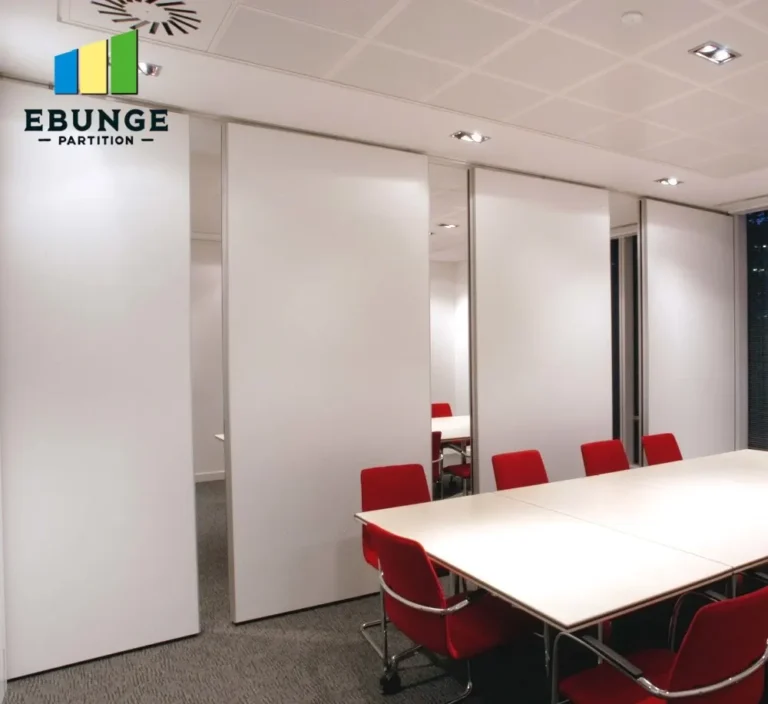
Need help turning the folding partition wall requirements into a practical project layout?
Key Risk Factors in Folding Partition Wall Projects
Every project carries risks, but for folding partition walls, the following factors are particularly critical:
- Acoustic performance: The partition must meet the sound transmission class (STC) or weighted sound reduction index (Rw) required for your events. Without clear targets, you may end up with a system that fails to contain noise.
- Durability: Exhibition halls see frequent use. The partition’s panels, seals, and tracks must withstand thousands of cycles without sagging or wearing out.
- Ease of operation: Staff and volunteers need to move the partition effortlessly. Complicated mechanisms can lead to misuse and damage.
- Installation complexity: A poorly planned installation can disrupt your schedule and budget. Verify that the manufacturer offers detailed drawings and on-site guidance.
- Maintenance requirements: Choose materials and hardware that are easy to clean and service, especially in high-traffic areas.
- Cost-effectiveness: Beyond the initial quote, consider lifecycle costs, including energy efficiency and potential repairs.
- Safety standards: Ensure the partition complies with relevant building codes and safety regulations, including fire resistance and emergency egress.
- Warranty coverage: A comprehensive warranty protects your investment, but read the fine print to understand what is covered.
How to Prepare for a Quotation: The Project Solution
To obtain an accurate quotation for your folding partition wall, you must provide detailed information to the manufacturer. This reduces the risk of budget overruns and performance shortfalls. Here’s a step-by-step approach:
1. Define the Opening Size and Configuration
Measure the width and height of the opening you need to divide. Note any obstructions, such as columns or lighting fixtures, that could affect the partition’s path. Specify whether you need a single partition or multiple units, and how you want to store the partition when not in use (e.g., in a pocket or along a wall).
2. Set an Acoustic Target
Determine the level of sound insulation required. This depends on the activities in adjacent spaces. For example, if you need to isolate a noisy exhibition from a quiet seminar room, you’ll need a higher STC rating. Use a sound level meter to measure ambient noise, or consult with an acoustician to set realistic targets.
3. Choose Finishes That Match Your Interior
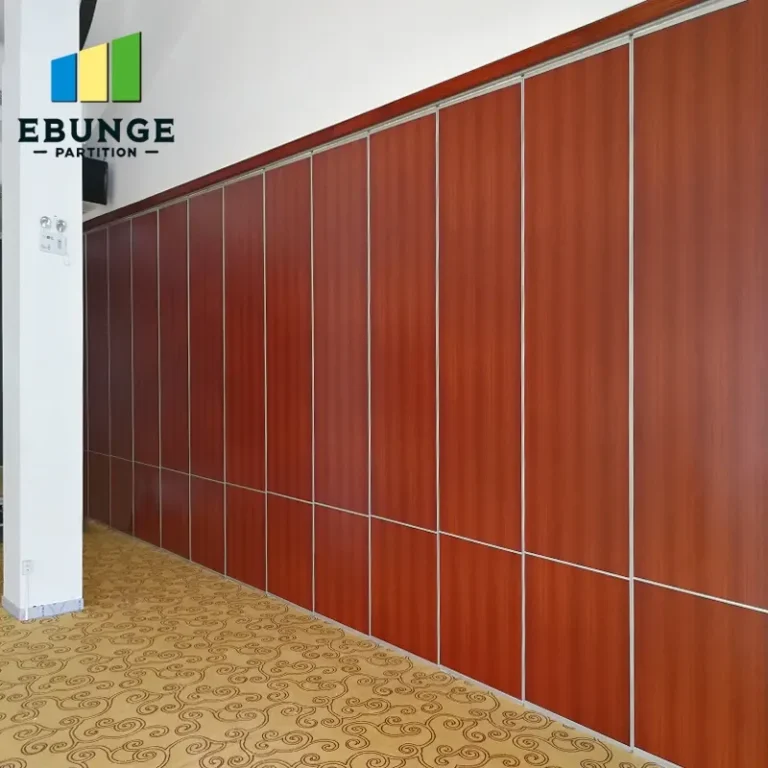
The partition’s finish should harmonize with your interior design. Options include painted surfaces, laminate, wood veneer, or fabric. Provide samples or color codes to the manufacturer to ensure a perfect match. Also, consider the texture and durability of the finish, as exhibition halls are prone to scuffs and impacts.
4. Request and Review Drawings
Before any commitment, ask for detailed CAD drawings showing the partition’s elevation, plan, and installation details. These drawings should indicate track layout, panel dimensions, and clearances. Review them with your architect or contractor to identify potential conflicts.
5. Leverage Factory Direct Support
Working directly with the manufacturer, rather than a middleman, can provide better technical guidance and faster resolution of issues. Inquire about their engineering team’s availability for pre-installation consultations and on-site visits.
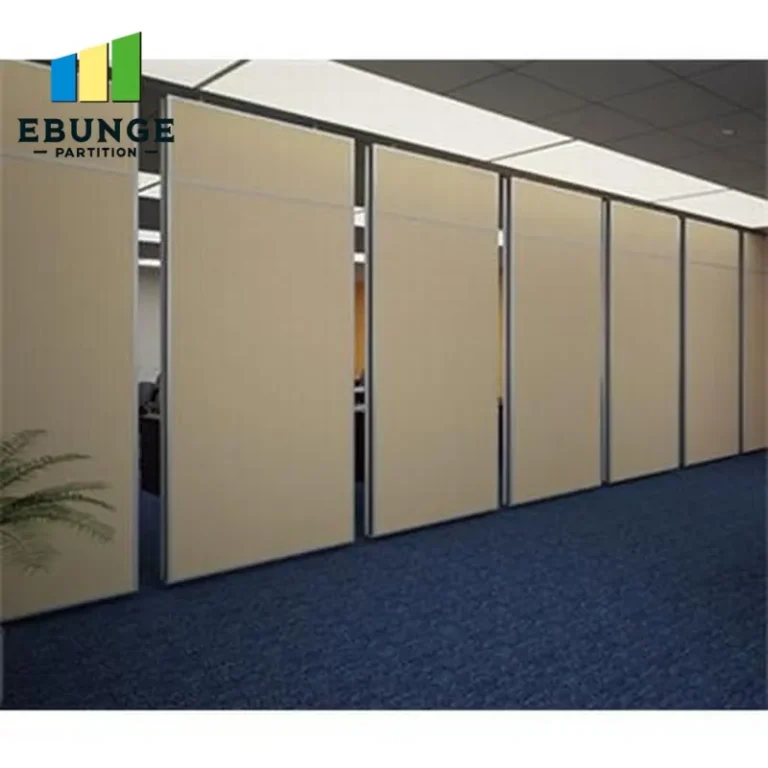
Acoustic Considerations for Exhibition Halls
Acoustic performance is often the most complex aspect of a folding partition wall. The partition’s ability to block sound depends on the mass of the panels, the seals at the perimeter, and the quality of the top-hung track. For exhibition halls, where sound levels can vary dramatically, you may need a partition with a high STC rating, such as 50 or above. However, higher ratings typically mean thicker panels and more expensive hardware.
It’s essential to align your acoustic target with your budget. If your events require only moderate sound reduction, an STC 40 partition may suffice. But if you host simultaneous events with conflicting audio, invest in a higher-rated system. Always request acoustic test data from the manufacturer, and verify that it applies to the specific configuration you plan to install.
Operational Efficiency and Maintenance
Ease of operation is a top concern for facility managers. A folding partition wall that glides smoothly and locks securely reduces strain on staff and minimizes wear. Look for features such as ball-bearing trolleys, ergonomic handles, and simple locking mechanisms. Also, consider the maintenance schedule: the track should be inspected periodically, and seals may need replacement over time. Choose a system with readily available spare parts and clear maintenance guidelines.
For exhibition halls, where dirt and debris are common, a top-hung track without a floor rail is advantageous because it keeps the floor clear, making cleaning easier and reducing the risk of damage to the track. This design also allows for more flexible floor layouts, as there are no floor channels to avoid.
Installation and Structural Considerations
The structural integrity of your building is paramount. A folding partition wall is heavy, and the top-hung track must be supported by a steel beam or reinforced ceiling. Before installation, have a structural engineer assess the load-bearing capacity. Also, consider the headroom: the track and stacking area require adequate space above the ceiling, which may affect your ceiling design.
Installation complexity can be mitigated by choosing a manufacturer that provides detailed installation manuals and on-site supervision. For a church or community center with limited technical staff, this support is invaluable. Ensure that your contractor is familiar with the specific system you choose, or require training as part of the contract.
Share the opening, drawings, finish direction, and privacy target for a project-specific review.
Cost-Effectiveness and Lifecycle Value
While the initial cost is important, the true value of a folding partition wall is measured over its lifespan. A cheaper system may save money upfront but could lead to higher maintenance costs, earlier replacement, and poor acoustic performance. Consider the following factors when evaluating quotations:
- Material quality and construction
- Energy efficiency (e.g., insulation properties)
- Expected lifespan and warranty terms
- Availability of spare parts
- Ease of repair
Request a lifecycle cost analysis from the manufacturer, and compare it against alternative systems. Remember that a folding partition wall is an investment in your facility’s flexibility and functionality.
Safety and Compliance
Safety is non-negotiable. Your folding partition wall must comply with local building codes and safety standards. This includes fire resistance, smoke containment, and emergency egress. For exhibition halls, where crowds may be dense, the partition should be designed to withstand impact and not create tripping hazards. Verify that the manufacturer’s products have been tested and certified by recognized bodies, and request documentation for your records.
Warranty and After-Sales Support
A robust warranty protects you from manufacturing defects and premature wear. Read the warranty terms carefully: what is covered, for how long, and what are the exclusions? Some warranties may not cover damage caused by misuse or environmental factors. Also, assess the manufacturer’s after-sales support: do they offer replacement parts, repair services, and technical assistance? A responsive support team can save you time and money in the long run.
Practical Checklist for Your Folding Partition Wall Project
Use this checklist to guide your decision-making and ensure you haven’t missed any critical steps:
| Item | Action |
|---|---|
| Opening size | Measure width, height, and note obstructions |
| Acoustic target | Define STC/Rw rating required |
| Finish preference | Select material and color, provide samples |
| Drawings | Request and review CAD drawings |
| Factory direct support | Confirm engineering consultation availability |
| Structural assessment | Hire engineer to check ceiling support |
| Warranty review | Read terms and exclusions |
| Maintenance plan | Schedule inspections and spare parts |
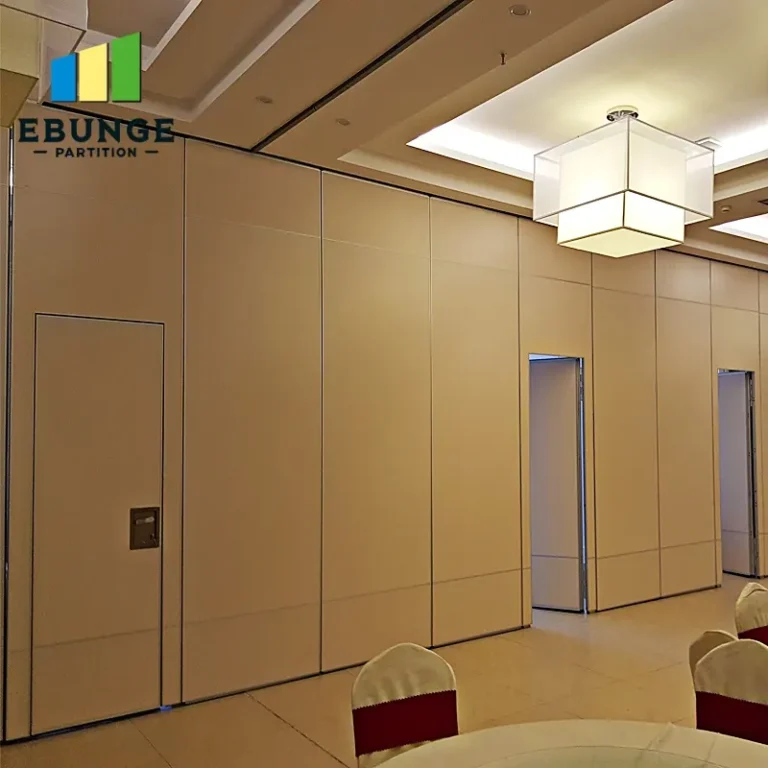
Conclusion: Making an Informed Decision
Choosing the right folding partition wall for your exhibition hall involves careful consideration of acoustic performance, durability, ease of operation, installation complexity, maintenance, cost, safety, and warranty. By preparing detailed requirements and leveraging factory direct support, you can reduce project risk and obtain a quotation that aligns with your needs. Remember to review all drawings and specifications thoroughly before committing.
For more information on movable partition walls, explore our movable partition wall resources. If you have specific questions, our contact page connects you with experts. You can also browse our blog for insights on movable partition cost considerations.
Frequently Asked Questions
1. What is the typical acoustic rating for a folding partition wall?
Acoustic ratings vary widely, from STC 30 for basic privacy to STC 60 for high-performance applications. For exhibition halls, an STC 40-50 is often recommended, but your specific needs should be based on the noise levels and activities involved.
2. Can a folding partition wall be customized to match my interior design?
Yes, manufacturers offer a variety of finishes, including painted surfaces, laminates, wood veneers, and fabric. You can provide samples or color codes to ensure a perfect match with your interior design.
3. How important is factory direct support?
Factory direct support is crucial for technical guidance, accurate quotations, and troubleshooting. It ensures you are working with the source of expertise, which can reduce miscommunication and project delays.
4. What maintenance is required for a folding partition wall?
Regular maintenance includes inspecting the track for debris, lubricating moving parts, and checking seals for wear. The frequency depends on usage, but a bi-annual check is a good starting point.
5. How do I ensure my quotation is accurate?
Provide the manufacturer with detailed information: opening size, acoustic target, finish preferences, and any structural constraints. Request a comprehensive quote that includes installation, hardware, and warranty details.
Send the opening size and drawings to discuss a differentiated folding partition wall solution.