
When you operate a banquet hall that doubles as a government multipurpose room, the choice of operable walls is a long-term investment in flexibility, acoustics, and maintenance. Unlike a typical office partition, your system will face frequent use, heavy loads, and strict compliance requirements. This comparison guide focuses on quotation readiness and decision risk, helping you ask the right questions and evaluate suppliers beyond glossy brochures. We’ll cover acoustic performance, track reliability, ease of operation, warranty, and more, ensuring you select a partition wall system that serves your facility for decades.
Direct answer: To compare operable walls suppliers for a government multipurpose room, you must first define your opening size, acoustic target, finish preference, and obtain detailed drawings. Then, evaluate each supplier’s track system reliability, ease of operation, warranty, compliance with building codes, delivery timelines, and after-sales support. Always request a written quotation that includes installation complexity and factory-direct support, and verify all claims with project-specific documentation.
Why Quotation Readiness Reduces Decision Risk
In government projects, the cost of a wrong decision is high. A vague quotation can lead to budget overruns, delays, and performance failures. By preparing a detailed specification before contacting suppliers, you shift the conversation from generic sales pitches to concrete engineering. This approach also helps you compare apples to apples, as each supplier will quote based on the same parameters.
Need help turning the operable walls requirements into a practical project layout?
Step 1: Define Your Project Parameters
Before any supplier conversation, gather the following data from your architectural drawings or site measurements:
- Opening size: Width, height, and number of stacks.
- Acoustic target: Desired STC or Rw rating, based on the room’s use (e.g., meetings, events).
- Finish preference: Laminate, veneer, fabric, or magnetic marker boards.
- Drawings: Floor plans, elevations, and ceiling details.
- Operational needs: Frequency of use, storage space, and access requirements.
This information forms the basis of your request for quotation (RFQ). Without it, you cannot accurately compare suppliers or assess their ability to meet your needs.
Evaluating Acoustic Performance Ratings
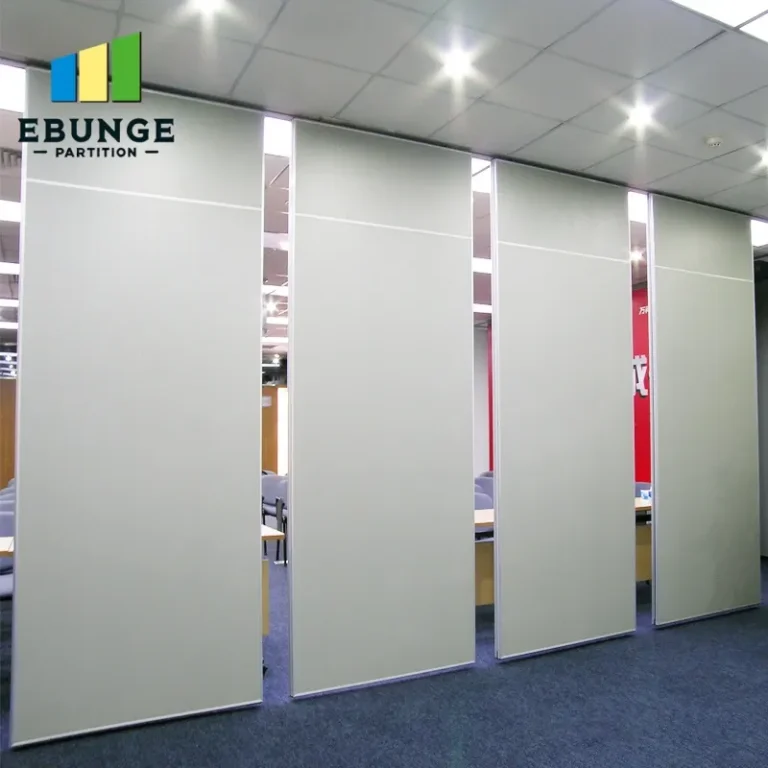
Acoustic performance is often the top priority for multipurpose rooms. However, published ratings can be misleading if not tested under similar conditions. Ask for the specific test method (e.g., ASTM E90 or ISO 10140) and whether the rating includes the entire wall system, including seals and track. A supplier that provides detailed acoustic data for your exact configuration is more trustworthy than one offering a generic number.
Remember that field performance may differ from laboratory results due to flanking paths, ceiling gaps, and installation quality. Request references from similar government or banquet projects and, if possible, visit an installation.
Track System Reliability: The Backbone of Operable Walls
The track system is the most critical mechanical component. A poorly designed track can lead to derailment, uneven movement, and premature wear. Evaluate the following:
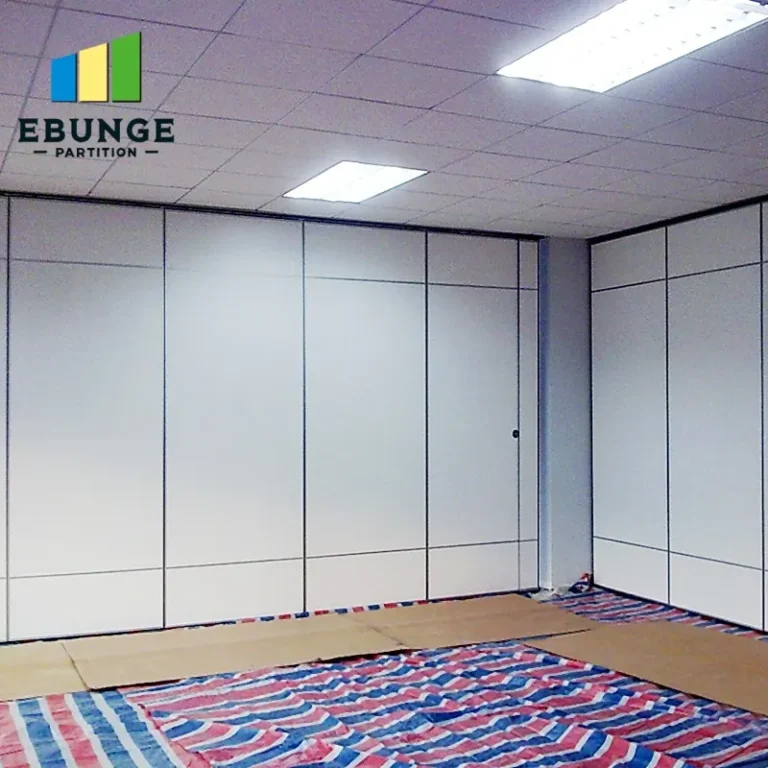
- Top-hung vs. floor rail: Top-hung systems (without floor rail) offer easier cleaning and better accessibility, ideal for banquet halls.
- Track material: Extruded aluminum or galvanized steel with corrosion protection.
- Wheel design: Nylon or polyurethane wheels with sealed bearings for smooth operation.
- Load capacity: Ensure the track can support the wall weight, including any added features like tackboards.
Ask about the expected lifespan of the track and whether replacement parts are readily available. A supplier that offers factory-direct support for track components is a plus.
Ease of Operation: From Daily Use to Long-Term Maintenance
Your staff will operate the walls frequently. Consider the following:
- Manual vs. motorized: Motorized systems reduce physical strain but add complexity and cost.
- Sealing mechanism: Look for simple, reliable seals that can be operated with minimal effort.
- Maintenance access: Design should allow easy access to moving parts for lubrication and adjustments.
Request a demonstration or video of the system in operation. Also, ask about the recommended maintenance schedule and whether the supplier provides training for your facilities team.
Warranty and Support: Protecting Your Investment
Warranties vary widely. Scrutinize the warranty terms:
- Coverage: What components are covered (panels, track, seals, hardware)?
- Duration: How many years, and are there exclusions?
- Response time: What is the guaranteed response time for service calls?
- After-sales support: Is there a local representative or only factory support?
Choose a supplier that offers a comprehensive warranty and has a proven track record in government or similar projects. Also, verify that the warranty is backed by a financially stable company.
Compliance with Building Codes and Accessibility
Government buildings must adhere to strict codes, including fire safety, accessibility, and seismic requirements. Confirm that the operable walls comply with:
- Fire ratings: If required, ensure the wall assembly meets the specified fire-resistance rating.
- ADA accessibility: If the wall includes doors, ensure they meet accessibility standards.
- Seismic restraints: In earthquake-prone areas, verify that the system is designed for seismic forces.
Request documentation such as test certificates and engineering reports. A supplier that is transparent about compliance will provide these without hesitation.
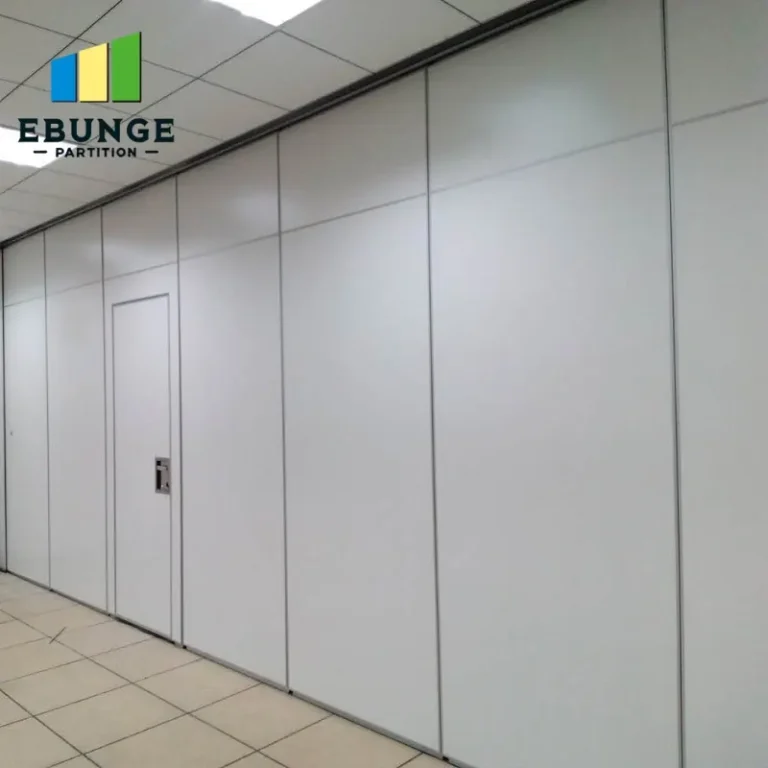
Share the opening, drawings, finish direction, and privacy target for a project-specific review.
Delivery Timelines and Installation Complexity
Project delays are costly. Ask each supplier for a detailed delivery schedule, including manufacturing lead time and installation duration. Consider the following:
- Manufacturing time: Custom finishes and sizes may extend lead times.
- Installation crew: Are they factory-trained or subcontractors?
- Site readiness: What conditions must be met before installation (e.g., ceiling height, floor flatness)?
Complex installations may require coordination with other trades. A supplier that offers project management guidance can reduce risk.
After-Sales Service and Maintenance
Long-term maintenance is a key concern. Evaluate the supplier’s after-sales service:
- Service network: Is there a local technician or only remote support?
- Spare parts availability: How quickly can you get replacement parts?
- Maintenance contracts: Do they offer annual service agreements?
A supplier that offers factory-direct support and has a local presence will be more responsive to your needs.
Comparing Quotations: What to Look For
When you receive quotations, compare them systematically. Use the following checklist:
| Item | Supplier A | Supplier B | Supplier C |
|---|---|---|---|
| Acoustic rating (STC) | 50 | 48 | 52 |
| Track type | Top-hung | Floor rail | Top-hung |
| Warranty (years) | 10 | 5 | 10 |
| Delivery lead time | 8 weeks | 6 weeks | 10 weeks |
| Installation cost | $15,000 | $12,000 | $14,500 |
Do not automatically choose the lowest price. Evaluate the total cost of ownership, including maintenance and energy efficiency. Also, check for hidden fees such as shipping, taxes, and change orders.
Making the Final Decision
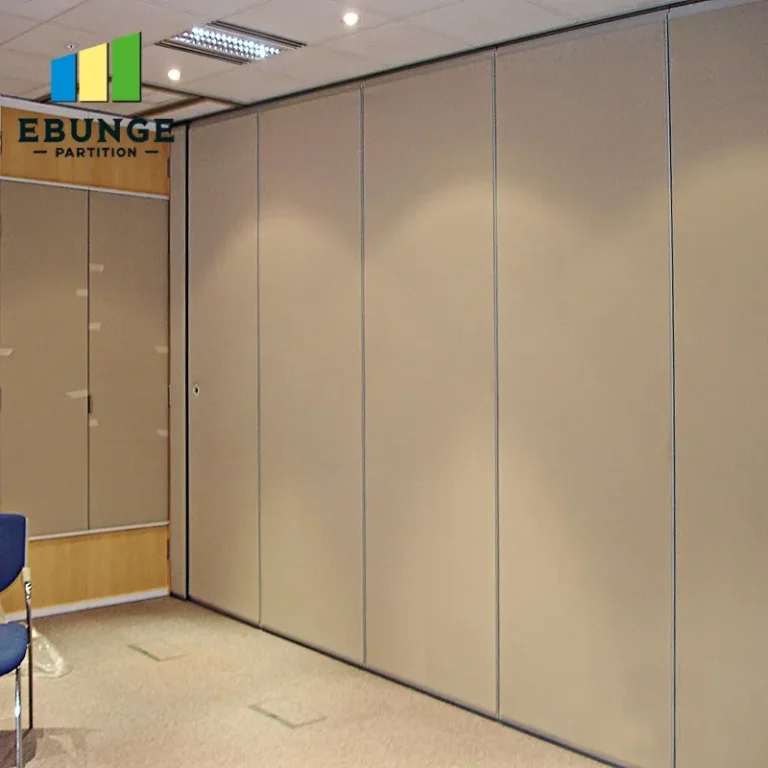
After evaluating all factors, rank the suppliers based on your priorities. For a government multipurpose room, acoustic performance, track reliability, and compliance are often non-negotiable. Use a weighted scoring system to make an objective decision.
Remember to verify all claims with documentation and, if possible, visit a completed installation. A supplier that offers factory-direct support and detailed drawings is more likely to deliver a successful project.
Conclusion: Mitigating Risk with a Structured Comparison
Selecting the right operable walls supplier is not just about the lowest bid. By preparing a detailed specification, evaluating acoustic ratings, track systems, warranty, and after-sales service, you can significantly reduce decision risk. Always confirm exact values from project drawings and quotations, and never rely on verbal promises. With this structured approach, you’ll choose a partition wall system that meets your needs for years to come.
Frequently Asked Questions
What is the typical lifespan of an operable wall?
With proper maintenance, a high-quality operable wall can last 20-30 years. However, lifespan depends on usage frequency, maintenance, and component quality. Ask suppliers for their expected lifespan and maintenance recommendations.
How do I know if an acoustic rating is reliable?
Look for ratings from accredited laboratories, such as those certified by NVLAP or similar. Also, ask if the rating is for the entire assembly, including seals and track. Field performance may vary, so request references.
Can operable walls be customized to match my room’s decor?
Yes, most suppliers offer a range of finishes, including laminates, veneers, and fabric panels. Provide your finish preference and request samples to ensure color and texture match.
What maintenance is required for top-hung operable walls?
Regular maintenance includes lubricating moving parts, checking seals, and cleaning tracks. Top-hung systems are easier to maintain because there is no floor rail to clean or trip over.
How far in advance should I order operable walls for a government project?
Lead times vary, but typically 8-12 weeks for manufacturing, plus installation time. Plan accordingly and factor in any approval processes. Always confirm delivery timelines in writing.
Are operable walls compliant with building codes?
Reputable suppliers will provide documentation for fire ratings, accessibility, and seismic restraints. Ensure your project’s requirements are met and verified by a certified engineer.
Send the opening size and drawings to discuss a differentiated operable walls solution.