
When you’re outfitting a recording studio, sound privacy isn’t just a luxury—it’s a technical requirement. As a hotel owner planning to add a professional recording space, you’re likely weighing the benefits of movable walls against permanent construction. The challenge? Managing project risk when sourcing from overseas. This guide focuses on what you need to know before requesting quotes, ensuring your movable walls meet acoustic targets without unexpected costs or delays.
Direct answer: Movable walls can provide sufficient soundproofing for a recording studio if you specify the correct opening size, acoustic performance target (e.g., STC or Rw rating), and ensure factory-direct support for drawings and installation. They differ from permanent walls in flexibility and installation time, but costs vary based on customization and track requirements. Top-hung systems eliminate floor tracks, and durability depends on quality of components and maintenance routine.
Why Movable Walls Are a Viable Option for Recording Studios
Recording studios demand high sound isolation to prevent noise from leaking in or out. Movable walls, when engineered with acoustic seals and dense cores, can achieve performance comparable to permanent walls. For hotel owners, the advantage is flexibility: you can reconfigure the space for different sessions or events. However, the key is to specify your requirements clearly to the manufacturer.
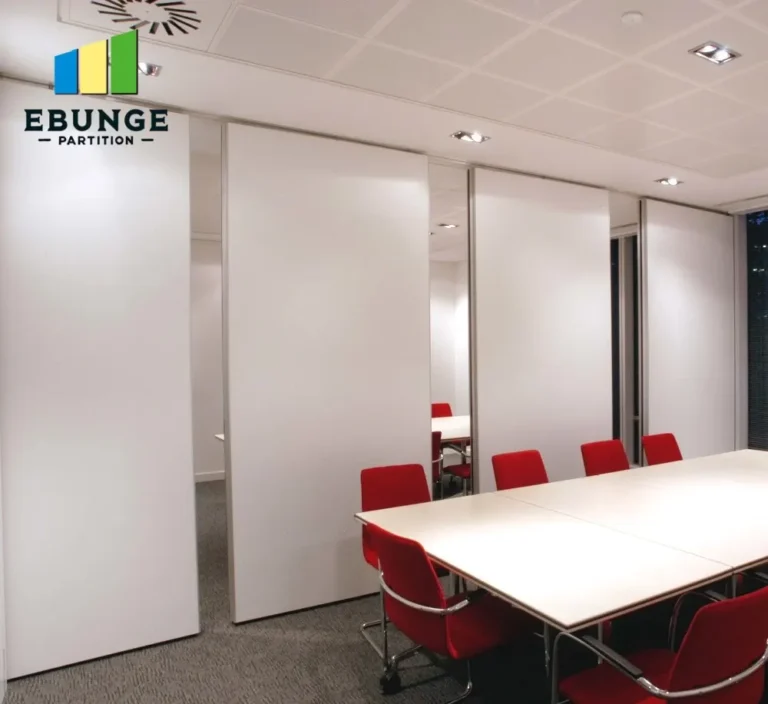
When comparing to permanent walls, consider that movable walls offer lower installation disruption and reusability. But they require precise installation and regular maintenance of seals and tracks. The cost is often higher per square meter than drywall, but you save on future renovation costs.
Need help turning the movable walls requirements into a practical project layout?
Key Specifications to Define Before Requesting Quotes
To avoid costly misunderstandings, you must provide detailed specifications to potential suppliers. This includes:
- Opening size: Width, height, and thickness of the wall panels.
- Acoustic target: Specify a target sound transmission class (STC) or weighted sound reduction index (Rw) – typically 50+ for recording studios.
- Finish preference: Choose from wood veneer, laminate, fabric, or paint to match studio decor.
- Drawings: Provide architectural drawings or dimensions for a tailor-made solution.
- Factory direct support: Ensure the manufacturer offers guidance on installation and integration.
These details directly influence the quotation and lead time. Vague specs lead to inaccurate pricing and potential performance shortfalls.
Acoustic Performance: How Movable Walls Compare to Permanent Walls
While permanent walls can achieve higher STC ratings (60+) with multiple layers of drywall and insulation, movable walls can reach STC 50-55 with proper sealing. For a recording studio, this is often sufficient for most applications. The critical factor is the perimeter seals – top, bottom, and vertical edges – which must compress tightly to prevent sound leaks.
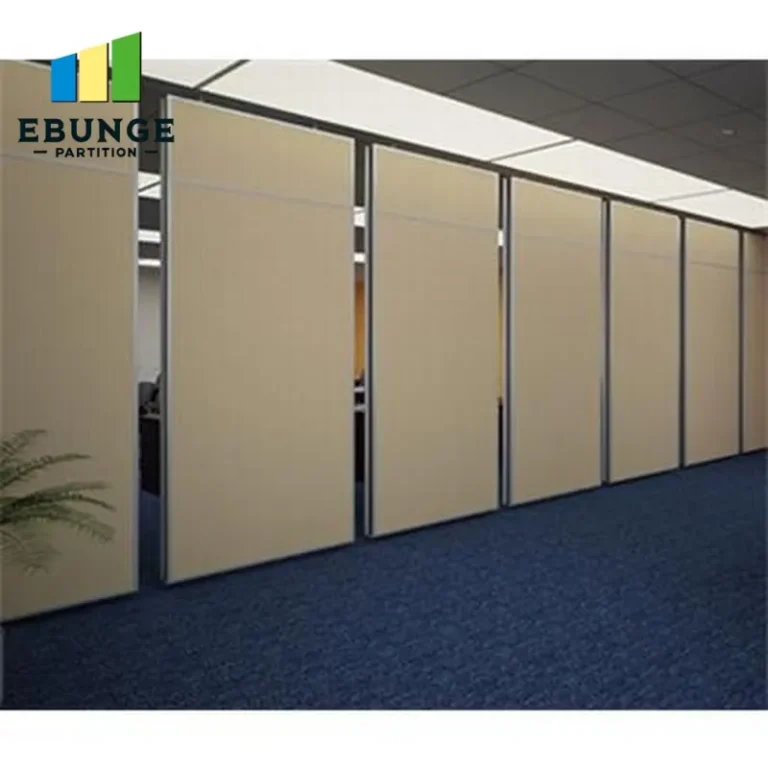
Our top-hung track system ensures a tight seal at the bottom without a floor track, using a drop seal that engages when the wall is closed. This design reduces trip hazards and simplifies cleaning. However, you must verify that the specified STC is achievable with your chosen panel thickness and seals.
Installation Costs and Considerations for Hotel Owners
Installation costs vary widely based on site conditions, wall size, and customization. For overseas procurement, you need to factor in shipping, customs, and potential on-site assembly by local contractors. It’s wise to request a detailed quote that includes:
- Panel and track costs
- Peripheral components (seals, handles, etc.)
- Shipping and insurance
- Installation supervision or detailed drawings for local installers
Compare quotes not just on unit price but on total delivered and installed cost. Ask about warranty terms and after-sales support, especially if you’re buying from overseas.
Do Movable Walls Require Floor Tracks?
Traditional movable walls often use floor tracks to guide the panels and support weight. However, our system is top-hung, meaning the weight is carried by an overhead track, and the floor remains clear. This offers several benefits:
- No floor track to collect dust or create trip hazards.
- Easier cleaning and maintenance of the floor.
- More flexible installation over existing flooring.
When requesting quotes, confirm whether the system is top-hung or requires floor tracks. This affects cost and installation complexity.
Customization Options to Match Studio Decor
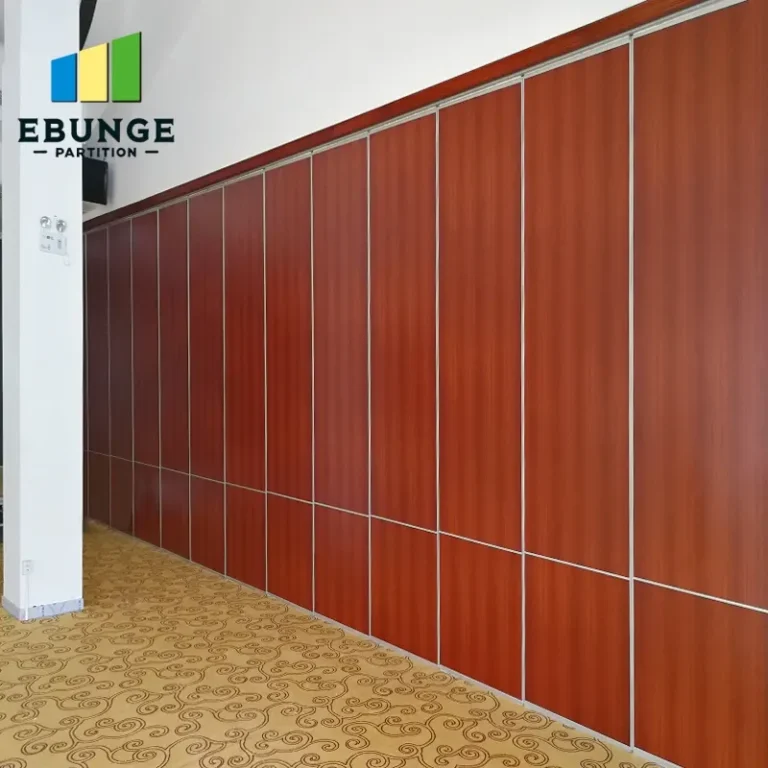
Movable walls can be finished with a variety of materials to complement your studio’s aesthetics. Options include:
- Wood veneers in different shades
- High-pressure laminates (HPL) with custom colors
- Acoustic fabric panels for sound absorption
- Paintable surfaces for on-site finishing
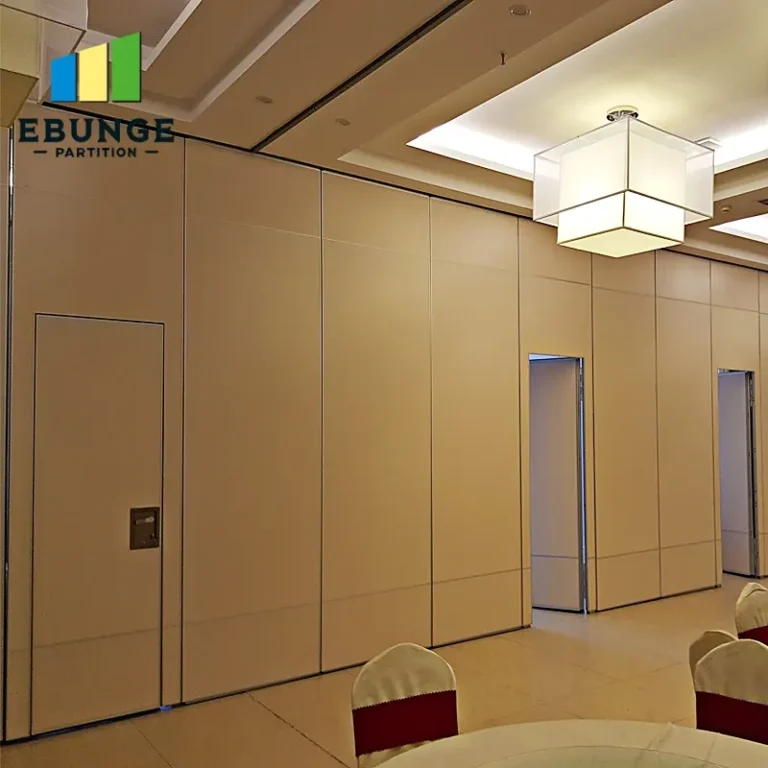
You can also add windows, doors, or writeable surfaces. Customization affects cost and lead time, so specify your preferences early in the quotation process.
Share the opening, drawings, finish direction, and privacy target for a project-specific review.
Durability and Maintenance for Frequent Use
In a hotel environment, movable walls will be used frequently. You need a system that withstands daily operation. Key durability factors include:
- Quality of track and trolleys
- Panel construction (e.g., aluminum frames with acoustic infill)
- Seal materials that maintain elasticity
Maintenance is straightforward: regularly inspect seals for wear, clean tracks, and lubricate moving parts. Ask the manufacturer for a maintenance checklist. A well-maintained system can last decades.
Quotation Readiness Checklist
Before contacting suppliers, prepare this checklist to ensure you get accurate quotes:
| Item | Details to Provide |
|---|---|
| Opening dimensions | Width, height, and number of panels |
| Acoustic requirement | Target STC/Rw rating |
| Finish specification | Material, color, texture |
| Drawings | Architectural plans or detailed sketches |
| Installation plan | Who will install? Need supervision? |
| Site access | Any constraints for delivery or assembly? |
Having this information ready will speed up the quotation process and reduce the risk of misunderstandings.
Managing Project Risk in Overseas Procurement
Buying movable walls from overseas involves risks like communication gaps, quality control, and shipping delays. Mitigate these by:
- Working with a manufacturer that provides detailed drawings and installation guidance.
- Requesting samples of materials and seals.
- Using a third-party inspection service if needed.
- Clarifying payment terms and delivery schedules in the contract.
Our factory direct support ensures you receive accurate technical documentation and responsive communication throughout the process.
Conclusion
Movable walls can be an excellent solution for your recording studio, offering flexibility and acoustic performance when properly specified. By focusing on opening size, acoustic target, finish, drawings, and factory support, you can control project risk and make an informed purchase. Remember to compare quotes thoroughly and plan for maintenance to ensure long-term satisfaction.
For more insights, explore our movable partition wall solutions or read our blog for technical tips. If you’re ready to discuss your project, contact us for a detailed consultation.
Frequently Asked Questions
Will movable walls provide sufficient soundproofing for recording?
Yes, if you specify a high acoustic rating (STC 50+) and ensure proper seals. Our top-hung system with drop seals achieves good isolation, but confirm with the manufacturer based on your specific requirements.
How do they compare to permanent walls?
Movable walls offer flexibility and easier reconfiguration, but permanent walls may achieve slightly higher STC ratings. For most recording studios, movable walls are sufficient, and they save space when not in use.
What is the installation cost?
Costs vary widely. It’s best to request a detailed quote that includes all components, shipping, and installation. Our guide helps you prepare the necessary information to get accurate pricing.
Do they require floor tracks?
Not necessarily. Our top-hung system eliminates floor tracks, providing a clean floor and easier maintenance. Confirm with the supplier whether their system is top-hung or floor-tracked.
Can they be customized to match studio decor?
Absolutely. You can choose from various finishes, colors, and materials, and even add windows or doors. Customization options should be discussed during quotation.
Are they durable for frequent use?
Yes, with quality components and regular maintenance. Look for systems with robust tracks and seals, and follow a simple maintenance routine to ensure longevity.
What maintenance is needed?
Regularly inspect seals for wear, clean the track, and lubricate moving parts. The manufacturer should provide a maintenance guide. This ensures smooth operation and sustained acoustic performance.
Send the opening size and drawings to discuss a differentiated movable walls solution.