
When evaluating restaurant partition wall options for an exhibition hall, the decision often comes down to more than just aesthetics. As an architectural design firm, you need a solution that meets acoustic targets, installation timelines, and long-term operational needs. This comparison guide focuses on the practical aspects of supplier evaluation, ensuring you have the right information for quotation readiness and risk mitigation. We’ll explore key criteria, from acoustic performance to compliance, helping you make an informed choice without relying on unverified claims.
Direct Answer: To compare restaurant partition wall suppliers effectively for an exhibition hall, you must first define your project’s specific requirements: the opening size, acoustic target (e.g., STC rating), finish preference, and provide detailed drawings. Then, evaluate suppliers based on their ability to offer factory-direct support, customization, and a clear installation timeline. Request a comprehensive quotation that includes acoustic test data, material specifications, and a project plan. Prioritize suppliers who can demonstrate experience with similar high-traffic spaces and offer a warranty that covers both parts and labor.
Restaurant Partition Wall: Understanding the Unique Demands of Exhibition Hall Partitions
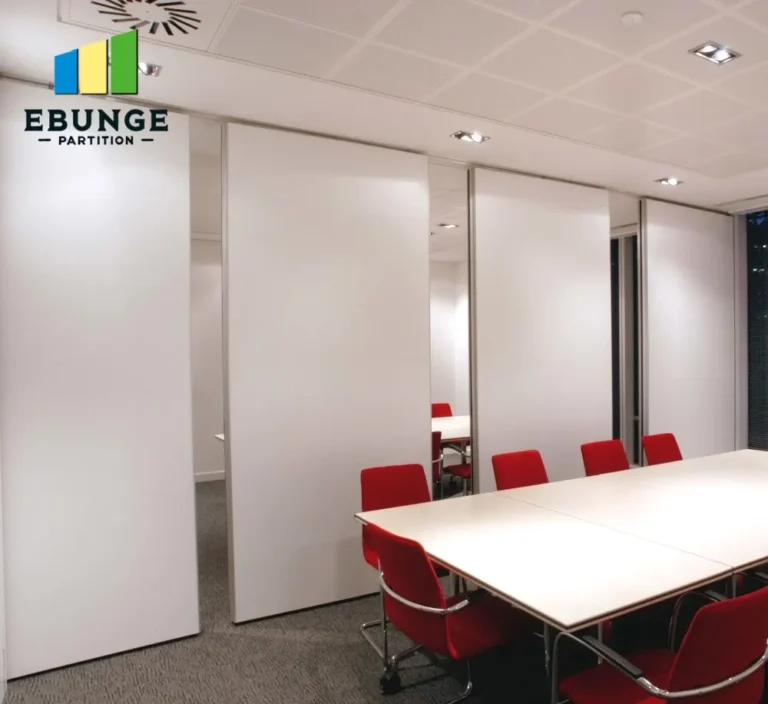
Exhibition halls present a distinct set of challenges for partition walls. Unlike permanent office walls, these partitions must be flexible, durable, and capable of handling high foot traffic. The acoustic requirements are often more stringent due to the open-plan nature and the need to minimize sound bleed between concurrent events. A standard office partition might not suffice. You need a system that offers excellent sound insulation, quick reconfiguration, and minimal maintenance. This is where a top-hung track system, without a floor rail, excels—it allows for easy cleaning and unobstructed floor movement, a critical factor in exhibition spaces.
Need help turning the restaurant partition wall requirements into a practical project layout?
Key Criteria for Supplier Comparison
When you start comparing suppliers, focus on these core areas to ensure you’re not just comparing prices but value and reliability.
Acoustic Performance and Certification
Acoustic performance is non-negotiable. Look for suppliers who provide certified acoustic test reports from recognized laboratories. The sound transmission class (STC) rating is a common metric, but also consider the Sound Transmission Loss at specific frequencies. For an exhibition hall, a minimum STC of 45 is often recommended, but your project may require higher. Ask suppliers for their test data and how they achieve these ratings—whether through panel thickness, insulation, or sealing systems. Be wary of suppliers who only provide calculated values without actual test evidence.
Installation Timeline and Process
Time is money in exhibition projects. A supplier’s ability to meet your installation deadline is critical. Inquire about their manufacturing lead times, delivery schedules, and installation crew availability. Ask for a detailed project plan that includes milestones. Also, clarify if the supplier handles installation or if you need to coordinate with a third-party installer. A factory-direct supplier often has more control over the schedule and can offer better coordination.
Supplier Reliability and Track Record
Research the supplier’s history. How long have they been in business? Have they worked on similar projects, such as exhibition halls or large venues? Request references and, if possible, visit an existing installation. Check for any complaints or legal issues. A reliable supplier should be transparent about their capabilities and limitations. They should also have a dedicated project manager who can serve as a single point of contact.
Design Flexibility and Customization
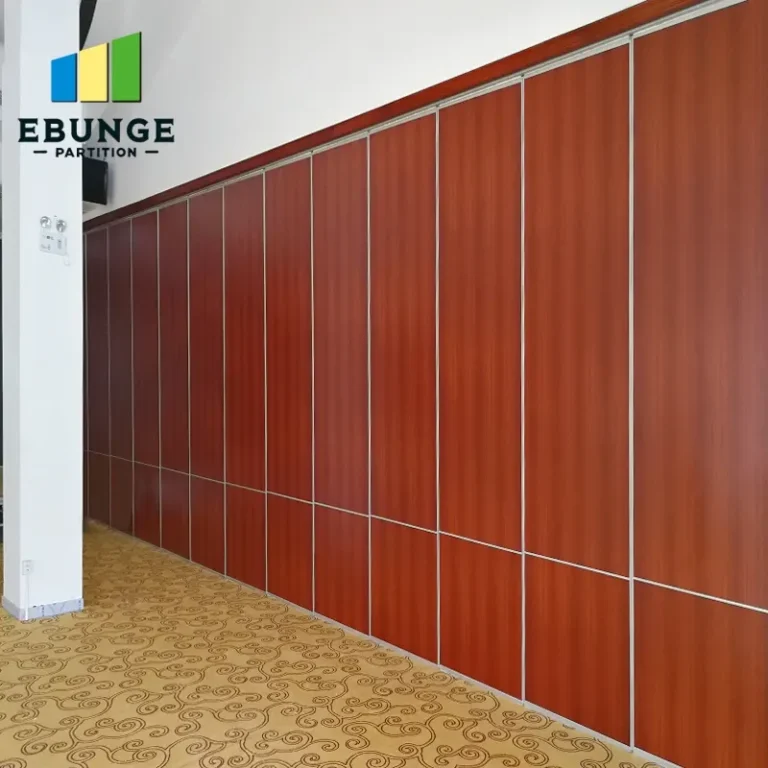
Exhibition halls often have unique layouts, so your partition system must be adaptable. Can the supplier provide custom sizes, shapes, and finishes? Do they offer a variety of panel surfaces, such as dry-erase boards, fabric, or wood veneer? A supplier who can accommodate your design vision while maintaining acoustic integrity is invaluable. They should be willing to work with your drawings and provide engineering support.
Maintenance Requirements
Consider the long-term maintenance of the partition system. How easy is it to replace a damaged panel? Are spare parts readily available? What is the recommended cleaning procedure? A system that requires minimal maintenance will save you time and money over the years. Ask about the durability of the track and seals, as these are often the first to wear out.
Warranty Coverage and After-Sales Support
A robust warranty is a sign of supplier confidence. Read the warranty terms carefully. What does it cover—parts, labor, or both? For how long? What are the exclusions? Also, ask about after-sales support. Do they offer maintenance contracts? Is there a helpline for troubleshooting? A supplier who stands behind their product is more likely to be reliable.
Compliance with Building Codes
Your partition system must meet local building codes and fire safety regulations. Ensure the supplier can provide documentation proving compliance, such as fire ratings and material certifications. This is especially important in public spaces like exhibition halls. A reputable supplier will be up-to-date with the latest standards and can guide you through the approval process.
Preparing Your Quotation Request
To get accurate and comparable quotations, you must provide suppliers with comprehensive information. This not only speeds up the process but also reduces the risk of misunderstandings later. Here’s what to include in your request:
- Detailed drawings (floor plans, elevations, sections) with dimensions.
- Specification of opening sizes and number of units.
- Acoustic target (e.g., desired STC rating).
- Finish preferences (e.g., laminate, fabric, paint).
- Any special requirements (e.g., integrated doors, pass-throughs).
- Expected installation timeline.
- Delivery location and site constraints.
Comparison Checklist for Suppliers
Use this checklist when evaluating supplier proposals. It will help you compare apples to apples.
| Criteria | Supplier A | Supplier B | Your Priority |
|---|---|---|---|
| Acoustic rating (STC) | |||
| Test report available | |||
| Installation lead time | |||
| Customization options | |||
| Maintenance requirements | |||
| Warranty period (years) | |||
| Warranty coverage (parts/labor) | |||
| Building code compliance | |||
| References available |
Share the opening, drawings, finish direction, and privacy target for a project-specific review.
Evaluating Quotations and Proposals
Once you receive quotations, don’t just look at the bottom line. Scrutinize the details. Does the quote include all necessary components, such as panels, tracks, seals, and hardware? Are there any hidden costs for engineering, delivery, or installation? Compare the scope of work and the specifications. A lower price might be due to inferior materials or a shorter warranty. Always ask for a breakdown of costs.
Also, consider the supplier’s responsiveness and willingness to answer your questions. A supplier who is proactive and transparent during the quotation phase is likely to be more reliable during the project. This is a good indicator of their overall customer service.
Making Your Decision
After thorough evaluation, you should have a clear picture of which supplier best meets your needs. Remember, the cheapest option is not always the most cost-effective in the long run. Weigh all factors, including acoustic performance, reliability, and support. A slightly higher upfront cost may save you from future issues.
For a comprehensive understanding of movable partition walls, you can explore our movable partition wall systems. For more insights, visit our blog for articles on installation and best practices. If you need further guidance, our installation resources can be helpful. To discuss your project, feel free to contact us.
Conclusion
Comparing restaurant partition wall suppliers for an exhibition hall requires a systematic approach. By focusing on acoustic performance, installation timelines, supplier reliability, design flexibility, maintenance, warranty, and compliance, you can make an informed decision. Prepare a detailed quotation request, use a comparison checklist, and evaluate proposals thoroughly. This will help you avoid poor acoustic performance and ensure a successful project. Remember, the right supplier is a partner in your project’s success.
Frequently Asked Questions
What is the ideal STC rating for an exhibition hall partition?
The ideal STC rating depends on the specific noise levels and adjacent activities. For general exhibition spaces, an STC of 45-50 is often recommended, but if you have speech privacy or high-volume events, you may need higher. Always refer to your acoustic consultant’s recommendations.
How long does installation typically take?
Installation time varies based on the size of the project, complexity, and supplier’s crew size. A simple single partition might take a day, while a large hall with multiple units could take weeks. Your supplier should provide a detailed timeline based on your drawings.
Can the partition system be customized to match our design?
Yes, most reputable suppliers offer customization in terms of dimensions, finishes, and even shape. You can choose from a variety of panel surfaces and colors. It’s best to discuss your design requirements early to ensure feasibility.
What maintenance is required for top-hung partitions?
Top-hung partitions generally require minimal maintenance. Regularly check the track and seals for wear and tear, and clean the panels according to the manufacturer’s instructions. Periodic inspections by a professional can extend the system’s lifespan.
How do I ensure the supplier is reliable?
Check their track record, request references, and visit past installations if possible. Also, look for certifications and memberships in industry associations. A reliable supplier will be transparent and responsive throughout the process.
Send the opening size and drawings to discuss a differentiated restaurant partition wall solution.