
When you are comparing manual vs semi-automatic movable partition options for your office meeting rooms, the decision often comes down to more than just the product brochure. As a facilities manager or project lead, you need to know how each system affects your project timeline, budget, and daily operations. This comparison focuses on what you should ask suppliers before you request a quotation, helping you reduce project risk and avoid costly surprises.
Direct answer: For most office meeting rooms, a semi-automatic movable partition offers a balanced mix of ease of operation and cost efficiency, but the right choice depends on your specific opening size, acoustic target, finish preference, and available drawings. Manual systems are simpler and often more budget-friendly, while semi-automatic systems reduce physical effort and speed up room setup. To make an informed decision, request detailed proposals that include installation complexity, acoustic performance data, and warranty terms. Always verify these details against your project drawings and specifications.
Manual Vs Semi-Automatic Movable Partition: What This Comparison Means for Your Office Project
Choosing between manual and semi-automatic movable partitions is not just about upfront cost. It affects how your meeting rooms function daily, how quickly you can reconfigure spaces, and how much maintenance you will need over time. This article walks you through the key differences, focusing on what you need to know before you compare suppliers. We will look at installation, operation, acoustics, durability, and cost—always with an eye on your project specifics.
Need help turning the manual vs semi-automatic movable partition requirements into a practical project layout?
Understanding Manual and Semi-Automatic Movable Partitions
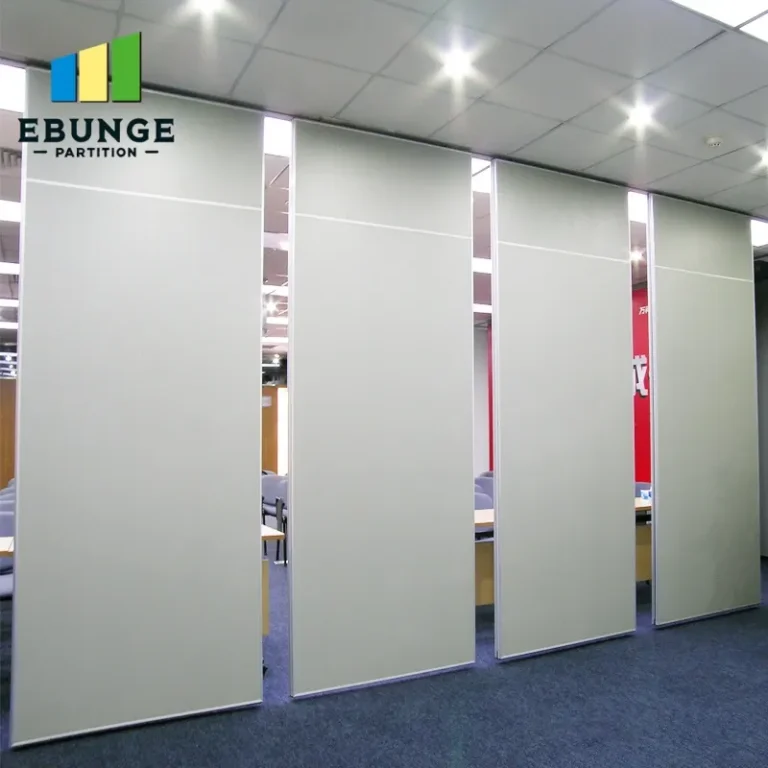
Manual movable partitions are operated entirely by hand. You pull a handle, unfold the panels, and lock them into place. Semi-automatic systems use a motor or spring-assisted mechanism to help with the final sealing or vertical movement, reducing the physical effort required. In an office setting, this can mean the difference between staff struggling with heavy panels and a smooth, quick setup.
Both systems are typically top-hung, meaning they run on an overhead track without a floor rail. This is a key feature for offices because it keeps the floor clear and makes cleaning easier. When you look at a movable partition wall, you should check whether the track system is top-hung, as this impacts installation and long-term performance.
Installation Complexity: What to Expect
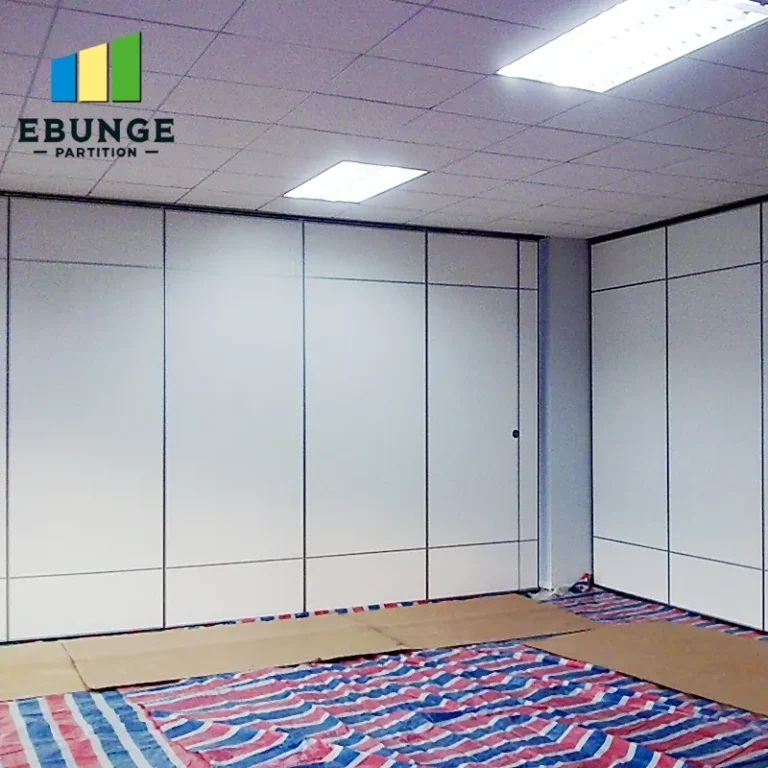
Installation is often the first major hurdle. Manual partitions are generally simpler to install because they have fewer mechanical parts. Semi-automatic systems, with their motors and control systems, require more careful planning and electrical work. This can affect your project timeline and budget.
Before you compare quotes, ask each supplier for a detailed installation plan. This should include the number of installers, the estimated time, and any special requirements such as ceiling reinforcement. A reputable supplier will be able to provide this based on your drawings. For example, if you have a large meeting room with an opening width of 8 meters, the installation complexity will be higher than for a smaller room. Always confirm that the supplier has experience with similar sizes.
Ease of Operation: Daily Use in Your Office
How often will your staff use the partition? If you have frequent meetings and need to reconfigure rooms multiple times a day, a semi-automatic system can save time and reduce strain. Manual systems require more physical effort, which can be a drawback for some users. However, if the partition is rarely moved, manual operation might be perfectly acceptable.
Consider the acoustic performance as well. A semi-automatic system often provides a better seal because the mechanism ensures consistent pressure against the floor and ceiling, which is crucial for sound insulation. But this is not always the case. You need to check the acoustic ratings provided by the manufacturer. For an office meeting room, you might need a sound reduction index of 40 dB or higher, but this should be based on your specific requirements.
Acoustic Performance: What You Need to Know
Acoustic performance is a top concern for meeting rooms. The partition must provide adequate sound insulation to ensure privacy. Both manual and semi-automatic systems can achieve high acoustic ratings, but the quality of the seals and the installation quality are critical. A semi-automatic system often has a more reliable seal because it is mechanically assisted, but a well-installed manual system can also perform well.
When comparing options, ask for acoustic test reports. These should be conducted according to standards such as ISO 10140 or ASTM E90. Do not rely on marketing claims. The actual performance in your space will depend on the surrounding structure, so it is wise to have an acoustic consultant review the specifications. The supplier should be able to provide guidance on what acoustic target is realistic for your opening size and construction.
Durability and Maintenance: Long-Term Considerations
Durability is about how well the partition withstands daily use. Semi-automatic systems have more moving parts, which can mean more potential points of failure. However, they are often designed with high-quality components that last longer if maintained properly. Manual systems are simpler and may require less maintenance, but the hinges and locks can wear out over time.
Ask suppliers about the expected lifespan and what maintenance is required. For example, do the tracks need periodic lubrication? Are the seals replaceable? What is the warranty on the motor for a semi-automatic system? At our blog, we discuss maintenance tips, but always confirm with the manufacturer.
Cost vs. Budget: What You Are Really Paying For
Cost is a major factor, but it is not just the initial purchase price. Consider the total cost of ownership, including installation, maintenance, and potential repairs. Semi-automatic systems typically have a higher upfront cost due to the motor and control system. However, they might save money in the long run if they reduce labor time for setup and if they are more reliable.
When you request quotations, ask for a breakdown of costs. This should include the partition itself, track, installation, and any electrical work. Also ask about delivery time, as this can affect your project schedule. A supplier that offers factory-direct support might be able to provide better pricing and faster delivery. At Movable Partition Cost & Price, we have resources to help you compare.
Share the opening, drawings, finish direction, and privacy target for a project-specific review.
Warranty and Support: Protecting Your Investment
Warranty terms vary widely. Some manufacturers offer a 5-year warranty on parts, while others may offer longer. For semi-automatic systems, the motor warranty is crucial. Ask for written warranty details and what is covered. Also, consider the supplier’s support: do they provide installation guidance, and are they available for after-sales service? Factory-direct support can be an advantage because you deal directly with the manufacturer, eliminating middlemen.
Delivery Time and Project Planning
Delivery time can make or break your project. Custom-made partitions often take longer. When comparing suppliers, ask for their lead times and whether they can meet your deadline. A supplier that offers factory-direct support might have better control over production, but this is not guaranteed. Always confirm delivery dates in writing.
Practical Checklist for Comparing Suppliers
Before you sign any contract, use this checklist to ensure you have all the information you need.
| Item | Manual | Semi-Automatic |
|---|---|---|
| Installation complexity | Lower | Higher (electrical work) |
| Ease of operation | Requires physical effort | Effortless, motor-assisted |
| Acoustic performance | Depends on seals | Often better sealing |
| Maintenance | Simple, less frequent | More parts, but reliable |
| Initial cost | Lower | Higher |
| Warranty | Typically 5 years | Motor warranty 2-5 years |
| Delivery time | Shorter | Longer |
Remember, these are general trends. Always verify with the supplier.
Why Factory-Direct Support Matters
When you compare suppliers, consider whether they offer factory-direct support. This means you are dealing directly with the manufacturer, which can simplify communication and ensure that your specific requirements are understood. It also means that you can get detailed drawings and installation guidance tailored to your project. For example, if you need a specific finish or have a unique opening size, a factory-direct supplier can provide custom solutions.
Conclusion: Making an Informed Decision
Choosing between manual and semi-automatic movable partitions for your office meeting rooms ultimately comes down to your specific needs. Consider the opening size, acoustic target, finish preference, and your budget. Use the checklist above to compare suppliers beyond just price. Ask for detailed proposals that include installation complexity, acoustic performance, durability, and warranty. By doing so, you reduce project risk and ensure that the partition you choose will serve your office well for years. For more guidance, feel free to contact us for support.
Frequently Asked Questions
1. What is the difference between manual and semi-automatic movable partitions?
Manual partitions are operated by hand, requiring physical effort to unfold and lock panels. Semi-automatic systems use a motor or spring mechanism to assist with movement and sealing, making them easier to operate, especially for large panels.
2. Which type is more cost-effective for an office meeting room?
Manual partitions have a lower upfront cost, but semi-automatic systems may save labor time and reduce strain, potentially increasing productivity. The total cost of ownership depends on frequency of use and maintenance needs.
3. How does the acoustic performance compare between manual and semi-automatic?
Both can achieve high acoustic ratings if properly installed. Semi-automatic systems often provide a more consistent seal, but the actual performance depends on the quality of the seals and the surrounding structure. Always request acoustic test reports.
4. What should I ask a supplier before getting a quotation?
Ask for installation details, acoustic performance data, warranty terms, delivery time, and maintenance requirements. Also, request a breakdown of costs and confirm that the supplier can handle your specific opening size and finish preferences.
5. Are semi-automatic partitions more prone to breakdowns?
They have more moving parts, so there is a higher chance of mechanical issues, but quality components and regular maintenance can mitigate this. Check the warranty on the motor and ask about service support.
For this buyer review, manual vs semi-automatic movable partition should be checked against the confirmed opening, drawings, operating plan, and project specification.
Send the opening size and drawings to discuss a differentiated manual vs semi-automatic movable partition solution.