
When a Bidder Qualifies Track Interface Scope, What Should Reviewers
Quick answer: track interface
Before award, reviewers need a repeatable way to test bidder track interface scope qualifications without relying on confident wording alone. The track interface is where the partition system meets the building structure, the opening geometry and the planned parking position. A bidder may describe this scope clearly, but reviewers should ask what evidence sits behind each statement and which items remain project-specific.
This framework keeps the review anchored to maintained product facts, visible documentation and drawing-based questions. The suitability of each route and parking arrangement depends on the approved layout, circulation, ceiling interfaces and operating sequence.
Start With the Confirmed System Logic
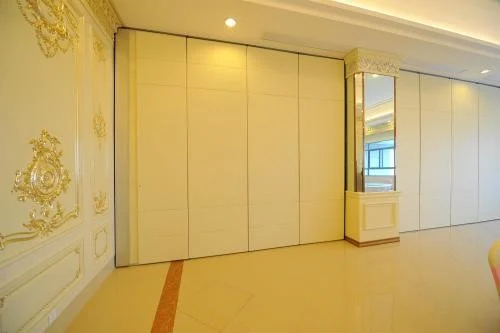
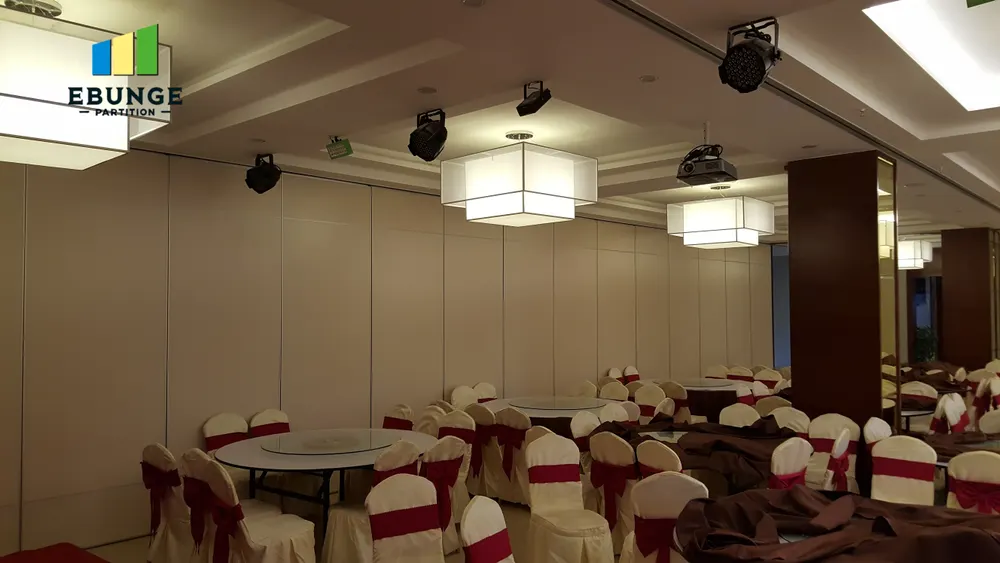
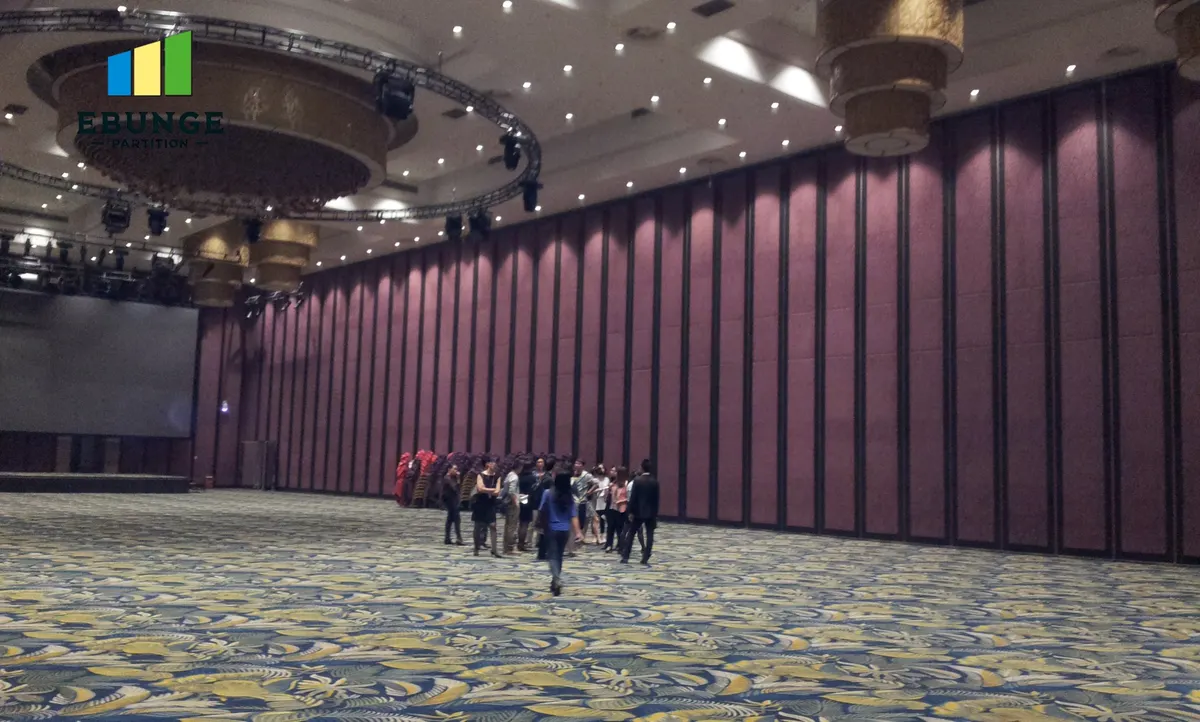
EBUNGE movable wall panels are individually movable and suspended from a top track. They cross the opening without a floor track and park at a planned stacking position. Straight, turning and stacking routes are reviewed from the layout.
That description gives reviewers a baseline for questioning. Any bidder statement about the track interface should be traceable to a continuous connected overhead route, a defined parking location and a layout that has been reviewed.
Separate Stated Qualifications From Evidence
A qualification is only useful when reviewers can see what supports it. Ask bidders to identify the document, drawing or confirmation that backs each scope statement. Where an item depends on the building, mark it as pending project-specific confirmation rather than treating it as proven.
| Bidder statement | What reviewers should request | Evidence limit |
|---|---|---|
| Track route is coordinated | Layout showing straight, turning and stacking routes | Does not confirm structural support |
| Parking position is planned | Stacking location and clearance shown on drawings | Does not confirm final dimensions |
| Finish is suitable | Named finish option from approved surfaces | Does not confirm acoustic or fire performance |
| Pass-door need is addressed | Statement of requirement for discussion | Does not confirm a delivered configuration |
Test the Route, Not Just the Product
The most common review gap is treating the panel as the whole scope. Reviewers should trace every proposed movement path on the layout. The exact route, junction arrangement, continuous overhead path and parking position must be confirmed from the coordinated project drawings.
Questions for straight runs
- Does the drawing show where panels travel when the opening is clear?
- Is the parking position reachable along the same reviewed route?
- Are any changes in direction identified rather than assumed?
Questions for turning and stacking
Turning routes and stacking positions should be visible on the coordinated layout. Reviewers can ask the bidder to mark each change of direction and each parking zone, then confirm that the interface with surrounding construction has been considered. These are drawing-review questions, not performance conclusions.
Check Finish and Pass-Door Scope Boundaries
Confirmed finish options include laminate, melamine, fabric, leather, glass and other approved surfaces. Reviewers should confirm that the bidder’s proposed finish appears in the approved list and that the sample or description matches the specification reference.
Pass-door requirements and project documentation can be discussed with the supplier. Reviewers should ask whether a pass door is required, where it sits in the layout and which document records the decision. Do not accept a generic statement as confirmation of a project-specific configuration.
Use a Numbered Review Process Before Award
- Issue the current layout and confirm which revision the bidder priced.
- Ask the bidder to mark straight, turning and stacking routes on that layout.
- Request the parking position and confirm it is a planned stacking location.
- Check that every proposed finish is on the approved list.
- Record pass-door requirements and the documentation that will confirm them.
- Compare bidders on the completeness of evidence, not the confidence of wording.
Handle Acoustic Language Carefully
If acoustic requirements are part of the brief, ask for the project-specific documentation that addresses them and confirm the basis of any stated rating.
Evidence note: a finish sample, photograph or outline drawing does not establish acoustic performance, structural capacity or a completed installation. Treat each as a prompt for further confirmation.
The correct action is to identify the acoustic requirement, request matching project documentation and confirm the boundary with the project team.
Coordinate Procurement and Tender Review
The first reviewer tests the bidder’s stated scope against documents; the second looks for gaps between the partition route and the surrounding construction.
Use the movable walls product page for maintained system context and the resources section for planning material. Neither replaces the project drawing review. Where a bidder’s answer is unclear, record the question and the required confirmation rather than filling the gap by assumption.
Frequently Asked Questions
What should reviewers test first in a bidder’s track interface scope?
Start with the layout. Confirm that straight, turning and stacking routes are shown and that the parking position is identified. Then check which statements depend on building structure or final dimensions.
Does a top-hung system remove the need for interface review?
No.
How should reviewers treat acoustic statements from bidders?
Ask for the project-specific documentation behind any acoustic statement.
Can a bidder’s finish proposal be accepted at tender stage?
It can be checked against the confirmed finish options, which include laminate, melamine, fabric, leather, glass and other approved surfaces. Final suitability still depends on the project specification and approval process.
What if the layout shows a route across an untracked gap?
Raise it as a clarification. Every proposed movement path requires a continuous connected overhead route, and the bidder should explain how the layout addresses this before award.
When should pass-door requirements be confirmed?
Discuss pass-door requirements and project documentation during tender review so the scope is recorded before award. Confirm the final configuration against the project drawings.
Conclusion and Next Step
To test bidder track interface scope qualifications fairly, reviewers should compare evidence rather than adjectives. Confirm the route, the parking position, the finish reference and the documentation trail, then list every item that still needs project-specific support, acoustic and dimensional confirmation.
If your team is preparing a tender or comparing submissions, contact EBUNGE to discuss layout review, pass-door requirements and the project documentation needed for a clearer evaluation.