
Bid Clarification Log Track Scope Records
Quick project answer
A bid clarification log track scope records the questions, answers and assumptions that shape how a movable wall track is priced, coordinated and installed. For overseas contractors, architects, interior designers, owners and renovation teams, the log is not a formality. It is the place where an offer stops being a brochure and becomes a comparable, reviewable scope. This article sets out what to capture, how to phrase it, and where the evidence boundary sits.
Why Track Scope Deserves Its Own Log Section
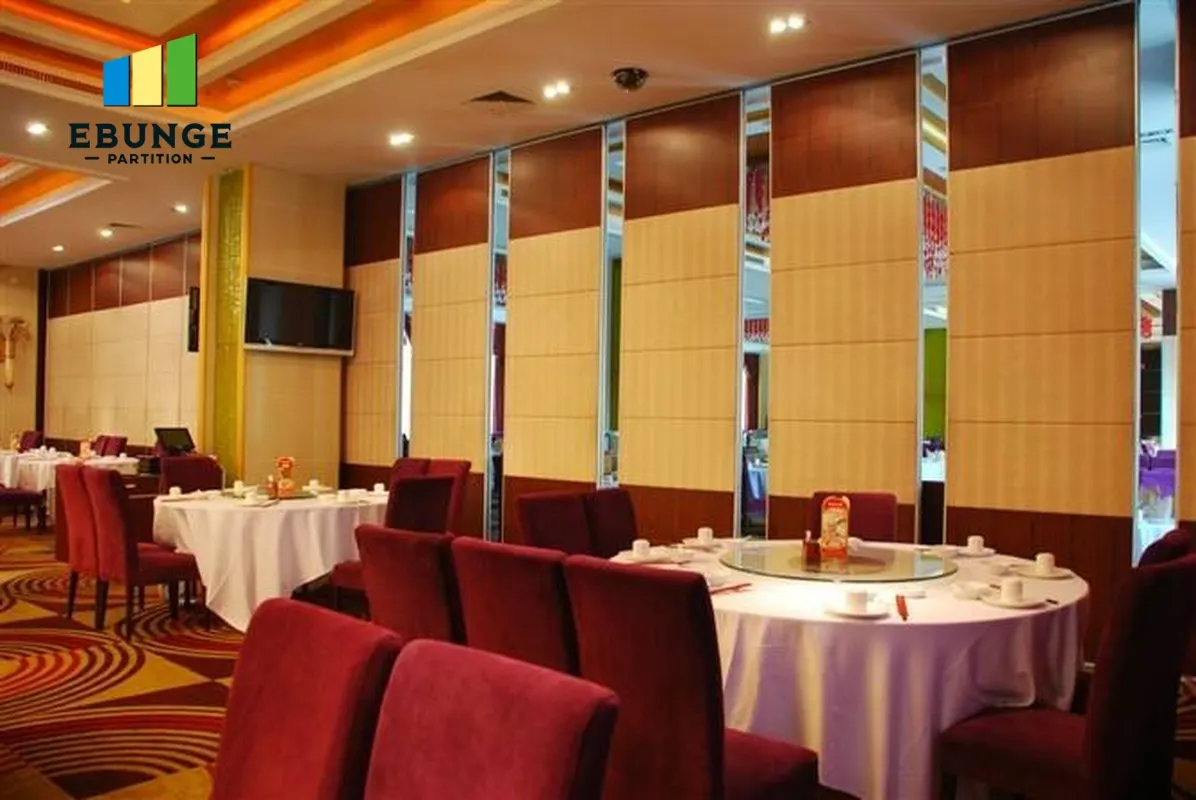
Movable wall panels are individually movable and suspended from a top track. They cross the opening without a floor track and park at a planned stacking position. That single sentence already contains several scope items: the overhead route, the opening, the parking location and the relationship between them. If bidders interpret any of these differently, their prices and programmes may not be comparable.
A general clarification log often mixes commercial questions with technical ones. Track scope benefits from its own numbered section because the answers usually depend on drawings rather than on preference. Keep the section factual: record what was asked, what was answered, which drawing revision the answer refers to, and what remains open.
Evidence note: A clarification answer is not a performance guarantee. It records a project assumption. Acoustic, structural, dimensional and support requirements still need project-specific confirmation from the responsible parties.
The Core Fields Every Entry Should Carry
Consistency matters more than elaborate formatting. A simple table with fixed columns lets a reviewer compare entries months later, when the people who wrote them may have moved to another project.
| Field | What to record | Why it matters |
|---|---|---|
| Entry number and date | A unique reference and the date raised | Links the question to correspondence and meeting minutes |
| Drawing reference | Plan or elevation number and revision | Prevents answers being applied to superseded layouts |
| Scope item | Route, opening, parking, finish, pass door or documentation | Keeps the log searchable by topic |
| Question asked | The exact wording sent to bidders | Shows whether the answer actually addresses the question |
| Answer received | The response, attributed to its source | Separates bidder statements from design-team decisions |
| Status | Open, answered, superseded or requiring design action | Prevents unresolved items being treated as closed |
Recording the Overhead Route and Movement Path
The track is the backbone of a top-hung system, so the log should describe the route rather than only naming a product. Straight, turning and stacking routes are reviewed from the layout. Ask each bidder to confirm which route they have priced and which drawing they used.
Questions that produce useful answers
- Does the proposed route follow the layout in the current revision, including any turn or junction?
- Where does the route terminate, and is the parking position shown on the same drawing?
- Which elements above the ceiling line are shown as existing, and which are shown as new?
- Are there locations where the route passes a structural or service zone that needs design-team review?
Do not accept a verbal assurance that the route “works”. Ask for the route to be marked on a drawing and referenced in the log. A marked route is visible evidence of what was priced; an unmarked one is an assumption.
Parking, Stacking and the Space Around Them
Parking style is customised to the customer layout and project requirements, and compact stacking may be possible when the coordinated design permits it. The log should therefore capture the planned stacking position, the space allocated to it, and whether that space is clear of other trades.
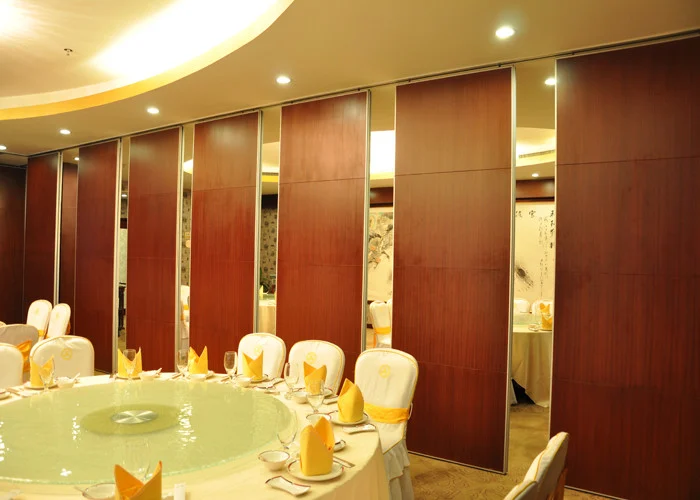
Phrase entries as questions about the design, not as promises. For example, record whether the stacking zone is shown on the architectural plan, whether it conflicts with a door swing or service riser, and which party is responsible for resolving any conflict. These are coordination facts, not performance claims.
Finishes, Pass Doors and Documentation
Confirmed finish options include laminate, melamine, fabric, leather, glass and other approved surfaces. The log should record which finish was specified for each elevation and whether the bidder priced that finish or an alternative. Visible references can support layout discussion but do not verify hidden construction or performance.
Pass-door requirements and project documentation can be discussed with the supplier. Record whether a pass door is required, where it sits in the layout, and which documents the bidder is expected to provide. Keep document requests specific: drawings, schedules, interface notes or samples, as appropriate to the stage.
Acoustic Language: Keep It Conceptual
The suitability of each route and parking arrangement depends on the approved layout, circulation, ceiling interfaces and operating sequence. If acoustic requirements appear in the tender, the log should record the requirement as stated and ask who is responsible for demonstrating compliance.
Seals and acoustic concepts can be explained generically, but the log should not invent seal types, test values or results. Where a bidder offers an acoustic statement, record the exact wording and the document it came from, then route it to the appropriate reviewer.
A Short Process for Maintaining the Log
- Open a track scope section before invitations to tender are issued.
- Number each entry and attach the drawing revision it refers to.
- Send the same questions to every bidder so answers can be compared.
- Record answers verbatim where possible, with the source named.
- Re-issue the log before award and confirm each bidder has priced the same scope.
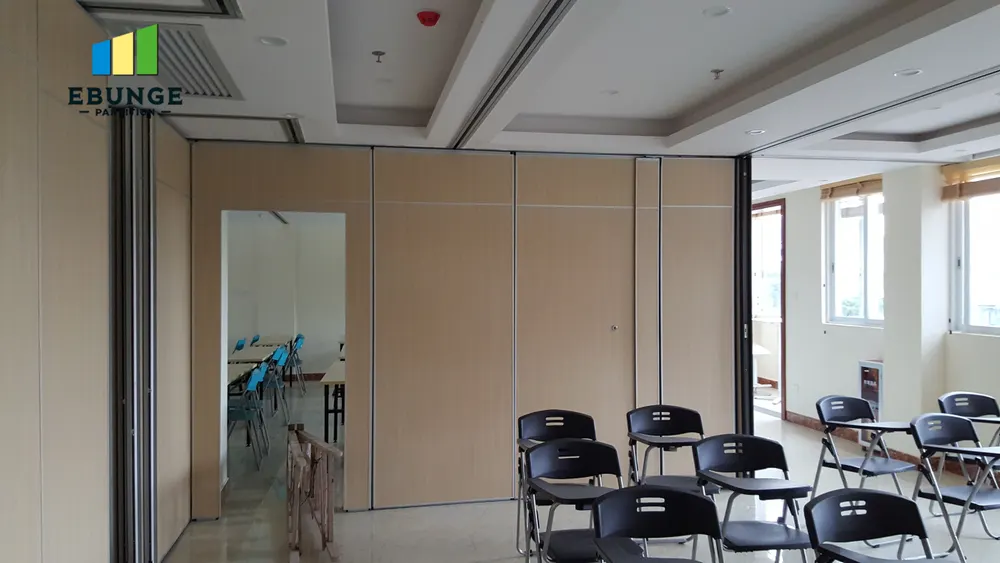
Review the log against the movable wall product scope and the project resources available to your team. Where a question cannot be answered from the documents, say so in the log rather than filling the gap with an assumption.
Frequently Asked Questions
Who should own the track scope section of the log?
Usually the party coordinating the tender, working with the architect or designer who controls the layout drawings. Ownership should be named in the log so entries are not left unanswered.
Should the log repeat the full specification for every entry?
No. Reference the specification and the drawing revision, then record only the question and answer. Repetition makes the log harder to review and increases the risk of conflicting wording.
How should we record answers that differ between bidders?
Record each answer separately against the same entry number, then note which one aligns with the current drawings. Do not merge differing answers into a single statement.
Can the log be used to confirm acoustic performance?
It can record an acoustic requirement and the documents offered in response. It should not be used to certify performance; that needs project-specific confirmation from the responsible technical parties.
What should happen to open entries before award?
Open entries should be resolved, formally accepted as a project risk, or carried into the contract as a stated assumption. Closing them without an answer undermines the purpose of the log.
Does a top-hung system remove the need for coordination above the ceiling?
No. The exact route, junction arrangement, continuous overhead path and parking position must be confirmed from the coordinated project drawings.
Conclusion
A well-kept bid clarification log track scope records give every bidder the same questions, the same drawing revisions and the same visible evidence. Used carefully, the log turns scattered correspondence into a defensible record of what was asked, what was answered and what still needs a decision.
If your team is preparing a tender for a flexible-space installation, contact EBUNGE to discuss pass-door requirements, project documentation and the drawing information needed for a clearer track scope review.