
Architect Track Zone Interface RACI Before Tender
Quick project answer
Review focus: track zone.
Running an architect track zone interface RACI before tender is a coordination exercise, not a paperwork ritual. The track zone is where architectural intent meets structure, ceiling design, finishes and the movement path of individually movable panels. A RACI (Responsible, Accountable, Consulted, Informed) helps the project team name who owns each interface decision before pricing and procurement begin.
This guide sets out a practical, evidence-bounded workflow. The suitability of each route and parking arrangement depends on the approved layout, circulation, ceiling interfaces and operating sequence. Those must be confirmed for each project through drawing review and project-specific documentation.
Why the Track Zone Deserves Its Own RACI
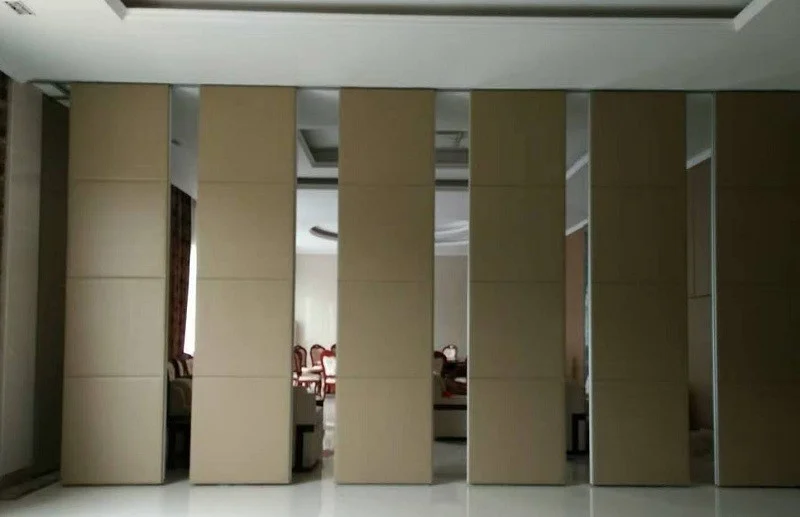
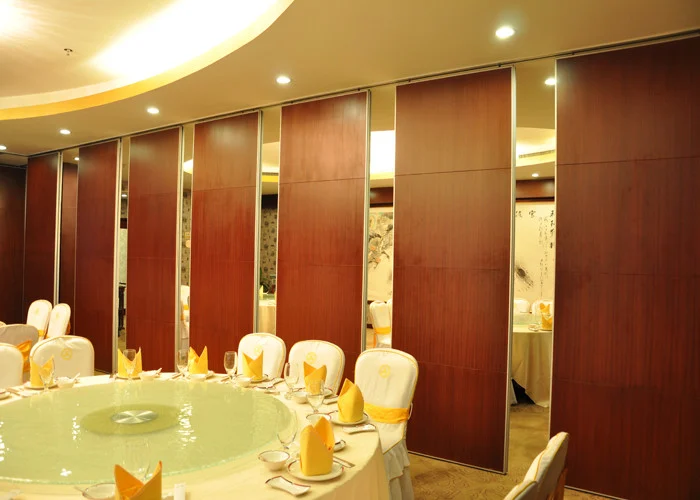
Movable wall panels are individually movable and suspended from a top track. They cross the opening without a floor track and park at a planned stacking position. That simple description hides a chain of interfaces: the overhead route, the supporting structure above it, the ceiling zone it passes through, the opening geometry, the parking area and the adjacent finishes.
When those interfaces are left to tender clarification, assumptions can enter the documents. A RACI makes the ownership visible early, so questions are asked while drawings can still be revised.
What the RACI is not
It is a coordination map that tells each party which decisions they own and which they must be consulted on.
Start With the Movement Route, Not the Panel
Before assigning roles, sketch the full route on the layout. Straight, turning and stacking routes should each be reviewed from the plan. The exact route, junction arrangement, continuous overhead path and parking position must be confirmed from the coordinated project drawings.
- Mark the opening line and the intended crossing direction.
- Draw the route from the opening to the planned stacking position.
- Identify turns, junctions and any change in ceiling zone along the route.
- Mark the parking footprint and its relationship to adjacent walls, columns and services.
- The exact overhead route and support arrangement must be confirmed by the responsible project team from coordinated drawings.
This sketch becomes the shared reference for the RACI. It also shows where the team needs project-specific support and dimensional confirmation.
Build the Interface Register
List each interface as a line item rather than burying it in general notes. A compact register keeps the RACI grounded in real decisions.
| Interface | Decision to be owned | Typical evidence needed |
|---|---|---|
| Overhead route | Continuous connected path from opening to parking | Coordinated layout and reflected ceiling plan |
| Supporting structure | How the track zone is supported above | Project-specific structural review |
| Ceiling zone | Clearance and coordination along the route | Ceiling and services drawings |
| Parking position | Location and footprint of stacked panels | Layout showing stacking area |
| Finishes | Selected surface and adjacent material junctions | Approved finish schedule |
| Acoustic intent | What the design is trying to achieve | Project acoustic brief and review |
Confirmed finish options include laminate, melamine, fabric, leather, glass and other approved surfaces.
Assign R, A, C and I With Clear Boundaries
Keep the roles narrow enough to be useful. One party should be accountable for each interface line, even where several parties contribute information.
Responsible
The party producing the drawing, calculation or specification content for that interface. For the overhead route, this is often the architectural team coordinating the layout.
Accountable
The single owner who signs off the interface decision.
Consulted and informed
Consult the movable wall supplier on route geometry, parking arrangements, pass-door requirements and documentation needs. Inform the contractor, cost consultant and site team as decisions settle. Record consultation outcomes in the register so tender documents reflect them.
Run the Pre-Tender Review as a Numbered Process
A short, structured review is more effective than a long meeting without decisions.
- Circulate the route sketch and interface register at least several working days before the review.
- Walk each interface line and confirm the accountable party by name.
- Flag any line where evidence is missing and record it as an open item.
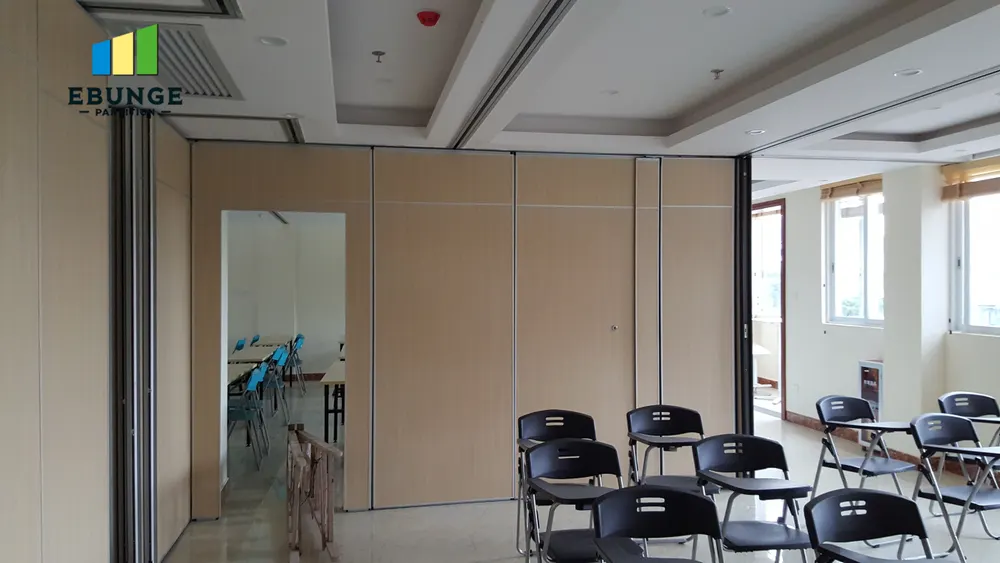
- Confirm pass-door requirements and how they affect the route and parking.
- Agree which project documentation will be issued with the tender.
- Re-issue the RACI with open items clearly marked, not hidden.
Evidence note: a RACI records ownership and open questions. It does not certify structural capacity, acoustic performance or dimensional fit. Those remain project-specific confirmations.
Keep Acoustic Language Honest in the Tender
Seals, junctions and the surrounding construction all influence the built result.
In the RACI, give the acoustic intent its own line: who states the design target, who reviews it, and what project-specific evidence will be required. Instead, describe the intent and require confirmation through the project’s acoustic review process.
Prepare Tender Documents That Match the RACI
The tender package should show the route, the parking position and the interface owners. Include the coordinated layout, ceiling coordination drawings and the finish schedule. Where a decision is still open, say so explicitly rather than implying a default.
Review the movable wall product information for the maintained description of top-hung operation and clear-floor movement, and use the project resources to support planning conversations. Neither replaces drawing review for your specific project.
Decision checklist before issue
- Route drawn from opening to parking, including turns.
- Continuous connected overhead route confirmed on the layout.
- Supporting structure review assigned to a qualified party.
- Parking footprint coordinated with adjacent elements.
- Finish selections recorded without inferred performance.
- Pass-door requirements discussed and documented.
- Acoustic intent stated, with review ownership named.
- Open items listed with owners and dates.
Frequently Asked Questions
Who should be accountable for the track zone in a RACI?
Accountability should sit with the party qualified to confirm that interface for the project. Name one accountable party per line.
Can the RACI be completed without a supplier review?
You can draft the register and assign roles, but route geometry, parking arrangements and pass-door requirements should be discussed with the supplier.
Does a finish selection prove acoustic performance?
No. Confirmed finishes such as laminate, melamine, fabric, leather and glass describe surfaces, not acoustic outcomes. Acoustic intent must be reviewed separately for the project.
How should open items be handled at tender?
List them clearly with an owner and a required response. Do not let an unresolved interface appear settled. Tender respondents should see exactly which confirmations remain outstanding.
Is a floor track part of the route review?
The panels are top-hung and cross the opening without a floor track. The route review therefore focuses on the overhead path, supporting structure, ceiling zone and parking position.
When should the RACI be updated?
Update it whenever the layout, ceiling coordination, parking position or finish schedule changes. Re-issue it before tender and again after tender clarification so the record stays current.
Conclusion and Next Step
A track zone interface RACI before tender gives the project team a shared, honest record of who decides what. It keeps the movement route, support review, parking position and finish selections visible, and it separates confirmed information from open questions. Confirm project-specific support, acoustic and dimensional requirements with the relevant parties before issuing documents.
To discuss pass-door requirements, project documentation or route coordination for your layout, contact the EBUNGE team.