
Audit a Bidder's Track Interface Assumptions Line by Line
Quick project answer
Review focus: track interface.
To audit bidder track interface assumptions line by line, treat the bidder’s track narrative as a set of testable statements rather than background text. Each sentence about suspension, route, parking or support should be traceable to a drawing, a stated assumption or an open question. This guide gives procurement and tender review teams a repeatable way to do that without inferring performance the documents do not show.
Why the track interface deserves its own audit
Project review term: track interface.
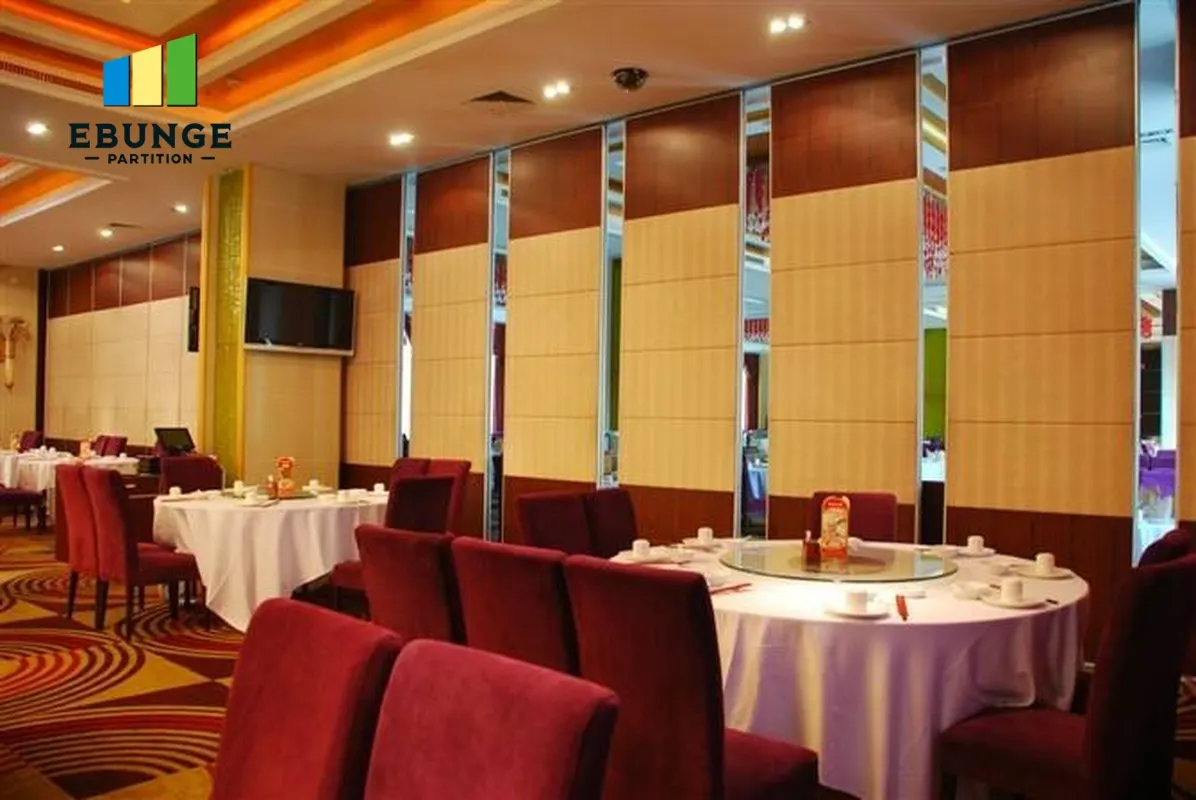
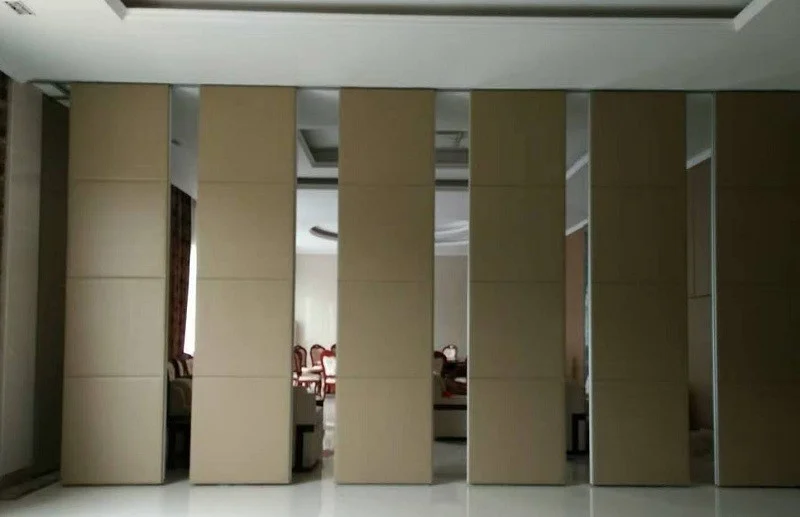
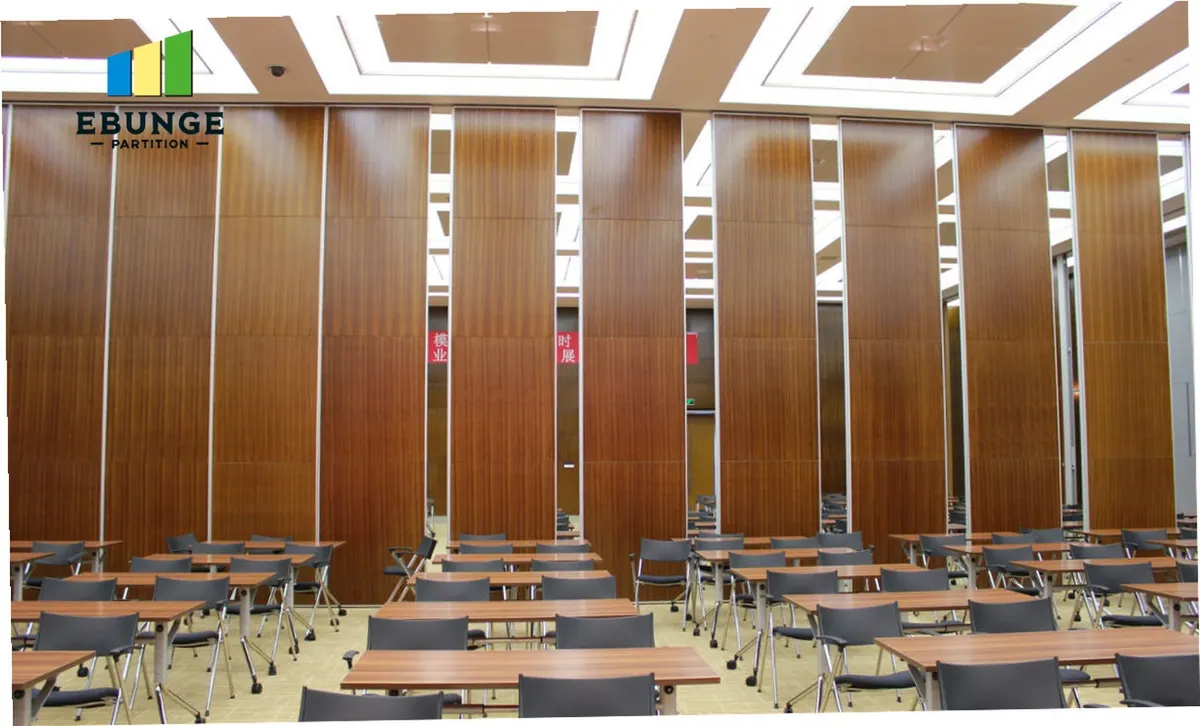
Movable wall panels are individually movable and suspended from a top track. They cross the opening without a floor track and park at a planned stacking position. Those few facts already generate a chain of interfaces: the overhead route, the structure that receives it, the geometry of the opening, and the space reserved for parking.
A bidder who describes the panels well may still leave the track interface vague. The audit exists to expose that gap before award, while questions are still cheap to ask. Review the movable wall product context first so the bid language is compared against maintained facts, not against assumptions carried over from another project.
Prepare the documents before reading the bid
Line-by-line review fails when the reviewer has nothing to compare against. The suitability of each route and parking arrangement depends on the approved layout, circulation, ceiling interfaces and operating sequence. Then mark which of these are issued documents and which are still indicative.
Build a reference set
- Current floor layout showing the opening and the intended parking zone.
- Ceiling zone information relevant to the overhead route.
- The tender specification and any addenda issued after it.
- A short list of questions the project team already knows are unresolved.
Where a document is missing, record the absence. A missing drawing is itself an audit finding, because the bidder may have filled the gap with an assumption nobody approved.
A line-by-line method that stays evidence-bounded
Work through the bid in a fixed order so nothing is skipped. The sequence below moves from the physical route to the commercial wording, which is where vague language usually hides.
- Isolate every track sentence. Copy each statement about the top track, suspension, route or parking into a review sheet with its section reference.
- Classify the statement. Mark it as a maintained product fact, a project-specific proposal, an assumption, or an open question.
- Check the route description. Straight, turning and stacking routes should be reviewed from the layout. The exact route, junction arrangement, continuous overhead path and parking position must be confirmed from the coordinated project drawings.
- Check the parking description. Parking style is customized to the layout and project requirements, and compact stacking may be possible when the coordinated design permits it. The bid should say what it assumes, not simply that stacking is included.
- Check the floor statement. The bid should reflect that panels move without a continuous floor running track or floor hardware along the partition line.
- Check the finish and pass-door wording. Confirmed finish options include laminate, melamine, fabric, leather, glass and other approved surfaces. Pass-door requirements and project documentation can be discussed, so the bid should identify them as items to confirm rather than settled scope.
- Record the evidence status. For each line, note what supports it and what remains unverified.
Red flags in track interface wording
Certain phrases recur in bids and deserve a direct question. They are not proof of a problem, but they are places where the reviewer should stop and ask for the drawing or the assumption behind the sentence.
| Bid wording pattern | What to request |
|---|---|
| Track described only as “supplied” with no route shown | A route description reviewed against the layout, including turns and the stacking position |
| Parking described as standard or typical | The assumed parking zone dimensions and how they relate to the coordinated design |
| Acoustic wording with no scope boundary | Clarification of what is being described and which project-specific acoustic requirements still need confirmation |
| Structural support treated as someone else’s scope | A named interface owner and a written statement of what the bidder assumes the structure provides |
If acoustic requirements matter to the room, ask for project-specific confirmation rather than accepting a rating quoted without scope.
Run the audit as a scored review
A simple scoring sheet keeps the discussion factual. Score each line on whether the bid states the assumption, shows the basis, and identifies who confirms it. Lines that fail all three become clarification questions before award.
Decision checklist
- Does the bid show the overhead route from the opening to the parking position?
- Does it describe turns and stacking as reviewed from the layout?
- Does it avoid implying movement across an untracked gap?
- Does it state that panels cross the opening without a floor track?
- Does it list finishes from the confirmed options rather than inventing new ones?
- Does it flag pass-door requirements and documentation as items to confirm?
- Does it avoid unsupported claims about acoustic results, durability or cost outcomes?
Use the project resources to keep the review vocabulary consistent across reviewers, so two colleagues reading the same bid reach the same conclusion.
Close the loop with written clarifications
The audit is only useful if its findings change the tender record. Convert each open item into a numbered clarification, ask the bidder to answer in writing, and attach the answer to the bid evaluation.
Evidence note: a drawing shows geometry, not capacity. A finish sample shows appearance, not cleaning compatibility. A quoted rating shows a rating system, not measured site performance. Each of these needs its own project-specific confirmation.
This discipline protects the whole delivery team. Contractors avoid inheriting an unstated support assumption, architects keep control of the ceiling interface, and owners see which decisions remain open before the order is placed.
Frequently asked questions
What does “track interface” mean in a movable wall bid?
It is the boundary between the partition system and everything the overhead track depends on: the route geometry, the receiving structure and the parking zone. The bid should describe that boundary rather than only naming the product.
Can the audit confirm acoustic performance?
No. The audit checks whether the bid’s wording is supported and scoped.
How should turning and stacking routes be reviewed?
From the layout. Ask the bidder to show how the straight, turning and stacking routes were derived, and confirm the overhead route is continuous and connected along the proposed path.
Do we need to confirm floor fixings?
The maintained product facts state that panels are top-hung and move without a continuous floor running track or floor hardware along the partition line. Any project-specific deviation should be raised as a written question.
Which finishes can a bidder legitimately list?
Confirmed options include laminate, melamine, fabric, leather, glass and other approved surfaces. A bidder should not present an unapproved surface as equivalent without documentation.
What if the bidder leaves support to others?
That can be legitimate, but it must be written down.
Conclusion and next step
Auditing a bidder’s track interface assumptions line by line is mostly a discipline of separating what is stated from what is assumed. Keep the route, parking position, finish scope and pass-door items visible in one review sheet, and convert every gap into a written clarification. Confirm project-specific support, acoustic and dimensional requirements with the responsible parties before award.
If you want a second pair of eyes on a tender package, contact the EBUNGE team to discuss your layout, documentation and the questions your bid review has surfaced.