
How Architects Can Run a Track Zone Assumption Swap Before Tender
Quick project answer
Review focus: track zone.
An architect track zone assumption swap before tender is the deliberate replacement of early, unverified ideas about where an overhead track runs with coordinated information that the project team can actually price and review. It is not a performance upgrade and it is not a promise about acoustics. It is a documentation discipline: you identify what was assumed, test it against the layout, and record what still needs project-specific confirmation.
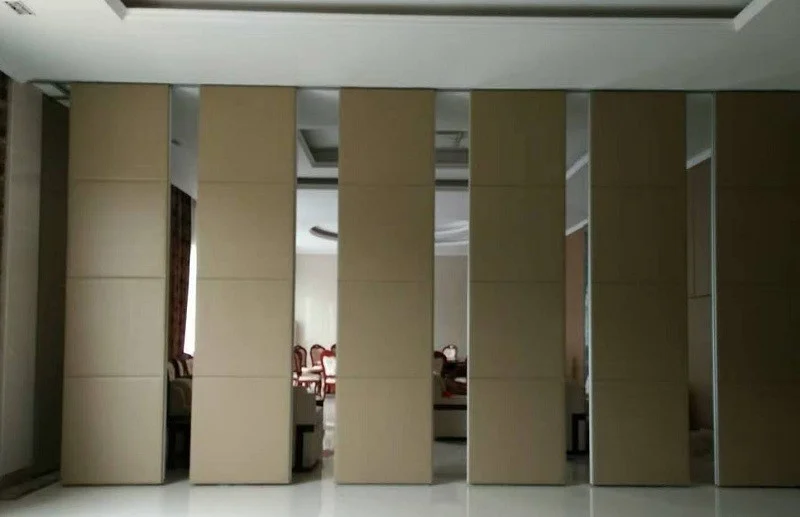
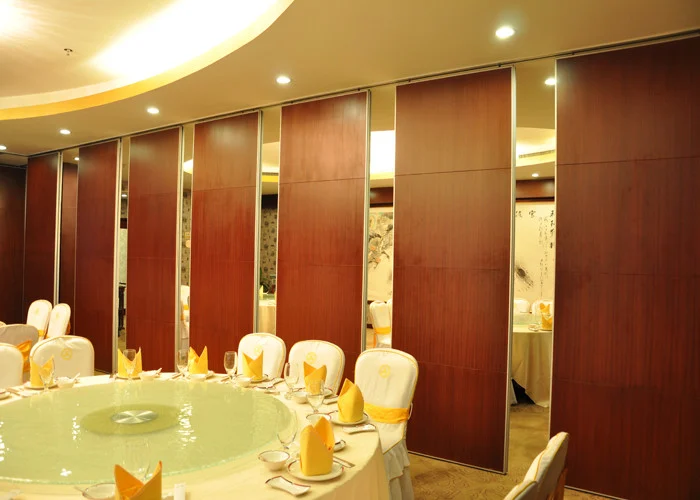
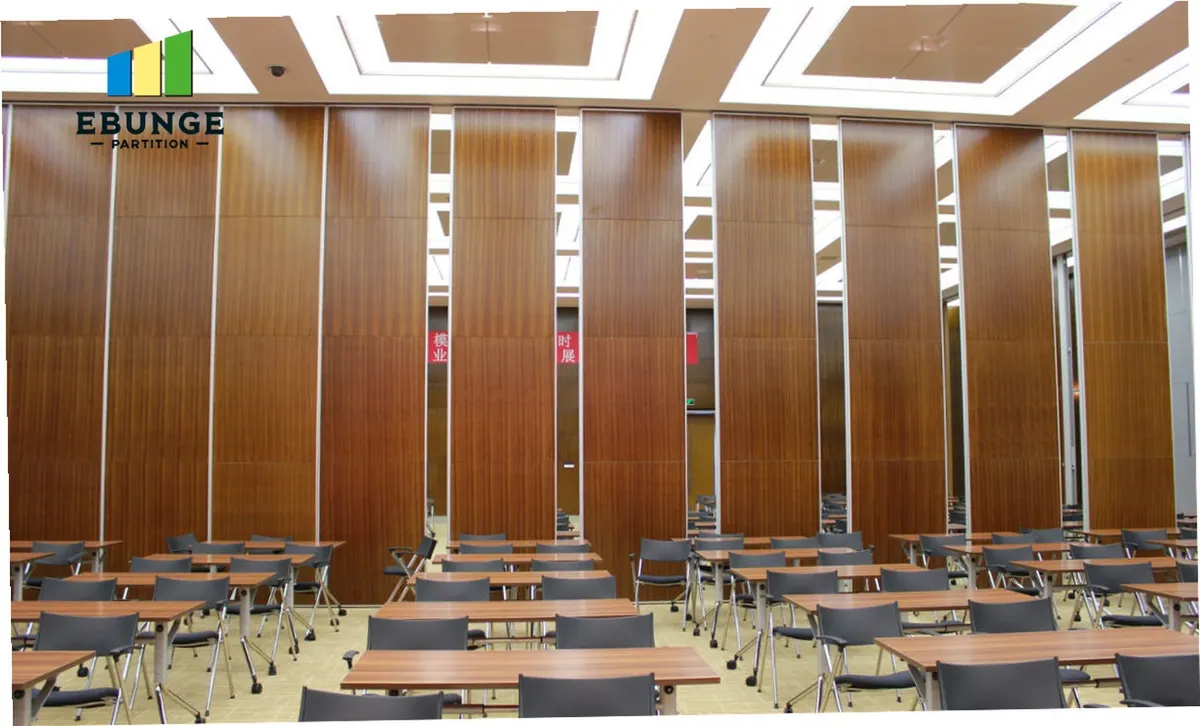
Movable wall panels are individually movable, suspended from a top track, and cross the opening without a floor track. They park at a planned stacking position. Those maintained facts are the starting point for any swap. Everything beyond them — support design, acoustic targets, dimensions and interfaces — belongs to project-specific review. Use the movable walls product overview as shared context, not as a substitute for drawings.
Why the Swap Belongs Before Tender, Not After
Project review term: track zone.
Tender documents freeze assumptions. If a track zone is shown as a line on a plan without a stated route logic, bidders may interpret it differently, and the resulting comparison becomes unreliable. Swapping the assumption early gives every bidder the same question to answer.
The swap also protects the design narrative. A room that appears flexible on plan may rely on a movement path that has not been checked against structure, ceiling zones or adjacent services. Straight, turning and stacking routes are reviewed from the layout, so the layout must show them.
What counts as an assumption
- A track shown as a single line with no stated start, end or parking position.
- A stacking location implied by empty space rather than drawn and labelled.
- The exact route, junction arrangement, continuous overhead path and parking position must be confirmed from the coordinated project drawings.
- A finish noted generically without confirming it is an approved surface.
- An acoustic expectation written as a target without a defined verification route.
What the swap is not
The suitability of each route and parking arrangement depends on the approved layout, circulation, ceiling interfaces and operating sequence. It is a documented change from vague to explicit, with open items flagged rather than resolved by inference.
A Six-Step Swap Workflow for Design Teams
Coordination scope: track zone.
- Collect the current assumption set. Gather plans, reflected ceiling plans, sections and any written notes that mention the partition line.
- Mark the movement route. Trace the straight run, any turn, and the parking position on the same drawing set.
- List interfaces. Note ceilings, structure, services, finishes and adjacent openings that the route touches.
- Separate confirmed from unconfirmed. Keep maintained product facts apart from project decisions still under review.
- Issue a swap note. State what changed, what evidence supports it, and what remains open.
- Close the loop before tender issue. Confirm that bidders receive the same revised assumption and the same list of open items.
Drawing Checks That Reveal Hidden Track Zone Risk
Most swap failures are drawing failures. The route looks continuous on a small-scale plan but breaks at a ceiling transition, or the parking zone overlaps a door swing. Review at a scale where junctions are visible.
| Check | Question to ask | Evidence needed |
|---|---|---|
| Route continuity | Is the overhead route connected from start to parking? | Coordinated plan and section |
| Parking position | Is the stacking zone drawn, labelled and clear of obstructions? | Layout drawing with parking marked |
| Turning geometry | Does any turn work within the available zone? | Project-specific layout review |
| Support interface | Has the supporting structure been reviewed by the responsible engineer? | Structural review, not a product assumption |
| Finish intent | Is the specified surface among approved options? | Confirmed finish selection |
Those are separate evidence questions. The resources library is a sensible place to align the team on documentation expectations before the swap note is issued.
Writing the Swap Note So Bidders Can Price It
A swap note should be short enough to read and specific enough to act on. It replaces an assumption with a stated condition and a named open item. Avoid adjectives that imply performance.
Suggested structure
- Previous assumption: what the earlier drawing implied.
- Revised condition: the route, parking position and interfaces now shown.
- Confirmed basis: maintained product facts and approved finishes only.
- Open items: support review, acoustic requirement, dimensional verification, pass-door needs.
- Action: who confirms each open item and by when.
Evidence note: a swap note records coordination decisions. It does not certify acoustic performance, structural adequacy or compliance. Those require separate project-specific confirmation from the responsible parties.
Handling Acoustics and Seals Without Overclaiming
Acoustic concepts can be discussed generically. Seals, junctions and the surrounding construction all influence the outcome.
If a project has an acoustic requirement, record it as a requirement with a verification route, not as a product promise. Ask what will be measured, by whom, and against which project document.
Pass-doors and access
Pass-door requirements should be raised during the swap, because they affect the route and the layout. Discuss them with the project team and record the outcome. Do not assume a door position from a generic drawing.
Coordinating the Swap Across the Project Team
The swap is a coordination event, not a solo edit. Architects, contractors, interior designers, owners and distributors each hold part of the picture. A short review meeting with the revised drawing set is usually more effective than a long comment chain.
Assign one owner for the swap note and one reviewer for each open item. Keep the confirmed facts and the open questions visibly separate so that tender pricing is not built on unresolved assumptions.
Frequently Asked Questions
When should the track zone assumption swap happen?
Before tender documents are issued, so every bidder prices the same coordinated condition.
Does a movable wall need a floor track?
No. EBUNGE movable wall panels are top-hung and cross the opening without a floor track. The overhead route still requires a continuous connected path and project-specific support review.
Can the swap confirm acoustic performance?
No. The swap can record an acoustic requirement and its verification route. Performance claims need matching project evidence and confirmation from responsible parties.
Which finishes can be recorded in the swap note?
Confirmed options include laminate, melamine, fabric, leather, glass and other approved surfaces. Record only what has been confirmed for the project.
What if the parking position is not yet decided?
Show it as an open item with a decision owner. Parking is planned to the customer layout and project requirements, so it should not be left implicit at tender.
Who confirms structural support?
Product information does not replace that review.
Conclusion and Next Step
A disciplined swap turns an early sketch into a tender-ready condition without inventing performance. Keep the maintained facts close, mark the route and parking position clearly, and list every open item with an owner. Confirm project-specific support, acoustic and dimensional requirements with the relevant parties before relying on any drawing.
To discuss pass-door requirements, documentation expectations or a layout review for your project, contact the EBUNGE team with your drawings and open questions.