
How Architects Can Run a Partition Interface Assumption Register
Quick answer: partition interface assumption register
Review focus: partition interface assumption register.
An architect partition interface assumption register is a simple coordination tool: a living list of every assumption made where a movable partition meets structure, ceilings, adjacent finishes and the people who operate it. It does not replace drawings or specifications. It records what is still unconfirmed, who must confirm it, and what evidence will close the item. For overseas teams working across time zones and languages, that record is often the difference between a clean handover and a late redesign.
This guide sets out a workable method for running the register through design, tender and construction stages, using only maintained product facts and clearly marked evidence limits.
Why the Interface, Not the Panel, Drives Risk
Project review term: partition interface assumption register.
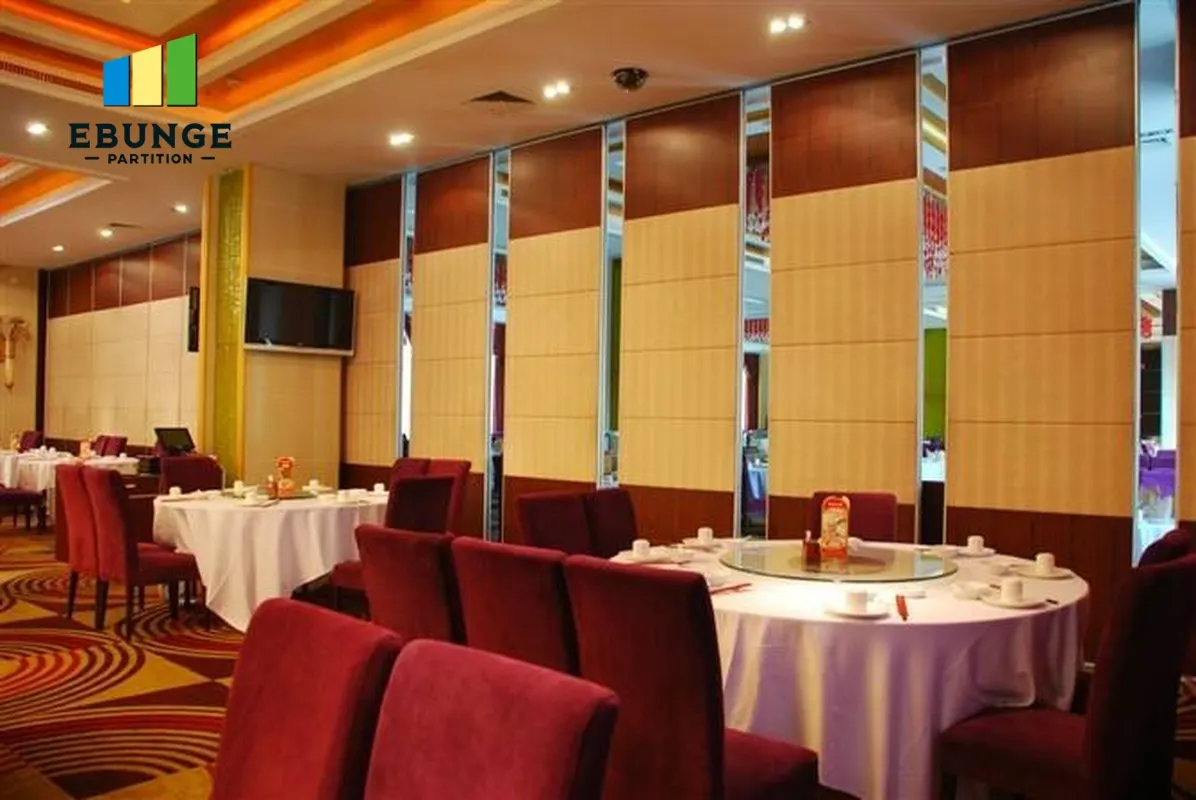
Movable wall panels are individually movable and suspended from a top track. They cross the opening without a floor track and park at a planned stacking position. The exact route, junction arrangement, continuous overhead path and parking position must be confirmed from the coordinated project drawings.
Each of those touchpoints is an interface. Each carries assumptions, and assumptions that live only in one person’s memory are the ones that surface as site questions. The register gives them a home.
What Belongs in the Register
Coordination scope: partition interface assumption register.
Start with the movement concept, because the route shapes everything else. Straight, turning and stacking routes are reviewed from the layout, so the register should capture the route as drawn, not as imagined. Record the opening width and height as design intent, the parking location, and any pass-door requirement, then mark each entry as confirmed, assumed or open.
Core fields for every entry
- Interface ID and location: a short reference tied to a drawing or room name.
- Assumption statement: one sentence describing what is currently believed to be true.
- Evidence status: confirmed by drawing, awaiting confirmation, or explicitly out of scope.
- Owner and due date: the party responsible for closing the item.
- Linked documents: drawing number, revision and any correspondence reference.
Interfaces worth logging early
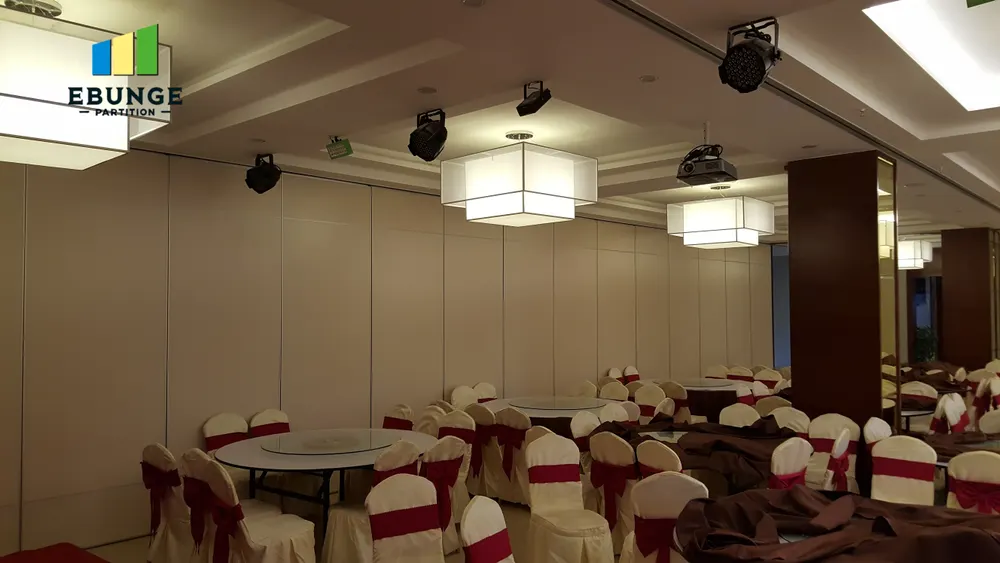
Overhead support and track route continuity, ceiling transitions, floor finish junctions, stacking recess or alcove geometry, adjacent wall and column positions, finish selections, and pass-door locations are all typical candidates. Add acoustic intent as a separate line rather than folding it into a finish note.
A Five-Step Process for Running the Register
Checklist focus: partition interface assumption register.
- Open the register at concept design. List interfaces before finishes are chosen, so the route and parking position are debated while change is still cheap.
- Assign one owner per line. Shared ownership is the most common reason an item stays open for months.
- Review at each drawing issue. Walk the register against the current revision and retire items that drawings now confirm.
- Escalate open items before tender. Anything still assumed at tender should be flagged in the specification as requiring project-specific confirmation.
- Close out at handover. Keep the register as a record of what was confirmed and by whom, so future refurbishment starts from facts.
Handling Acoustic Intent Without Overclaiming
The suitability of each route and parking arrangement depends on the approved layout, circulation, ceiling interfaces and operating sequence. They are not a promise about how a room will perform on site, because performance depends on the whole construction, including junctions, seals, adjacent elements and workmanship.
In the register, record acoustic intent as a requirement to be confirmed for the specific project, and note which junctions still need review. Seals and acoustic concepts can be explained generically at this stage; the actual configuration must be confirmed against project-specific support, acoustic and dimensional requirements.
Evidence note: a visible finish, photograph or drawing does not by itself demonstrate acoustic performance, structural capacity or cleaning compatibility. Those conclusions require matching project evidence, so keep them as open register items until that evidence exists.
Finish and Pass-Door Assumptions
Confirmed finish options include laminate, melamine, fabric, leather, glass and other approved surfaces. Each choice raises interface questions: how the finish meets adjacent materials, whether the same finish is intended on both faces, and how the sample is referenced in the specification. Log the finish by name and sample reference rather than by description alone.
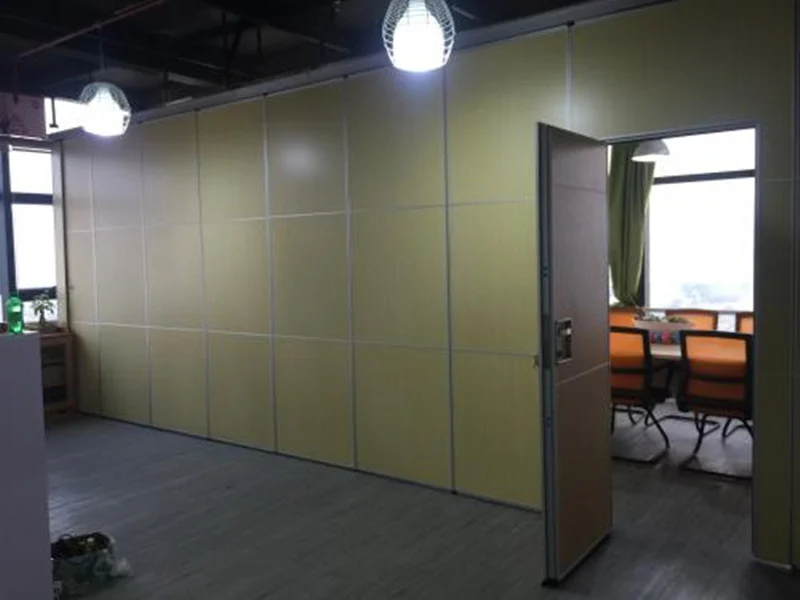
Pass-door requirements and project documentation can be discussed with the supplier. Record the intended location, the route it serves and the drawing that shows it, then confirm the detail through the normal review cycle.
Keeping the Register Honest
The register only works if it distinguishes what is known from what is hoped. Use a compact status table at the front of the document so readers see the balance at a glance, and keep the detailed lines behind it.
| Status | Meaning | Action |
|---|---|---|
| Confirmed | Supported by a reviewed drawing or document | Reference the revision and close |
| Assumed | Working belief without matching evidence | Assign owner and target date |
| Open | Not yet decided or not yet reviewed | Escalate before the next issue |
| Out of scope | Handled by another package | Name the responsible party |
Review the register alongside the movable wall product information and the technical resources, and treat any statement that cannot be traced to a document as an assumption until it can.
FAQ
Who should own the register?
Provide the current layout, opening dimensions, ceiling information, intended room use, and relevant project drawings for review. The exact overhead route and support arrangement must be confirmed by the responsible project team from coordinated drawings.
Does every interface need an entry?
No. Log interfaces where an assumption could change the design, the route, the parking position or the specification. Routine details already shown on reviewed drawings can be referenced rather than repeated.
How does the register relate to the specification?
The specification states requirements; the register tracks which requirements are still unconfirmed. Open items should appear in the specification as items requiring project-specific confirmation.
Can the register record acoustic intent?
Yes, as a requirement to be confirmed for the project. Avoid recording a rating as an achieved outcome, and keep junction and seal details as separate items pending review.
What happens to the register after handover?
Keep it with the as-built documentation. It becomes a factual starting point for future alterations, showing what was confirmed and what remained open.
Can suppliers help close items?
Yes. Pass-door requirements, finish references and documentation can be discussed directly, and the outcome should be recorded against the relevant line with a document reference.
Conclusion
A partition interface assumption register is modest work with a large coordination payoff. It keeps route, parking, finish and acoustic assumptions visible, assigns them to people, and closes them with reviewed evidence rather than optimism. Confirm project-specific support, acoustic and dimensional requirements before specification, and let the register show exactly where that confirmation stands.
Ready to review your interface list? Contact the EBUNGE team to discuss pass-door requirements, finish references and project documentation.