
How to Weight a Bidder's Track Interface Clarifications in Tender
Quick project answer
Review focus: track interface.
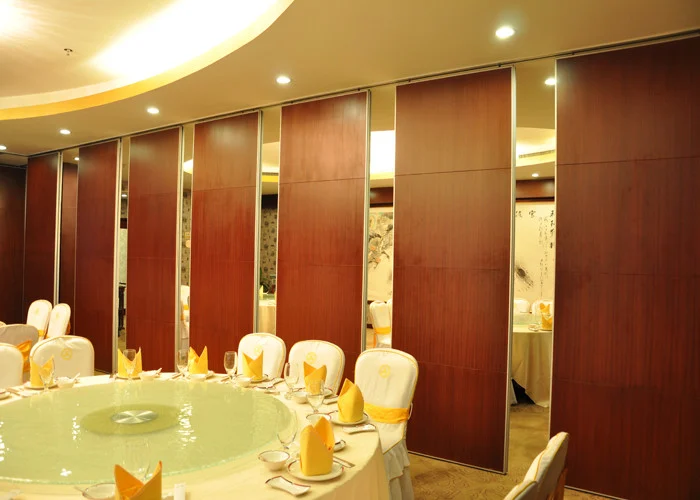
When you weight bidder track interface clarifications tender scoring, you are deciding how much credit a bidder earns for explaining the junction between the movable panels and the building structure above. That junction carries the operating logic of a top-hung system: panels are individually movable, suspended from a top track, cross the opening without a floor track, and park at a planned stacking position. A bid that treats this interface as a footnote is harder to compare than one that shows the route, the support context and the limits of its own evidence.
This guide offers a scoring framework for contractors, architects, interior designers, owners and procurement teams. It does not supply project performance figures. The exact route, junction arrangement, continuous overhead path and parking position must be confirmed from the coordinated project drawings.
Why the Track Interface Deserves Its Own Scoring Line
Project review term: track interface.
Bid evaluation often collapses the partition package into finish samples and headline acoustic language. The suitability of each route and parking arrangement depends on the approved layout, circulation, ceiling interfaces and operating sequence. If bidders describe these elements differently, their prices and programmes may not be comparable at all.
A separate scoring line forces each bidder to answer the same question in the same place. It also gives evaluators a defensible reason to seek clarification before award rather than discovering a mismatch during installation coordination.
Define the Evidence You Will Accept Before Bids Arrive
Coordination scope: track interface.
Scoring is only fair when the evidence standard is published in the tender documents. State what a compliant clarification looks like: marked-up drawings, a written route description, a parking arrangement consistent with the layout, and a clear list of items still to be confirmed. Avoid awarding points for adjectives such as robust, seamless or acoustic without a defined reference.
Separate confirmed facts from assumptions
Bidders should distinguish what their proposal confirms from what depends on site verification.
Ask for the route, not just the product
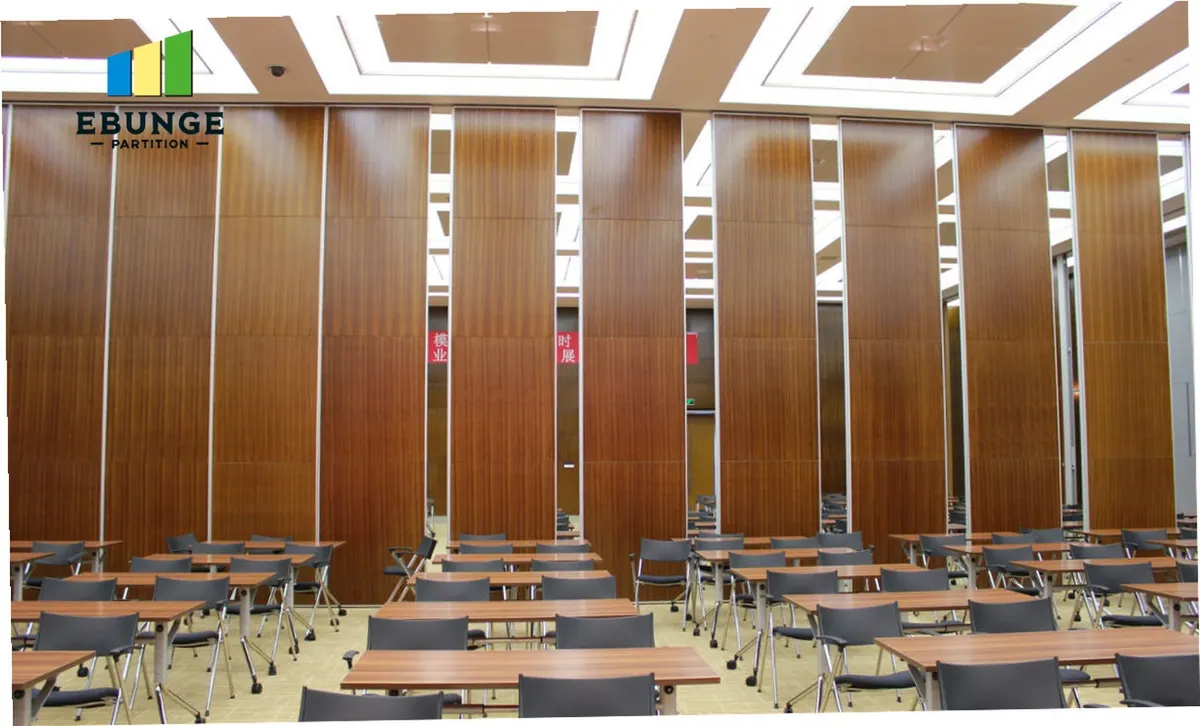
Straight, turning and stacking routes are reviewed from the layout. A bidder who shows how panels travel from the closed position to the parking position demonstrates understanding that a continuous connected overhead route is required.
A Weighted Scoring Model You Can Adapt
Checklist focus: track interface.
The percentages below are a discussion model, not a mandated standard. Adjust them to the project’s risk profile and record the rationale in the tender report so the weighting itself is auditable.
| Scoring criterion | Suggested weight | What earns credit |
|---|---|---|
| Route and layout reading | 25% | Straight, turning and stacking routes described against the actual layout |
| Support interface description | 25% | Clear statement of what the bidder confirms and what the project team must verify |
| Parking and stacking coordination | 20% | Parking position consistent with the coordinated design and available space |
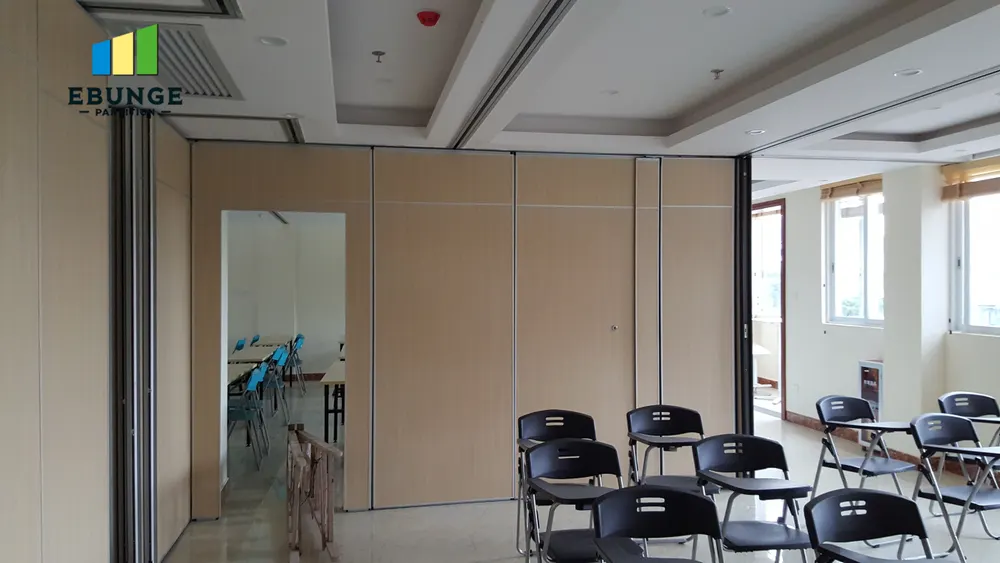
| Finish and pass-door coordination | 15% | Finish options matched to the specification; pass-door needs discussed |
| Clarity of open items | 15% | Explicit list of unresolved items with owners and review steps |
Use the same evidence test for every bidder. A concise submission that names its open items can score higher than a longer one that hides them behind confident wording.
Read Clarifications Against the Drawings
Place each clarification beside the relevant plan and section. Where a bidder proposes a variation, ask for the revised drawing rather than accepting a written description alone.
Questions that expose weak clarifications
- Which drawing shows the full overhead route from closed position to parking position?
- Which elements above the opening are confirmed by the bidder, and which remain the project team’s responsibility?
- How does the proposed parking arrangement relate to the coordinated layout?
- Which finish options are offered, and are pass-door requirements addressed?
- What remains open, and who will close it before manufacture?
These questions are not traps. They help evaluators distinguish a bidder who has reviewed the layout from one who has reused a generic submission.
Handle Acoustic Language Carefully in Scoring
Do not award points for a rating quoted without context, and do not reduce the discussion to a single number.
Evidence note: seals, joints and the surrounding construction all influence acoustic behaviour conceptually, but this article does not confirm any seal material, panel construction or tested result. Require project-specific acoustic documentation and confirm requirements with qualified specialists before scoring acoustic claims.
That approach keeps the evaluation honest without converting marketing language into a verified outcome.
Run a Structured Clarification Round
- Issue identical clarification questions to all bidders, referencing the same drawing numbers.
- Require responses in writing with marked-up drawings where geometry is involved.
- Log each answer against the scoring criterion it supports.
- Flag any answer that introduces a new assumption not covered by the tender documents.
- Re-score only the affected criteria and record the reason for the change.
- Carry unresolved items into the award conditions with named owners.
This sequence keeps the process transparent and prevents a late, detailed submission from gaining an unfair advantage over bidders who answered within the original scope.
Common Scoring Pitfalls to Avoid
Third, accepting a route description that omits the parking position. Fourth, allowing one bidder to redefine the interface without issuing the same opportunity to others.
Finally, avoid converting uncertainty into a promise. If a bidder cannot confirm a project-specific condition, the correct scoring response is to note the open item and its review path, not to assume the condition will be resolved. The EBUNGE resources page can support general planning discussions, but project drawings and specialist review remain decisive.
Frequently Asked Questions
Should track interface clarifications be scored separately from the panel specification?
Yes, where the layout involves movement routes and parking. The interface affects how the system works in the building, so it deserves its own criterion rather than being folded into finish or acoustic scoring.
Can a bidder confirm structural support for the track?
Provide the current layout, opening dimensions, ceiling information, intended room use, and relevant project drawings for review. The exact overhead route and support arrangement must be confirmed by the responsible project team from coordinated drawings.
How should we treat acoustic ratings quoted in a bid?
Ask for the context: what was measured, under which conditions, and how it relates to the proposed configuration.
What if a bidder’s route drawing shows a gap in the overhead track?
Raise it as a clarification.
Do pass doors need to be settled at tender stage?
Pass-door requirements can be discussed during tender so that the interface and layout implications are visible. Final details should be confirmed against the project’s drawings and operational needs.
Which finish options can bidders offer?
Confirmed finish options include laminate, melamine, fabric, leather, glass and other approved surfaces. Score whether the offered finish matches the specification, not whether it implies unverified performance.
Conclusion and Next Step
This approach protects comparability without inventing performance figures or promising outcomes the documents cannot support.
Before award, confirm project-specific support, acoustic and dimensional requirements with the responsible specialists. To discuss pass-door requirements, finish options or project documentation for a movable wall package, contact the EBUNGE team and share your layout for review.