
Tender Query Deadline Planning for Acoustic Partition Track Interfaces
Quick project answer
Review focus: track interfaces.
When a tender includes movable walls, the tender query deadline partition track interfaces decision is rarely about the panels alone. It is about the overhead route, the structure that receives it, and the drawings that prove both. Teams that treat this as a last-minute clarification often discover, after the query window closes, that the layout and the support assumptions do not match. This article sets out a working method for raising the right queries early, with the right evidence attached.
Everything below is bound to maintained EBUNGE product facts and to visible drawing review. It does not replace project-specific engineering, acoustic or dimensional confirmation, which must come from the appointed parties for each project.
Why track interfaces dominate tender queries
Project review term: track interfaces.
EBUNGE movable wall panels are individually movable and suspended from a top track. They cross the opening without a floor track and park at a planned stacking position. The exact route, junction arrangement, continuous overhead path and parking position must be confirmed from the coordinated project drawings.
A query that asks only for a panel finish leaves these points unresolved. A query that asks how the overhead route is supported, where it turns, and where panels rest when open gives the whole team something reviewable.
Build the query list from the layout, not the brochure
Coordination scope: track interfaces.
Start with the proposed plan and trace each movement path.
Interface points worth naming explicitly
- Where the top track begins and ends relative to the opening and adjacent walls.
- The planned stacking position, including whether compact parking is intended.
- Any pass-door requirement within the panel run and how it is described in the specification.
- Which finish option is specified and which surfaces are approved for the project.
What the tender documents should show
The suitability of each route and parking arrangement depends on the approved layout, circulation, ceiling interfaces and operating sequence. Where they disagree, the query should identify the conflict rather than propose a resolution the tenderer is not appointed to make.
A deadline-driven query process
Checklist focus: track interfaces.
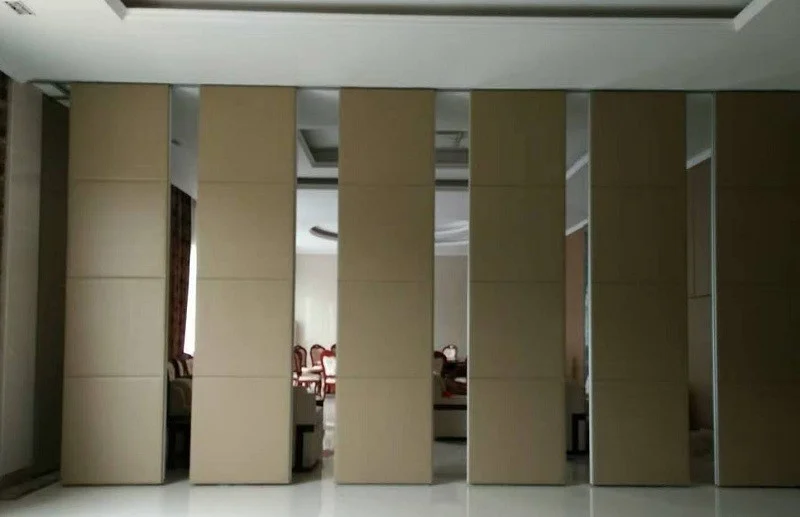
- Collect drawings early.
- Mark interface points. Highlight every point where the overhead route meets structure, changes direction or terminates at parking.
- Draft queries with evidence. Attach the drawing extract and state the exact conflict or missing information.
- Separate confirmed facts from assumptions. Keep maintained product facts apart from project-specific engineering questions.
- Submit before the deadline with time to spare. Leave room for a response and for any drawing revision that follows.
- Record the answers. File responses with the tender return so the specification reflects what was actually agreed.
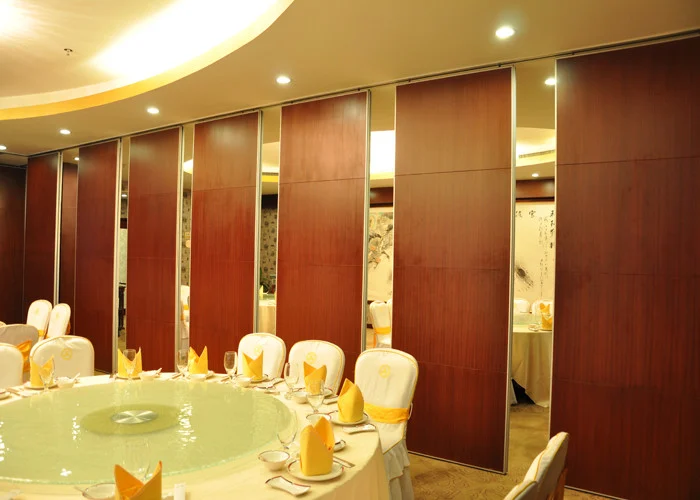
Evidence note: a finish sample or a photograph shows appearance only. It does not demonstrate structural capacity, acoustic performance, cleaning compatibility or a application reference. Those require separate, project-specific confirmation.
Separating product facts from project evidence
Maintained facts describe how the system works: individually movable panels, top-hung suspension, no floor track across the opening, parking at a planned position, and finish options that include laminate, melamine, fabric, leather, glass and other approved surfaces. These are safe to state in a tender query because they describe the product concept.
Project evidence is different. Support arrangements, dimensional fit, acoustic requirements and any performance expectation belong to the specific building and must be confirmed through the project’s own review process. Review the movable wall product range for the maintained description, then keep engineering questions in the project file.
Acoustic expectations at the track interface
Seals and closing details are part of the interface discussion in general terms, but their specification and any tested result must come from project documentation. Do not infer acoustic outcomes from a drawing or a finish.
Checklist before the query window closes
| Check | Question to ask yourself |
|---|---|
| Route continuity | Is the overhead route continuous and connected along the whole movement path? |
| Turning geometry | Does the layout show every turn, and has the structure above been reviewed for it? |
| Parking zone | Is the stacking position shown, sized and coordinated with adjacent services? |
| Pass doors | Is any pass-door requirement stated, and has it been discussed? |
| Finishes | Are the specified surfaces among the approved options for the project? |
| Acoustic requirement | Is the requirement stated, and is the demonstration route agreed? |
| Documentation | Are all queries and responses filed with the tender return? |
Use the EBUNGE resources for general planning context, and route project-specific questions through the appointed design team.
Common query mistakes and how to avoid them
Asking for performance without a requirement
A query that requests a rating without stating the project requirement cannot be answered meaningfully. State the requirement first, then ask how it will be addressed.
Leaving the parking position to the supplier
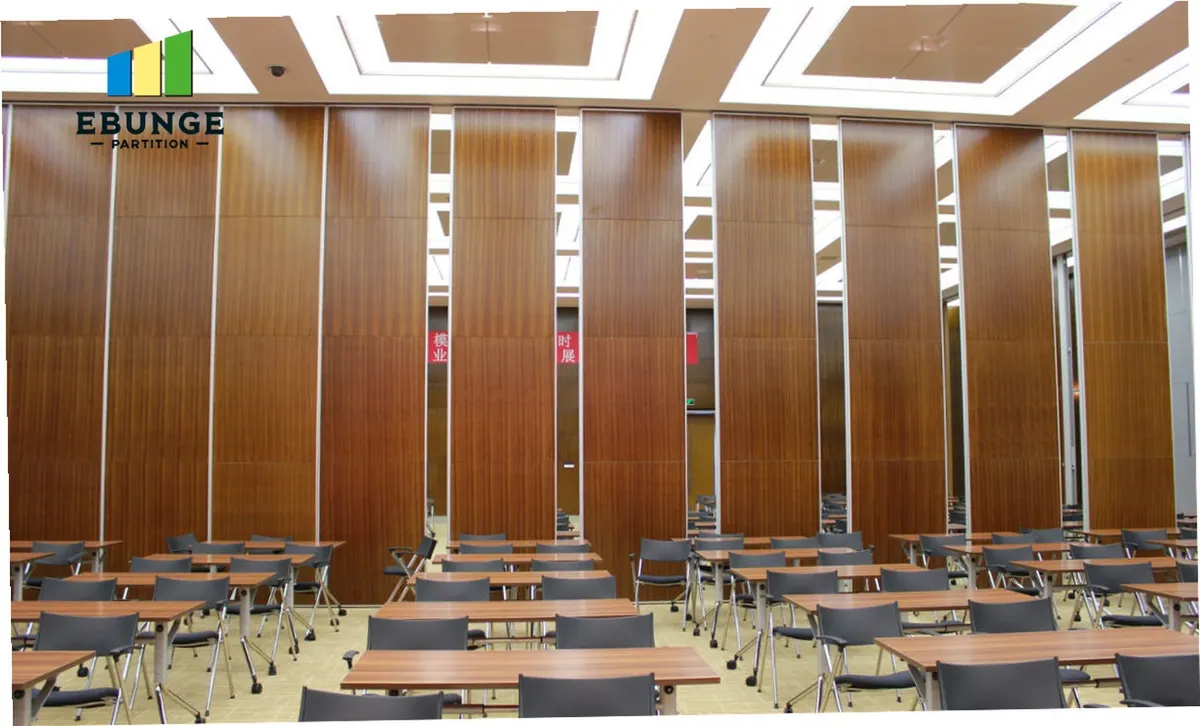
Parking style is customized to the customer layout and project requirements. The layout must therefore show where panels rest, and the query should confirm that position rather than assume it.
Treating a drawing as proof of capacity
A drawing shows intent. Keep support questions explicit and route them to the responsible engineer.
Frequently asked questions
When should tender queries about track interfaces be submitted?
Early enough that responses can be reviewed and drawings revised before the deadline. Treat the query window as a working period, not a final day.
Do movable partitions need a floor track across the opening?
No. EBUNGE panels are top-hung and cross the opening without a floor track. The overhead route must still be continuous and connected, and its support requires project-specific review.
Can the movement route turn or stack compactly?
Straight, turning and stacking routes are reviewed from the layout. Parking style is customized to the layout and project requirements, so the drawing must show the intended route and resting position.
Which finishes can be specified in the tender?
Confirmed options include laminate, melamine, fabric, leather, glass and other approved surfaces. Confirm the selection against the project’s approved list before the deadline.
Can a pass door be included?
Pass-door requirements can be discussed as part of the project review. State the requirement in the query so it is documented before award.
Does a stated STC or Rw value guarantee acoustic performance?
No. These are single-number descriptors, not a guarantee of on-site results. Confirm the project acoustic requirement and its demonstration route with the responsible parties.
Conclusion and next step
Good tender queries are specific, drawing-based and filed before the deadline. Focus on the overhead route, the turning and parking geometry, the finish selection and the acoustic requirement, and keep every performance statement tied to project evidence rather than inference.
To discuss pass-door requirements, finish options or project documentation for an upcoming tender, contact the EBUNGE team and share your layout for review.