
How Architects Can Run a Partition Interface Assumption Swap Before
Quick answer: assumption swap
Review focus: assumption swap.
Most partition problems at sign-off are not finish problems. The suitability of each route and parking arrangement depends on the approved layout, circulation, ceiling interfaces and operating sequence. Running a partition interface assumption swap architect sign-off review means deliberately replacing each inherited assumption with a confirmed, project-specific statement before the package is frozen.
This article sets out a coordination workflow for architects working with contractors, owners and suppliers. It stays within what can be verified from maintained product information and project drawings, and it flags where confirmation must come from the project team rather than from a generic specification.
Why the Interface, Not the Panel, Drives Sign-Off Risk
EBUNGE movable wall panels are individually movable and suspended from a top track. They cross the opening without a floor track and park at a planned stacking position. That description is simple, but every clause creates an interface: the overhead route, the opening edges, the parking zone and the surrounding construction.
When those interfaces are assumed rather than drawn, the assumption often survives into tender and construction because no one owns it. The swap exercise gives each assumption an owner, an evidence source and a status.
What an assumption swap actually is
An assumption swap is a structured replacement: for each interface statement, the team records what is currently believed, what evidence exists, and what must be confirmed before sign-off. It is a review discipline, not a performance claim.
Build the Assumption Register Before the Review Meeting
Start with a single register that lists every interface the partition touches. Keep entries short and assign one owner per line. The register should reference drawing numbers and revisions so that later changes are traceable.
- List interfaces: overhead route, opening jambs, adjacent walls, parking zone, ceiling zone and floor finish transitions.
- State the current assumption in one sentence, without adjectives.
- Mark status as confirmed, open or rejected.
- Record the action and the date it must close.
This register becomes the agenda for the swap meeting and the audit trail afterwards. It also prevents the common failure where a finish decision is discussed while the route geometry remains unresolved.
Swap Route Assumptions Using the Layout, Not Memory
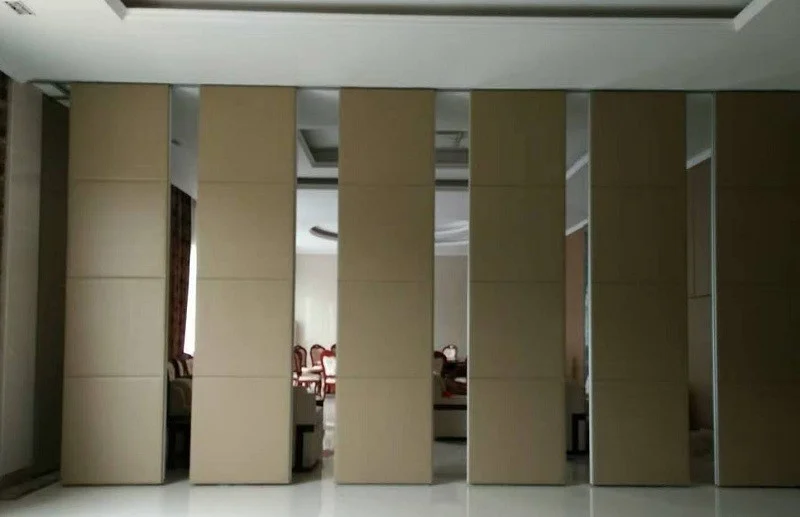
Straight, turning and stacking routes are reviewed from the layout. That means the review must use the current plan, not a remembered version. A route that appears to work on a small-scale drawing may fail once wall thicknesses, columns and door openings are drawn at true positions.
Questions that expose weak route assumptions
- Is the overhead route continuous and connected across the full travel path?
- Does the parking position sit where the layout shows it, clear of other trades?
- Do turning movements conflict with structure or services shown on the plan?
- Has the route been checked against the latest revision, not the issued-for-tender set?
Do not infer support, load or fixing outcomes from the drawing alone. Those require project-specific review by the responsible parties. The architect’s role is to ensure the question is asked and answered, not to substitute a guess for an engineering conclusion.
Treat Acoustic and Seal Language as Concepts, Not Promises
Seals, junctions and adjacent construction all influence how a partition performs in service.
For sign-off, the safe position is to state the acoustic requirement, identify who is providing project-specific evidence, and record that evidence against the interface register.
Evidence note: finish options confirmed for EBUNGE include laminate, melamine, fabric, leather, glass and other approved surfaces. A finish selection is not evidence of acoustic, fire, durability or cleaning performance. Those require separate project-specific confirmation.
Run the Swap Meeting as a Decision Session
Invite the parties who own the interfaces: contractor, owner representative, interior designer and the partition supplier. Keep the register visible and work through it line by line.
| Interface | Assumption to test | Evidence needed |
|---|---|---|
| Overhead route | Route is continuous and unobstructed | Current layout and coordinated services drawing |
| Opening edges | Jamb conditions suit the panel line | Detail drawing and supplier confirmation |
| Parking zone | Stacking position matches the plan | Layout review with the supplier |
| Acoustic requirement | Requirement is stated and owned | Project-specific acoustic evidence |
| Pass doors | Need and location are agreed | Discussed with the supplier and recorded |
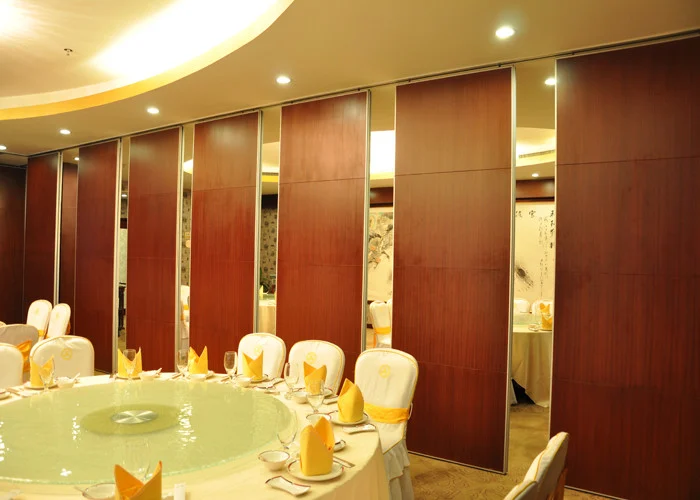
Pass-door requirements and project documentation can be discussed with the supplier as part of this session. Record outcomes in the register and reissue it with the meeting minutes.
Close the Loop in the Specification and Drawing Set
The swap is only complete when the specification and drawings reflect the confirmed statements. Replace vague phrases with specific references to the register, and remove assumptions that were rejected. Where an item remains open, say so plainly rather than implying resolution.
Sign-off readiness checklist
- Every interface line has an owner and a status.
- Route geometry has been reviewed against the current layout.
- Finish selections are recorded as selections, not performance evidence.
- Acoustic requirements are stated with a named evidence source.
- Open items are listed with dates and responsible parties.
- Supplier documentation is referenced, not paraphrased into new claims.
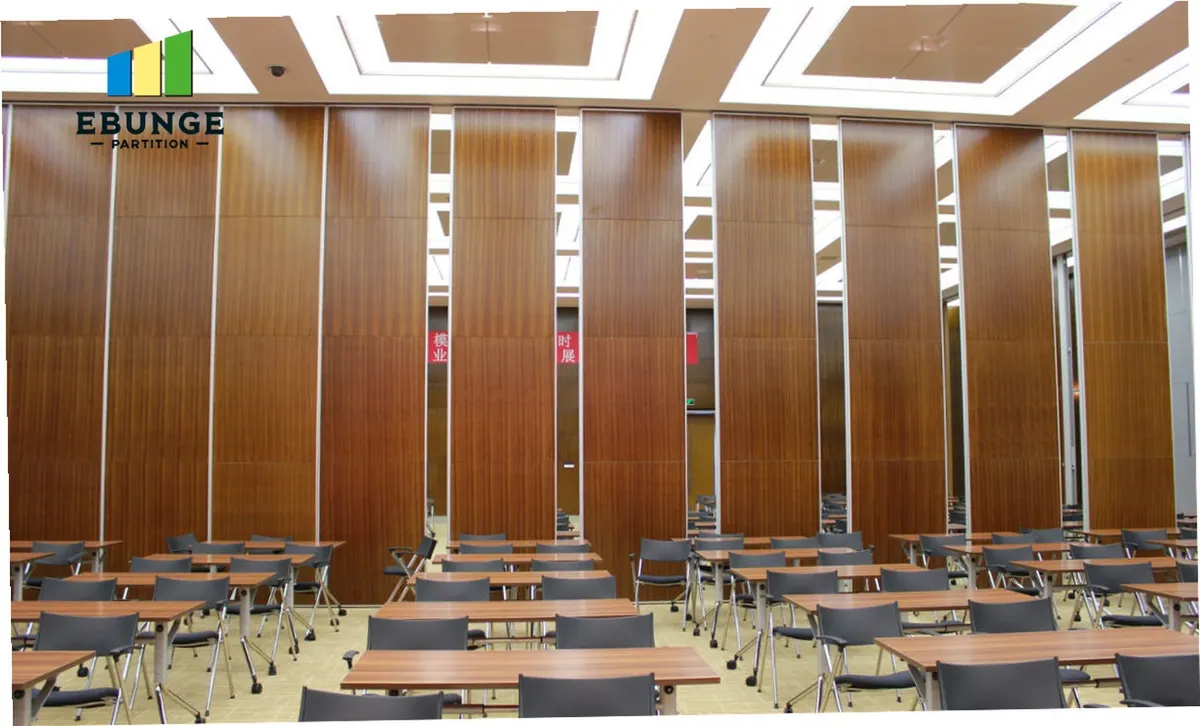
Teams can review the movable wall product information and the project resources to prepare questions before the meeting. Confirm project-specific support, acoustic and dimensional requirements with the responsible parties before sign-off.
Frequently Asked Questions
What is a partition interface assumption swap?
It is a structured review in which each assumption about how a movable partition meets surrounding construction is replaced with a confirmed statement, supported by drawings or project-specific evidence, before sign-off.
Who should attend the swap meeting?
The parties who own the interfaces: the architect, contractor, owner representative, interior designer and the partition supplier. Each register line should have a named owner.
Can the review rely on a product rating alone?
No. They do not describe a completed opening, and project-specific acoustic evidence should be confirmed separately.
How are routes and parking positions checked?
Straight, turning and stacking routes are reviewed from the layout. The overhead route must be continuous and connected, and the parking position must match the coordinated plan.
What if an interface remains unresolved at sign-off?
Record it as open with an owner and a date. Do not close it with an assumption. Confirm project-specific support, acoustic and dimensional requirements before the package is frozen.
Does a finish choice prove performance?
No. Confirmed finishes include laminate, melamine, fabric, leather, glass and other approved surfaces. Finish selection is not evidence of acoustic, fire, durability or cleaning performance.
Conclusion: Sign Off on Confirmed Interfaces
A partition interface assumption swap architect sign-off review turns hidden beliefs into recorded decisions. Use the register, test routes against the current layout, keep acoustic language conceptual, and leave nothing open without an owner. The result is a package that says what is confirmed and what still needs project-specific evidence.
To discuss pass doors, documentation or layout review for your project, contact the EBUNGE team and bring your current drawings and interface register.