
How Architects Can Run a Partition Interface Decision Log That Survives
Quick answer: decision log
Review focus: decision log.
A partition interface decision log architect handover is a controlled record of the choices that connect a movable wall system to the building around it. It is not a specification substitute and it is not a performance certificate. It is the place where assumptions become traceable, so the team that receives the building knows what was decided, what was reviewed and what still needs project-specific confirmation.
Why the Interface, Not the Panel, Drives Most Handover Risk
Project review term: decision log.
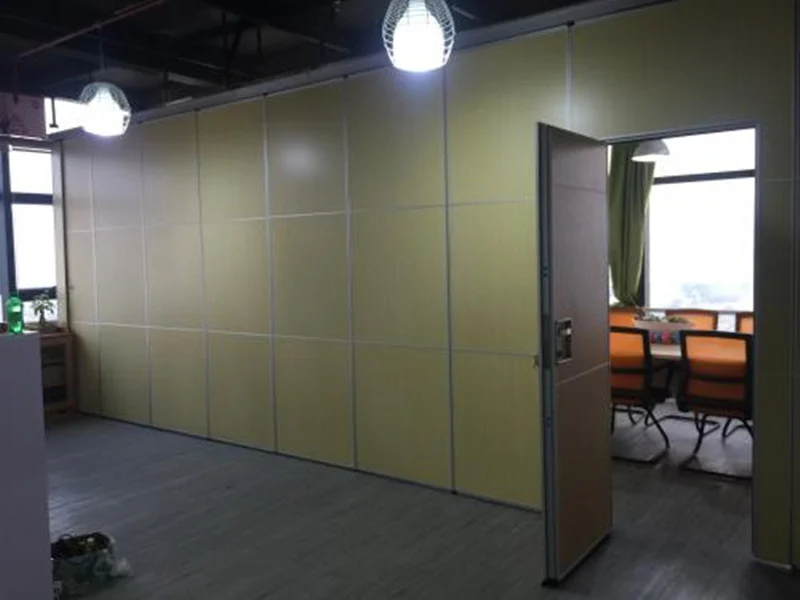
Movable wall panels are individually movable, suspended from a top track, and cross the opening without a floor track. They park at a planned stacking position. Those four facts already create interfaces: the overhead route, the opening edges, the parking zone and the adjacent construction.
Handover problems rarely sit in the middle of a panel. They sit at the junctions where one trade’s assumption meets another’s scope. A decision log keeps those junctions visible after the design team leaves site.
Set the Log’s Scope Before the First Entry
Define what the log covers. A useful scope statement names the partition line, the rooms it separates, the parking location and the drawing set the log refers to. Keep it short enough that a new reader can understand it in one pass.
Separate decisions from questions
The suitability of each route and parking arrangement depends on the approved layout, circulation, ceiling interfaces and operating sequence. A decision states what has been agreed and who agreed it. A question states what is unresolved and what evidence is needed. Mixing the two is how logs become unreadable.
Record the evidence basis
For each decision, note whether it rests on a drawing, a written confirmation, a site observation or a project-specific review. If the basis is a conversation, say so and state that written confirmation is pending. This single habit prevents most handover disputes.
A Numbered Process for Running the Log
- Open with the layout. Review the straight, turning and stacking routes from the project layout. Any route that is not continuous and connected overhead should be logged as an open item, not assumed.
- List the interfaces. Typical entries include the top track support zone, the opening jambs, the parking enclosure, adjacent ceiling and finishes, and the transition to fixed walls.
- Assign an owner and a due date. Each open question needs one named owner. Shared ownership is the same as no ownership.
- Review at each design stage. Re-read the log when drawings are issued. Close entries only when the evidence basis is recorded.
- Freeze a handover version. Before practical completion, export a dated version and mark which entries remain open.
What Belongs in Each Entry
A compact structure keeps entries comparable. The table below is a format suggestion, not a claim about any project outcome.
| Field | What to record | Common failure |
|---|---|---|
| Interface | The specific junction or route being decided | Naming a product instead of a location |
| Decision or question | One clear status | Blending both in one line |
| Evidence basis | Drawing number, written note or review reference | Relying on memory |
| Owner | One responsible person or role | Assigning to a whole team |
| Confirmation needed | What must be checked for this project | Assuming a generic answer applies |
Handling Finishes, Pass Doors and Acoustic Language
Confirmed finish options include laminate, melamine, fabric, leather, glass and other approved surfaces. Record the finish choice against the interface it affects, because a finish decision may change edge details or adjacent trim coordination.
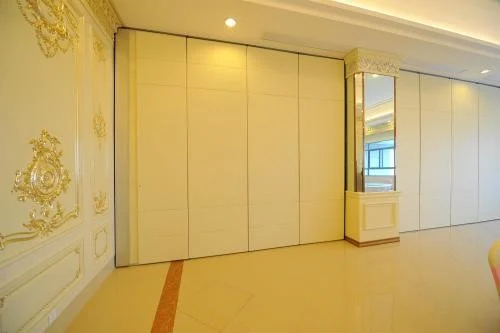
Pass-door requirements and project documentation can be discussed with the supplier. Log the pass-door location, the swing direction question and who confirms the final detail. Actual acoustic requirements need project-specific confirmation.
Evidence note: a visible drawing or finish sample does not prove acoustic performance, structural capacity, cleaning compatibility or a application reference. Log the confirmation boundary instead of inferring the answer.
Keeping the Log Alive Through Construction
Logs fail when they are written once and filed. Give the log a short standing agenda slot in coordination meetings. Ask each owner for a status change, and record the date of every update.
Use a simple status vocabulary
Open, confirmed, superseded and closed are usually enough. Superseded entries should stay visible with a pointer to the replacement, so a reader can follow the history without guessing.
Link entries to issued drawings
Where a decision changes a drawing, record the drawing revision in the entry. This makes the handover version auditable and helps contractors work from the same basis as the design team.
Handover Pack: What the Receiving Team Needs
- A dated, frozen version of the log with open items clearly flagged.
- The drawing set the log refers to, including revisions.
- A short note on which confirmations remain outstanding and who owns them.
- Contact details for the party that can answer interface questions after handover.
- The exact route, junction arrangement, continuous overhead path and parking position must be confirmed from the coordinated project drawings.
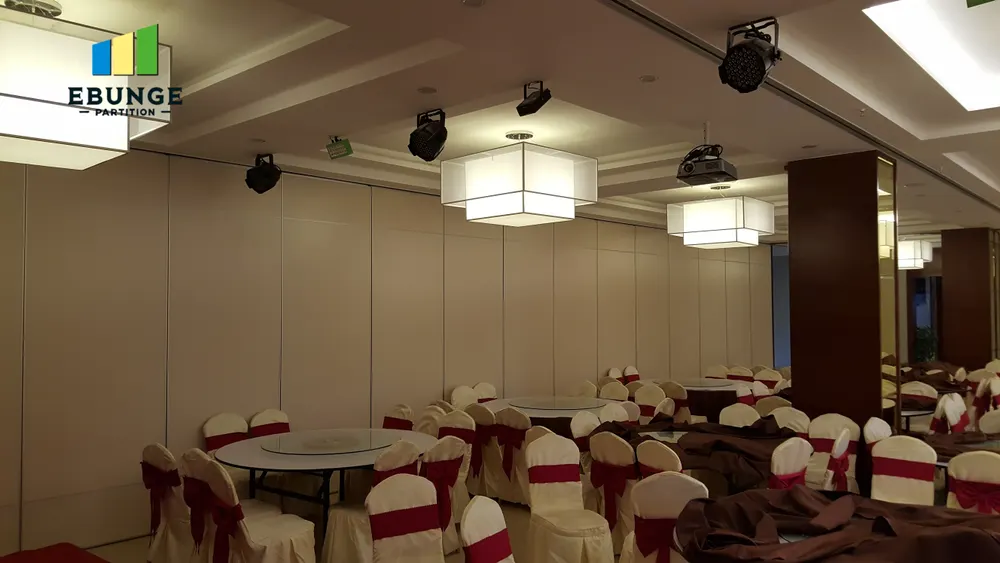
Review the movable wall product context and the project resources before finalising the pack, and use the contact channel to raise unresolved interface questions early.
Frequently Asked Questions
Who should own the partition interface decision log?
The architect usually maintains it during design, with a named coordinator taking over through construction. Ownership should be written into the log itself so it survives staff changes.
Can the log include acoustic targets?
It can record that an acoustic requirement exists and who must confirm it. It should not record a rating as achieved unless matching project evidence exists.
How detailed should route entries be?
Detailed enough to show that straight, turning and stacking routes were reviewed from the layout, and that any non-continuous overhead route is flagged as an open question rather than assumed to work.
Should finish selections appear in the log?
Yes, where a finish affects an interface. Record the confirmed option and the adjacent detail it touches, without treating the sample as evidence of performance.
What happens to open items at handover?
They stay open and visible, with an owner and the confirmation required. Closing an item without an evidence basis undermines the purpose of the log.
Does the log replace project drawings?
No. It references them. Drawings remain the design record; the log explains decisions, evidence and open questions around the interfaces.
Conclusion
A partition interface decision log earns its place at handover when it is scoped early, written in plain status language and honest about evidence limits. Keep entries short, assign one owner per question, and freeze a dated version before the team leaves site. Confirm project-specific support, acoustic and dimensional requirements with the relevant parties rather than inferring them from a drawing or sample.
To discuss pass-door requirements, documentation or layout review for your project, contact the EBUNGE team.