
Quick answer: partition interface query log review
Review focus: partition interface query log review.
An architect partition interface query log review is a structured checkpoint that helps design teams capture, route and close open questions about how movable partitions meet adjacent building elements. It is not a substitute for project-specific engineering, acoustic or dimensional confirmation. Instead, it creates a visible record of what has been asked, what evidence exists and what still requires written clarification before drawings are issued for coordination.
This guide sets out a practical workflow for overseas contractors, architects, interior designers, owners and renovation teams. It focuses on coordination discipline rather than performance promises. Every recommendation should be checked against the current project drawings, the maintained product information and the confirmed scope of supply.
Why a Partition Interface Query Log Matters
Project review term: partition interface query log review.
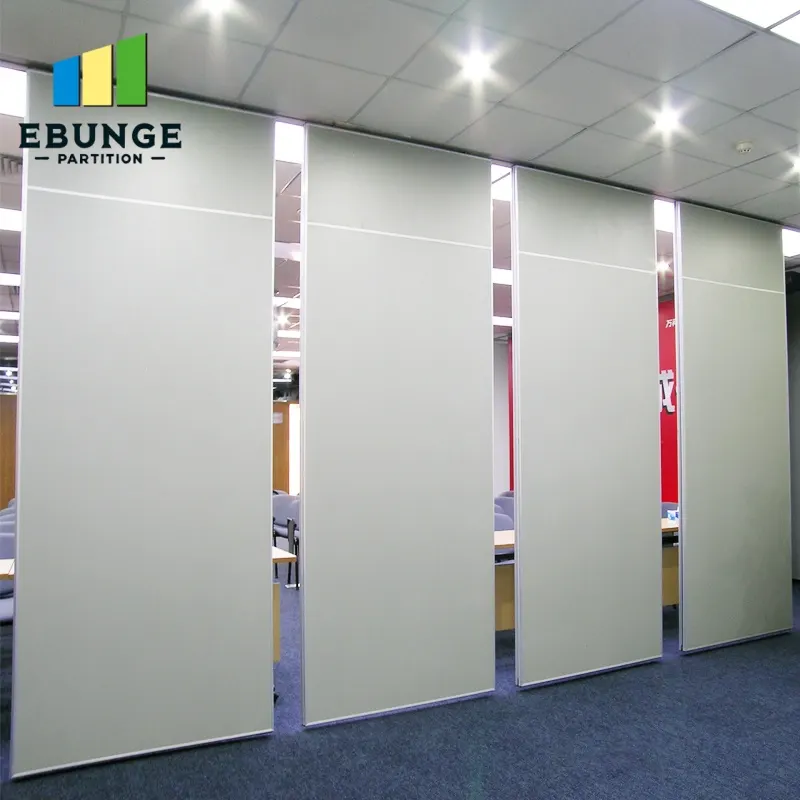
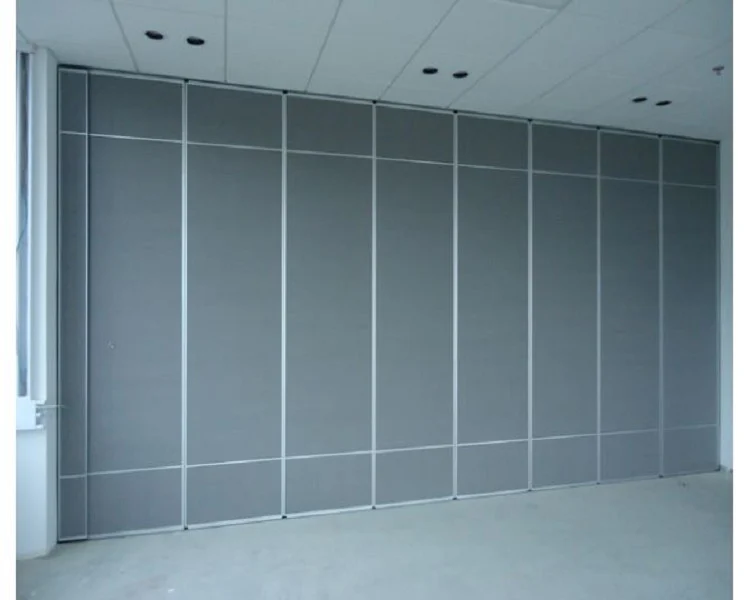
Movable wall panels are individually movable, suspended from a top track, cross the opening without a floor track and park at a planned stacking position. The suitability of each route and parking arrangement depends on the approved layout, circulation, ceiling interfaces and operating sequence.
Without a query log, these items can be resolved verbally and then lost. A log gives each question an owner, a date and a closure route. Visible references can support layout discussion but do not verify hidden construction or performance.
What the log is not
The log is not a performance certificate, a shop drawing approval or a substitute for a project-specific acoustic assessment. It is a coordination tool. It records questions and answers; it does not create evidence where none exists.
Setting Up the Query Log Structure
Coordination scope: partition interface query log review.
Start with a simple register that can be sorted by drawing, room, discipline and status. Keep the structure stable across the project so that later reviews remain comparable.
- Query ID: a unique reference linked to the drawing or room.
- Question: a single, specific question rather than a general concern.
- Evidence required: drawing, schedule, product data or written confirmation.
- Owner and due date: the party responsible for the next action.
- Status: open, awaiting information, closed with reference, or escalated.
Keep the language neutral. If a query depends on a performance target, state the target and the evidence route separately.
Running the Review Meeting
Checklist focus: partition interface query log review.
The review meeting should walk the log in a fixed order: layout first, then support and route, then finishes and documentation. This sequence follows the way movable partitions are coordinated in practice.
Layout and movement routes
Straight, turning and stacking routes are reviewed from the layout. Confirm that every proposed movement path has a continuous connected overhead route and that the parking position is coordinated with adjacent services and finishes. The exact route, junction arrangement, continuous overhead path and parking position must be confirmed from the coordinated project drawings.
Support and dimensional coordination
The exact overhead route and support arrangement must be confirmed by the responsible project team from coordinated drawings. Where dimensions are unresolved, mark them as open rather than filling them with assumptions.
Finishes and visible evidence
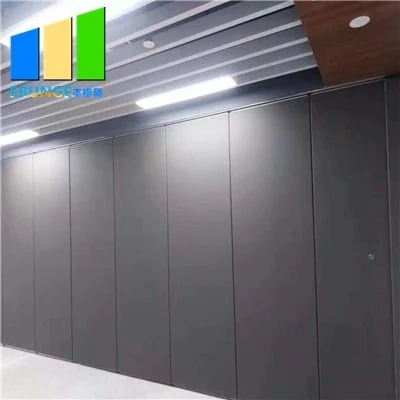
Confirmed finish options include laminate, melamine, fabric, leather, glass and other approved surfaces. Record finish decisions separately from performance queries.
Evidence Boundaries for Acoustic and Performance Queries
If a project has an acoustic target, the log should record the target, the required evidence route and the party responsible for confirming it.
Evidence note: A visible finish, a photograph or a drawing does not prove acoustic, fire, durability, load or maintenance performance. Those claims require matching project-specific evidence. Where evidence is not available, the log should state the confirmation boundary rather than infer a result.
Seals and acoustic concepts can be explained generically, but the specific configuration, substrate and interface details must be confirmed for each project. Do not derive hidden performance from a visible shape or a generic application example.
Closing Queries Without Overclaiming
A query is closed when the required evidence has been received and referenced, or when the responsible party has confirmed a project-specific decision in writing. Closing a query does not mean the performance has been proven; it means the coordination action is complete.
| Status | Meaning | Next action |
|---|---|---|
| Open | Question logged, no response yet | Assign owner and due date |
| Awaiting information | Response requested | Track against drawing issue |
| Closed with reference | Evidence or written decision received | Link to drawing revision |
| Escalated | Unresolved beyond due date | Raise to project lead |
Pass-door requirements and project documentation can be discussed with the supplier as part of this process. Record those discussions in the log so that later reviewers can see what was confirmed and when.
Coordinating Across Disciplines
Partition interfaces rarely sit with one discipline. A short weekly review keeps the register current without creating a separate reporting burden.
- Check that each query has one owner, not several.
- Confirm that drawing references are current.
- Separate finish decisions from performance queries.
- Flag any query that depends on unconfirmed support or dimensional information.
- Keep a short closure note for each resolved item.
For broader planning context, the EBUNGE resources page can support buyer and project planning discussions. Product context for movable walls is available on the movable walls product page.
Frequently Asked Questions
What is an architect partition interface query log review?
It is a structured review of open questions about how movable partitions meet adjacent building elements. It records the question, the required evidence, the owner and the closure route.
Does the log prove acoustic performance?
No. The log records coordination actions and evidence routes.
How should STC or Rw be handled in the log?
Record the project target and the evidence route separately, and confirm the specific requirement with the responsible acoustic specialist.
Can movable partitions cross an untracked gap?
No. Every proposed movement path requires a continuous connected overhead route and project-specific support review. Straight, turning and stacking routes should be checked from the layout.
What finish information can be recorded?
Confirmed finish options include laminate, melamine, fabric, leather, glass and other approved surfaces. Finish selection should be logged separately from performance queries.
When should a query be escalated?
Escalate when a query remains unresolved beyond its due date or when it depends on unconfirmed support, dimensional or documentation information that blocks drawing coordination.
Conclusion and Next Step
A disciplined architect partition interface query log review keeps coordination visible and prevents assumptions from becoming drawing commitments. Use the log to separate questions from evidence, track owners and close items with clear references. Confirm project-specific support, acoustic and dimensional requirements before issuing coordinated drawings.
To discuss pass-door requirements, documentation or project-specific coordination, contact the EBUNGE team.