
Quick answer: renovation phasing zigzag track zone release
Review focus: renovation phasing zigzag track zone release.
Renovation phasing zigzag track zone release is a coordination problem before it is an installation problem. When a project must hand back portions of a floor in a staggered sequence, the overhead route that movable panels follow becomes a shared asset between trades. This article sets out a planning framework for teams that need to release track zones in a zigzag pattern while keeping the route continuous, supported, and documented.
What a Zigzag Track Zone Release Actually Means
Project review term: renovation phasing zigzag track zone release.
A zigzag release is a handover sequence in which adjacent zones are not released in a straight line. Zone A may be released, then Zone C, then Zone B, then Zone D. The reason is usually operational: a client needs one room back before the corridor beside it is finished, or a temporary access route must remain open across part of the floor.
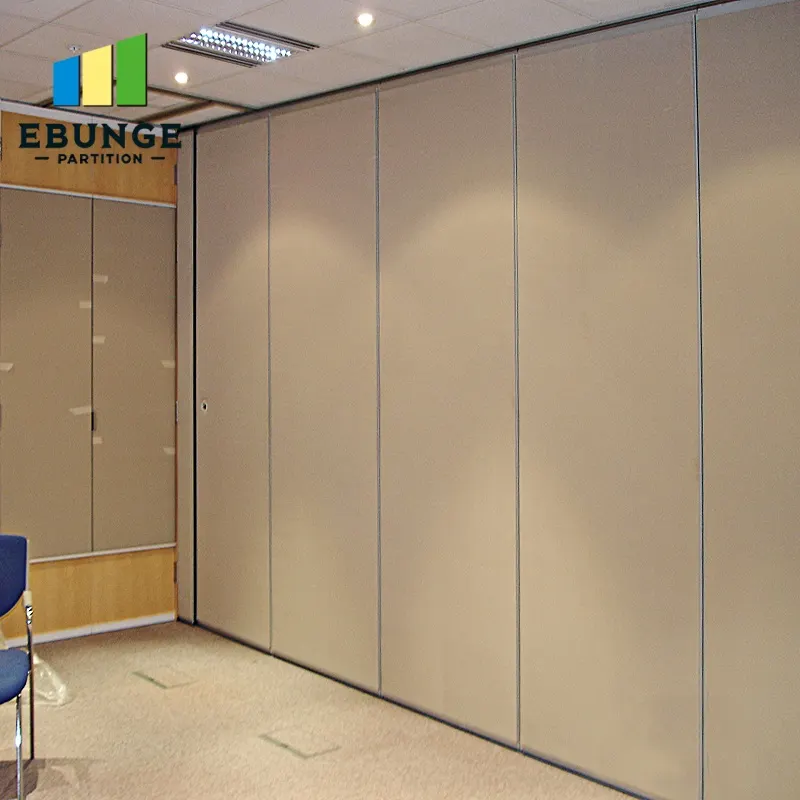
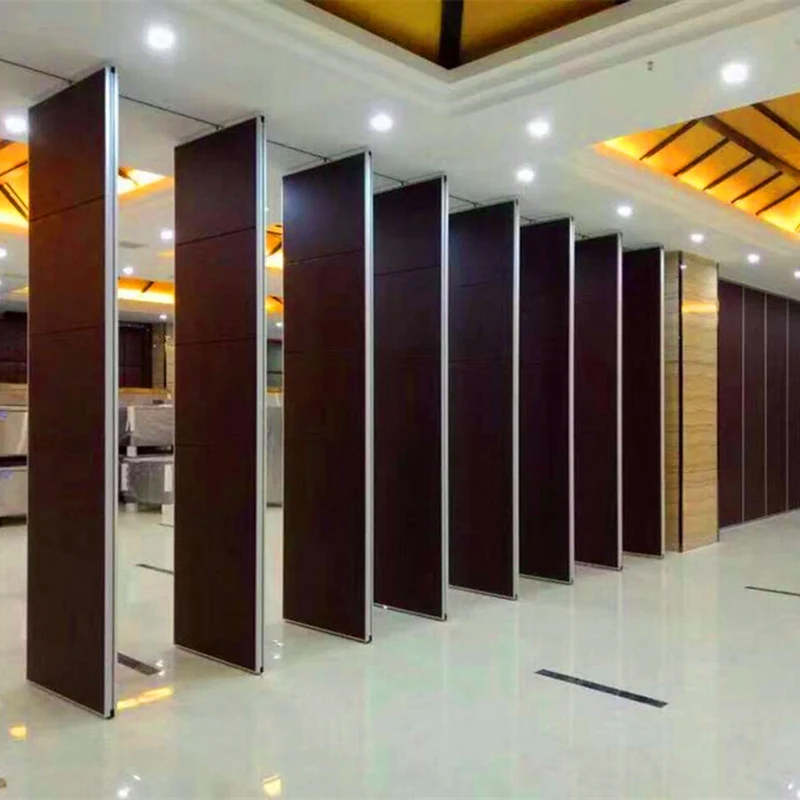
For top-hung movable partitions, the panels are individually movable, suspended from a top track, cross the opening without a floor track, and park at a planned stacking position. That single sentence contains the phasing constraint. The exact route, junction arrangement, continuous overhead path and parking position must be confirmed from the coordinated project drawings. Every proposed movement path requires a continuous connected overhead route and project-specific support review.
Why the Overhead Route Drives the Release Sequence
Coordination scope: renovation phasing zigzag track zone release.
In a conventional straight-line handover, the route and the release sequence tend to agree. In a zigzag release they can conflict. A zone may be operationally ready while the overhead route serving it is still interrupted by another trade.
Straight, turning and stacking routes are reviewed from the layout. That review is the point at which the phasing plan should be tested. If the layout shows a turn or a stacking position inside a zone that will not be released until later, the sequence needs to be re-examined before work starts, not after.
Questions to put to the layout review
- Which zones must be released first for operational reasons?
- Does the overhead route pass through any zone that is released later?
- Where are the planned stacking positions relative to the release boundary?
- Are there turning points that sit inside a zone with restricted access?
- Which trades still need the ceiling zone above the route?
A Phased Release Checklist for Project Teams
Checklist focus: renovation phasing zigzag track zone release.
The following checklist is a coordination tool, not a substitute for project-specific engineering. It is intended to be used alongside the layout drawings and the support review.
Decision checklist
- Confirm the release sequence in writing, zone by zone, with the owner or client representative.
- Mark every overhead route segment on the phasing drawing, including turns and stacking positions.
- Identify which route segments fall inside zones that are released later.
- Confirm that support conditions above the route are reviewed for each phase, not only for final completion.
- Confirm pass-door requirements and project documentation with the supplier early.
- Confirm finish selections against the approved finish options for each zone.
- Record which items remain open and who owns each confirmation.
Coordinating Finishes Across a Staggered Handover
Review focus: renovation phasing zigzag track zone release.
Confirmed finish options include laminate, melamine, fabric, leather, glass and other approved surfaces. In a zigzag release, finish decisions may be made zone by zone, which can create visible inconsistency if the sequence is not managed.
A practical approach is to treat finish selection as a single coordinated decision even when installation is phased. The finish schedule should reference the zone boundaries used in the phasing plan, so that a panel intended for Zone C is not installed in Zone A because Zone A was released first.
Finish coordination note
Finish options are confirmed as laminate, melamine, fabric, leather, glass and other approved surfaces. A finish selection is not evidence of acoustic performance, structural capacity, cleaning compatibility or a application reference. Those items require their own project-specific confirmation.
Acoustic Concepts and the Limits of Visible Evidence
Project review term: renovation phasing zigzag track zone release.
The suitability of each route and parking arrangement depends on the approved layout, circulation, ceiling interfaces and operating sequence. Seals and acoustic concepts can be explained generically, but the actual performance of a partition depends on the assembly, the surrounding construction, and the project conditions.
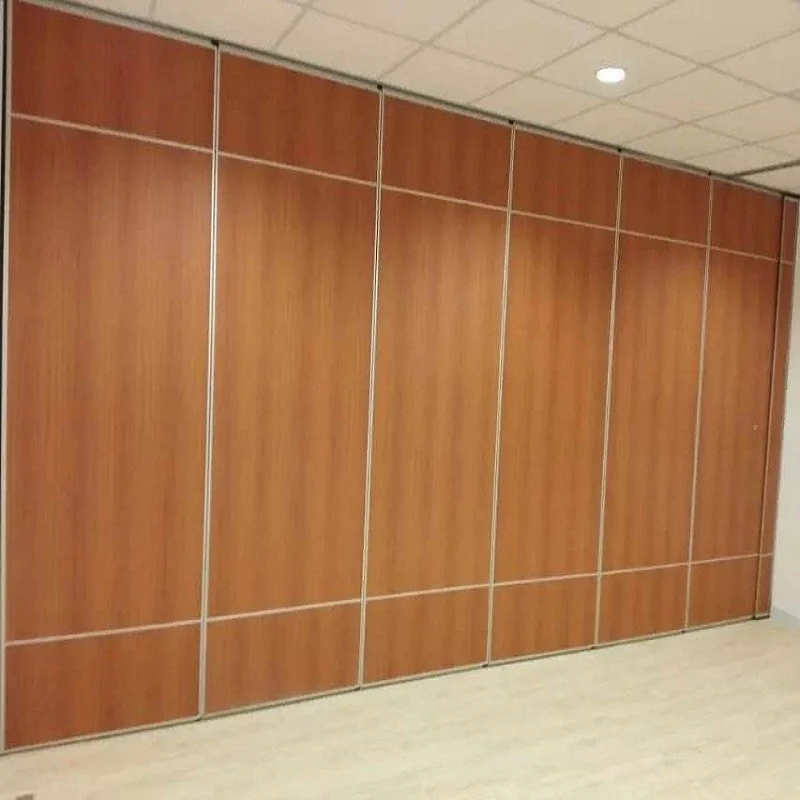
Visible references can support layout discussion but do not verify hidden construction or performance. If a project requires an acoustic target, that target must be confirmed against project-specific evidence.
Documentation and Evidence Boundaries
Coordination scope: renovation phasing zigzag track zone release.
Pass-door requirements and project documentation can be discussed with the supplier. In a phased renovation, documentation should record the release sequence, the route review, the stacking positions, and the finish schedule. It should also record what has not been confirmed.
Evidence note
- Finish examples are not evidence of performance or completed projects.
- Commercial and programme outcomes are not implied by this guidance.
Common Coordination Mistakes in Zigzag Releases
One recurring mistake is treating the phasing plan and the partition layout as separate documents. They should be overlaid. Another is assuming that a zone released early can be used to store panels for a zone released later, without confirming that the route and stacking position support that use.
A third mistake is leaving the support review until final completion. Support conditions above the route should be reviewed for each phase, because a route segment that is acceptable at completion may be interrupted during an earlier phase.
Frequently Asked Questions
What is a zigzag track zone release in a renovation project?
It is a handover sequence in which adjacent zones are released out of order, for example Zone A, then Zone C, then Zone B. The overhead route serving movable partitions must remain continuous and supported through each phase.
Can movable panels cross a zone that has not been released yet?
Every proposed movement path requires a continuous connected overhead route and project-specific support review. If a route segment sits inside an unreleased zone, the sequence should be re-examined.
How should finishes be coordinated when installation is phased?
Treat finish selection as one coordinated decision even when installation is phased. Confirmed options include laminate, melamine, fabric, leather, glass and other approved surfaces. The finish schedule should reference the same zone boundaries used in the phasing plan.
Do STC or Rw ratings tell me the actual sound reduction on site?
No. Project-specific acoustic requirements need their own confirmation.
What documentation should be prepared before installation begins?
Record the release sequence, the overhead route review, the stacking positions, the finish schedule, and any open items. Pass-door requirements and project documentation can be discussed with the supplier as part of this process.
Where can I review product and planning resources?
Start with the movable walls product page and the resources section for maintained public context. Project-specific configuration still requires confirmation.
Conclusion and Next Steps
A zigzag track zone release succeeds when the phasing plan and the overhead route are reviewed together, zone by zone, before work starts. Confirm the release sequence, mark every route segment, check stacking positions, coordinate finishes against the same zone boundaries, and record what remains open.
Every project has its own support, acoustic and dimensional requirements. Those items should be confirmed against the drawings and the project conditions rather than assumed from a generic example. To discuss pass-door requirements, documentation, or a specific layout, contact the EBUNGE team.