
Quick answer: partition interface query aging review
Review focus: partition interface query aging review.
For a partition interface query aging review architects need a repeatable method, not a one-off meeting. Interface queries age the moment they are raised: drawings move on, finishes are selected, and assumptions harden into instructions. An aging review gives the design team a scheduled point to test every open query against current drawings, maintained product facts and the limits of available evidence.
This guide sets out a coordination workflow for overseas project teams. It does not replace project-specific engineering, acoustic or dimensional confirmation. It helps you decide what can be answered now, what needs a drawing revision, and what must be confirmed by the responsible specialist before the query is closed.
What an Interface Query Aging Review Is Meant to Achieve
Project review term: partition interface query aging review.
An interface query is any question that sits between the movable partition and the surrounding construction: head condition, track route, stacking position, finish junction, pass-door requirement or documentation format. Aging review is the discipline of reviewing those queries by age and risk rather than by whoever asked last.
Panel handling and the operating sequence must be confirmed for the selected layout and project conditions. The goal is to close each query on evidence. A query closed on an assumption is more dangerous than an open query, because it disappears from the register while the risk remains in the drawings.
Separate product facts from project facts
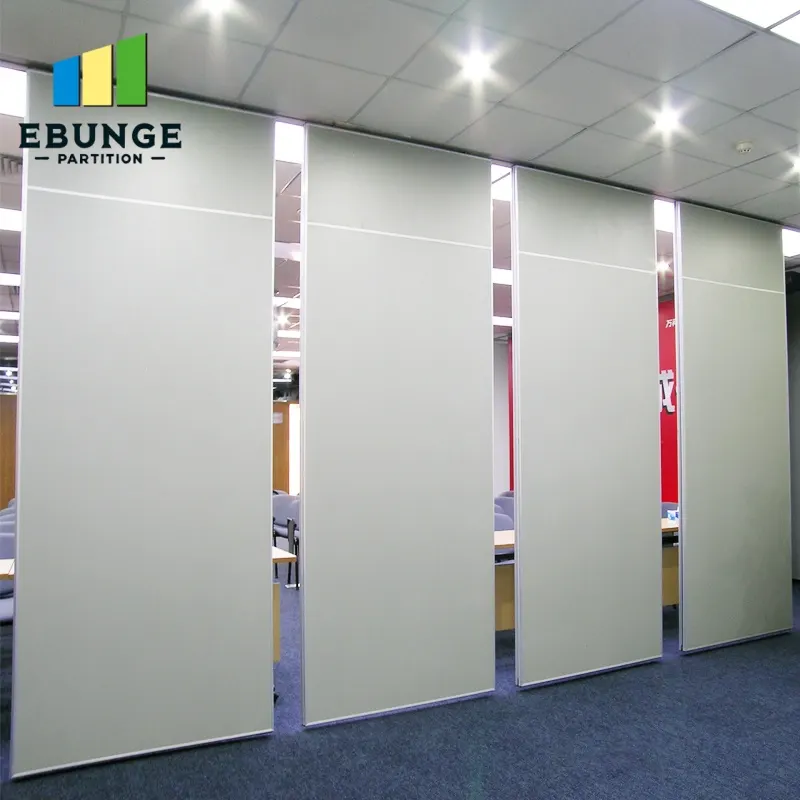
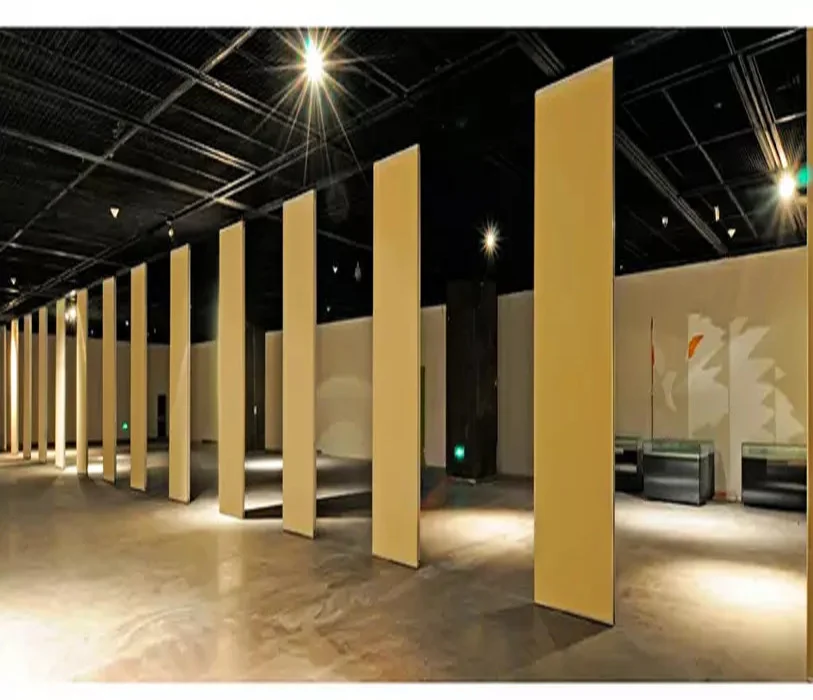
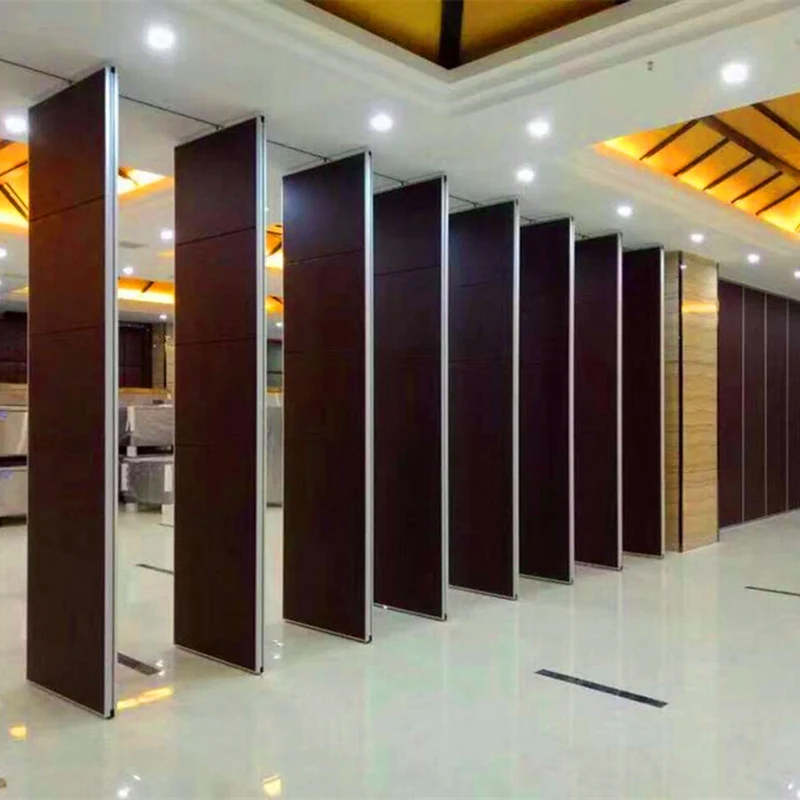
Maintained product facts describe the system in general terms: panels are individually movable, top-hung from a top track, cross the opening without a floor track, and park at a planned stacking position. Project facts describe your building: the support condition, the route geometry, the finish schedule and the dimensional coordination. Keep the two categories separate in the register so reviewers can see which statements still need project confirmation.
Define the evidence boundary before debate
Before the review, agree what evidence is acceptable for closure. A marked-up drawing, a confirmed finish reference or a written clarification may be enough for some queries. Others require project-specific support, acoustic or dimensional confirmation. If the evidence is not in the room, the query stays open.
A Six-Step Aging Review Workflow
Coordination scope: partition interface query aging review.
- Export the open register. List every partition interface query with date raised, discipline, drawing reference and current status.
- Age and rank. Sort by age, then by whether the query blocks a drawing issue, a procurement step or a site activity.
- Attach current evidence. Link each query to the latest drawing, finish schedule or written clarification it depends on.
- Test against maintained facts. Remove any statement that goes beyond confirmed product facts or project-specific confirmation.
- Assign the next action. Name the discipline that must respond and the drawing or document that must change.
- Record the closure basis. State exactly what allowed closure, so a later reviewer can audit the decision.
Drawing Checks That Prevent Query Recurrence
Checklist focus: partition interface query aging review.
Most aged queries return because the drawing set does not show the interface clearly. Use the review to improve the drawings, not only the answers.
Route and stacking checks
Confirm that the proposed movement path is shown as a continuous connected overhead route. Straight, turning and stacking routes should be reviewed from the layout. The exact route, junction arrangement, continuous overhead path and parking position must be confirmed from the coordinated project drawings.
Head, support and junction checks
The suitability of each route and parking arrangement depends on the approved layout, circulation, ceiling interfaces and operating sequence. These are project-specific conditions. The review should identify who confirms them and what information they need, rather than assuming a standard detail applies.
Finish and pass-door checks
Confirmed finish options include laminate, melamine, fabric, leather, glass and other approved surfaces. Record the selected finish reference against the query. Where a pass-door is required, raise it as a separate coordination item and confirm the requirement with the project team.
Evidence Note: What This Review Cannot Confirm
Review focus: partition interface query aging review.
Visible references can support layout discussion but do not verify hidden construction or performance. Confirm project-specific support, acoustic and dimensional requirements with the responsible specialists before relying on any interface decision.
How to Run the Meeting Itself
Keep the session structured. Walk the register in age order, but pause on any query that blocks a drawing issue. Ask three questions for each item: what is the current evidence, what is missing, and who owns the next action.
Avoid reopening settled items without new evidence. If a query was closed on a project-specific confirmation, note the reference and move on. If new information invalidates that basis, reopen it explicitly and record why.
Roles to include
Include the architect or design lead, the contractor or construction team, the relevant specialist for support and acoustic coordination, and the owner or operator representative where operational requirements affect the layout. Distributors and renovation teams may join where they hold finish or documentation information.
Outputs to issue
Issue an updated register, a list of drawing actions, and a short note of queries that remain open pending project-specific confirmation. This gives the next review a clean starting point and prevents the same questions from aging again unnoticed.
Common Failure Modes in Aging Reviews
| Failure mode | Why it happens | Practical correction |
|---|---|---|
| Closing queries by seniority | Pressure to clear the register | Require a recorded evidence basis for every closure |
| Treating a finish as performance evidence | Visual similarity to another project | Separate finish selection from acoustic and structural confirmation |
| Leaving route queries to site | Layout not fully coordinated | Review straight, turning and stacking routes from the layout before issue |
| Mixing product facts with project facts | Register lacks categories | Tag each statement as maintained fact or project-specific confirmation |
Frequently Asked Questions
What is a partition interface query aging review?
It is a scheduled review of open interface queries, sorted by age and risk, where each query is tested against current drawings, maintained product facts and available project evidence before it is closed or escalated.
Which queries need project-specific confirmation?
Support conditions, route geometry, dimensional coordination, acoustic requirements and pass-door arrangements are project-specific. Confirm them with the responsible specialists rather than inferring them from a generic detail.
Can the review confirm acoustic performance?
No. The review can organise acoustic questions and identify what evidence is missing, but it cannot confirm performance.
How should finish selections be recorded?
Record the selected finish reference against the relevant query. Confirmed options include laminate, melamine, fabric, leather, glass and other approved surfaces.
What should happen to queries that cannot be closed?
Keep them open, assign a named owner and state the missing evidence. An open query with a clear action is safer than a closed query with an unrecorded assumption.
How often should the review run?
Align it with drawing issue cycles and procurement milestones. The right frequency depends on project stage and the number of open queries, so agree it with the project team.
Conclusion and Next Step
A partition interface query aging review works when it is evidence-bounded. Keep maintained product facts separate from project facts, show routes and junctions clearly, and record the basis for every closure. Where support, acoustic or dimensional requirements remain unconfirmed, leave the query open and name the owner.
To discuss pass-door requirements, project documentation or layout coordination for your next scheme, contact the EBUNGE team. You can also review the movable wall product context and the project resources before your next review session.