
Quick answer: renovation phasing relay sequence track zones
Review focus: relay sequence track zones.
Renovation phasing relay sequence track zones are the overhead corridors that a movable partition must follow, and they often cannot all be handed over at the same time. One zone may still carry temporary services, another may be waiting for ceiling closure, and a third may be needed early for a partial opening. The relay idea is simple: treat each track zone as a baton that passes from one trade to the next in a defined order, with the route checked before the baton moves.
This article sets out an evidence-bounded planning framework for contractors, architects, interior designers, owners and construction teams. It does not replace project-specific support, acoustic or dimensional review. Every recommendation below should be verified against the actual layout drawings and the confirmed product configuration for your project.
Why Track Zones Behave Like a Relay, Not a Single Handover
Project review term: relay sequence track zones.
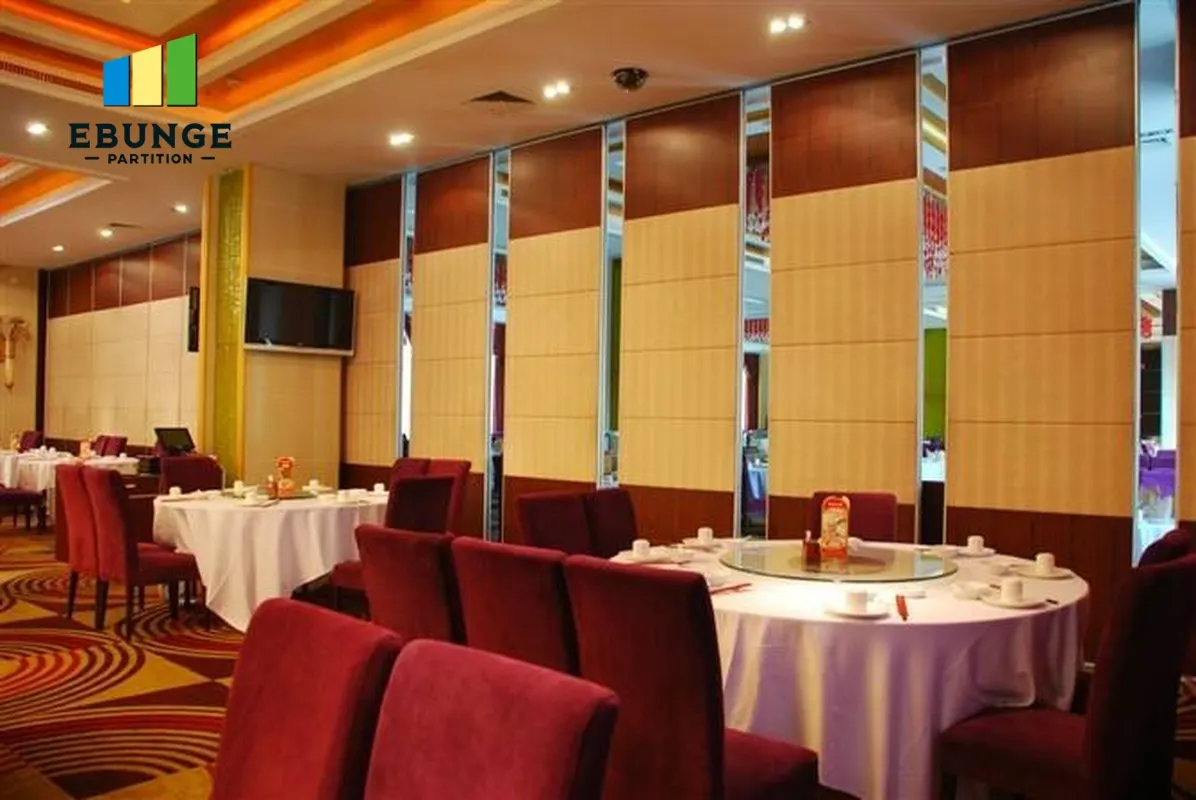
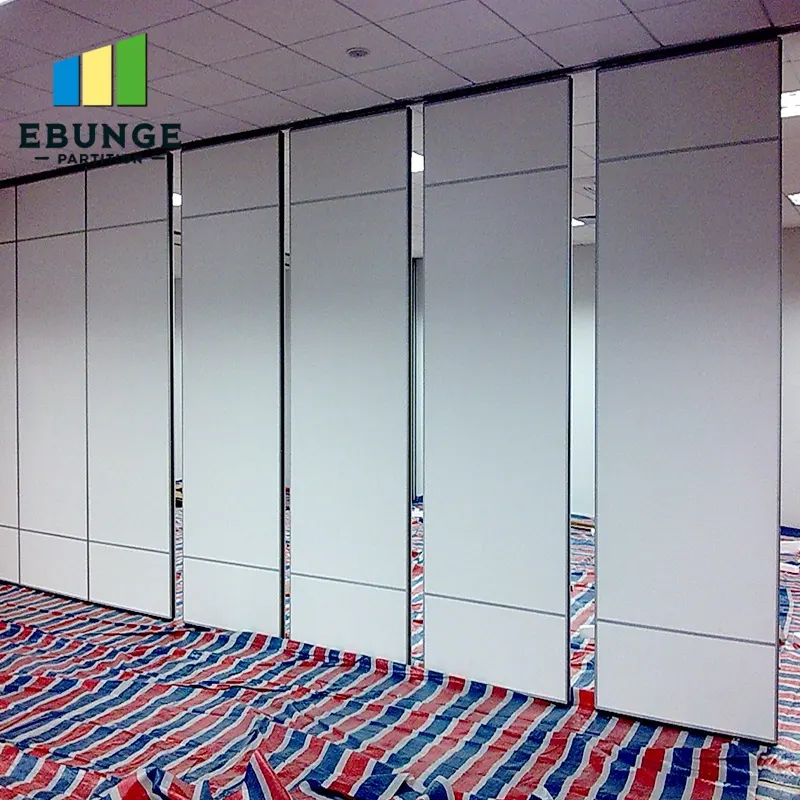
A movable partition is top-hung: panels are individually movable, suspended from a top track, cross the opening without a floor track, and park at a planned stacking position. That single sentence has phasing consequences. The overhead route must be continuous and connected wherever panels are expected to travel, and the parking position must be reachable from the opening.
In a renovation, the route usually crosses several construction zones. The suitability of each route and parking arrangement depends on the approved layout, circulation, ceiling interfaces and operating sequence. If any zone is released late, the route is incomplete even when the panels themselves are ready. The relay sequence exists to make that dependency visible before trades are mobilised.
What the relay sequence actually coordinates
- Where temporary protection or temporary closure is needed while a zone is open.
- When the stacking position can be formed and protected.
- Which inspections or sign-offs must occur before the next zone is released.
- How partial use of the space will be maintained during the works.
Start With the Movement Route, Not the Room List
Coordination scope: relay sequence track zones.
Room lists describe where people work. Movement routes describe how panels travel. For phasing, the route is the more useful starting point because it crosses trade boundaries.
Review straight, turning and stacking routes from the layout. The exact route, junction arrangement, continuous overhead path and parking position must be confirmed from the coordinated project drawings. A stacking route ends at the parking position and may sit in a zone with different finishes or ceiling conditions.
Evidence note
Do not infer support, acoustic or dimensional performance from a drawing, a finish sample or a photograph. Those characteristics require project-specific confirmation. A visible line on a plan shows intent, not verified capacity.
Build a Zone Release Checklist Before Work Starts
Checklist focus: relay sequence track zones.
A release checklist turns the relay sequence into something a site team can actually use.
| Check | Question to answer | Evidence needed |
|---|---|---|
| Route continuity | Is the overhead route connected across every zone the panels must cross? | Coordinated layout drawing |
| Support interface | Has the supporting structure been reviewed for this configuration? | Project-specific structural review |
| Zone sequence | Which zone must be released first to keep the relay moving? | Agreed phasing programme |
| Parking position | Is the planned stacking position reachable and protected? | Layout and site inspection |
| Documentation | Are pass-door requirements and project documentation agreed? | Confirmed project documents |
Use the checklist at each handover, not only at the start. A zone that was compliant earlier can be affected by later work in an adjacent area.
Sequence the Trades Around the Track Zones
Review focus: relay sequence track zones.
The relay sequence is a coordination tool. It tells each trade what must be true before the next one begins. In practice, the sequence usually moves from route-defining work to route-protecting work, then to finishes and final checks.
- Confirm the layout and the intended movement routes, including turning and stacking.
- Agree which zones can be released early and which must wait.
- Complete route-defining work in the first zone and verify continuity.
- Protect the released route while adjacent zones remain open.
- Repeat for each subsequent zone in the agreed order.
- Confirm the parking position and final route before panels are moved into place.
This order is generic. Your project may need a different sequence because of services, access or occupancy. The important discipline is that no zone is treated as released until its route role has been checked.
Coordinate Finishes, Seals and Acoustic Concepts Without Overclaiming
Confirmed finish options include laminate, melamine, fabric, leather, glass and other approved surfaces.
Seals and acoustic concepts can be discussed generically. Actual performance depends on the complete assembly, the surrounding construction and the project conditions. Confirm acoustic requirements with the project team and the relevant specialists.
Where phasing and acoustics meet
A partially completed route can leave gaps at interfaces that are intended to be closed later. That is a construction sequencing issue, not a product claim. Record which interfaces are temporary and which must be completed before the space is handed over.
Documentation and Pass-Door Requirements
Pass-door requirements and project documentation can be discussed as part of the configuration. For phasing, the key question is when those requirements need to be fixed: before fabrication, before zone release, or before final handover.
Keep a single controlled set of drawings and note the revision that each zone release was based on. If the layout changes, the relay sequence may change with it. A short written record of each handover reduces the risk of a zone being reopened after it was signed off.
Frequently Asked Questions
What does renovation phasing relay sequence track zones mean?
It means releasing overhead track zones one after another in a planned order, so that the movement route for top-hung movable partitions stays continuous as the renovation progresses.
Can panels cross a zone that has not been completed?
Panels should only travel where a continuous connected overhead route exists. Any proposed route requires project-specific support review.
Do movable partitions need a floor track?
EBUNGE movable partition panels are top-hung and move without a continuous floor running track or floor hardware along the partition line. Confirm the specific configuration for your project.
How should finishes be phased?
Finish selection should follow the confirmed options for the project.
When should pass-door requirements be confirmed?
Pass-door requirements and project documentation can be discussed with the project team. Confirm the timing against your programme, because late changes can affect zone release.
What evidence is needed before releasing a zone?
At minimum, a coordinated layout showing route continuity, a project-specific support review, an agreed sequence and a record of the handover. Acoustic and dimensional requirements should also be confirmed for the project.
Conclusion: Keep the Baton Moving, Keep the Route Connected
Define the sequence, check continuity at every handover, and keep the documentation aligned with the drawings. Confirm project-specific support, acoustic and dimensional requirements before any zone is treated as final.
To review your layout and discuss configuration, contact the EBUNGE team. You can also explore movable walls and the resources library for further planning context.