
Quick answer: bid clarification log movable partition
Review focus: bid clarification log movable partition.
For project teams, bid clarification log movable partition tracks should be reviewed against the opening, ceiling interface, operating sequence and approved finish requirements. The log keeps every question, answer, and assumption visible from tender issue through award. It is a working register, not a substitute for project-specific engineering.
What the Log Is and What It Is Not
Project review term: bid clarification log movable partition.
A clarification log is a controlled record of questions, answers, and decisions that affect the partition scope. It is not a design document, a performance certificate, or a substitute for project-specific engineering. Its value comes from traceability: when a track route, finish, or interface is discussed, the log shows the current position and the evidence behind it.
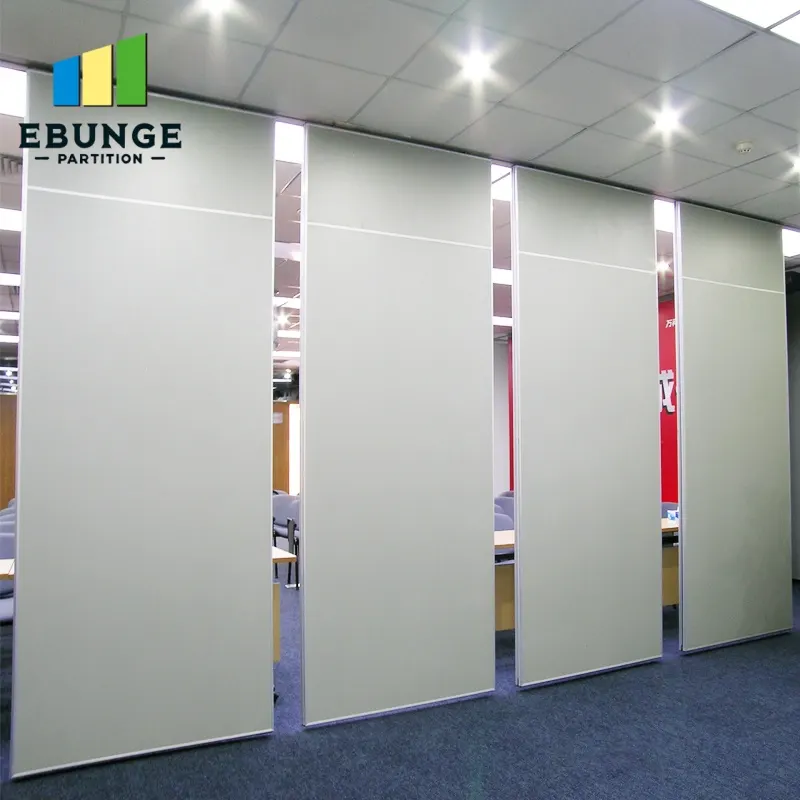
For movable partition tracks, separate confirmed product facts from project-specific requirements. Confirmed facts include that panels are individually movable, suspended from a top track, cross the opening without a floor track, and park at a planned stacking position. Everything else, including support, acoustics, and dimensions, needs its own confirmation.
Why Track Clarifications Deserve Their Own Register
Coordination scope: bid clarification log movable partition.
Track questions often sit between trades. The suitability of each route and parking arrangement depends on the approved layout, circulation, ceiling interfaces and operating sequence. Without a shared register, the same question can be answered differently in separate emails, and the differences may only surface during installation.
A dedicated register also helps reviewers see which items are still open. Straight, turning, and stacking routes are reviewed from the layout, so any change to the room plan can reopen a previously closed clarification. The log should show that reopening rather than hiding it.
Evidence Boundaries to State Up Front
Visible references can support layout discussion but do not verify hidden construction or performance. If a statement is comparative, absolute, or causal, it needs matching evidence or an explicit project-specific confirmation boundary.
Setting Up the Register Before Tender Issue
Checklist focus: bid clarification log movable partition.
Start the register before tender documents are issued. Assign one owner, usually the lead consultant or procurement coordinator, who keeps entries current and routes questions to the right reviewer. A single owner prevents duplicate numbering and lost responses.
Use a simple table with columns for item number, date raised, originator, question, response, evidence reference, status, and owner. Keep the table sortable and avoid merged cells, because merged cells make filtering unreliable during review meetings.
Numbering and Status Discipline
Use a small set of statuses such as open, answered, pending evidence, closed, and reopened. A status change should include the date and the person who made the change.
Questions to Capture for Movable Partition Tracks
Review focus: bid clarification log movable partition.
Track questions should cover the route, the support interface, the parking position, and the finish. The following checklist is a starting point; add project-specific items as the design develops.
- Is the overhead route continuous and connected across every proposed movement path?
- Has the support structure been reviewed for the coordinated track layout?
- Where is the planned stacking position, and does it suit the room layout?
- Are straight, turning, and stacking routes all shown on the reviewed drawings?
- Which finish is proposed, and does it require any special handling or coordination?
- Are pass-door requirements and project documentation discussed with the supplier?
- What documentation is required for the project, and who will provide it?
Route and Support Questions
The exact route, junction arrangement, continuous overhead path and parking position must be confirmed from the coordinated project drawings. Every proposed movement path requires a continuous connected overhead route and project-specific support review. If the route changes, the support review should be revisited.
Finish and Documentation Questions
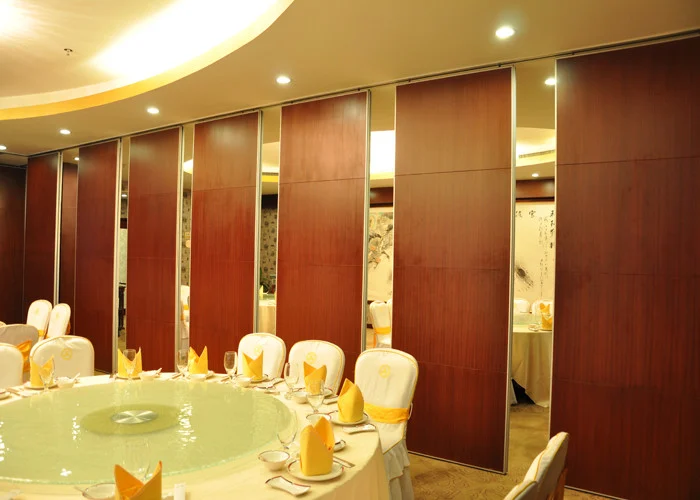
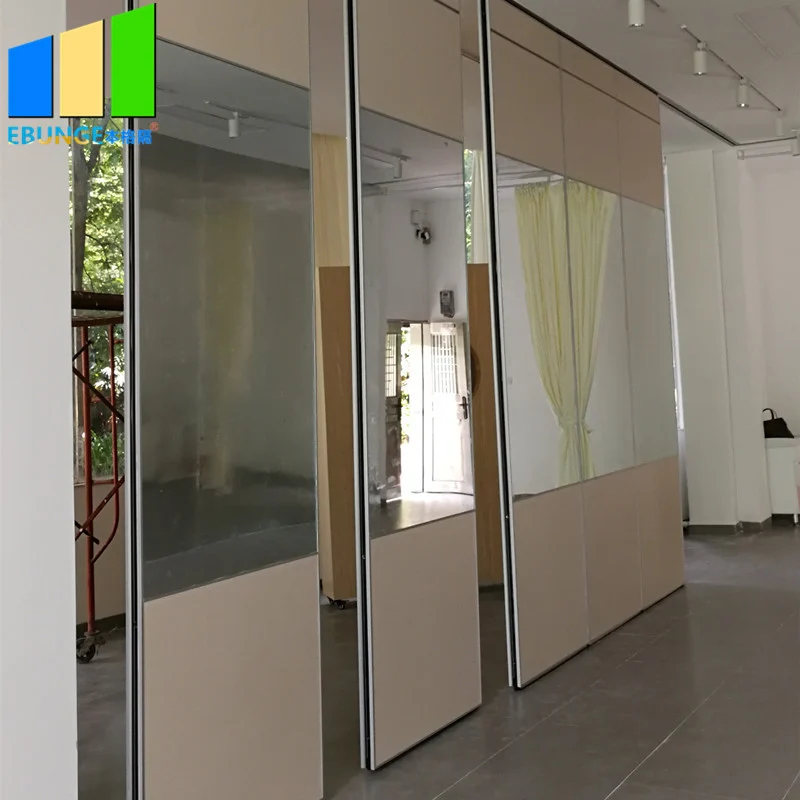
Confirmed finish options include laminate, melamine, fabric, leather, glass, and other approved surfaces. The log should record which finish is proposed and whether any finish requires special handling.
Running the Log Through Tender Review
Project review term: bid clarification log movable partition.
During tender review, hold a short clarification session at least once a week. Walk through open items, confirm owners, and close anything that has a complete answer. Items without evidence should remain open rather than being closed by assumption.
When a response arrives, check whether it answers the question asked. A response about a different room, a different route, or a different finish should be logged as a new item rather than attached to the original.
Compact Comparison: Log Entry Types
| Entry type | Purpose | Evidence needed |
|---|---|---|
| Product fact | Confirm a maintained product characteristic | Maintained product information |
| Project requirement | Record a project-specific need | Reviewed drawings and project documentation |
| Open question | Track an unresolved item | Response from the responsible reviewer |
| Assumption | Flag something not yet confirmed | Explicit confirmation before closure |
Common Pitfalls and How to Avoid Them
Coordination scope: bid clarification log movable partition.
One common pitfall is treating a verbal answer as closed. If the answer is not written into the log with a date and owner, it is still open. Another is allowing the log to become a general correspondence file; keep it focused on clarifications that affect the partition scope.
A third pitfall is closing an item because the tender deadline is near. A closed item without evidence can create confusion later.
Reviewing the Log Before Award
Before award, review every closed item and confirm that the evidence reference is present. Check that no item was closed by assumption. Confirm that the reviewed drawings match the routes and parking positions recorded in the log.
Handover and Post-Award Use
After award, the log becomes a reference for the installation phase. Keep it accessible to the site team and the supplier. If a route or finish changes on site, add a new entry rather than editing an old one, so the history remains clear.
The log also supports future maintenance planning by showing which items were confirmed and which were left open.
FAQ: Bid Clarification Log for Movable Partition Tracks
What is a bid clarification log for movable partition tracks?
It is a controlled register of questions, answers, and evidence references that affect the partition track scope. It helps project teams track what has been confirmed and what still needs review.
Who should own the log?
One owner, usually the lead consultant or procurement coordinator, should keep entries current and route questions to the right reviewer. A single owner prevents duplicate numbering and lost responses.
Does the log replace project-specific engineering?
No. The log records clarifications, but it does not replace project-specific support, acoustic, or dimensional review. Those items still require their own confirmation.
How should track route questions be recorded?
Record the proposed route, the support interface, and the parking position. Note that every movement path requires a continuous connected overhead route and project-specific support review.
Can finish options be confirmed in the log?
Confirmed finish options include laminate, melamine, fabric, leather, glass, and other approved surfaces. The log should record which finish is proposed and whether any finish requires special handling.
What should happen when an item is reopened?
Add a new entry with the date and reason, and keep the original entry visible. Reopening is normal when the layout or project requirements change.
Conclusion: Keep the Log Evidence-Bounded
Record questions, answers, and open items; avoid inferring performance from drawings or finishes; and confirm project-specific support, acoustic, and dimensional requirements before treating any response as final.
To discuss pass-door requirements, project documentation, or track layout review for your project, contact the EBUNGE team. You can also review movable wall products and browse project resources for further planning context.