
Quick answer: room booking slot lengths
Review focus: room booking slot lengths.
Changeover buffers room booking slot lengths are the planned intervals between one booking and the next, during which a flexible room is returned to its base condition. For teams coordinating movable partitions, the buffer is not padding. It is the scheduling expression of the layout: how panels travel, where they park and what the next user expects to find. This guide gives overseas contractors, architects, interior designers, owners and renovation teams a framework for setting those buffers without inventing performance or commercial conclusions.
Why the Buffer Belongs in the Room Booking Policy
Project review term: room booking slot lengths.
A booking system that records only start and end times hides the physical work between events. When a room can be divided or combined, the changeover is part of the room’s operating logic. The buffer converts that logic into a visible, repeatable slot.
Treat the buffer as a policy field, not a personal favour. It should be defined once, reviewed against the layout, and applied consistently across bookable spaces. That keeps expectations aligned between facility teams, event organisers and the people who move the panels.
Start With the Movement Route, Not the Clock
Coordination scope: room booking slot lengths.
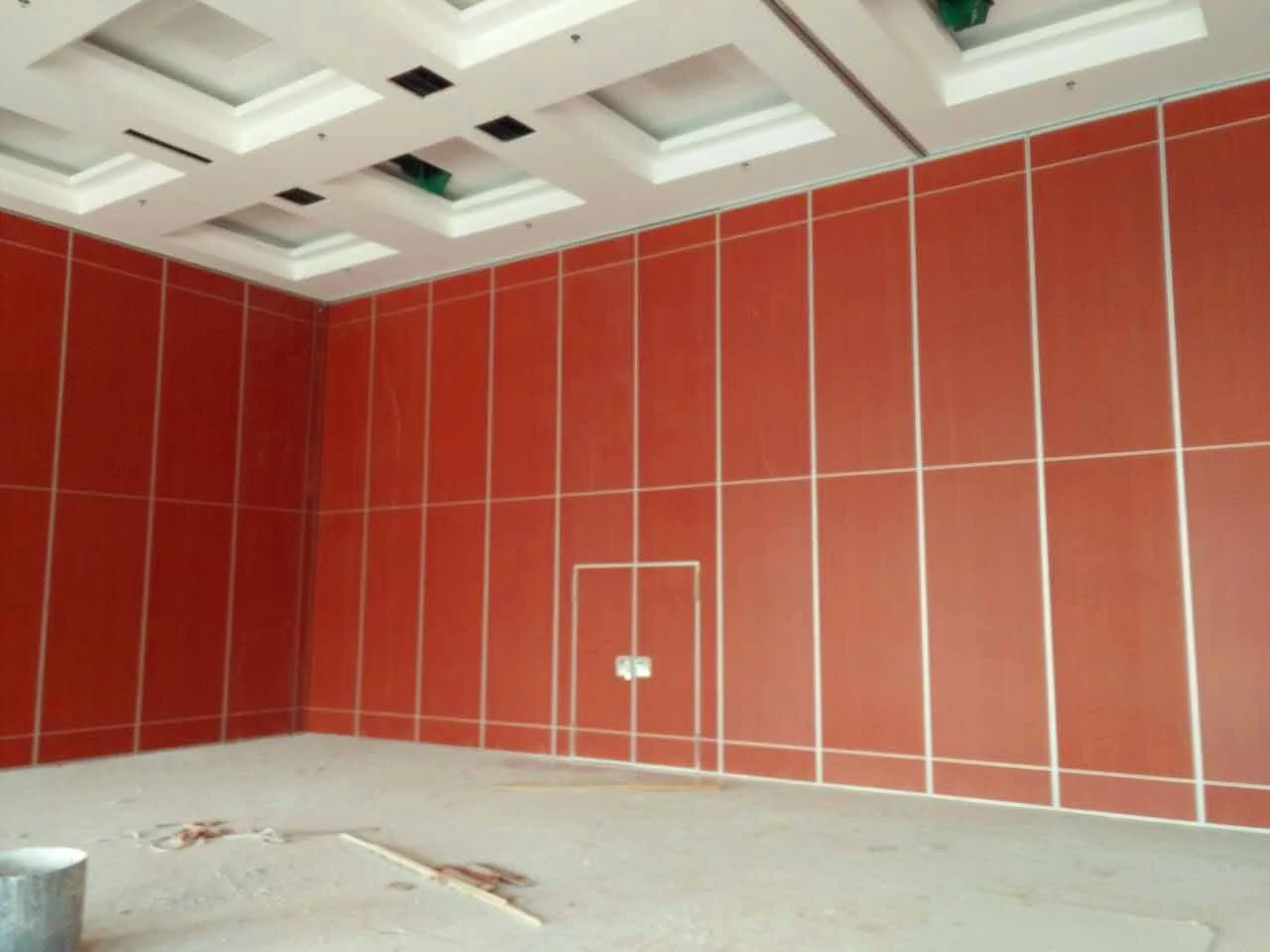
EBUNGE movable wall panels are individually movable, suspended from a top track, cross the opening without a floor track, and park at a planned stacking position. Because the panels are top-hung and move without a continuous floor running track or floor hardware along the partition line, the route is defined overhead rather than on the floor.
Straight, turning and stacking routes are reviewed from the layout. That review is the natural starting point for buffer planning, because a route that is simple on a plan may involve several panel movements in sequence. The buffer should reflect the route the project actually coordinates, not an assumed average.
Questions the Layout Review Should Answer
- Which openings are closed or opened during a typical changeover?
- Where is the planned stacking position, and is it reachable from the opening?
- Does the route include turns that change the sequence of movements?
- Are pass-door requirements relevant to how people move during the changeover?
- Which project-specific support and dimensional requirements still need confirmation?
Separate the Changeover Into Recognisable Stages
Checklist focus: room booking slot lengths.
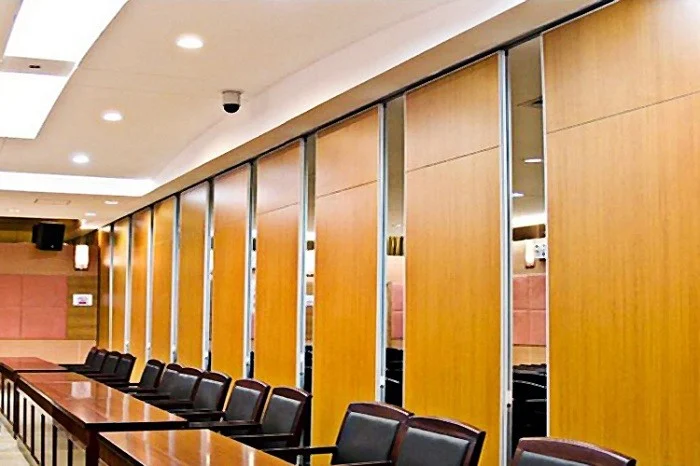
The suitability of each route and parking arrangement depends on the approved layout, circulation, ceiling interfaces and operating sequence. The stages below are a planning structure, not a claim about duration. Each stage should be confirmed against the project layout and the way the venue operates.
- Clear the room. The previous booking ends and the space is released for changeover.
- Move panels. Panels travel along the coordinated overhead route to the planned stacking position, or return to close the opening.
- Confirm the base condition. The room is checked against the condition the next booking expects.
- Release the slot. The room becomes bookable again, and the next user takes possession.
Naming these stages helps teams discuss where a buffer is genuinely needed. It also prevents the buffer from becoming a single unexplained block of time that nobody can review.
Match Slot Lengths to the Room’s Operating Pattern
Review focus: room booking slot lengths.
Different rooms carry different changeover patterns. A room that is divided once in the morning and combined once in the evening has a different scheduling shape from a room that changes configuration between every short booking.
Slot length policy should therefore be written per room type or per bookable configuration, not copied across a whole building. The policy can state which configurations are bookable, which changeovers are permitted between them, and where a buffer is mandatory.
Compact Comparison of Buffer Approaches
| Approach | Best suited to | Planning caution |
|---|---|---|
| Fixed buffer on every slot | Rooms with frequent reconfiguration | May be longer than some changeovers require |
| Buffer only between different configurations | Rooms where same-configuration bookings are common | Requires clear configuration labels in the booking system |
| Buffer defined by the layout review | Projects with turning or stacking routes | Depends on accurate, current layout information |
Coordinate the Buffer With Project Documentation
Buffer policy sits alongside other project information. Pass-door requirements and project documentation can be discussed with the supplier so that scheduling assumptions match the coordinated design. This is a documentation exercise, not a performance claim.
If acoustic requirements affect how a room is used, confirm them as project-specific requirements with the appropriate evidence.
Evidence Note
Buffer length, route feasibility, support conditions, acoustic requirements and dimensional fit are project-specific. They should be confirmed from the coordinated layout and project documentation rather than inferred from a generic example, a finish sample or a photograph.
Finish Choices and Booking Communication
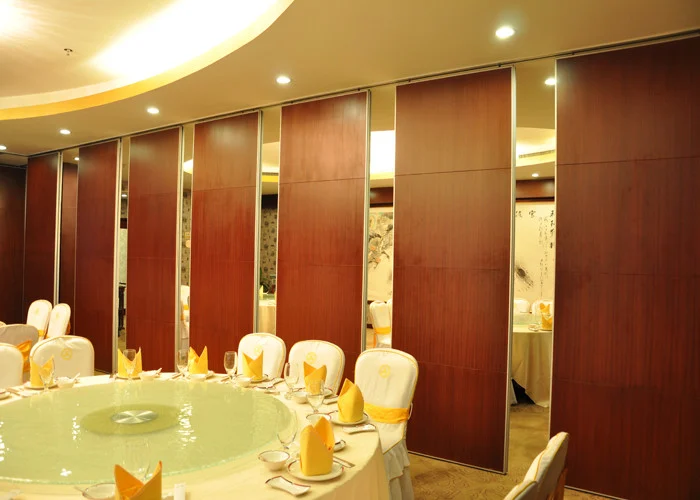
Confirmed finish options include laminate, melamine, fabric, leather, glass and other approved surfaces. Finishes affect the visual character of a room, but they do not by themselves define changeover time. Do not derive scheduling, acoustic or durability conclusions from a finish name.
What finishes can support is communication. If a room’s identity is tied to a finish or configuration, the booking system can label it clearly so users understand which space they are reserving and what condition they should expect.
Review the Policy After Handover
A buffer policy written during design should be reviewed once the space is in use. The review is about observed booking patterns and layout accuracy, not about promising a service life or financial return.
Keep the review factual: which configurations are booked, where changeovers cluster, and whether the documented route still matches the room. Update the policy when the layout or booking behaviour changes.
FAQ: Changeover Buffers and Booking Slots
What is a changeover buffer in room booking?
It is the planned interval between bookings during which a flexible room is returned to its base condition, including moving movable partition panels to their coordinated position.
Should every booking slot include the same buffer?
Not necessarily. Buffer policy can vary by room and by configuration change. The right approach depends on the layout review and the venue’s operating pattern.
Do movable partitions need a floor track that affects changeover?
EBUNGE movable wall panels are top-hung and move without a continuous floor running track or floor hardware along the partition line. Route and support conditions remain project-specific and should be confirmed from the layout.
Can the buffer be used to promise acoustic performance?
No.
Where should the stacking position be considered?
Parking style is customized to the customer layout and project requirements and may support compact stacking when the coordinated design permits it. The planned stacking position should be reviewed as part of the route.
What information should the project team prepare?
Prepare the coordinated layout, the bookable configurations, pass-door requirements and any project documentation relevant to support, acoustic and dimensional requirements. These can be discussed with the supplier.
Conclusion: Make the Buffer a Documented Decision
Changeover buffers shape room booking slot lengths because they translate layout reality into scheduling policy. Start with the movement route, separate the changeover into stages, match slot lengths to how each room operates, and keep every performance or dimensional statement tied to project-specific confirmation.
To review your layout, finish options and documentation requirements, contact the EBUNGE team. You can also explore movable walls and the resources library before finalising your booking policy.