
Quick answer: score bidder track interface clarifications
Review focus: score bidder track interface clarifications.
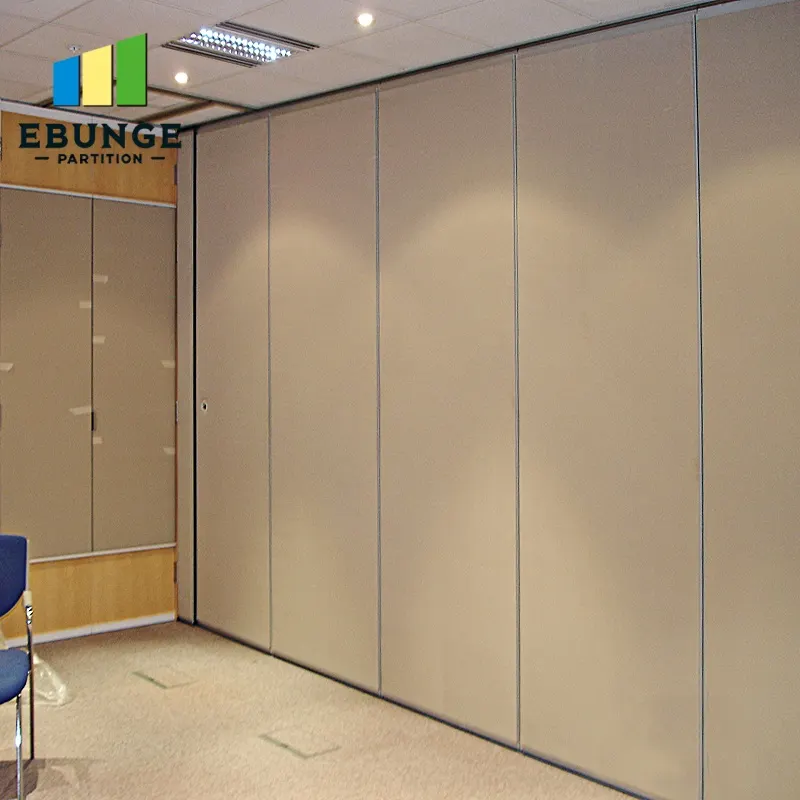
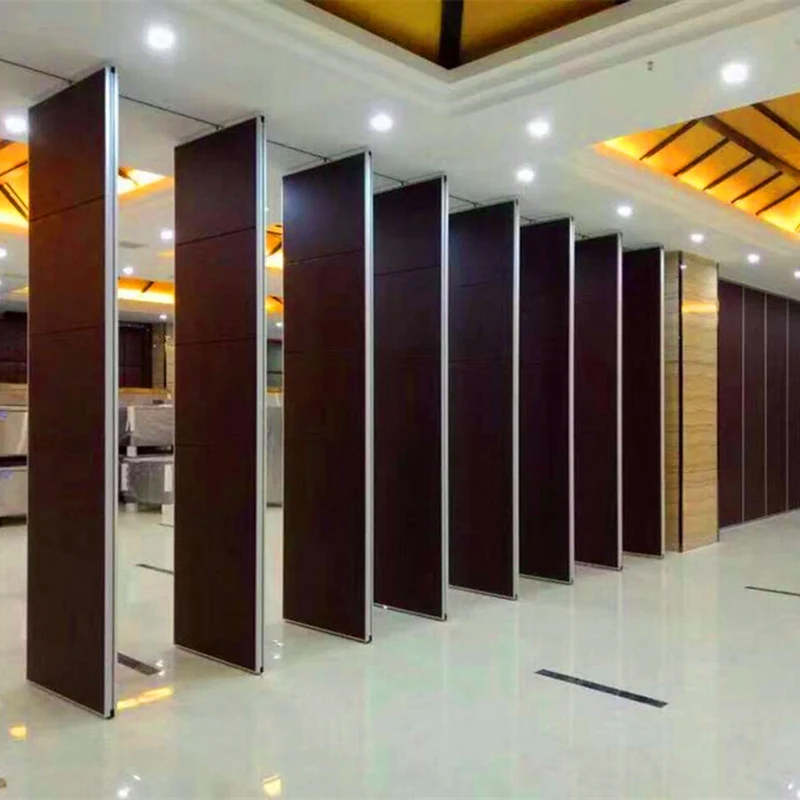
To score bidder track interface clarifications tender review fairly, separate what a bidder has actually documented from what the project still needs to confirm. Movable partition panels are individually movable, suspended from a top track, cross the opening without a floor track, and park at a planned stacking position. Those maintained facts give reviewers a stable baseline. They do not, by themselves, prove that a bidder has coordinated the overhead route, support conditions, or interface with adjacent construction. This article offers an evidence-bounded scoring approach for overseas contractors, architects, interior designers, owners, renovation teams, distributors, and construction teams.
Why Track Interface Clarifications Decide Tender Quality
Project review term: score bidder track interface clarifications.
A movable partition is not a standalone product dropped into a finished room. It is a system that interacts with structure, ceiling zones, adjacent walls, and the planned stacking area. When bidders clarify the track interface, they show whether they have read the layout and understood how straight, turning, and stacking routes must connect. When they leave it vague, the tender may look complete while hiding coordination gaps that surface later.
Scoring should therefore reward visible, checkable clarifications rather than confident language. The suitability of each route and parking arrangement depends on the approved layout, circulation, ceiling interfaces and operating sequence.
Build a Scoring Model Around Evidence, Not Promises
Coordination scope: score bidder track interface clarifications.
Use a simple evidence hierarchy. At the top are project-specific drawings, marked-up plans, and written clarifications that reference the actual layout. In the middle are generic descriptions of how top-hung systems work. At the bottom are unsupported claims about performance, speed, or outcomes. Your scoring model should award points for the top tier and treat the bottom tier as a risk flag.
What to look for in each bid
- Does the bidder describe how the top track relates to the supporting structure above?
- Are straight, turning, and stacking routes reviewed against the layout?
- Is the parking position identified and coordinated with adjacent trades?
- Are pass-door requirements discussed where the project needs them?
- Are finish options such as laminate, melamine, fabric, leather, glass, or other approved surfaces clearly listed?
- Does the bidder state what must be confirmed before fabrication or installation?
These items are not performance claims. They are coordination questions that help reviewers compare bids on the same basis.
Use a Decision Checklist for Track Interface Review
Checklist focus: score bidder track interface clarifications.
A checklist keeps scoring consistent across bidders and reviewers. It also creates a written record of why a bid received a particular score. Adapt the following structure to your project.
| Review item | Evidence to look for | Scoring note |
|---|---|---|
| Overhead route continuity | Drawing or written note showing a connected route for straight, turning, and stacking paths | Reward clarity; flag gaps |
| Support interface | Reference to structural coordination and project-specific support review | Do not accept assumptions as proof |
| Parking position | Stacking location shown relative to walls, columns, or adjacent spaces | Check against layout |
| Finish schedule | List of approved surfaces such as laminate, melamine, fabric, leather, or glass | Confirm against design intent |
| Pass-door needs | Written clarification of whether pass doors are required and where | Treat as a project-specific item |
| Documentation | Marked drawings, schedules, and stated confirmation points | Score completeness, not volume |
This table is a review aid, not a specification. The exact overhead route and support arrangement must be confirmed by the responsible project team from coordinated drawings.
Score Clarifications Without Inventing Performance
Review focus: score bidder track interface clarifications.
If acoustic separation matters, ask bidders to explain how they will confirm project-specific requirements rather than promising a result.
Visible shape and surface do not prove hidden engineering. A responsible bidder will identify what must be verified before work proceeds.
Questions that reveal coordination maturity
- Which drawings did you use to review the track route?
- What support information do you need from the structural team?
- How will the parking area be coordinated with other trades?
- What finish approvals are still open?
- What documentation will you provide before installation?
Compare Bidders on the Same Interface Scope
Project review term: score bidder track interface clarifications.
Different bidders may describe the same system in different words. To score fairly, normalize the scope before comparing. Ask each bidder to address the same interface items: overhead route, support coordination, parking, finishes, pass doors, and documentation. Then review their responses side by side.
Where a bidder leaves an item blank, record it as an open point rather than filling the gap with an assumption. Open points are not automatically disqualifying, but they should affect the score and the follow-up list.
Document Open Points and Confirmation Boundaries
A strong tender review does not pretend that every detail is resolved. It records what is known, what is assumed, and what must be confirmed. This is especially important for track interfaces because the overhead route must be continuous and supported according to project conditions.
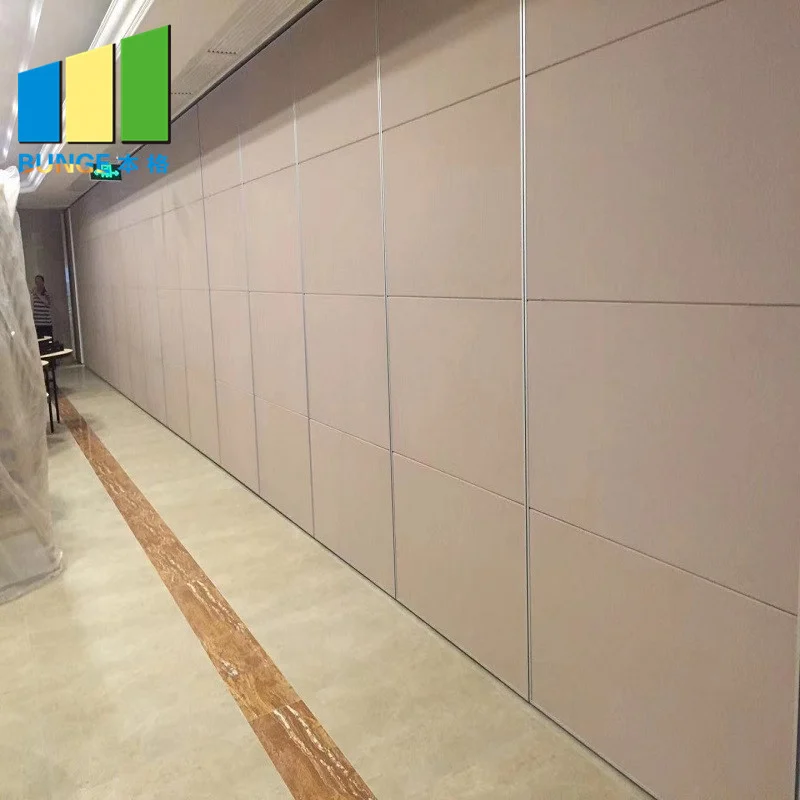
Evidence note: A bidder’s statement that a system is top-hung and floor-track-free describes a maintained product characteristic. It does not confirm that the project’s structure, ceiling, or adjacent conditions are suitable. Those items require project-specific review.
Use this boundary when writing scoring comments. It keeps the evaluation honest and helps the project team plan the next steps.
Frequently Asked Questions
What does track interface clarification mean in a tender?
It means the bidder explains how the movable partition’s top track connects to the supporting structure and how the straight, turning, and stacking routes relate to the project layout. It is a coordination statement, not a performance guarantee.
Should I score a bid higher if it mentions acoustic ratings?
Only if the bidder explains how project-specific acoustic requirements will be confirmed.
How do I compare bidders who describe finishes differently?
Normalize the finish schedule. Confirmed options include laminate, melamine, fabric, leather, glass, and other approved surfaces. Ask each bidder to list which options apply and what approvals remain open.
What if a bidder does not mention pass doors?
Record it as an open point. Pass-door requirements can be discussed with the project team, and the tender should state whether they are needed and where.
Can I rely on a drawing alone to confirm support conditions?
No. The exact route, junction arrangement, continuous overhead path and parking position must be confirmed from the coordinated project drawings.
How should I handle unsupported claims in a bid?
Flag them and request clarification. Comparative, absolute, or causal statements need corresponding evidence. If evidence is missing, note the gap rather than accepting the claim.
Conclusion and Next Steps
Scoring bidder track interface clarifications is a discipline of evidence. Reward bidders who show how the overhead route works with the layout, who identify support and parking coordination, and who state what remains to be confirmed. Avoid turning generic descriptions into performance promises. Use a consistent checklist, document open points, and confirm project-specific support, acoustic, and dimensional requirements with qualified parties.
For product context, review the movable walls page. For planning resources, visit the resources section. To discuss pass-door requirements and project documentation, contact the team.