
Quick answer: ceiling void beam track line coordination
Review focus: ceiling void beam track line coordination.
The suitability of each route and parking arrangement depends on the approved layout, circulation, ceiling interfaces and operating sequence. When a beam crosses the proposed opening, the track line cannot be treated as a simple straight line drawn between two finished surfaces. The beam may change the available void depth, the support strategy, and the sequence of work between trades. This article sets out an evidence-bounded framework for project teams. Every recommendation here should be checked against project-specific drawings, support conditions, and dimensional requirements before any work proceeds.
Why a Beam Changes the Track Line Conversation
Project review term: ceiling void beam track line coordination.
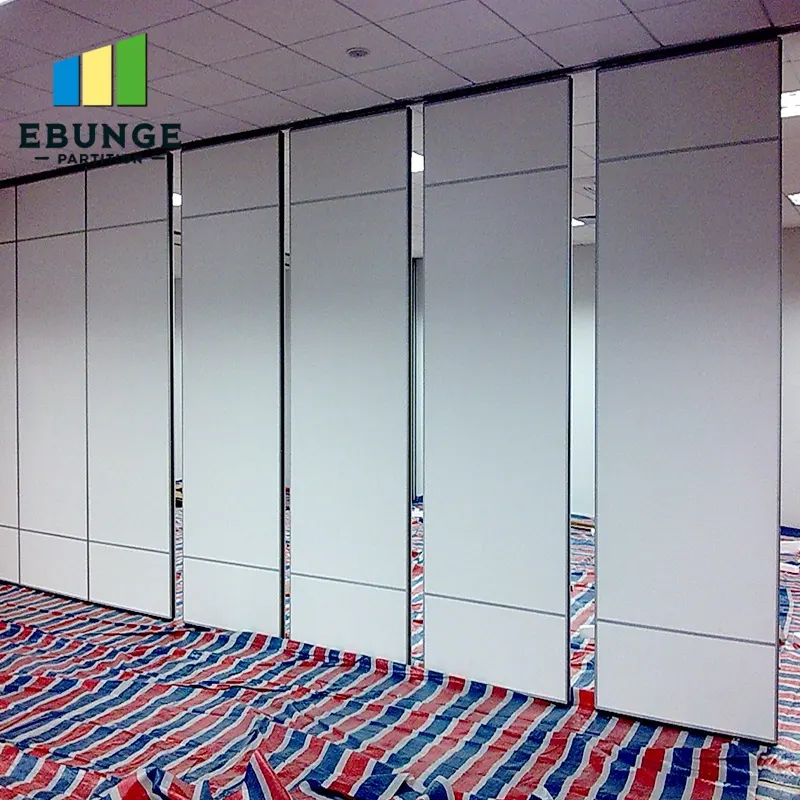
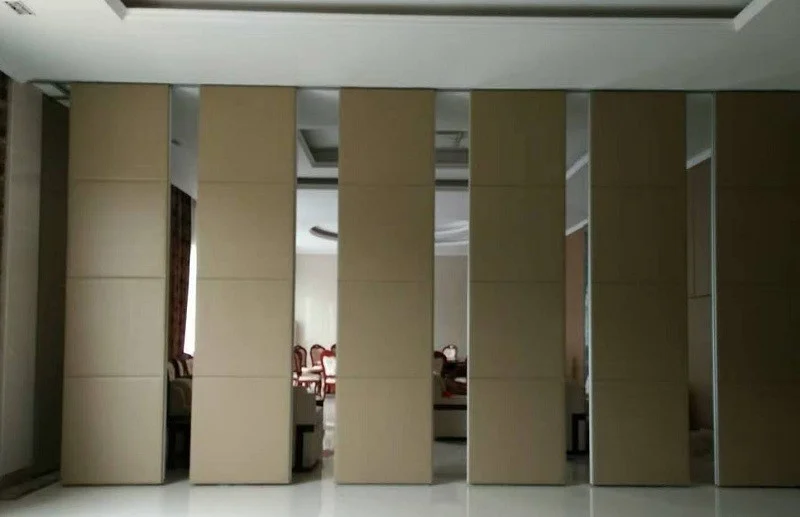
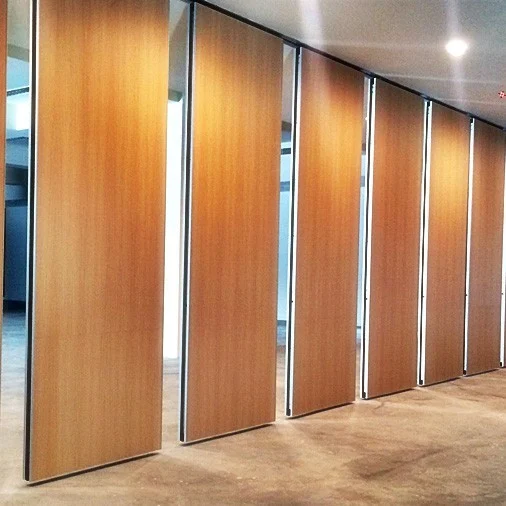
A movable partition panel is top-hung and travels on a continuous overhead route. The panel crosses the opening without a floor track, and it parks at a planned stacking position. That movement path must remain connected and supported. A beam inside the ceiling void can interrupt the clean line that a designer might assume. It may sit above the intended track, beside it, or at an angle to it. The beam itself is not automatically a problem, but it is a coordination trigger. The exact overhead route and support arrangement must be confirmed by the responsible project team from coordinated drawings. None of those decisions can be made from a photograph or a single section alone.
Who Actually Sets the Track Line?
Coordination scope: ceiling void beam track line coordination.
The track line is not set by one party in isolation. The architect or interior designer usually defines the opening and the desired stacking zone. The partition supplier reviews the route, the turning points, and the parking position against maintained product facts. The contractor then sequences the work so that the ceiling void remains accessible for inspection and installation. If any party sets the line without the others, the risk of rework increases.
What the Partition Supplier Can and Cannot Confirm
EBUNGE can discuss straight, turning, and stacking routes from the layout. We can review pass-door requirements and project documentation. We can explain that panels are individually movable, suspended from a top track, and park at a planned stacking position. Those items require the project’s own engineering and design review.
Information to Collect Before the Track Line Is Fixed
Checklist focus: ceiling void beam track line coordination.
Good ceiling void beam track line coordination project planning starts with a clear information set. Without it, the track line becomes a guess. The following checklist is a practical starting point for a coordination meeting. It is not a substitute for project-specific engineering.
- Reflected ceiling plan showing the beam, the proposed track line, and the stacking zone.
- The exact route, junction arrangement, continuous overhead path and parking position must be confirmed from the coordinated project drawings.
- Section drawings through the ceiling void at the beam crossing and at the stacking position.
- Service coordination drawings showing ducts, pipes, cable trays, and sprinkler lines in the void.
- Finish schedule for the ceiling and the partition, including any approved surface.
- Pass-door locations and swing requirements, if applicable.
- Confirmation of who will inspect the void before the ceiling is closed.
How the Beam Affects Support and Route Review
Review focus: ceiling void beam track line coordination.
The beam may reduce the clear void depth above the track. The route review should confirm that the track remains continuous and connected. The stacking position must also be checked. A stack that was planned under a clear soffit may need to move if the beam occupies that zone. These are drawing-level questions, not assumptions to be made on site.
Why Visible Evidence Has Limits
A photograph of a beam or a ceiling void shows shape, not capacity. It does not show the support behind the finish, the load path, or the acoustic separation of the assembly. Visible references can support layout discussion but do not verify hidden construction or performance. Those properties require matching evidence and project-specific confirmation. If a drawing or photograph is the only information available, treat it as a coordination prompt, not a performance record.
A Simple Coordination Sequence
The following numbered process can help project teams structure the conversation. It is generic and should be adapted to the project’s own approval and inspection procedures.
- Issue the architectural layout showing the opening, the beam, and the intended stacking zone.
- Review the route with the partition supplier for straight, turning, and stacking feasibility.
- Coordinate services in the void so that the track route remains clear and accessible.
- Confirm the track line and support strategy in a signed coordination drawing.
- Inspect the void before the ceiling is closed and record any deviations.
- Confirm pass-door and finish requirements against the approved schedule.
Acoustic and Dimensional Boundaries
A beam crossing the ceiling void may affect the continuity of the ceiling interface, but the acoustic outcome depends on the full assembly and the project’s own testing or assessment. Dimensional requirements, including track length, turning radius, and stacking depth, must be confirmed against the project layout. Do not scale dimensions from a photograph or a generic detail.
What to Confirm with the Project Team
Before the track line is fixed, confirm the support strategy, the acoustic requirements, and the dimensional clearances with the responsible project professionals. If the beam creates a conflict, document the proposed resolution and circulate it to all affected trades. The goal is a coordinated drawing that reflects the actual conditions, not an idealized line that ignores the void.
Frequently Asked Questions
Who is responsible for setting the track line when a beam is present?
No single party should set it without the others. The final line should be recorded in a coordinated drawing.
Can the track line simply pass below the beam?
It may be possible, but it depends on the available void depth, the support condition, and the route review. Panel handling and the operating sequence must be confirmed for the selected layout and project conditions. Confirm with project-specific drawings and a qualified professional.
Does a beam always require a change to the stacking position?
Not always. The stacking position depends on the layout and the coordinated design. If the beam occupies the planned stack zone, the position may need to move. Review the stacking route as part of the layout.
What documents should be ready for a coordination meeting?
These allow the team to review the route and support strategy together.
Can EBUNGE confirm acoustic performance for a beam condition?
No.
How do we avoid rework when the ceiling void is tight?
Inspect the void before the ceiling is closed, record the actual conditions, and compare them with the coordinated drawing. If deviations are found, resolve them before installation proceeds.
Conclusion and Next Step
Ceiling void beam track line coordination is a drawing-led process. The beam is a prompt to review support, route, and stacking, not a reason to guess. For project-specific support, acoustic, and dimensional requirements, speak with the responsible professionals and with EBUNGE. You can review the movable partition wall product context, explore more resources, or contact us to discuss your project documentation and pass-door requirements.