
Quick answer: track fixing crew sequence
Review focus: track fixing crew sequence.
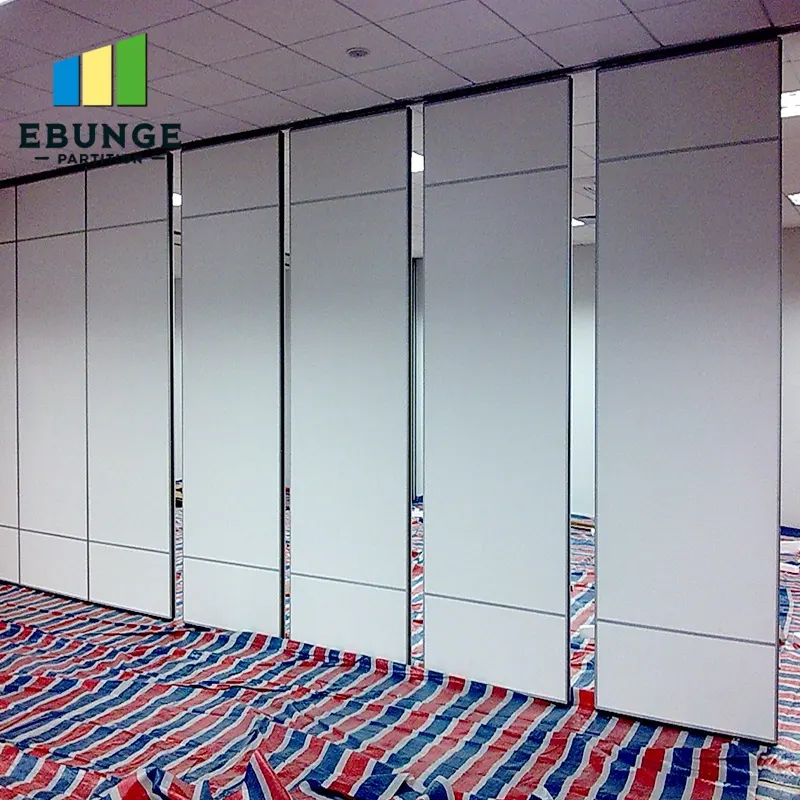
When two zones share one hoist, the track fixing crew sequence shared hoist zones becomes a coordination problem before it becomes an installation problem. Movable wall panels are individually movable, suspended from a top track, cross the opening without a floor track, and park at a planned stacking position. That means the overhead route, the parking area and the hoist schedule all interact. This article offers an evidence-bounded planning framework for contractors, architects and site teams. It does not replace project-specific support, acoustic or dimensional review. Confirm every route, fixing condition and interface against the approved drawings before work starts.
Why Shared Hoist Zones Change Track Fixing Logic
Project review term: track fixing crew sequence.
A single hoist serving two zones creates a shared resource with two different work fronts. If both zones need overhead track installed at the same time, the crew sequence cannot be treated as two independent jobs. The exact route, junction arrangement, continuous overhead path and parking position must be confirmed from the coordinated project drawings. The hoist moves materials and access equipment, but it does not change the need for a supported, connected route.
Start by mapping which zone depends on the hoist for what. Some tasks may be hoist-dependent, such as moving long track sections or heavy access platforms. Other tasks, such as layout marking or bracket positioning, may be possible without the hoist. Separating these categories helps the site team decide what can proceed in parallel and what must wait.
Information to Collect Before Sequencing Crews
Coordination scope: track fixing crew sequence.
Sequencing decisions should be based on project documents, not assumptions. The suitability of each route and parking arrangement depends on the approved layout, circulation, ceiling interfaces and operating sequence. The layout review should confirm straight, turning and stacking routes.
Also confirm pass-door requirements and project documentation needs. These are project-specific items that can affect the order of work. Visible references can support layout discussion but do not verify hidden construction or performance. Where the drawings do not show a condition clearly, raise a request for information rather than filling the gap on site.
Decision checklist before the first crew is assigned
- Are both zones’ overhead routes shown as continuous and connected on the approved layout?
- Are parking positions for each zone defined and coordinated with adjacent trades?
- Has the hoist schedule been compared with the track fixing sequence?
- Are pass-door and documentation requirements confirmed for each zone?
- Are support and fixing conditions confirmed by the responsible project professional?
- Is there a named person to resolve drawing conflicts before work proceeds?
A Practical Crew Sequence for Two Zones, One Hoist
Checklist focus: track fixing crew sequence.
The sequence below is a planning model, not a fixed rule. Adjust it to the project’s access, supervision and safety requirements. The goal is to reduce idle time without creating an unsupported or incomplete overhead route.
Numbered sequence
- Confirm the approved layout and parking positions for both zones.
- Identify which tasks genuinely require the hoist and which do not.
- Complete non-hoist preparation in both zones where access allows.
- Use the hoist for the first zone’s hoist-dependent track sections.
- Verify the installed route against the drawing before releasing the hoist.
- Repeat the hoist-dependent work in the second zone.
- Record any deviation and confirm it with the responsible project professional.
Coordinating the Hoist Without Losing Track Continuity
Review focus: track fixing crew sequence.
Hoist time is often the constraint, so crews may be tempted to install partial track sections and return later. The sequence should include a handover check each time the hoist moves between zones.
Use a simple status marker for each track run: prepared, installed, verified or awaiting confirmation. This is a communication tool, not a performance claim. It helps the next crew know whether the route is ready for the following operation. If a run is awaiting confirmation, it should not be treated as available for panel movement.
Compact comparison: parallel work versus hoist-dependent work
| Activity type | Can it proceed without the hoist? | Coordination note |
|---|---|---|
| Layout marking and preparation | Often yes, if access is safe | Confirm dimensions against approved drawings |
| Long track section positioning | Usually hoist-dependent | Sequence between zones to avoid double handling |
| Turning and stacking route checks | May be possible without hoist | Confirm connected overhead route |
| Final verification | Not hoist-dependent | Record status before releasing the area |
Evidence Boundaries and Drawing Review
Project review term: track fixing crew sequence.
Track fixing planning often attracts assumptions that the drawings do not support.
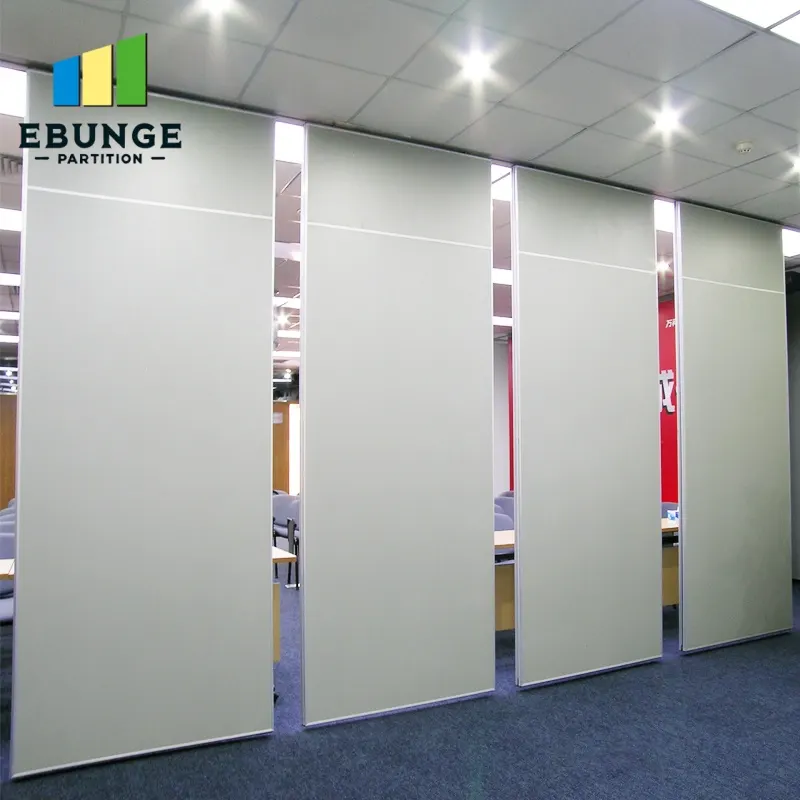
Where acoustic separation matters, the project team should confirm the required rating and the supporting evidence for the specific assembly. Do not derive hidden performance from a photograph, a generic detail or a finish sample. The exact overhead route and support arrangement must be confirmed by the responsible project team from coordinated drawings.
Evidence note
This article describes planning logic only. It does not confirm support capacity, acoustic rating, dimensional limits or installation outcomes for any project. Those items require project-specific drawings, calculations and approvals.
Handover Between Zones and Trades
When two zones share one hoist, handover quality determines whether the sequence holds. A short handover check should confirm the track run status, the parking position status and any open requests for information. The check should also confirm that the next crew understands which route is connected and which is not.
Adjacent trades can affect the overhead route. The sequence should include a point where these interfaces are reviewed against the latest drawings. If a conflict appears, pause the affected run and resolve it before continuing.
Frequently Asked Questions
What is the main risk when two zones share one hoist?
The main risk is treating a partial track run as complete. If the overhead route is not connected and verified, later operations may assume it is ready. A clear status marker and handover check reduce that risk.
Can track fixing start in both zones at the same time?
It depends on access, supervision and whether the work requires the hoist. Non-hoist preparation may proceed in parallel where it is safe. Hoist-dependent work should be sequenced to avoid double handling and incomplete routes.
How do parking positions affect the crew sequence?
Parking style is customized to the layout and project requirements. The stacking position affects how panels are stored when open, so it should be confirmed in the layout review before track fixing is sequenced.
Do movable partitions need a floor track?
EBUNGE movable partition panels are top-hung and move without a continuous floor running track or floor hardware along the partition line.
Can acoustic performance be confirmed from the finish?
No.
What should be confirmed before installation begins?
Confirm the approved layout, continuous overhead routes, parking positions, pass-door requirements, documentation needs and support conditions. These are project-specific and should be reviewed by the responsible project professional.
Conclusion and Next Step
A shared hoist does not have to disrupt track fixing, but it does require a deliberate sequence. Map the hoist-dependent work, protect track continuity, and use handover checks between zones. Keep every recommendation tied to the approved drawings and confirm support, acoustic and dimensional requirements for the specific project.
To discuss pass-door requirements, project documentation or layout review for your next movable partition installation, contact the EBUNGE team. You can also review movable wall products and browse planning resources before finalizing your sequence.