
Quick project answer
Review focus: track fixing sequence.
When a ceiling grid is already in place, the track fixing sequence ceiling grid first contractor planning becomes a coordination exercise rather than a simple installation step. Movable wall panels are individually movable, suspended from a top track, cross the opening without a floor track, and park at a planned stacking position. If the ceiling grid is installed first, the project team must confirm how the overhead track will be supported, how the route will remain continuous, and how the parking area will be coordinated with the finished ceiling. This article provides an evidence-bounded framework for contractors, architects and construction teams. The suitability of each route and parking arrangement depends on the approved layout, circulation, ceiling interfaces and operating sequence.
Why Ceiling Grid First Changes the Track Fixing Conversation
In many interior fit-outs, the ceiling grid is installed before the movable partition track is fixed. The exact overhead route and support arrangement must be confirmed by the responsible project team from coordinated drawings.
EBUNGE movable partitions are top-hung and move without a continuous floor running track or floor hardware along the partition line. This means the overhead route must be continuous and supported. A ceiling grid first sequence does not change that requirement; it changes how and when the support is inspected and how the track is aligned with the finished ceiling plane.
Core Information to Collect Before Fixing the Track
Before fixing any track, the project team should gather the information that connects the ceiling grid layout to the movable wall layout. This is not a generic checklist; it is a project-specific review.
- Approved ceiling grid layout and reflected ceiling plan.
- Movable wall layout showing straight, turning and stacking routes.
- Track fixing details and any required coordination with ceiling hangers or services.
- Parking position and stacking area dimensions as coordinated with the layout.
- Pass-door requirements and any project documentation needed for approval.
If any of these items are missing, the track fixing sequence should not proceed without a written clarification. The contractor should confirm project-specific support, acoustic and dimensional requirements with the responsible engineer or designer.
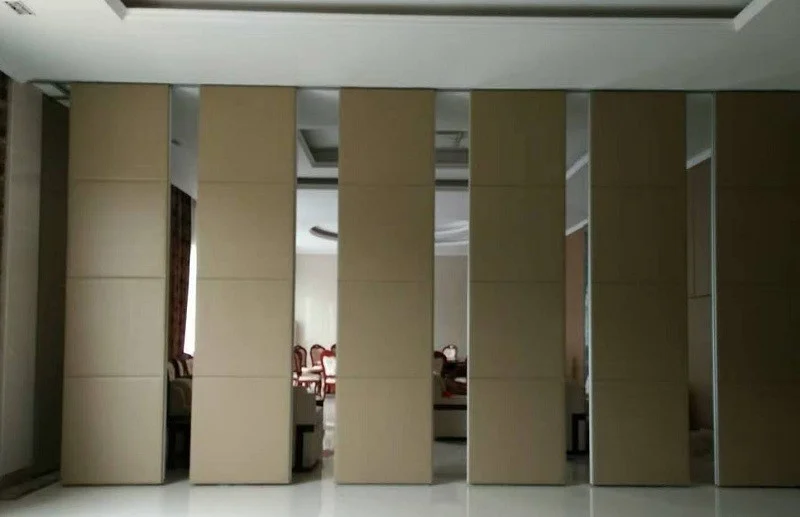
Step-by-Step Track Fixing Sequence When the Grid Is Already In
The following sequence is a planning framework, not a substitute for project-specific installation instructions. It assumes the ceiling grid is installed and the movable wall track is not yet fixed.
- Verify support above the ceiling. Do not assume the grid can carry the track load.
- Review the route and parking layout. Check that straight, turning and stacking routes are continuous and that the parking position is clear of ceiling features.
- Coordinate access. Plan how ceiling tiles or grid sections will be temporarily removed or protected to allow track installation and alignment.
- Set out the track line. Mark the track position relative to the finished ceiling and the partition opening, using approved dimensions.
- Fix the track to the verified support. Use the fixing method specified for the project. Do not fix to the ceiling grid unless the project engineer has confirmed it in writing.
- Check alignment and continuity. Confirm the track is level, continuous and aligned with the planned stacking position.
- Reinstate the ceiling. Replace or adjust ceiling tiles and grid sections as required, maintaining the agreed finish.
- Document the installation. Record the as-built track position, support verification and any deviations for the project file.
Support, Route and Stacking Checks
The track fixing sequence is only as good as the support and route it relies on. A continuous connected overhead route is required for every proposed movement path. The exact route, junction arrangement, continuous overhead path and parking position must be confirmed from the coordinated project drawings. If the ceiling grid first sequence obscures the support, the contractor should arrange an inspection before fixing.
Stacking routes deserve the same attention. Parking style is customized to the customer layout and project requirements and may support compact stacking when the coordinated design permits it. The stacking area must be planned so that panels can park without interfering with ceiling services, lighting or sprinklers.
Acoustic and Seal Concepts Without Overclaiming
Movable partitions may include seals and acoustic elements, but their performance depends on the complete system, the opening, the surrounding construction and the installation quality.
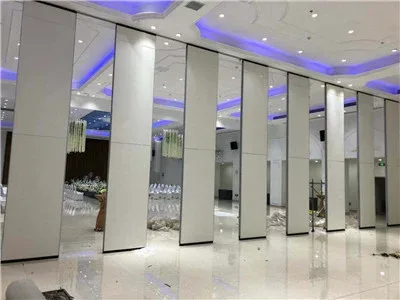
When the ceiling grid is installed first, the acoustic seal at the track and the junction with the ceiling may need special attention. Visible references can support layout discussion but do not verify hidden construction or performance.
Documentation and Coordination Responsibilities
Clear documentation reduces the risk of rework. The contractor should maintain a record of the approved track fixing sequence, support verification, route layout and any project-specific instructions. If the ceiling grid first sequence requires changes to the grid or services, those changes should be agreed in writing before work proceeds.
Coordination responsibilities should be defined at the outset. The project team should agree who inspects the support, who approves the track fixing method and who signs off the completed installation.
Evidence Boundaries: What This Article Does Not Claim
It does not claim that any specific ceiling grid can support a movable wall track. All recommendations are subject to project-specific support, acoustic and dimensional confirmation.
The contractor should rely on approved project documentation and maintained product facts.
Frequently Asked Questions
Can the movable wall track be fixed directly to the ceiling grid?
No. Fixing to the ceiling grid is not recommended unless a project engineer confirms it in writing. The ceiling grid is not normally designed to carry the track and panel loads.
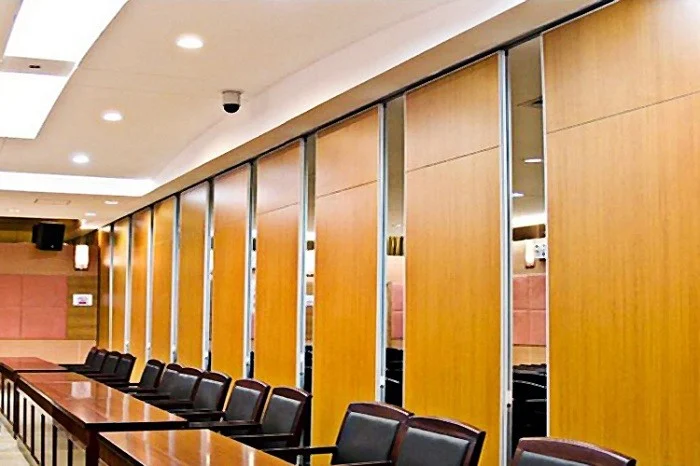
What if the ceiling grid is already installed and access is limited?
The contractor should plan for temporary removal or protection of ceiling tiles and grid sections to allow track installation and alignment. Access should be coordinated with the ceiling contractor and documented in the installation sequence.
How do I confirm the track route and stacking position?
Review the approved movable wall layout showing straight, turning and stacking routes. Confirm that the overhead route is continuous and that the parking position is clear of ceiling features. The stacking area should be coordinated with the architect or designer.
Does the ceiling grid first sequence affect acoustic performance?
It can affect how the track and seal interface with the ceiling. Confirm project-specific acoustic requirements with the responsible acoustic consultant.
What documentation should be prepared before track fixing?
Prepare the approved ceiling grid layout, movable wall layout, support verification, track fixing details, parking position dimensions and any pass-door requirements. Keep a record of inspections and approvals for the project file.
Can EBUNGE provide project-specific guidance?
EBUNGE can discuss pass-door requirements and project documentation. Contact EBUNGE to discuss your project planning.
Conclusion and Next Steps
When ceiling grids go in first, the track fixing sequence becomes a coordination task that depends on verified support, continuous routes and clear documentation. Instead, confirm project-specific support, acoustic and dimensional requirements before fixing the track.
For movable wall planning, review the movable wall product information and the project resources. To discuss your track fixing sequence, pass-door requirements or documentation needs, contact EBUNGE.