
Quick project answer
Review focus: track interface risk register.
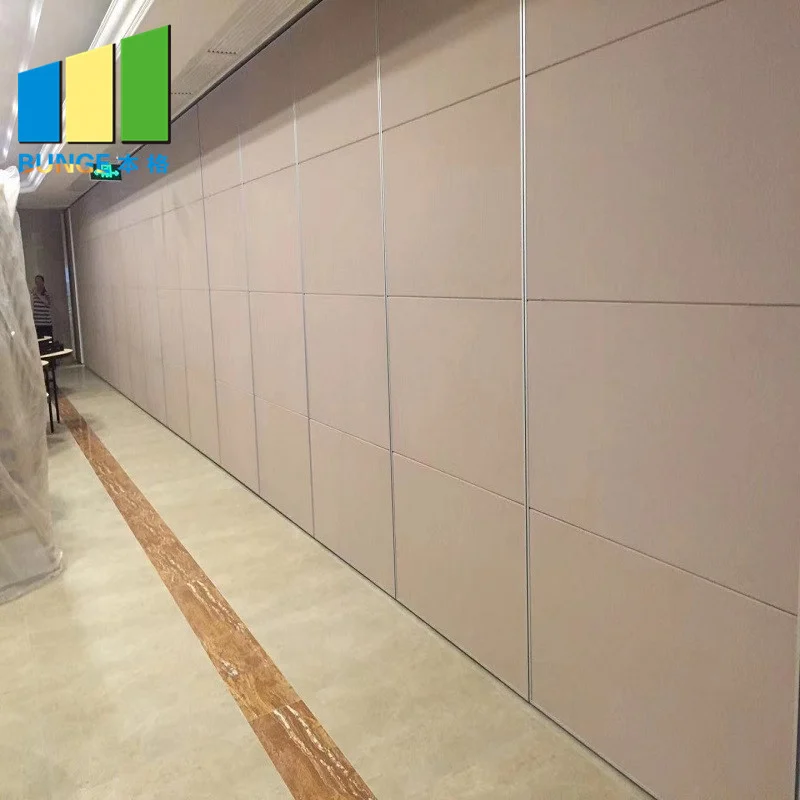
To score bidder track interface risk register tender submissions fairly, you need a repeatable method that separates documented evidence from optimistic narrative. The register should show how the bidder will manage the interface between the movable partition, the overhead track route and the supporting structure. Because EBUNGE movable wall panels are individually movable, suspended from a top track and cross the opening without a floor track, the track interface is a central coordination item rather than a minor accessory. This article gives procurement and project teams a structured way to score that register without inventing performance, cost or engineering conclusions.
Why the Track Interface Deserves Its Own Scoring Line
Project review term: track interface risk register.
A movable partition is not a freestanding object. It depends on a continuous overhead route and a supporting structure that has been reviewed for the project. The exact route, junction arrangement, continuous overhead path and parking position must be confirmed from the coordinated project drawings.
Scoring the register separately forces clarity. It also protects the client from discovering interface gaps after award, when changes are harder to coordinate. The suitability of each route and parking arrangement depends on the approved layout, circulation, ceiling interfaces and operating sequence.
A Six-Part Scoring Framework for Tender Review
Coordination scope: track interface risk register.
Use a consistent structure across all bidders so scores reflect content quality rather than presentation style. The framework below keeps each criterion tied to visible evidence or a stated confirmation boundary.
- Route definition: Does the register describe the straight, turning and stacking routes as reviewed from the layout?
- Support coordination: Does it identify where structural support information is required and who must confirm it?
- Interface ownership: Are responsibilities between the partition supplier, main contractor and other trades clearly assigned?
- Evidence quality: Are claims supported by drawings, schedules or written confirmations rather than assumptions?
- Open-item control: Does the register list unresolved items with owners and review stages?
- Documentation plan: Does it explain how pass-door requirements and project documentation will be handled?
Checklist: What a Credible Register Should Contain
Checklist focus: track interface risk register.

Use this checklist during tender review. A strong submission does not need every item resolved, but it should show that each item has been considered and assigned a confirmation path.
- Layout drawings showing the proposed partition line and parking position.
- A clear statement that the system is top-hung and crosses the opening without a floor track.
- Identification of the overhead route, including any turning or stacking sections.
- Finish assumptions, such as laminate, melamine, fabric, leather, glass or other approved surfaces.
- Pass-door requirements and how they will be documented.
- A list of open items with responsible parties and review milestones.
How to Compare Bidders Without Overweighting Presentation
Review focus: track interface risk register.
Bidders may present the same information in very different formats. A compact comparison table helps reviewers focus on substance. The table below is a scoring aid, not a performance claim about any product.
| Scoring dimension | Weak signal | Stronger signal |
|---|---|---|
| Route clarity | Generic track description only | Routes reviewed against the layout, including turning and stacking |
| Support coordination | Assumes existing structure is adequate | Identifies where project-specific support review is required |
| Interface ownership | Responsibilities left to others | Named coordination points between trades |
| Evidence | Claims without drawings or schedules | Drawings, schedules and written confirmation boundaries |
| Open items | No unresolved items listed | Open items with owners and review stages |

Evidence Notes: What You Can and Cannot Infer
During scoring, distinguish between what is visible and what is assumed. Visible references can support layout discussion but do not verify hidden construction or performance. Those items require project-specific confirmation.
Evidence note: score the register on the quality of its coordination logic and its stated confirmation boundaries, not on unverified performance promises.
Common Scoring Mistakes in Procurement and Tender Review Coordination
Even experienced teams can drift into inconsistent scoring. The following mistakes are common and avoidable.
Treating the register as a compliance document only
A register that simply repeats specification clauses may miss the real interface questions. Look for project-specific thinking about routes, support and stacking.
Rewarding confident language over evidence
Confident wording is not evidence. A bidder that clearly states what still needs confirmation may be safer than one that claims everything is resolved.
Ignoring the parking and stacking position
Parking is customized to the customer layout and project requirements. If the register does not address where panels will park, the review is incomplete.
Leaving pass-door requirements until later
Pass-door requirements and project documentation can be discussed, but they should appear in the register as coordination items rather than afterthoughts.
FAQ: Scoring Track Interface Risk Registers
What is a track interface risk register in a movable partition tender?
It is a bidder’s structured list of interface risks related to the overhead track route, supporting structure, adjacent construction and coordination responsibilities. It should show how each risk will be reviewed or confirmed.
Should I score the register differently from the technical specification?
Yes. The specification states requirements, while the register shows how the bidder will manage coordination and open items. Scoring them separately gives a clearer picture of delivery readiness.
Can a bidder score well without resolving every interface item?
Yes, provided unresolved items are clearly listed with owners and review stages. Tender review should reward transparency and a credible confirmation path, not false completeness.
How should acoustic claims be treated in the register?
Provide the current layout, opening dimensions, ceiling information, intended room use, and relevant project drawings for review. The exact overhead route and support arrangement must be confirmed by the responsible project team from coordinated drawings.
What documentation should support the register?
Layout drawings, route reviews, interface notes, finish assumptions and a list of open items are useful. Pass-door requirements and project documentation can be discussed as part of the same coordination package.
Does a top-hung system need a floor track?
No. EBUNGE movable wall panels are suspended from a top track and cross the opening without a floor track.
Conclusion: Score the Register as a Coordination Tool
Scoring a bidder’s track interface risk register is not about finding the longest document. The exact overhead route and support arrangement must be confirmed by the responsible project team from coordinated drawings. Use a consistent framework, reward visible evidence and treat unresolved items as normal when they are clearly owned.
To discuss movable wall options, finishes or documentation, contact EBUNGE. You can also review movable walls and browse resources for further planning context.