
Quick project answer
Review focus: track interface qualifications.
In a bidder track interface qualifications tender review, the most common mistake is reading the track as a product line item rather than as a coordinated interface. Movable wall panels are individually movable, suspended from a top track, cross the opening without a floor track, and park at a planned stacking position. That means the bidder is not only offering panels; the bidder is offering a relationship between the panels, the overhead route, the supporting structure and the building geometry. If the tender documents treat those as separate packages, the review must reconnect them.
This article sets out an evidence-bounded way to read those qualifications. It does not replace project-specific engineering, acoustic or dimensional confirmation. The suitability of each route and parking arrangement depends on the approved layout, circulation, ceiling interfaces and operating sequence.
Why the Track Interface Is a Qualification, Not a Line Item
Project review term: track interface qualifications.
A track interface qualification describes what the bidder has actually reviewed and what remains to be confirmed. A strong submission does not simply state that a track will be supplied. It shows how the proposed overhead route relates to the opening, the turning points and the parking position shown on the layout.
Straight, turning and stacking routes are reviewed from the layout. If the layout shows a turn, the bidder should explain how the route is intended to work and what information is still missing. If the layout shows a stacking position, the bidder should identify the interface between the moving panels and the surrounding construction. These are not performance claims; they are coordination statements that can be checked against drawings.
What a qualification should demonstrate
- Awareness that panels are top-hung and cross the opening without a floor track.
- Recognition that every proposed movement path needs a continuous connected overhead route.
- Reference to the planned stacking position and how it was derived from the layout.
- Clear separation between confirmed product facts and items requiring project-specific review.
- Willingness to discuss pass-door requirements and project documentation.
Reading the Bidder’s Drawing Set Without Inferring Hidden Performance
Coordination scope: track interface qualifications.
Drawings are evidence of intent, not evidence of performance. Visible references can support layout discussion but do not verify hidden construction or performance.
Instead, mark each drawing for what it shows and what it leaves open. Does it show the track route relative to the structural soffit? Does it show the parking area in plan and section? Does it identify the interface with adjacent finishes? Where the answer is unclear, the qualification is incomplete rather than automatically unacceptable.
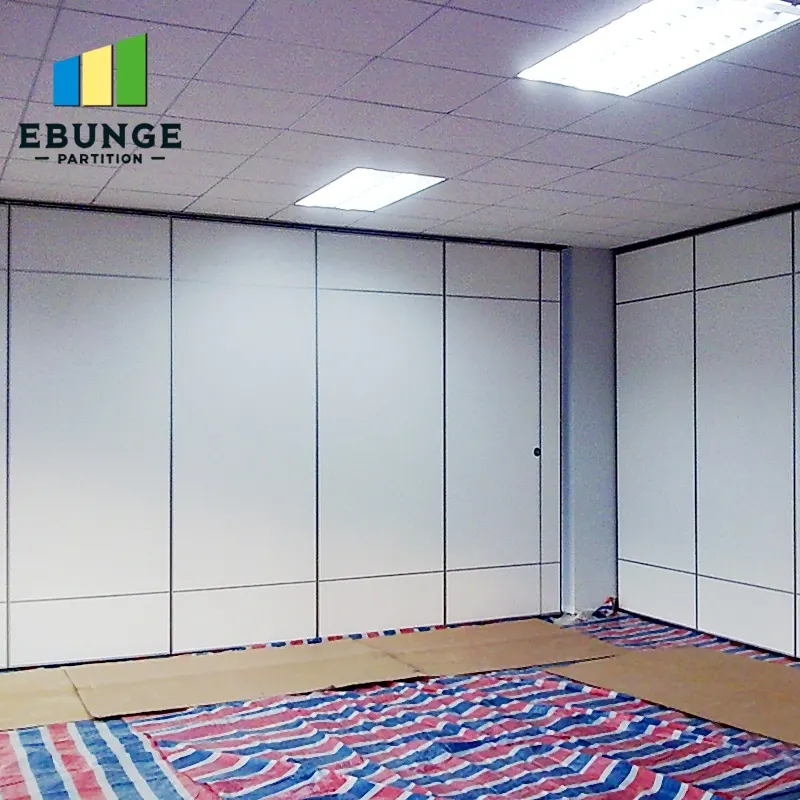
Questions that expose gaps quickly
- Which drawing shows the full overhead route from the closed position to the parking position?
- Where does the bidder state that the route is continuous and connected?
- Which items are marked as requiring project-specific support review?
- How does the submission handle turns, if the layout includes them?
- What documentation will be provided for pass-door requirements?
Separating Confirmed Facts from Project-Specific Assumptions
Checklist focus: track interface qualifications.
Confirmed finish options include laminate, melamine, fabric, leather, glass and other approved surfaces. A tender review should keep finish selection in its own category and avoid letting it stand in for interface qualification.
Seals and acoustic concepts can be explained generically. Where acoustic requirements matter, the project team must confirm them against project-specific evidence and the actual assembly proposed.
Evidence note for reviewers
Treat every comparative, absolute or causal statement in a bid as requiring corresponding evidence. If the evidence is not in the submission, record it as an open item rather than filling the gap with an assumption.
A Compact Comparison Table for Tender Reviewers
Review focus: track interface qualifications.
| Submission element | What it can show | What it cannot show without project evidence |
|---|---|---|
| Track route drawing | Intended path, turns and parking position | Structural capacity or support adequacy |
| Finish schedule | Selected surface category | Acoustic, fire or durability performance |
| Layout reference | Relationship to room geometry | Installation sequence or manpower |
| Pass-door note | Awareness of access requirements | Compliance with local codes or final dimensions |
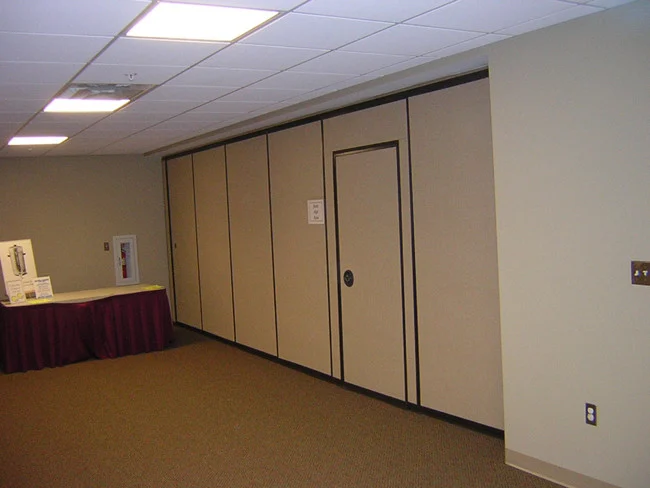
Use the table as a screening tool. It helps the review team see where a bidder has provided coordination information and where the submission is still relying on the reader to assume the rest.
Coordinating Procurement and Tender Review Across Disciplines
Where the bidder cannot confirm an interface, the correct action is to request clarification or a revised drawing. It is not to award on the assumption that the interface will be resolved later. Late resolution often shifts cost and risk without improving the outcome.
Internal links for deeper review
Reviewers can compare the bid against the maintained product context on the movable walls product page and use the resources section for general planning context. When a project-specific question remains open, the project team can contact EBUNGE to discuss documentation and pass-door requirements.
FAQ: Bidder Track Interface Qualifications in Tender Review
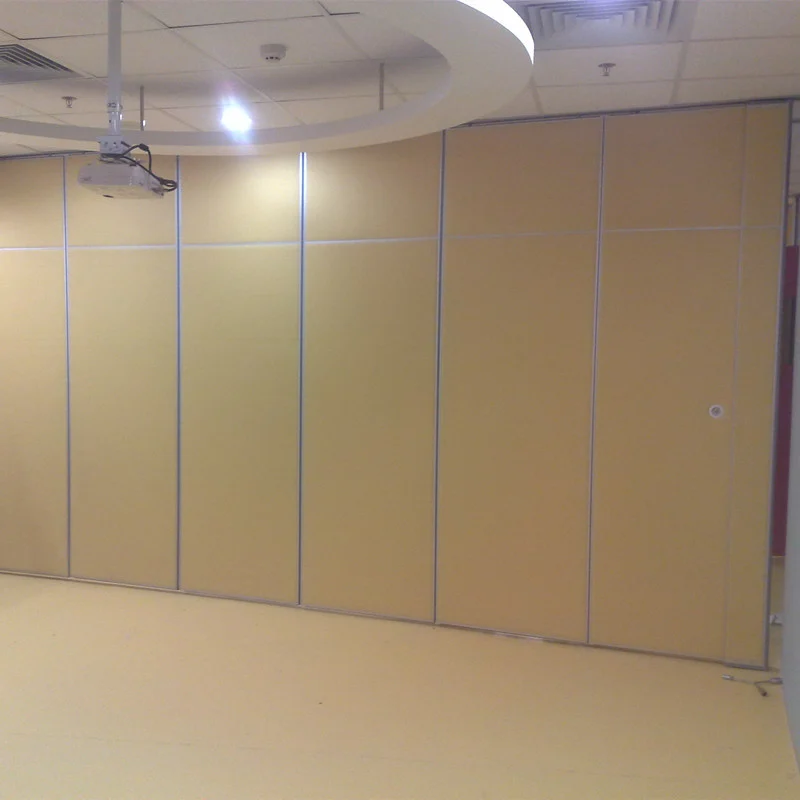
What does a track interface qualification actually cover?
It covers how the bidder has reviewed the relationship between the moving panels, the overhead route, the turning points and the planned stacking position. It should also identify which items still require project-specific support, acoustic and dimensional confirmation.
Can a bidder qualify the track without a site visit?
A bidder can prepare a qualification from drawings and layout information, but the submission should state what has been reviewed and what remains unconfirmed. A site visit may be useful, but the tender review should rely on documented evidence rather than assumed familiarity.
How should reviewers treat acoustic statements in a bid?
Provide the current layout, opening dimensions, ceiling information, intended room use, and relevant project drawings for review. The exact overhead route and support arrangement must be confirmed by the responsible project team from coordinated drawings.
What if the layout shows a turn or a non-standard parking position?
The bidder should explain how the route is intended to work and what information is still required. Straight, turning and stacking routes are reviewed from the layout, so the submission should reference the layout directly rather than describing a generic system.
Does a finish selection prove anything about performance?
No. Laminate, melamine, fabric, leather, glass and other approved surfaces are finish options.
When should a tender review stop and request clarification?
When the overhead route, support conditions, parking position or pass-door requirements are unclear, the review should record an open item. Awarding on an unresolved interface transfers risk without resolving the technical question.
Conclusion: Award on Evidence, Not on Assumption
Reading bidder track interface qualifications in tender review is a discipline of separating what is confirmed from what is assumed. The maintained facts are straightforward: panels are individually movable, top-hung, cross the opening without a floor track, and park at a planned stacking position. Straight, turning and stacking routes are reviewed from the layout. The exact route, junction arrangement, continuous overhead path and parking position must be confirmed from the coordinated project drawings.
When the submission is clear about those boundaries, the review team can compare bidders on a like-for-like basis. When it is not, the right next step is a focused clarification request rather than a hopeful award.
To discuss project documentation, pass-door requirements or a specific track interface question, contact EBUNGE and share the layout and tender drawings for review.