
Quick project answer
Review focus: changeover policy review.
Room scheduling data changeover policy review trigger is a practical planning concept: booking patterns, room turnover frequency and user complaints can signal that a written changeover policy no longer matches how a space is actually used. For contractors, architects, interior designers, owners and renovation teams, the trigger is not a product performance claim. It is a prompt to re-check layout, routes, storage and project-specific requirements before confirming any movable partition configuration.
This article explains how to read scheduling data as an operational signal, what evidence is needed before changing a policy, and how to coordinate with movable wall systems that are top-hung and move without a continuous floor track along the partition line.
Why Scheduling Data Belongs in Changeover Planning
Project review term: changeover policy review.
Scheduling data shows how often a room is booked, how long each booking lasts, and how frequently the room must switch between layouts. When those patterns change, the original changeover policy may still describe a room that no longer exists in practice.
A policy review is not automatically a product change. It may confirm that the current arrangement still works, or it may identify that the layout, parking position or route needs project-specific review. The distinction matters because movable partition planning depends on coordinated drawings, support conditions and confirmed dimensional requirements.
Signals that deserve a review
- Repeated double-bookings or short gaps between events with different layouts.
- Frequent requests to combine or divide the same room.
- Staff notes about furniture, equipment or access blocking a planned route.
- Changes in room use, such as a training room becoming a meeting suite.
- New pass-door or access requirements that were not part of the original brief.
What the Data Can and Cannot Tell You
Coordination scope: changeover policy review.
Scheduling data can show demand patterns and timing pressure. The suitability of each route and parking arrangement depends on the approved layout, circulation, ceiling interfaces and operating sequence. Those topics require separate project-specific evidence and review.
Evidence note
Use scheduling data to frame questions, not to conclude performance. Confirm support, acoustic, dimensional and route requirements against project drawings and maintained product facts before specifying or approving a changeover policy.
Map the Changeover Route Before Changing the Policy
Checklist focus: changeover policy review.
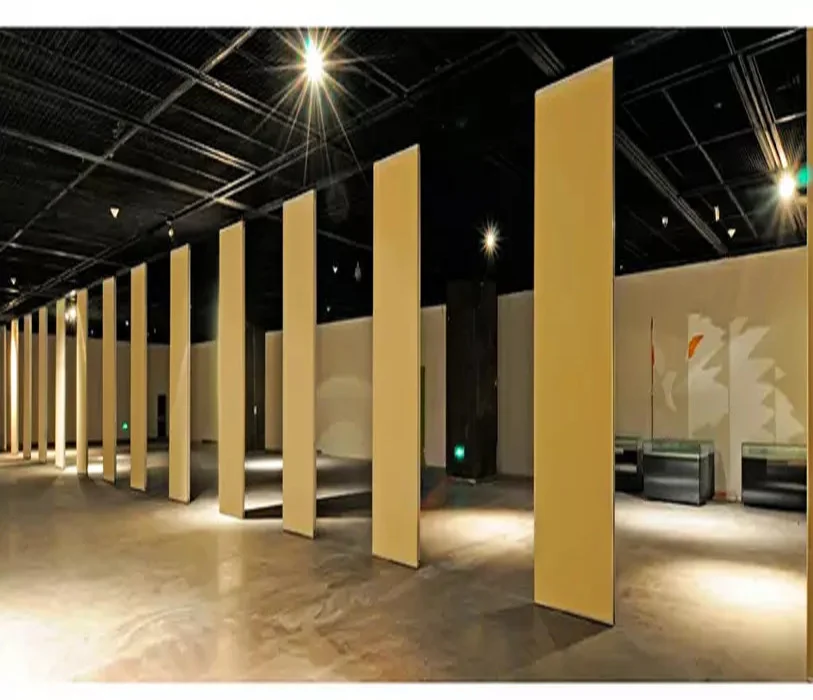
Every changeover policy depends on a movement path. EBUNGE movable partition panels are individually movable, suspended from a top track, cross the opening without a floor track, and park at a planned stacking position. Straight, turning and stacking routes are reviewed from the layout.
If scheduling data shows that a route is used more often than expected, the review should check whether the overhead route remains continuous and connected. The exact route, junction arrangement, continuous overhead path and parking position must be confirmed from the coordinated project drawings. Parking style is customized to the customer layout and project requirements, and compact stacking may be possible when the coordinated design permits it.
Route review checklist
- Mark the opening, turning points and planned parking position on the layout.
- Confirm that the overhead route is continuous and supported per project review.
- Check that the parking position does not conflict with adjacent room functions.
- Review pass-door requirements and access needs with the project team.
- Record any dimensional or support questions for project-specific confirmation.
Coordinate the Policy with Finish and Documentation Choices
Review focus: changeover policy review.
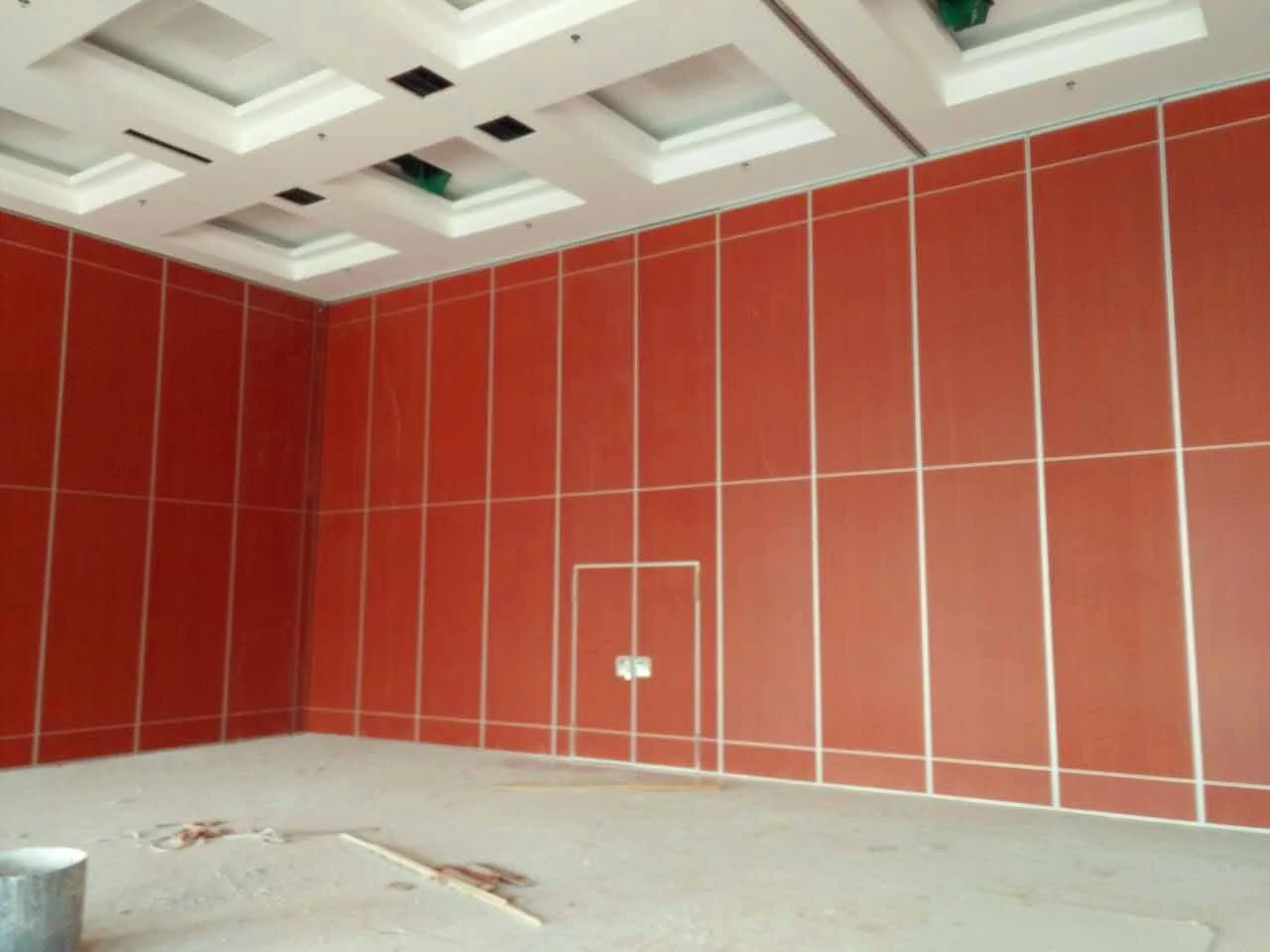
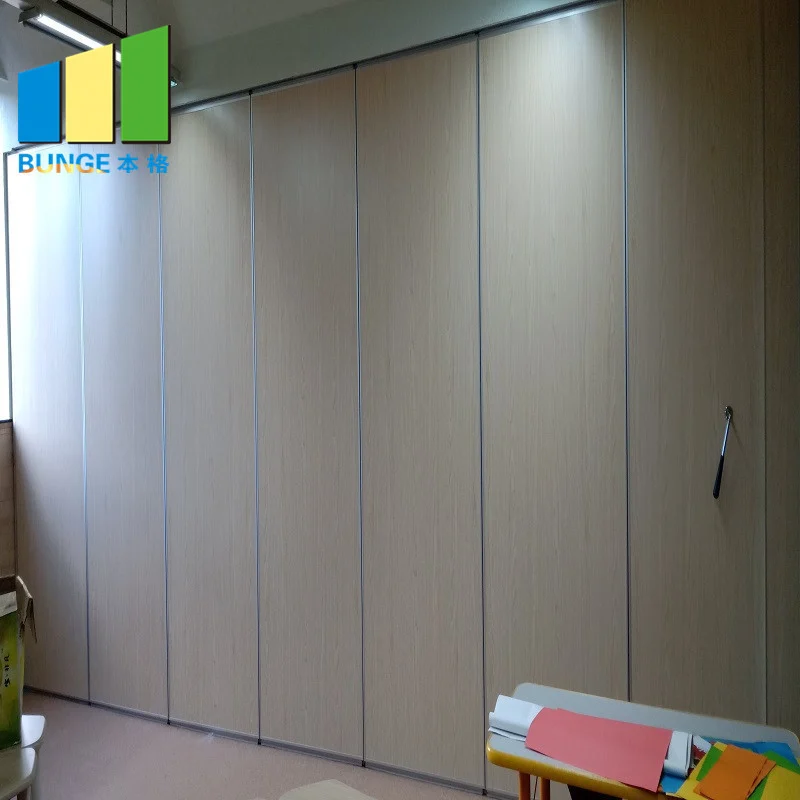
Confirmed finish options include laminate, melamine, fabric, leather, glass and other approved surfaces.
Project documentation can be discussed alongside pass-door requirements. A changeover policy review is a good time to check that drawings, schedules and finish references still match the intended use. If the room schedule has changed, the documentation may need to be updated before the next phase.
Compact comparison: policy review triggers
| Trigger | What it may indicate | What still needs confirmation |
|---|---|---|
| More frequent layout changes | Changeover steps may need review | Route, parking and support conditions |
| New room combinations | Opening and stacking plan may need review | Layout drawings and dimensional requirements |
| Access complaints | Pass-door or circulation may need review | Project-specific access and documentation |
| Finish wear questions | Finish suitability may need review | Approved surface options and maintenance requirements |
How to Run a Changeover Policy Review
A structured review keeps the discussion grounded in evidence. Start with the scheduling data, then compare it with the current layout and operating assumptions. Invite the parties who use the room, maintain it or manage bookings, because their observations often explain why a policy is under pressure.
Next, separate operational questions from technical questions. Operational questions include booking rules, setup expectations and storage habits. Technical questions include support, acoustic and dimensional requirements. The technical questions should be answered with project-specific evidence, not inferred from a photograph, finish sample or scheduling report.
Review sequence
- Collect a representative period of scheduling data.
- Identify repeated changeover patterns and pressure points.
- Compare those patterns with the current layout and route drawings.
- List operational, dimensional, support and acoustic questions.
- Confirm which items require project-specific review before any policy change.
- Update the policy only after the relevant requirements are confirmed.
Common Mistakes When Using Scheduling Data
One mistake is treating a busy calendar as proof that a different partition system is required. Scheduling data can justify a review, but it does not replace engineering, acoustic or dimensional confirmation.
Another mistake is assuming that a route will work because it looks clear on a floor plan. The exact overhead route and support arrangement must be confirmed by the responsible project team from coordinated drawings. A third mistake is copying a changeover policy from another venue. Named venues are examples only; movable partitions can be considered wherever flexible spatial division, combination or reconfiguration is required, but each project has its own requirements.
What to document
- The scheduling period reviewed and the patterns observed.
- The current layout, opening and parking assumptions.
- Open questions about support, acoustics and dimensions.
- Pass-door and access requirements discussed with the project team.
- Finish options under consideration and any approval status.
Frequently Asked Questions
What is a room scheduling data changeover policy review trigger?
It is a signal from booking or usage data that the current changeover policy should be reviewed. The signal may be more frequent layout changes, new room combinations or recurring access issues. It does not by itself confirm that a product change is needed.
Does scheduling data prove that a movable partition will meet acoustic requirements?
No. Scheduling data describes usage patterns. Acoustic requirements need project-specific confirmation.
Why does the movement route matter in a policy review?
Because panels are suspended from a top track and cross the opening without a floor track. The overhead route must be continuous and supported per project review.
Can the parking position change if the room schedule changes?
Parking style is customized to the customer layout and project requirements. If the schedule changes, the planned stacking position should be re-checked against the layout. Compact stacking may be possible when the coordinated design permits it.
Which finish options can be discussed?
Confirmed finish options include laminate, melamine, fabric, leather, glass and other approved surfaces.
When should the project team contact EBUNGE?
Contact EBUNGE when scheduling data suggests a changeover review, when pass-door requirements need discussion, or when project documentation needs coordination. Early contact helps the team confirm support, acoustic and dimensional requirements before decisions are finalized.
Conclusion
Room scheduling data is most useful as a review trigger, not as a performance conclusion. Confirm project-specific support, acoustic and dimensional requirements before changing a changeover policy or specifying a movable partition configuration.
For project planning resources, visit the EBUNGE resources page. To discuss pass-door requirements, project documentation or a specific layout, contact EBUNGE and share the drawings and scheduling context for review.