
Quick answer: track zone handover file as
Review focus: track zone handover file as.
The track zone handover file as-built tolerance evidence is the record that shows whether the installed overhead route matches the coordinated design. For top-hung movable partitions, the panels are individually movable, suspended from a top track, cross the opening without a floor track, and park at a planned stacking position. Because the track zone carries the movement path, its handover file should prove what was built, where it sits, and what remains to be confirmed. This article sets out an evidence-bounded framework for overseas contractors, architects, interior designers, owners and construction teams. It does not replace project-specific support, acoustic or dimensional review.
Why the Track Zone Deserves Its Own Handover Evidence
Project review term: track zone handover file as.
A movable wall is not only a set of panels. The straight, turning and stacking routes are reviewed from the layout, so the track zone links the opening, the parking area and any change of direction. If the as-built route differs from the coordinated drawing, the handover file should make that difference visible rather than hide it in a general completion statement.
The file is therefore a coordination tool. It helps the project team compare approved drawings, site records and visible conditions. It also defines the boundary between what has been verified and what still requires project-specific confirmation.
What the file is not
The suitability of each route and parking arrangement depends on the approved layout, circulation, ceiling interfaces and operating sequence. Visible references can support layout discussion but do not verify hidden construction or performance.
Core Evidence a Track Zone Handover File Should Contain
Coordination scope: track zone handover file as.
A useful handover file is organized around evidence, not opinion. The exact contents depend on the project, but the following categories help teams avoid gaps.
- Approved layout drawings showing the straight, turning and stacking routes, with revision references.
- As-built survey records for the track zone, clearly dated and linked to the drawing set.
- Deviation notes describing any difference between coordinated and installed conditions.
- Open-item register listing items that still require project-specific confirmation.
- Photographic records with location references, used only as visible evidence rather than performance proof.
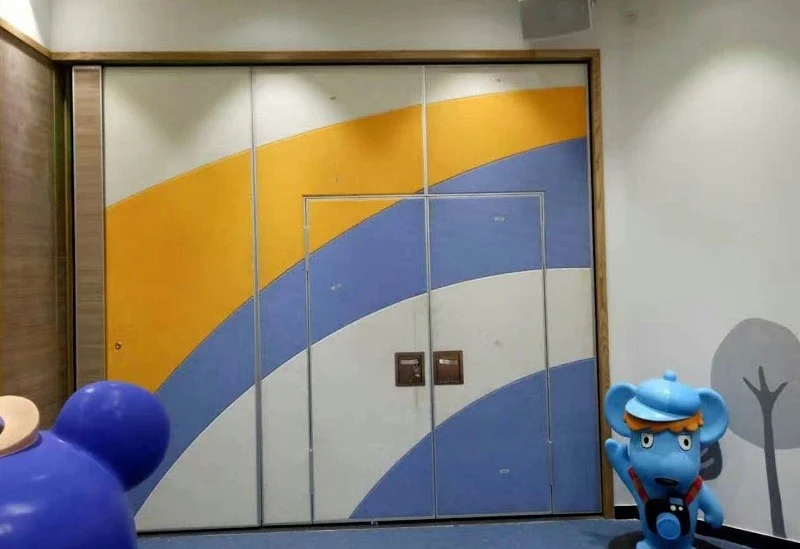
Each item should be traceable. A drawing without a revision number, or a photograph without a location, is weak evidence because it cannot be checked against the installed condition.
How to Read As-Built Tolerance Evidence Without Overclaiming
Checklist focus: track zone handover file as.
Tolerance evidence describes measured or observed conditions. It does not automatically prove that the system will perform as intended. The handover file should state the measurement method, the reference point and the date, so a reviewer can understand what was actually checked.
Separate measurement from interpretation
A record may show that a track zone was installed in a certain position. Interpretation, such as whether that position is acceptable for the project, belongs to the project-specific review. The file should not blur the two.
Keep acoustic language conceptual
Where acoustic requirements matter, the project team should confirm them against the relevant specification and evidence.
A Practical Review Sequence for Project Teams
Review focus: track zone handover file as.
The following numbered process can be used before sign-off. It is a coordination aid, not a substitute for professional review.
- Confirm the current approved drawing set and revision status.
- Compare the as-built track zone record against the approved straight, turning and stacking routes.
- Check that every deviation is described, dated and linked to a location.
- Verify that interface conditions with adjacent construction are recorded.
- Review the open-item register and assign responsibility for each item.
- Confirm that acoustic, support and dimensional requirements are referred to the correct project-specific reviewer.
- Record the handover decision and any conditions attached to it.
This sequence keeps the file focused on evidence.
Evidence Note: What Visible Records Can and Cannot Prove
Project review term: track zone handover file as.
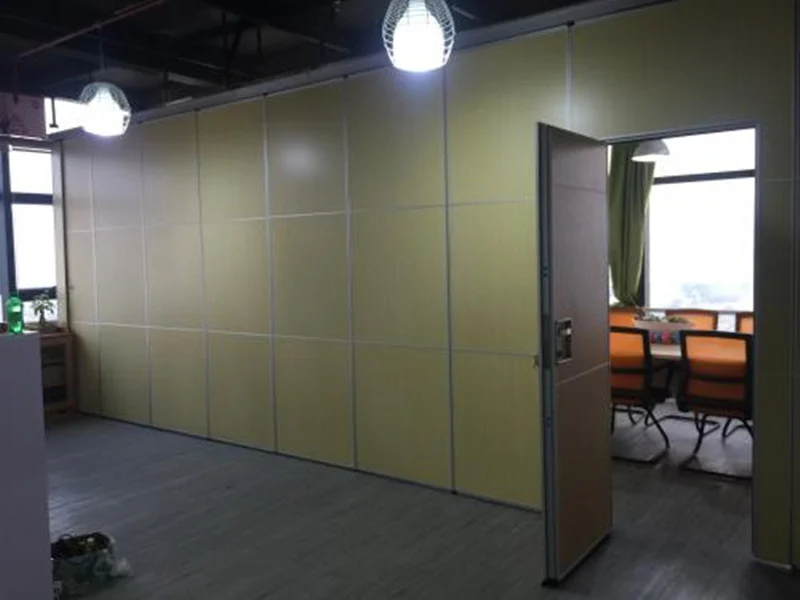
Evidence note: A photograph, drawing or finish sample can show visible condition, location or appearance. The exact overhead route and support arrangement must be confirmed by the responsible project team from coordinated drawings. Those claims require matching project-specific evidence.
This boundary matters because finish options include laminate, melamine, fabric, leather, glass and other approved surfaces.
Coordinating the File Across Disciplines
Architects and designers can confirm the intended layout and finish direction. Contractors can provide as-built records and deviation notes. Owners and operators can confirm operational needs, such as pass-door requirements and project documentation.
The track zone should be reviewed as a connected route. The exact route, junction arrangement, continuous overhead path and parking position must be confirmed from the coordinated project drawings. If the layout changes, the handover file should be updated rather than left with an outdated route.
Questions to resolve before sign-off
- Does the as-built record match the latest approved layout?
- Are all turning and stacking routes shown and referenced?
- Are deviations documented with location and date?
- Are open items assigned to a responsible party?
- Has the project-specific reviewer confirmed support, acoustic and dimensional requirements?
FAQ: Track Zone Handover and As-Built Tolerances
What is a track zone handover file?
It is a project record that documents the installed overhead route for a top-hung movable partition, including as-built conditions, deviations and open items. Its exact contents should be agreed for the project.
Does the handover file prove acoustic performance?
No.
Why are as-built tolerances important for movable walls?
The panels are suspended from a top track and move without a floor track. The straight, turning and stacking routes are reviewed from the layout, so the as-built track zone should be compared with the coordinated design.
Can a photograph replace a measured record?
A photograph can support a record by showing visible condition or location. It should not replace measurement, drawing references or project-specific confirmation where those are required.
What should happen if the installed route differs from the drawing?
The difference should be described in a deviation note, dated and linked to a location. The project team should then confirm whether the change is acceptable and update the file accordingly.
Who should review the handover file?
The responsible project parties, which may include the contractor, designer, owner representative and relevant technical reviewer. Roles should be agreed at the start of the project.
Conclusion: Evidence First, Confirmation Always
A track zone handover file is strongest when it separates visible evidence from interpretation. It should show the approved layout, the as-built condition, any deviations and the open items that still need project-specific confirmation.
For teams planning a movable partition, the practical next step is to review the layout, the track zone and the documentation requirements together. EBUNGE can discuss pass-door requirements and project documentation, and the movable walls product page provides maintained product context. Additional planning guidance is available in the resources section. To discuss your project-specific support, acoustic and dimensional requirements, contact EBUNGE.