
Quick answer: score track fixing preliminaries
Review focus: score track fixing preliminaries.
When a movable partition package is tendered with a provisional sum, the commercial number is only one part of the evaluation. To score track fixing preliminaries provisional sum bids fairly, reviewers need a consistent method for comparing what each bidder has included, excluded and left for later confirmation. This article sets out an evidence-bounded framework for that comparison. It does not replace project-specific engineering, acoustic or dimensional review.
Why Track Fixing Preliminaries Need Their Own Scoring Line
Project review term: score track fixing preliminaries.
A provisional sum is an allowance, not a fixed price. If track fixing preliminaries are buried inside that allowance, bidders may interpret the scope differently. One bidder may assume a continuous overhead route is already coordinated; another may price only the visible track length. The result is a set of bids that look comparable but are not.
Scoring should therefore separate the commercial allowance from the technical and coordination evidence. The goal is not to predict the final cost. It is to identify which bidder has demonstrated a clear understanding of the route, the support context and the information still required.
Start With the Drawing and Route Evidence
Coordination scope: score track fixing preliminaries.
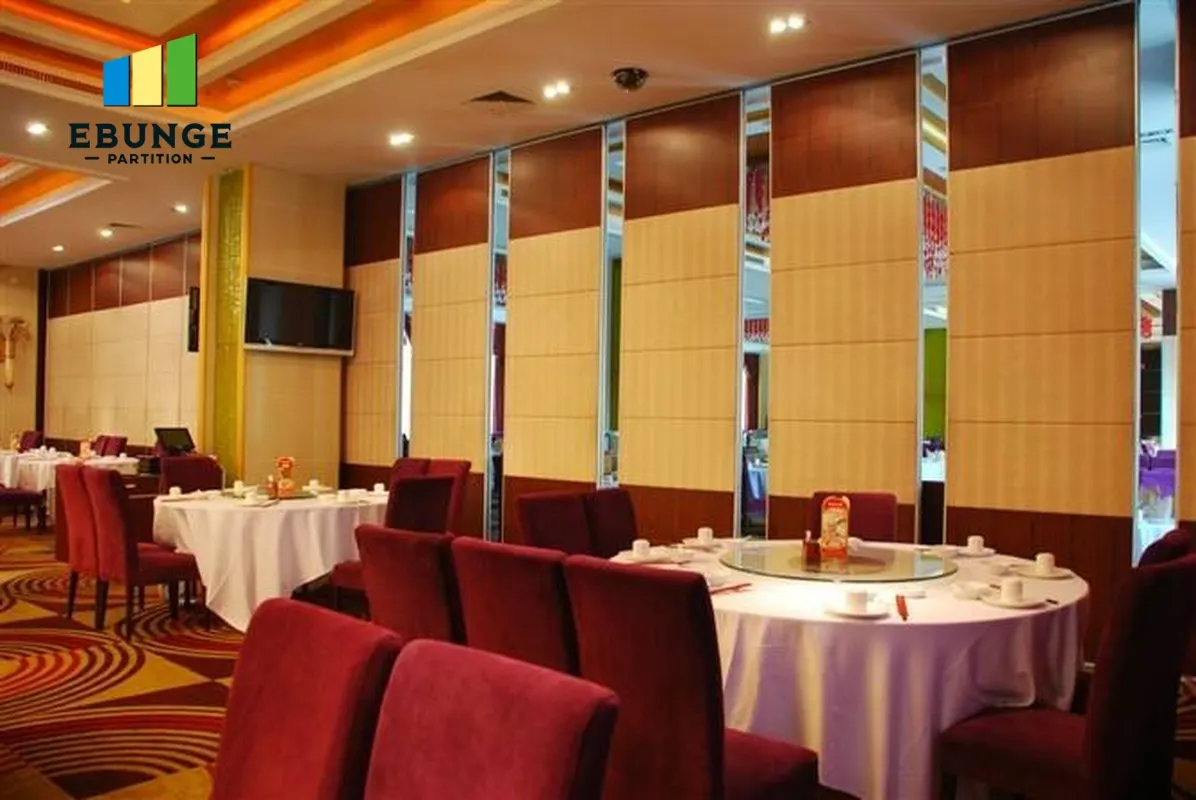
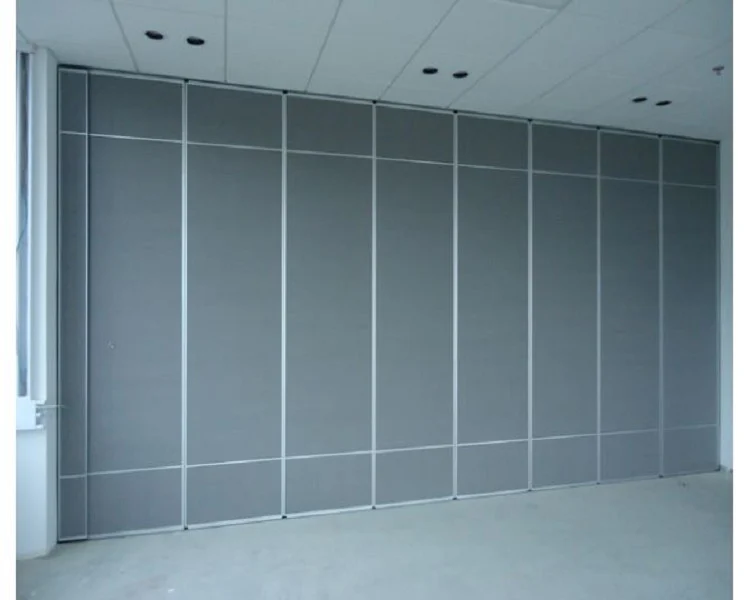
Movable wall panels are individually movable, suspended from a top track, cross the opening without a floor track, and park at a planned stacking position. Straight, turning and stacking routes are reviewed from the layout. That maintained product context gives reviewers a simple test: can the bidder show how the proposed route connects across the opening and reaches the parking position?
Ask each bidder to mark up the relevant plan or elevation. The markup should show the intended route, the parking zone and any turning condition. The suitability of each route and parking arrangement depends on the approved layout, circulation, ceiling interfaces and operating sequence. Those remain project-specific matters for the responsible design team.
Evidence note: what a drawing can and cannot show
A drawing can show a proposed route, a parking position and a coordination interface. It cannot, by itself, confirm support capacity, acoustic performance, fire performance or final dimensional fit. Those items require separate project-specific confirmation.
A Practical Scoring Checklist for Provisional Sum Bids
Checklist focus: score track fixing preliminaries.
Use the same checklist for every bidder so that the comparison is transparent. The checklist below focuses on preliminaries and coordination, not on price alone.
- Route clarity: Does the bidder identify the straight, turning and stacking routes from the layout?
- Overhead continuity: Does the bidder acknowledge that the movement path requires a continuous connected overhead route?
- Parking provision: Does the bidder describe where panels will park and how that position was coordinated?
- Interface list: Does the bidder list the interfaces with structure, ceiling, finishes and other trades?
- Information gaps: Does the bidder state what must be confirmed before the provisional sum can be converted?
- Documentation: Does the bidder provide a clear basis for the allowance, including assumptions and exclusions?
Score each line consistently. A bidder who leaves a line blank is not necessarily wrong, but the omission should be visible in the evaluation rather than hidden inside a lump sum.
How to Compare Bidders Without Inventing Performance
Review focus: score track fixing preliminaries.
It is tempting to reward the bidder who makes the strongest performance statement. Resist that temptation unless the statement is supported by project-specific evidence. A bidder who promises a specific acoustic outcome without a documented basis is giving the reviewer less, not more.
Instead, compare the quality of the bidder’s assumptions. A strong provisional sum bid explains what is included, what is excluded and what must be confirmed. A weak bid leaves the reviewer to guess.
Compact comparison table for tender review
| Review item | Weak signal | Stronger signal |
|---|---|---|
| Route description | No route markup | Straight, turning and stacking routes shown |
| Overhead continuity | Assumed by others | Explicitly coordinated |
| Parking position | Not stated | Planned and dimensionally reviewed |
| Information gaps | Unlisted | Listed with confirmation steps |
| Finish scope | Generic reference | Confirmed finish option named |
Finish and Pass-Door Preliminaries in the Same Review
Project review term: score track fixing preliminaries.
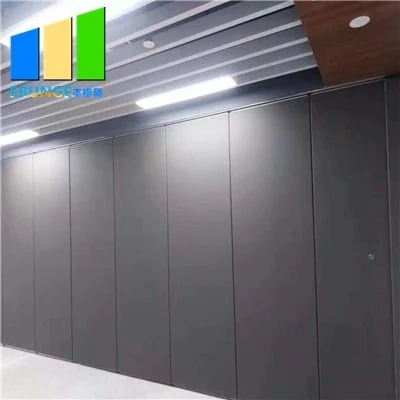
Track fixing is not the only preliminary that can drift inside a provisional sum. Finish selection and pass-door requirements also affect coordination. Confirmed finish options include laminate, melamine, fabric, leather, glass and other approved surfaces. The bidder should state which finish family is assumed and whether the allowance depends on a later selection.
Pass-door requirements and project documentation can be discussed with the supplier. If a pass door is part of the layout, the bidder should show how it interacts with the panel route and parking position. This is a coordination question, not a performance claim.
Questions to Put to Every Bidder Before Scoring
Coordination scope: score track fixing preliminaries.
A short written clarification round can make the scoring far more reliable. Ask the same questions of every bidder and keep the answers with the tender file.
- Which drawing revision did you use to define the track route and parking position?
- What overhead continuity assumption have you made, and who is responsible for confirming it?
- Which finish option is included in your provisional sum, and what happens if the selection changes?
- What pass-door or access requirements have you allowed for?
- What information do you still need before the provisional sum can be converted to a firm scope?
These questions do not require the bidder to invent engineering conclusions. They simply make the bidder’s basis visible.
Common Scoring Mistakes to Avoid
One common mistake is treating the lowest provisional sum as the most complete bid. A low allowance may simply contain more exclusions. Another mistake is accepting a performance statement as a substitute for a coordination plan. A third is allowing each bidder to use a different drawing revision.
Keep the evaluation anchored to the maintained product facts and the project drawings. Where a claim cannot be supported, record it as an open item rather than a score.
FAQ: Scoring Track Fixing Preliminaries
What does a provisional sum for track fixing usually cover?
It is an allowance for work that cannot be fully priced at tender stage. The bidder should state what is included, what is excluded and what must be confirmed. The exact scope depends on the project documents.
Can I score bids without a final track layout?
Yes, but the score should reflect the quality of the bidder’s assumptions and the clarity of the information gaps. A final layout review remains necessary before the allowance is converted.
How should acoustic ratings be treated in the score?
Provide the current layout, opening dimensions, ceiling information, intended room use, and relevant project drawings for review. The exact overhead route and support arrangement must be confirmed by the responsible project team from coordinated drawings.
What if one bidder proposes a different parking position?
Compare the proposed position against the layout and the coordination requirements. The parking style is customized to the customer layout and project requirements, so the reviewer should confirm that the proposal fits the intended use.
Do movable partitions need a floor track?
EBUNGE movable partition panels are top-hung and move without a continuous floor running track or floor hardware along the partition line. The exact route, junction arrangement, continuous overhead path and parking position must be confirmed from the coordinated project drawings.
When should we ask for supplier documentation?
Ask early, before scoring is finalized. Project documentation can be discussed with the supplier so that assumptions are visible to all reviewers.
Conclusion: Score the Basis, Not Just the Number
Scoring track fixing preliminaries in provisional sum bids is ultimately a test of clarity. The strongest bid is not the one with the most confident language, but the one that shows its route, states its assumptions and identifies what still needs confirmation. Use the checklist, the comparison table and the clarification questions to keep the evaluation consistent.
Confirm project-specific support, acoustic and dimensional requirements with the responsible design team before converting any allowance. For product context, review the movable walls range and the resources library. To discuss pass-door requirements and project documentation, contact the EBUNGE team.